REVIEW · POITIERS
Poitiers : Napoleon III’s Walking Tour
Book on GetYourGuide →Operated by Cognosimo Tours · Bookable on GetYourGuide
Poitiers reveals its less familiar side on this walk. Instead of focusing only on the city’s Romanesque churches, you follow stories from the Napoleon III era, the French Resistance, a failed coup, and a local revolt against notaries. The setting is central Poitiers, where old buildings and political drama sit close together.
I like the way the tour links architecture to real events, rather than treating monuments as isolated photo stops. I also like the excellent starting point at Blossac Park, where the walk begins among 18th-century gardens before moving through later parts of the city. The main consideration is pace: with about 65 to 135 minutes on foot, you should bring comfortable shoes and be ready to keep moving.
In This Review
- Key points about the Poitiers walk
- Why this Poitiers tour takes a different route through history
- Starting at Blossac Park and the 18th century
- Following Poitiers through its buildings
- Napoleon III and the arrival of Haussmann-style ideas
- A failed coup and a local revolt
- Poitiers during the Second World War
- What the walking format means for you
- How much value do you get for $69?
- Who should book this walk?
- Simple planning advice before you go
- Should you book the Napoleon III walking tour?
- FAQ
- Where does the Poitiers walking tour begin?
- How long does the tour last?
- What historical periods does the tour cover?
- Does the tour discuss Napoleon III?
- Will I hear about the French Resistance?
- Is the tour available in English?
- Are monument entries included?
- What should I bring?
- Can I cancel the booking?
Key points about the Poitiers walk
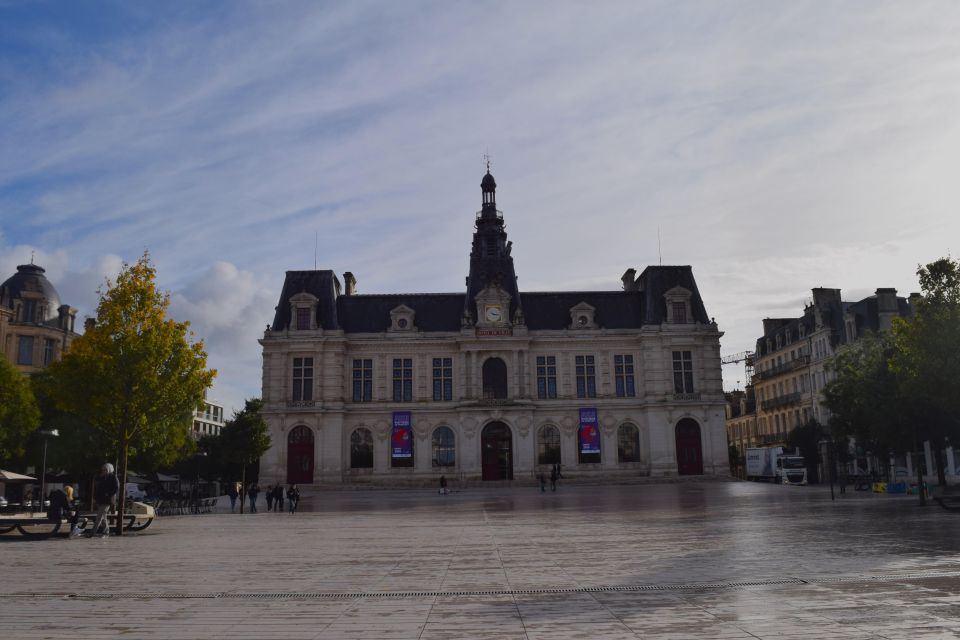
- Napoleon III’s Poitiers: See how Parisian Haussmann-style ideas changed the city during the Second Empire.
- A broader view of Poitiers: The tour moves beyond the best-known Romanesque period and focuses on the 18th, 19th, and 20th centuries.
- Stories with local bite: Hear about an attempted coup against the king and a rebellion involving Poitiers notaries.
- French Resistance connections: Learn about Poitiers during the Second World War and De Gaulle’s visit.
- Blossac Park meeting point: Begin at the front of one of the city’s most pleasant historic parks.
- Flexible planning: The experience is offered in French, English, and Spanish, with free cancellation up to 24 hours before departure.
Why this Poitiers tour takes a different route through history

Poitiers is often introduced through its Romanesque churches, medieval streets, and links to much older French history. Those sights matter, but this walk takes a different route. It concentrates on the city as a provincial center shaped by national politics, local families, public works, resistance activity, and changing ideas about urban design.
That choice gives you a more rounded picture of Poitiers. You will not just hear dates attached to buildings. You will see how events in Paris and across France affected daily life in a city outside the capital.
The tour covers a long period, from the 18th century through the 20th century. That range is useful if you have already seen Poitiers’s older religious monuments, or if you want a first visit that includes more than the standard medieval highlights.
The guide is central to the experience. The named guide Paul is described as especially passionate about Poitiers, and the tour is also led by a historian by profession. The guide’s role is not simply to point out façades. You can expect explanations, small architectural details, and stories that give familiar streets a sharper meaning.
You can also read our reviews of more walking tours in Poitiers


Starting at Blossac Park and the 18th century
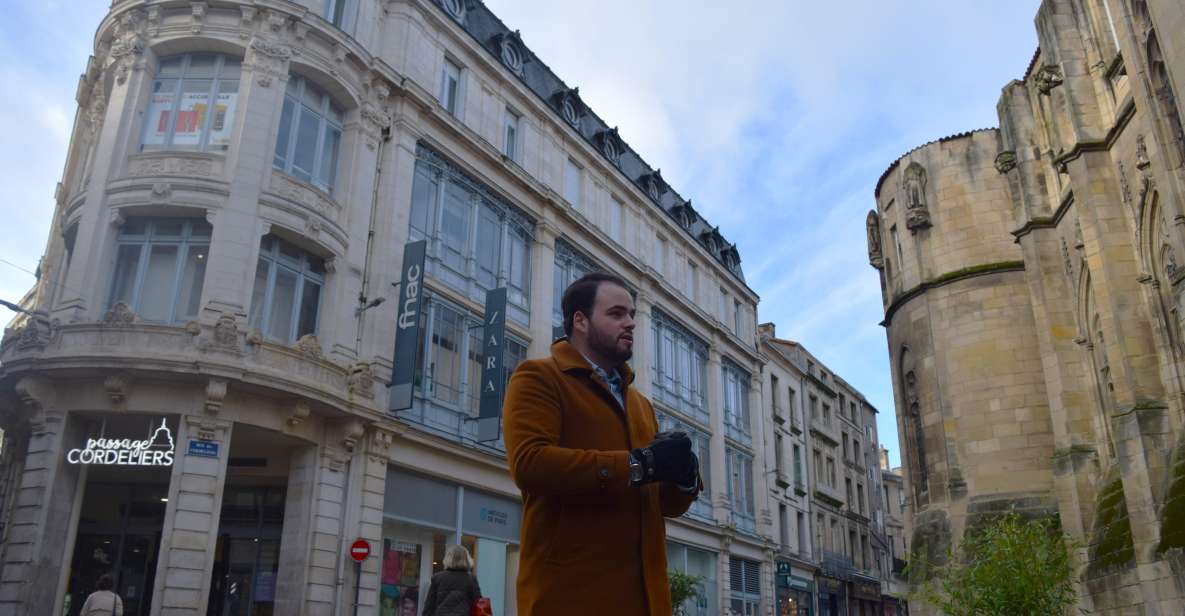
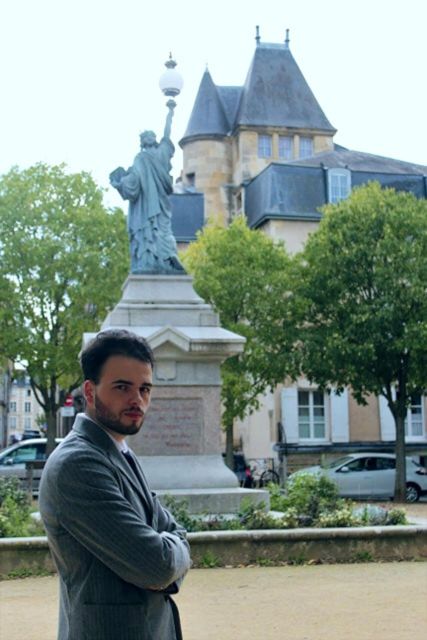
The meeting point is in front of Blossac Park, an 18th-century park in central Poitiers. This is a practical place to begin because it gives you a clear reference point before the walking route enters the city streets.
The park also sets the historical tone. Its design belongs to a period when cities were being reshaped for public life, order, and display. Starting here lets the guide establish the city’s 18th-century setting before moving into the architectural changes of the 19th and 20th centuries.
Expect roughly 10 minutes at the first viewpoint or opening section of the tour. That may sound brief, but it gives the guide room to explain why the park matters without using up most of the walk in one location.
Blossac Park is also useful for your own plans. If you arrive early, you can get your bearings here. If the tour ends nearby, you can return for a quieter stroll, though the listed finishing points are at 30 Place de la Liberté and 46 Rue du Pigeon Blanc.
Following Poitiers through its buildings
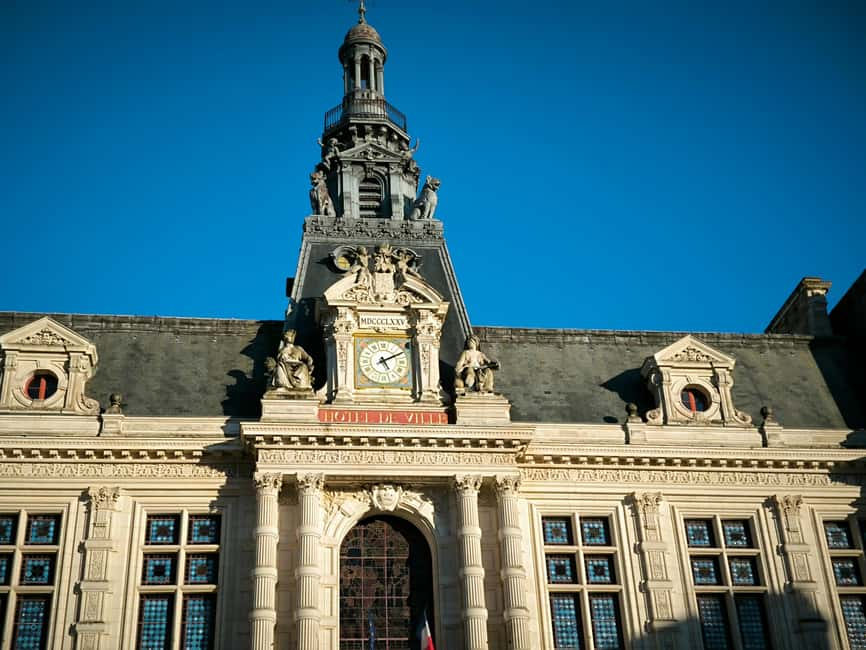
After the park, the walk continues through central Poitiers. The main guided section lasts about 50 minutes, followed by around five minutes of sightseeing in Poitiers itself. The exact total duration can range from 65 to 135 minutes, so check the available departure time and allow some flexibility.
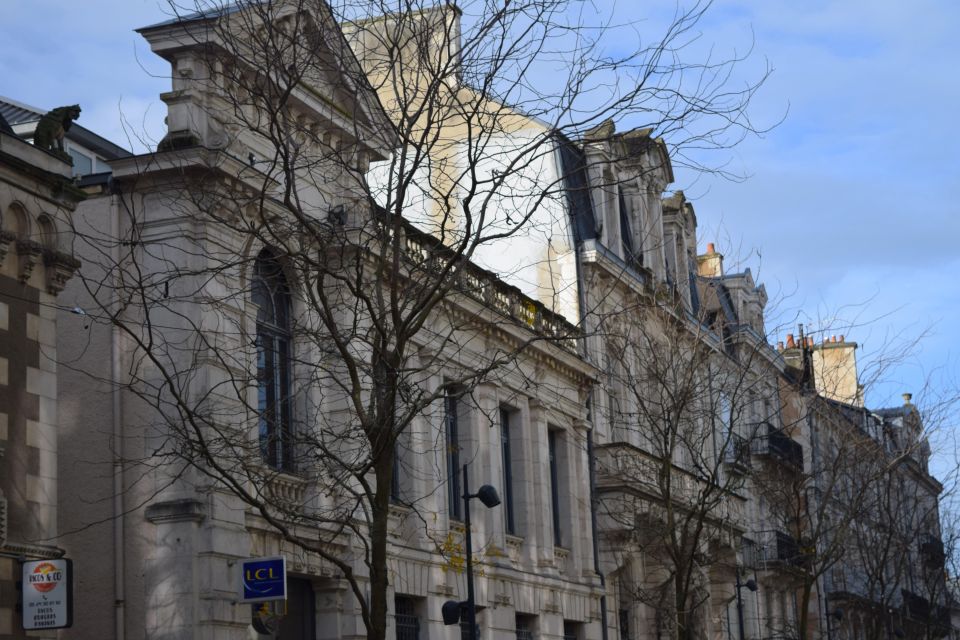
The route includes buildings from the 18th, 19th, and 20th centuries. This sequence is important. You can watch the city change from older provincial forms toward newer ideas about streets, public buildings, and urban appearance.
The guide draws your attention to details you might otherwise pass without a glance. A façade, street alignment, or formal building can tell you something about who held power, how the city wanted to present itself, and which national styles had reached Poitiers.
This is where the walk earns its place beside a self-guided stroll. You could certainly walk through central Poitiers alone, but you might not know which details matter. The guide supplies the connections, then sends you onward with a better eye for the city.
Do not expect a long indoor museum visit. This is a walking experience, and the value lies mainly in the commentary and the sequence of places. Entries to monuments are included, but the supplied details do not specify which monuments you will enter or how long you will stay inside each one.
Napoleon III and the arrival of Haussmann-style ideas
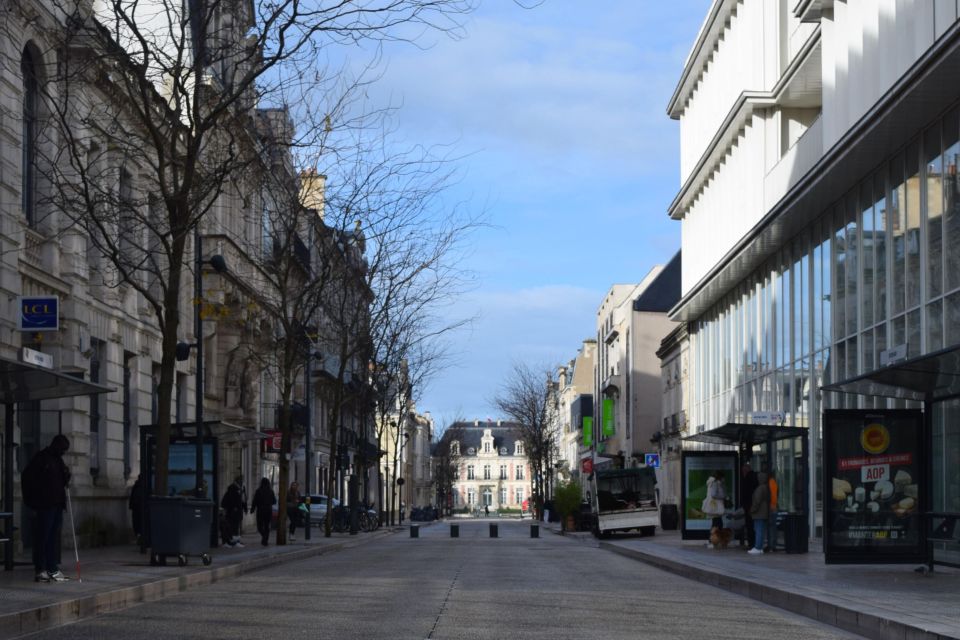
The central theme is Napoleon III’s influence on Poitiers. During his rule, large French cities saw major urban changes, especially under the Parisian model associated with Baron Haussmann. The Poitiers tour looks at how that style and those ideas reached a city that was not Paris.
This makes the subject more interesting than a simple biography of Napoleon III. You are looking at how national ambition appeared in a provincial city. Broad streets, formal façades, public improvements, and changes in movement through the city could reflect politics as much as taste.
The guide explains Poitiers’s urban renovations during the period and shows how the city was altered. I would pay close attention here if you enjoy architecture, because the tour treats buildings as evidence of political choices.
The focus also helps you compare Poitiers with other French cities. You may recognize the familiar 19th-century desire for cleaner lines, improved circulation, and a more modern public face. Yet Poitiers kept its own scale and local character. That contrast is one of the walk’s useful lessons.
A failed coup and a local revolt
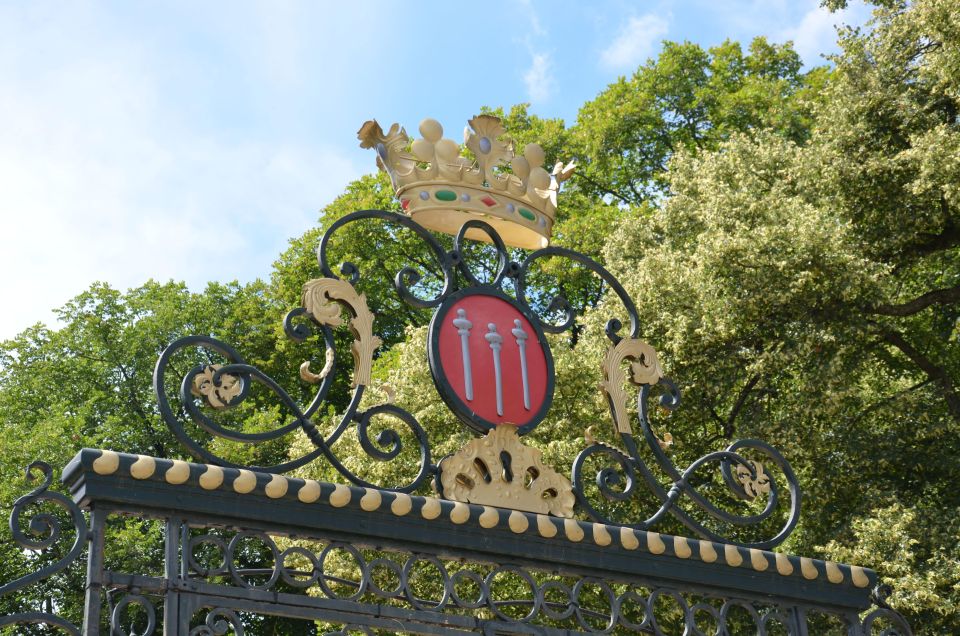
The tour is not limited to official monuments. It includes stories about an attempted coup against the king and a local rebellion involving notaries.
These episodes give the walk some welcome tension. Instead of hearing only about rulers and renovations, you learn how political conflict could reach ordinary communities and professional groups. The notary story, in particular, points to the role of local institutions and social pressure in a provincial city.
The information provided does not give the names, dates, or full outcome of these events, so the guide’s live explanation will matter. If you enjoy political history, listen for the local details: who was involved, what triggered the dispute, and how Poitiers responded.
This is also a good reason to choose a guided walk rather than a simple monument circuit. A plaque may tell you when a building was completed. It rarely explains the quarrels that took place around it.
Poitiers during the Second World War
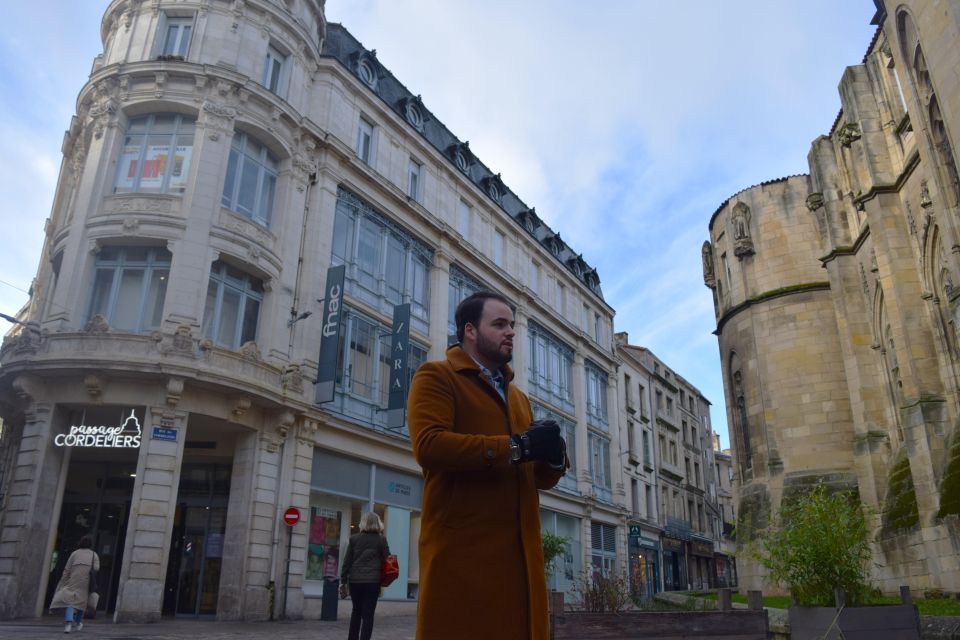
The experience also covers French Resistance history in Poitiers. That brings the walk into the 20th century and gives you a chance to consider the city during the Second World War.
The tour connects this period with the broader history of France while keeping the focus local. That matters because national events can feel distant when presented only through famous names and battle dates. In Poitiers, the guide relates the period to the city and its people.
The route also includes the story of De Gaulle’s trip to Poitiers. The supplied information does not state the date or location of the visit, so you should expect the guide to provide that context during the walk.
This part of the tour may appeal most if you want to understand how wartime history affected places away from the country’s best-known battlefields. It also breaks up the architectural focus with a more personal and political chapter.
What the walking format means for you
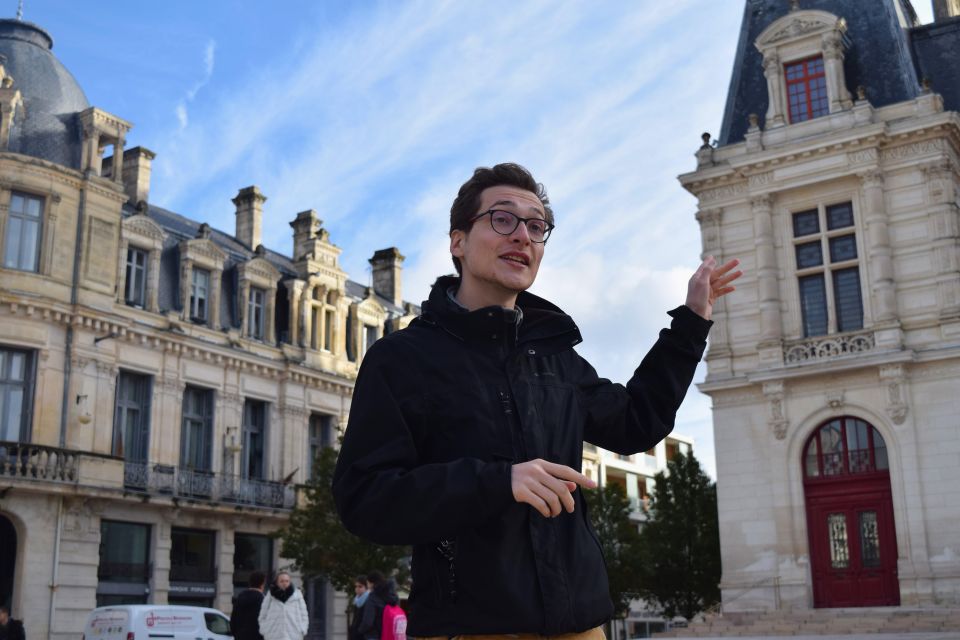
The experience is entirely centered in Poitiers, with no transport between stops. That keeps the tour simple and lets you see how the sites relate to one another.
You should wear comfortable shoes. The duration can be just over an hour or closer to two hours and fifteen minutes, depending on the departure and route details available when you book. Even a short city walk can feel tiring if you are wearing shoes meant only for dinners and photographs.
The walk is suitable for someone who likes steady sightseeing with regular commentary. It may be less suitable if you want long periods at each monument, an indoor-focused tour, or a very slow route built around sitting down.
The meeting point is specific: the front of Blossac Park. The tour ends at one of two listed central locations, 30 Place de la Liberté or 46 Rue du Pigeon Blanc. Those points are useful for continuing your own visit, though you should check the final meeting and end details when booking.
The guide speaks French, English, and Spanish. That makes the experience practical for a mixed-language group, but language availability can depend on the selected departure, so confirm your preferred language before paying.
How much value do you get for $69?
At $69 per person, this is not the cheapest way to spend an hour in Poitiers. The value depends on how much you want from the commentary.
If you only want to see the outside of a few central buildings, you can walk around the city without paying. But this tour covers several historical periods and brings together architecture, politics, wartime history, and local stories. The included monument entries and complimentary gift add a little practical value, though the main reason to book is the guide.
I see the price as easier to justify for a first visit, especially if you have limited time in Poitiers. A well-led walk can help you understand the city quickly, then show you where to return on your own.
It also makes sense for repeat visitors. If you have already seen the major Romanesque sights, this route offers a different angle. The emphasis on Napoleon III, Haussmann-style renovations, and local events gives you material that a standard old-town walk may skip.
The high rating and four perfect scores point to a strong response to the guide’s storytelling and command of the subject. The comments repeatedly highlight an entertaining visit, useful explanations, and small architectural details that made the city more rewarding. I would still judge the price against your interests. If you prefer museums or ancient history alone, another activity may suit you better.
Who should book this walk?
I would recommend it to you if you enjoy:
- Local political stories: The failed coup and notary rebellion give the tour a more unusual edge.
- Architecture with context: You learn why 18th, 19th, and 20th-century buildings look the way they do.
- Modern French history: The Napoleon III and Second World War sections broaden the usual Poitiers visit.
- A short cultural activity: The route fits into a day of sightseeing without taking the entire afternoon.
- Personal guiding: The experience depends on a live guide who can explain details and answer questions.
Families with older children may also find the stories easier to follow than a long lecture on dates and dynasties. The exact suitability depends on how comfortably everyone in your group walks.
I would hesitate if you want a tour devoted mainly to Romanesque architecture, archaeological remains, or lengthy monument interiors. This experience is about how Poitiers changed and how major French events echoed through the city.
Simple planning advice before you go
Book this near the start of your Poitiers visit if you want help choosing what to see next. The walk ends in the center, so you can continue exploring afterward rather than losing time returning to a distant meeting point.
Keep your schedule loose. The stated duration ranges from 65 to 135 minutes, and the difference is large enough to affect a lunch reservation or train connection.
Choose the language you want when checking availability. French, English, and Spanish are offered, but the available guide and start time may vary.
You can cancel up to 24 hours in advance for a full refund, and the reserve-now, pay-later option lets you keep your plans flexible. Those terms are helpful if your Poitiers day depends on train times or changing weather.
Should you book the Napoleon III walking tour?
Book it if you want Poitiers explained through more than its medieval past. The combination of Napoleon III’s urban work, local political conflict, Resistance history, De Gaulle’s visit, and architectural details gives you a thoughtful route through the city.
The best reason to choose it is the guide. Paul is one named guide for the experience, and the tour calls for someone who can turn buildings and streets into a connected story. At $69, it is a considered purchase, but the price is fair if you value interpretation and included monument entries.
Skip it if your priority is a slow, independent walk or a tour focused only on ancient and Romanesque Poitiers. For everyone else, this is a smart way to see the city’s less familiar chapters, with enough time left afterward to keep exploring on your own.
FAQ
Where does the Poitiers walking tour begin?
The meeting point is at the front of Blossac Park in Poitiers.
How long does the tour last?
The duration ranges from 65 to 135 minutes. You should check available start times when booking.
What historical periods does the tour cover?
The route covers the 18th, 19th, and 20th centuries, including the Napoleon III period and French Resistance history during the Second World War.
Does the tour discuss Napoleon III?
Yes. The guide explains Napoleon III’s urban renovations in Poitiers and the arrival of Haussmann-style ideas from Paris.
Will I hear about the French Resistance?
Yes. French Resistance history in Poitiers is one of the subjects covered during the walk.
Is the tour available in English?
Yes. Live guiding is available in French, English, and Spanish. Check availability for your preferred language before booking.
Are monument entries included?
Yes. Entries to monuments are included in the tour price.
What should I bring?
Bring comfortable shoes because the experience takes place on foot through central Poitiers.
Can I cancel the booking?
Yes. You can cancel up to 24 hours in advance for a full refund. A reserve-now, pay-later option is also available.