REVIEW · PARIS
Paris: Stade de France Behind the Scenes Tour
Book on GetYourGuide →Operated by Cultival · Bookable on GetYourGuide
A huge stadium, seen from the inside. You sit where fans sit, then walk through the places players actually use, including the tunnel to the pitch. Two things I really like: the behind-the-scenes access (locker rooms and private boxes) and the fact that the tour ends with the Stade de France Museum—so you leave with context, not just photos. One consideration: during the winter season (and sometimes due to events), the pitch may not be visible.
This tour works well as a plan B when you’re in Paris and don’t catch a match. It’s also ideal if you’re curious about French sports culture beyond the Eiffel Tower angle. The guided format keeps it moving for 90 minutes, and you’ll walk about 1.2 km.
If you’re the type who wants grass shots or trophy photo-ops every time, this may feel a bit conditional. The venue can adjust access based on security requirements, so you should come for the backstage story of the stadium, not a guaranteed view of the field.
In This Review
- Quick Hits You’ll Care About
- Entering Stade de France: The Stadium Where Big Moments Happen
- Gate H Logistics: How to Show Up Smoothly
- The 90-Minute Route: What the Tour Flow Feels Like
- From Seats to Panorama: The View Fans Never See Long Enough
- Player Tunnel Moment: Where Match Day Energy Hits
- Locker Rooms and Private Boxes: The Status Spaces
- The Stadium’s Big Stories: World Cup 1998 and Beyond
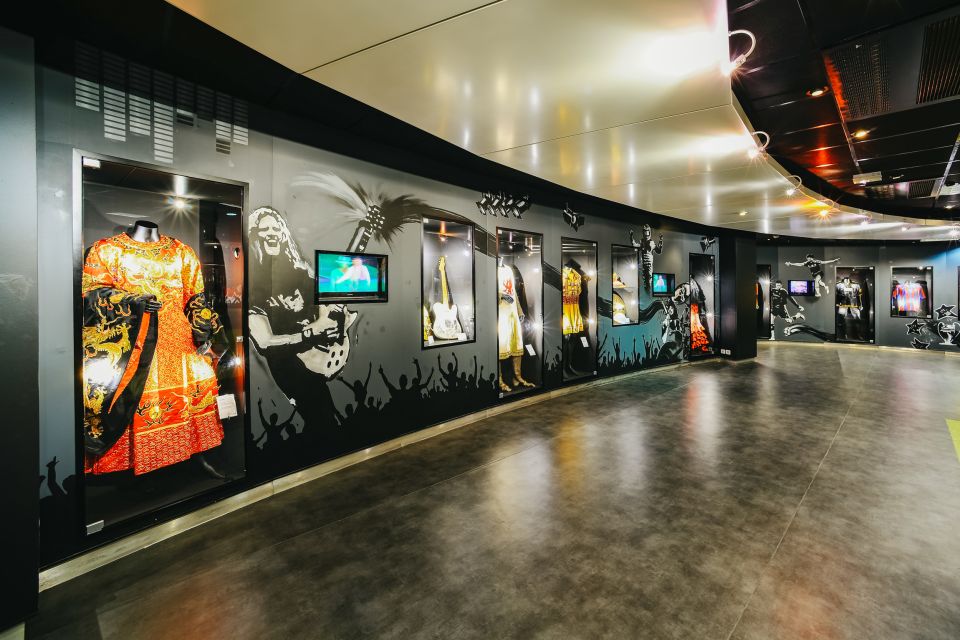
- Museum Finish: Archives, Models, Guitars, and Jerseys
- Pitch Visibility Reality: What Winter and Event Days Change
- Walking, Strollers, and Bag Rules: Small Things That Save Stress
- Price and Value: Why About $21 Works
- Who Should Book This Tour (and Who Might Want Another Option)
- Should You Book the Stade de France Behind the Scenes Tour?
- FAQ
- How long is the Stade de France behind the scenes tour?
- Where do I meet the guide?
- What can I see on the tour?
- Is the pitch visible during the tour?
- What language options are available?
- Is the museum included?
- Is the tour wheelchair accessible?
- What should I bring and wear?
- What items are not allowed?
- Do I need to arrange transfers for this activity?
Quick Hits You’ll Care About
- Gate H check-in, then right into the stadium so you’re not wandering around hungry and confused
- Locker rooms and private boxes for a genuine backstage feel, not just a photo stop
- Player tunnel views—the most “match day” moment of the tour
- Museum entry included so history sticks after the tour ends
- Pitch visibility isn’t guaranteed in winter and may change on event days
- Guides often turn it interactive for kids (think games and challenges when groups include families)
Entering Stade de France: The Stadium Where Big Moments Happen
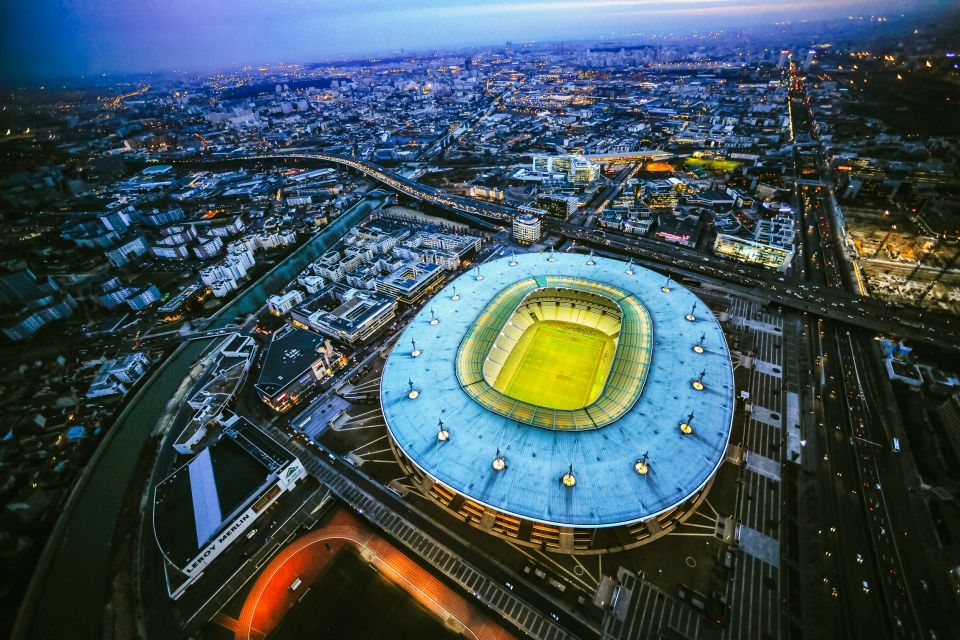
The Stade de France isn’t just another large venue on a map. It’s France’s biggest stadium, and it has hosted major events tied to football’s loudest, most emotional chapters. When you step into the tour route, it helps to remember you’re walking through spaces built for the biggest global stages.
Even if football isn’t your main hobby, the place has a pull. The architecture, the scale, and the way the stadium is organized make it feel like a machine designed for spectacle. I like that the tour frames it as a working arena, not a museum piece. You’re seeing how match day is supposed to flow—from seating to staff areas to the moment players access the pitch.
One detail I really appreciate: the guide doesn’t treat the stadium like a random set of rooms. They connect what you’re looking at to the moments that shaped it, including the FIFA World Cup 1998.
You can also read our reviews of more tours and experiences in Paris.



Gate H Logistics: How to Show Up Smoothly

You meet at the welcome desk in the official Stade de France shop. The entrance you’ll use is Gate H, and you’ll need to pass a security checkpoint before you start.
Here’s the part that matters for your schedule: arrive early. For security reasons, the Stade de France administration can inspect bags, and the tour begins at the scheduled time. Latecomers risk missing the start, and the tour can’t be rescheduled for a refund.
Getting there is pretty straightforward by public transit:
- Métro: Saint Denis Porte de Paris (line 13)
- RER: La Plaine Stade de France (RER B) or Saint Denis La Plaine (RER D)
This tour doesn’t include transfers, so plan your Paris-to-stadium hop ahead of time. Once you’re there, the process is mostly about timing and security—no maze of instructions, just follow the Gate H flow.
Practical tip: wear comfortable shoes. You’ll walk around 1.2 km total, and you’ll want your feet to feel happy, not brave.
The 90-Minute Route: What the Tour Flow Feels Like
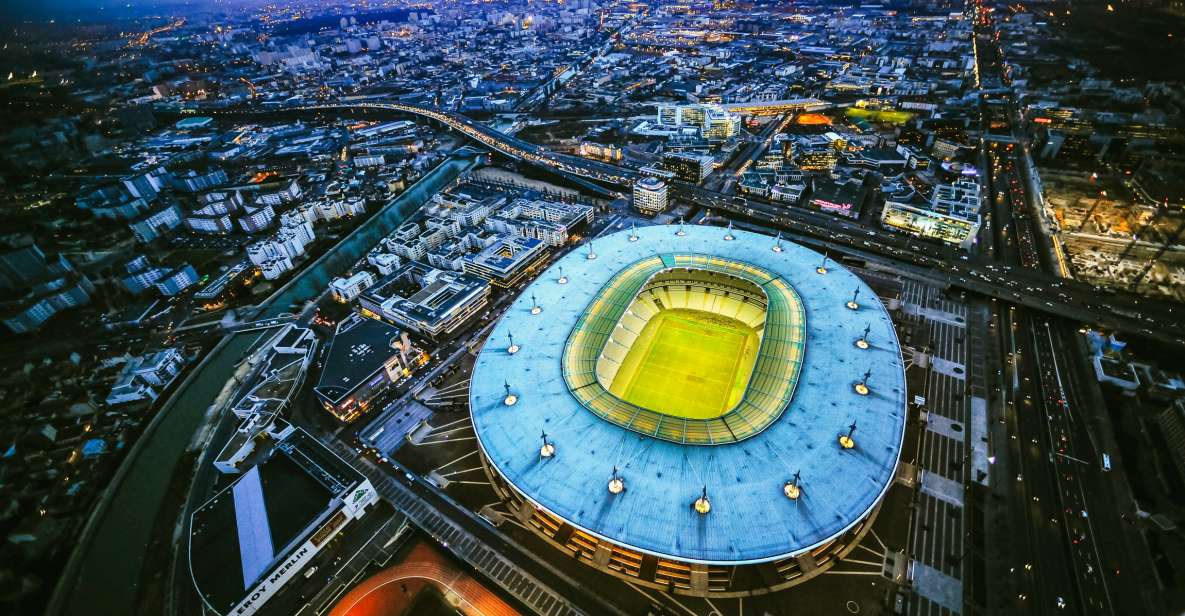
Ninety minutes goes fast, but it doesn’t feel rushed. The format is built around moving from one backstage zone to the next, with commentary timed to what you’re seeing. That’s the best way to experience a venue like this: you learn what a space is used for, then you actually stand in it.
You’ll start with the stadium environment and spectator perspective. Then the tour pivots into the areas that make a stadium feel human—changing rooms, VIP areas, and the route players take when it’s time to walk out.
The tour ends at the Stade de France Museum, which is a smart finish. It’s where the stadium’s long story becomes tangible through artifacts and displays, so the backstage access doesn’t feel like trivia. It feels like the start of a bigger narrative.
From Seats to Panorama: The View Fans Never See Long Enough
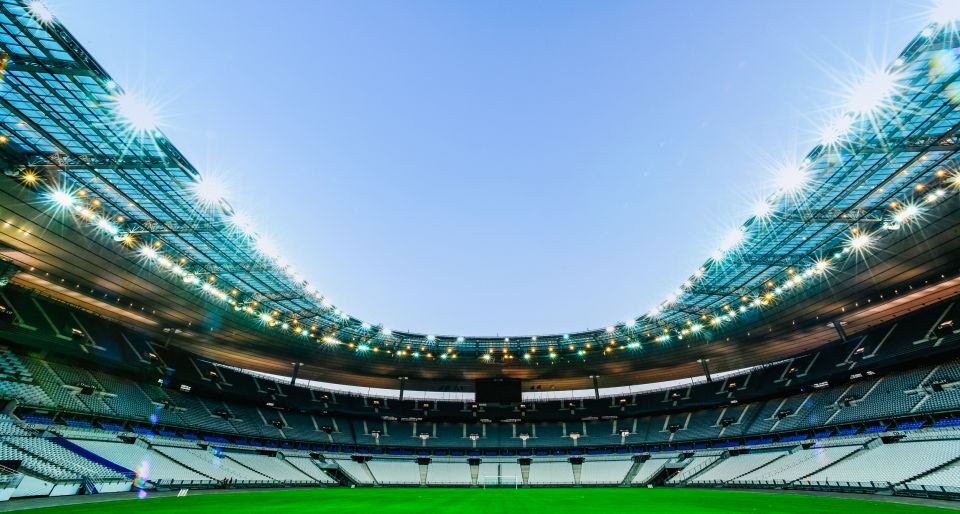
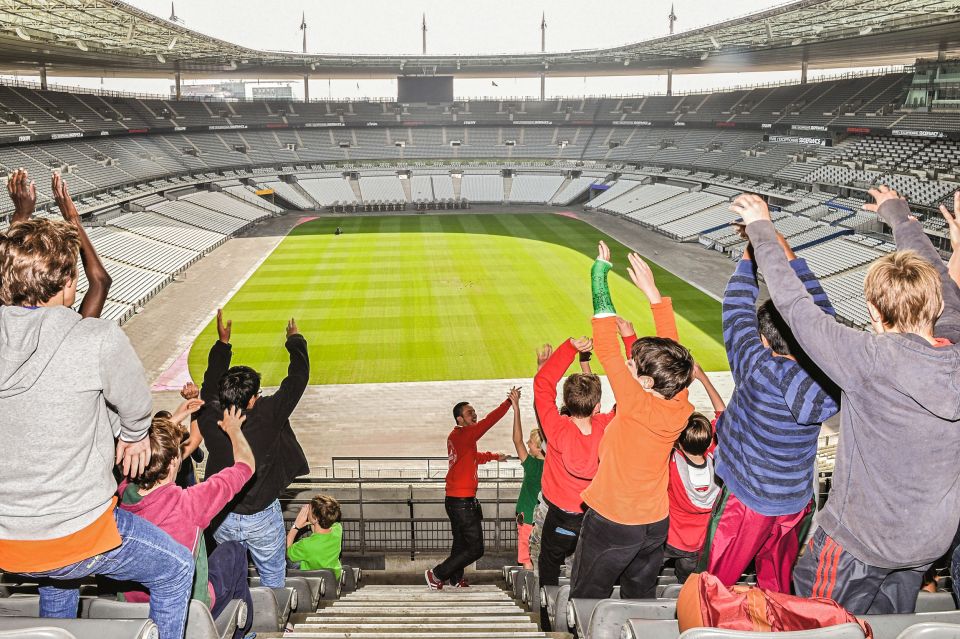
One of the coolest parts for me is when you sit in a spectator seat and take in the panorama. You get the “I get it now” moment—how the stadium holds crowds, how sightlines work, and how the venue reads from inside the bowl.
This is also where the guide’s explanation helps. They talk about the stadium’s unique architecture, and you can connect the design choices to what you’re actually experiencing. It’s not just facts dumped in passing. You look up at the structure, then the story clicks.
If you’re traveling with non-football folks, this section is a good social bridge. Even people who don’t care about tactics usually care about scale, and this gives them something visual to anchor to.
Important reality check: depending on the season and event schedule, the pitch may not be visible. In winter, the pitch won’t be shown. On event days, visibility can’t be guaranteed either. So focus on the stadium itself and the backstage route, not the expectation of always seeing green grass.
Player Tunnel Moment: Where Match Day Energy Hits
The walk through the same tunnel that players use is the emotional highlight. Even if you’re not a lifelong football follower, this is where the stadium stops feeling like infrastructure and starts feeling like theatre.
It’s also a simple, powerful concept for the guide to explain: this is the boundary between the private preparation spaces and the public noise of the pitch. You see the direction of travel, the feeling of the corridor, and you understand why players talk about walkout moments so often.
If you like photos, this is where you’ll want to be ready. You’re not at a museum display behind rope—you’re in a real access corridor with the stadium around you.





Locker Rooms and Private Boxes: The Status Spaces
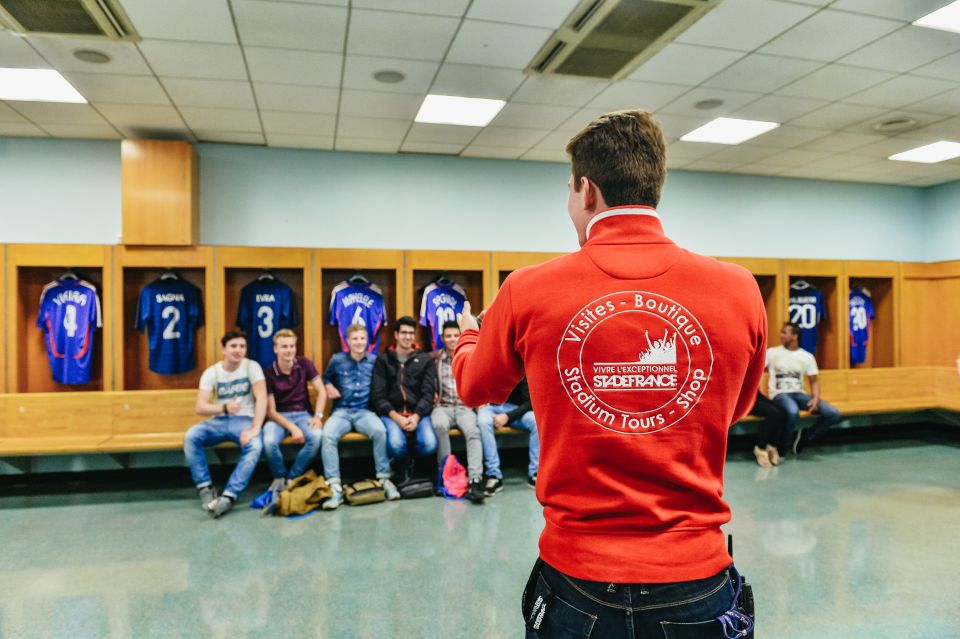
After the tunnel, the tour moves into the places that feel like football’s backstage hierarchy.
You’ll go inside:
- the locker room
- private boxes and other areas that are normally off-limits
This is where the tour becomes more than sightseeing. A locker room is where nerves live. A VIP box is where the match is watched with power and comfort. The tour helps you see how these areas change the match experience.
The guide’s storytelling matters a lot here. In past tours, guides have been described as friendly, funny, and genuinely passionate—people who keep the group involved rather than lecturing from the front. Names that come up in recent accounts include Nina, Amir, Sam, Sylvia, and Thai. That’s a hint of the vibe you can expect: guides who can switch between history and practical, human details without losing the room.
If you’re traveling with kids, this is also a part of the route where interaction tends to work well. Some families mention games and challenges during the tour, which helps younger visitors stay engaged when you’re moving between rooms.
The Stadium’s Big Stories: World Cup 1998 and Beyond
The Stade de France is linked to landmark football events, and the tour uses those connections to make the building feel earned.
You’ll hear stories tied to the FIFA World Cup 1998 and the legendary players associated with that era, including Zidane and Ronaldo. The tour also references Cristiano Ronaldo lifting his first major trophy for Portugal at this site, which adds a “familiar name” thread even if you didn’t follow that competition closely.
What I like about this kind of history isn’t just nostalgia. It turns your physical experience into meaning. When you’re standing in a tunnel or in a room players used, you understand why the venue matters beyond French domestic football.
And the stadium isn’t only for sports. You’ll also hear how it became a major concert venue. The Rolling Stones were the first group to perform here, and later international stars like Madonna and AC/DC chose the Stade de France, with massive audiences around the 80,000 mark each time.
That matters for understanding the building’s design too. A stadium built for big crowds needs flexible spaces and routes, not just football-specific features.
Museum Finish: Archives, Models, Guitars, and Jerseys
The tour ends with free entry to the Stade de France Museum. This is where the experience feels complete.
In the museum, you’ll find items that show the stadium’s legendary moments in physical form, including:
- archives and historical displays
- models
- autographed guitars
- jerseys
- and more objects tied to iconic events
I think this ending is the best value piece of the tour. You don’t have to rely on memory or guide notes. You can linger and connect the stories you heard during the tour to real artifacts.
If you’re the kind of traveler who likes to learn while standing in place, this works well. If you prefer to snack, take photos, and then read later, you can do that here too, since the museum gives you control over your pace after the guided portion ends.
Pitch Visibility Reality: What Winter and Event Days Change
This is the biggest “read this before you go” section.
During the winter period, the pitch at the Stade de France won’t be visible. And even outside winter, tour access can change depending on events scheduled at the stadium and security rules that are in force on the day of your visit. The tour may also be subject to security requirements that adjust what you can see.
So here’s how to plan your expectations:
- If you want a guaranteed clear view of the field, this tour is not the safest bet.
- If you’re happy seeing the stadium bowl, backstage areas, and tunnel route, you’ll still get a lot out of it.
I like tours where you focus on the experience, not the exact conditions. This one is strongest as a backstage look at the stadium’s working spaces and its history, even when the pitch is off-limits visually.
Walking, Strollers, and Bag Rules: Small Things That Save Stress
You’ll walk about 1.2 km, so keep your timing and footwear realistic.
Good to know:
- Strollers are permitted on the tour.
- Pets are not allowed (except seeing-eye dogs).
- No luggage or large bags are allowed.
- The stadium may inspect bag contents for security, so arrive 15 minutes early.
These rules are simple, but they matter because stadium security can slow things down if you show up right at the start time. Build in buffer, then you’ll glide into the tour without the last-minute scramble.
Price and Value: Why About $21 Works
At about $21 per person for a 90-minute guided tour with exclusive backstage access and free museum entry, the value is strong.
Here’s the math behind why it feels worth it:
- You’re paying for a guided experience plus restricted areas like locker rooms and private boxes—those are the expensive, hard-to-access parts of any “stadium tour.”
- You also get a museum add-on at the end, which helps justify the time and makes the learning stick.
- It’s a good option when you’re in Paris for a short window and can’t line up with a match.
The experience isn’t trying to be a private show. It’s a real group tour. But the access level and the museum finish make it more than a quick lap around the seating.
Who Should Book This Tour (and Who Might Want Another Option)
This tour is ideal if you:
- love football history and want to see where the action starts backstage
- travel with teens or kids who get excited by behind-the-scenes spaces
- want a structured activity that lasts around 90 minutes and still feels full
It’s also a strong pick for non-football fans who enjoy architecture, big-event venues, and museum-quality storytelling.
Consider another option if you:
- only care about seeing the pitch clearly every time
- hate walking 1.2 km in a stadium environment
- need a flexible schedule to match your day’s transit timing exactly (latecomers can miss the start)
Should You Book the Stade de France Behind the Scenes Tour?
Yes, if you want a realistic backstage look at France’s biggest stadium with a history-and-museum finish. It’s priced like a casual add-on, but it delivers access that makes the stadium feel real: seats, tunnel route, locker rooms, and VIP spaces.
I’d book it when you’re visiting in a season where pitch visibility might be limited, too—just adjust your mental goal. Go for the tunnel and the backstage rooms, not a guaranteed grass view. If you do that, you’ll likely walk away feeling like the stadium has a personality, not just a seating capacity.
FAQ
How long is the Stade de France behind the scenes tour?
The tour lasts 90 minutes.
Where do I meet the guide?
Meet at the welcome desk of the official shop of Stade de France at Gate H. You’ll pass through a security checkpoint before starting.
What can I see on the tour?
You can expect to visit the locker room, private boxes, and other behind-the-scenes areas, plus walk through the same tunnel players use to access the pitch.
Is the pitch visible during the tour?
Pitch visibility is not guaranteed. During the winter period, the pitch will not be visible, and on some event days it may also be covered.
What language options are available?
The guided tour is available in English, Spanish, French, or German, depending on the option chosen.
Is the museum included?
Yes. The tour includes free entry to the Stade de France Museum.
Is the tour wheelchair accessible?
Yes. The activity includes disabled access, and it is wheelchair accessible.
What should I bring and wear?
Wear comfortable shoes, since you’ll walk around 1.2 km during the tour.
What items are not allowed?
Pets are not allowed (except seeing-eye dogs). Luggage or large bags are also not allowed.
Do I need to arrange transfers for this activity?
Transfers are not included, so you’ll need to get to the meeting point on your own.