REVIEW · PARIS
Paris: Musée de Montmartre and Gardens Entry Ticket
Book on GetYourGuide →Operated by Musée de Montmartre · Bookable on GetYourGuide
One house holds Montmartre’s story. I really like the Bel Air House setting and how the museum turns it into a time machine. I also love the Renoir Gardens—quiet, beautiful, and a nice break from Montmartre’s crowds. One thing to plan for: the visit is built around a 90-minute audio route, so you’ll want a little breathing room if you like to linger.
You’ll follow Montmartre’s path from artists’ meeting points and studios to the bohemian cabarets that helped define the area. The audio guide walks you through key moments like the 19th-century boom, Montmartre’s annexation into Paris, and the kind of nightlife that made places like the Chat Noir famous. Temporary exhibits add extra variety, too.
If you’re expecting a chatty guide in the room, this isn’t that kind of ticket. There’s no live guide, and on some days you might find the café or parts of the museum closed for events or maintenance—so it’s smart to go with a flexible plan.
In This Review
- Key Things to Know Before You Go
- Musée de Montmartre and the Bel Air House: what you’re actually visiting
- The audio guide route: from annexed countryside to cabaret Paris
- Permanent collection and temporary exhibits: how to prioritize without getting lost
- Renoir Gardens and the Montmartre vineyard: the calm part of the day
- Café Renoir and the 11:00–18:00 timing: plan a lunch that won’t stress you
- Timing and last entry: how to fit it into a Montmartre day
- Value check: is the $16 ticket worth it for what you get?
- Who should book this Musée de Montmartre ticket?
- Should you book this ticket?
- FAQ
- What is included in the Musée de Montmartre ticket?
- How long does the audio guide take?
- Is there a live guide included?
- What are the museum opening hours and last entry time?
- What time is Café Renoir open?
- Can I skip the ticket line?
- Where do I show my voucher?
- How much does it cost?
- Is there free cancellation?
Key Things to Know Before You Go
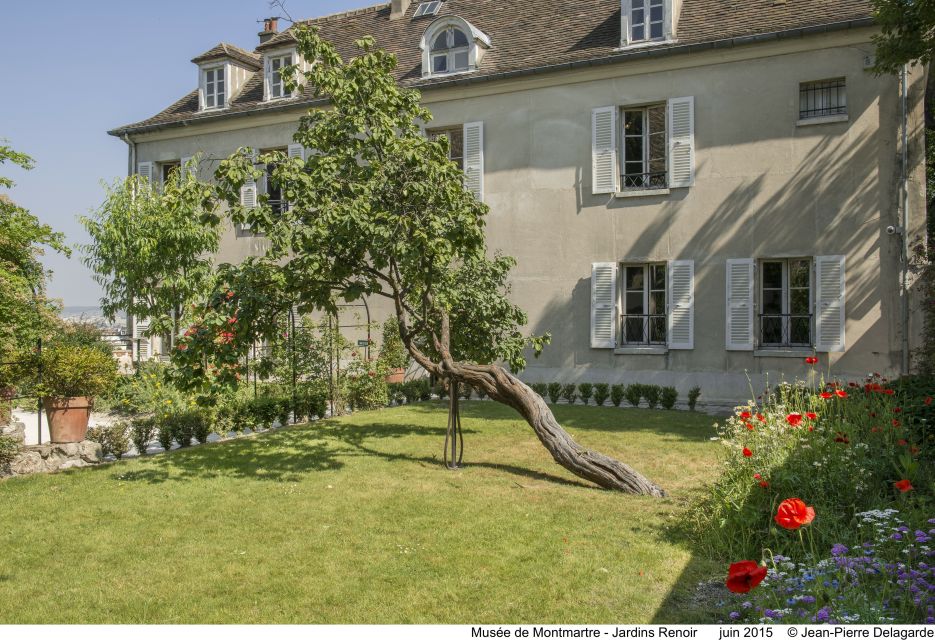
- Bel Air House inside Montmartre: You’re visiting the museum in an old structure that anchors the whole story.
- Skip the ticket line: You can go straight to your visit without waiting at the main entrance.
- 90-minute audio guide: It’s your main route through permanent and changing exhibits.
- Renoir Gardens + private Renoir garden access: The outdoors is part of the ticket, not an afterthought.
- Café Renoir is handy but not guaranteed: Some closures happen due to private events.
Musée de Montmartre and the Bel Air House: what you’re actually visiting
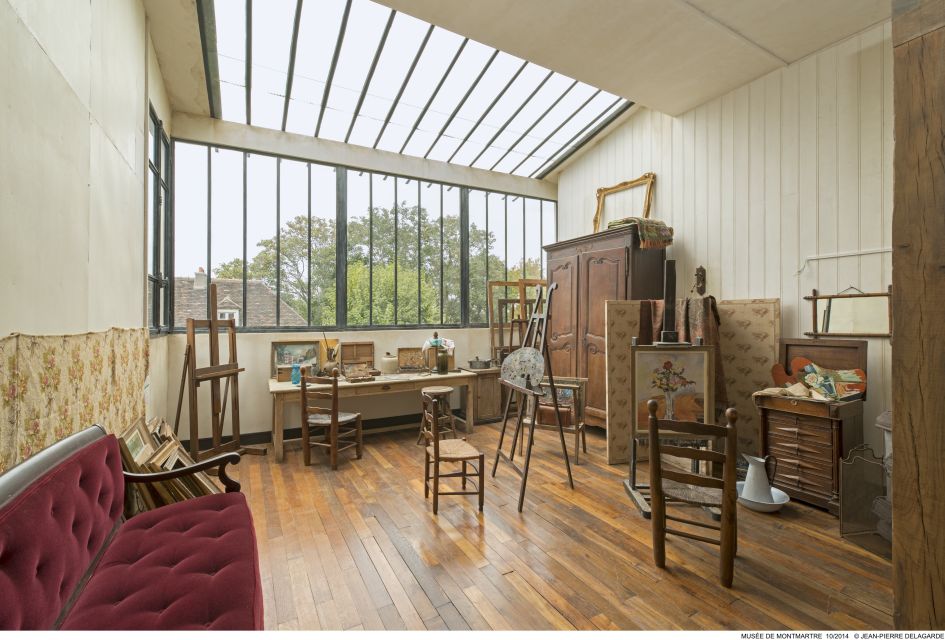
This museum is not just “an indoor collection.” It’s housed in the Bel Air House, a seventeenth-century building and the oldest building in Montmartre. That matters because the rooms don’t feel like a generic gallery. They feel like spaces artists would have recognized—small, intimate, and full of angles that make the past feel close.
As you move through, the museum’s focus stays on Montmartre itself: how it grew into the creative center people talk about today. You’ll see how artists and performers helped shape the district’s identity, from studios and meeting places to cabarets and music-hall nights.
The pace is relaxed. You’re free to stay, and the museum experience is designed so you can take breaks—especially once you step outside into the gardens.
A few more Paris tours and experiences worth a look



The audio guide route: from annexed countryside to cabaret Paris
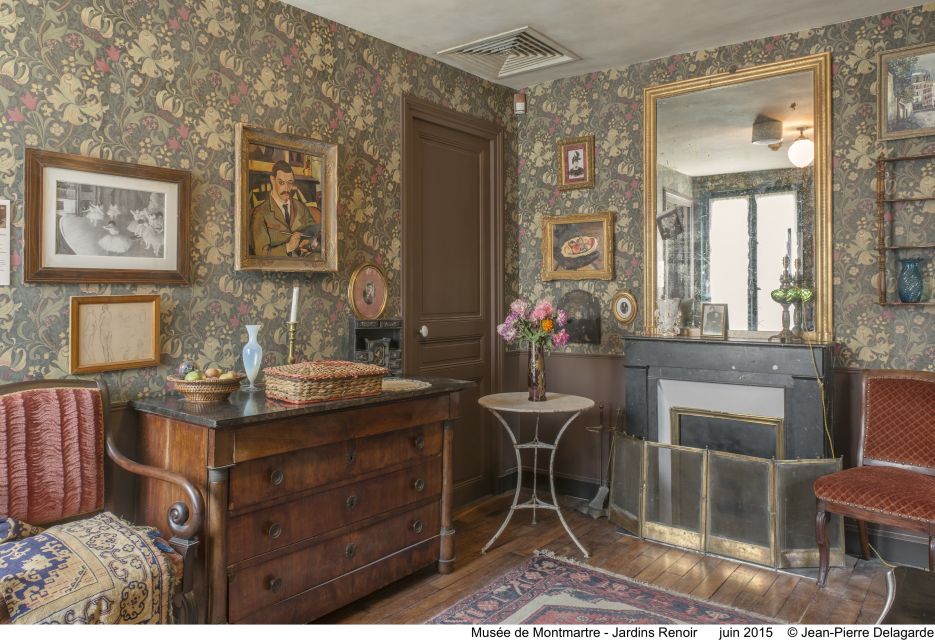
Your ticket includes an audioguide, and the audio tour itself runs about 90 minutes. Think of it as a guided story you can control. If you pause for photos or linger at a display, the guide doesn’t rush you.
The audio content highlights the transformation of Montmartre in the 19th century. It covers when the area was annexed to the city of Paris and how the urban pull changed the countryside feel of Montmartre. After that shift, artists started moving in around 1870, and the cafés and cabarets multiplied in the 1880s.
One of my favorite ways to use an audio guide is to treat it like a playlist with chapters. In this museum, it helps you connect the names and venues into a single timeline. You’ll meet the story of the Chat Noir cabaret, tied to shadow theatre created in 1866 by Henri Rivière and Henry Somm. And you’ll hear how performances, music, circus acts, and dance all fed into Montmartre’s reputation.
The audio also spotlights artists associated with representing those performances, including Toulouse-Lautrec. It’s a useful way to understand why Montmartre became more than a neighborhood—it became a stage for modern art and modern nightlife.
Permanent collection and temporary exhibits: how to prioritize without getting lost
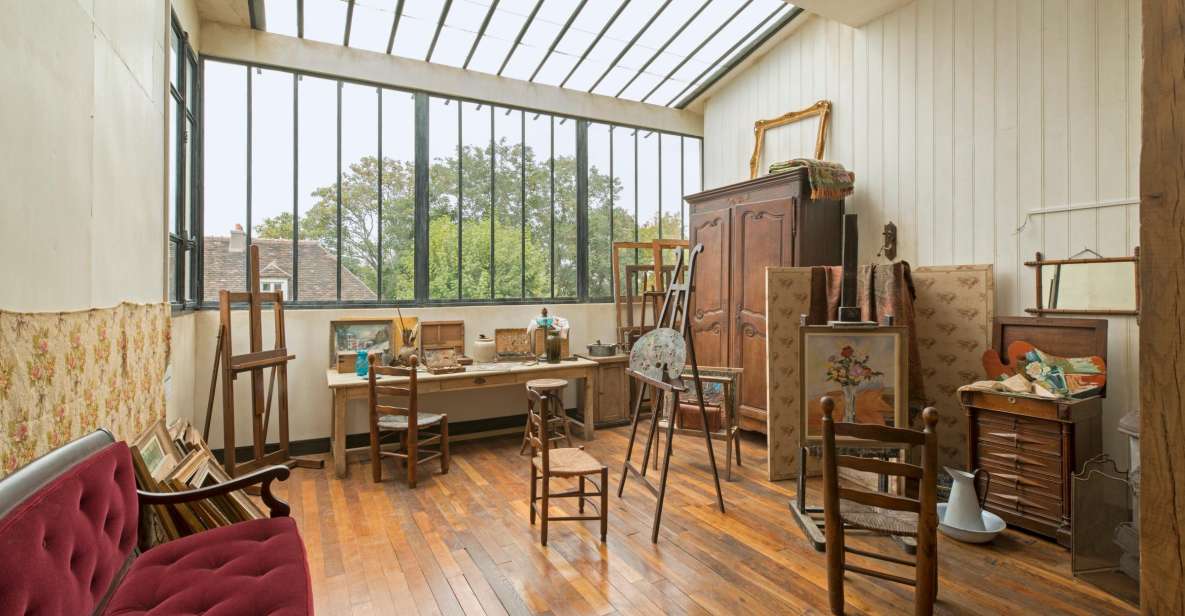
Your ticket covers the museum’s permanent collection plus temporary exhibitions. This is a good setup because the permanent exhibits give you the storyline, while temporary shows add extra angles so you’re not just seeing the same message in every room.
A practical tip: don’t try to sprint room-to-room. The museum is full of spaces, and at least one visit noted that some areas are easy to miss if you don’t follow the signage. So I’d use the audio guide as your backbone, then treat the extra rooms as optional detours—especially if you see an exhibit catching your eye.
Temporary exhibitions can be a highlight. One example mentioned in the experience details is Maximilian Luce, which signals the museum sometimes leans into Impressionist-leaning artists and period connections. That’s worth knowing because it means your visit may be stronger if you like art history tied to place, not just art in a vacuum.
One more heads-up to keep expectations realistic: on at least one occasion, part of the museum was closed (a top floor). That doesn’t sound like a constant issue, but it’s a good reminder to check what’s open when you arrive and adjust your route.
Renoir Gardens and the Montmartre vineyard: the calm part of the day
Once you’ve done the indoor route, the ticket keeps giving through the gardens. The museum includes access to the Renoir private garden, plus the broader outdoor garden spaces.
This is where Montmartre slows down. Reviews and descriptions emphasize luxuriant flora, and the vibe shifts from “learn the story” to “take in the setting.” Even if the weather isn’t perfect, gardens still give you something: shade, scents, and that hillside feeling Montmartre is known for.
There’s also mention of the Montmartre vineyard. If you like details that connect art and everyday life, this is a nice touch. It grounds Montmartre as a working landscape, not only a stage for bohemia.
I suggest you schedule the garden time as a break, not as the last-minute sprint. If you leave it for when the museum is about to close, you’ll feel rushed. Better to treat it as your decompression window.
Café Renoir and the 11:00–18:00 timing: plan a lunch that won’t stress you
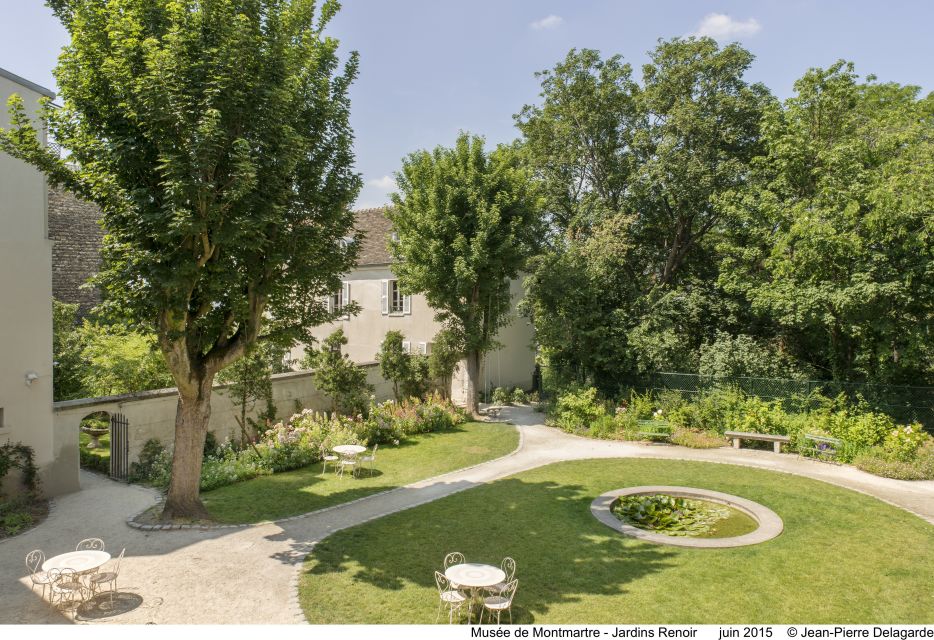
Your entry includes access to the coffee shop, including the Café Renoir area. The café’s published hours are 11:00 AM to 6:00 PM. So if you’re arriving right at opening, you may need to wait if you want lunch or a drink.
The good news: reviews describe it as a relaxing oasis, a place to sit and reset after museum rooms. There’s also mention of chocolate, which is the kind of simple detail that makes a café stop feel worthwhile rather than obligatory.
The caution: there have been occasions where Café Renoir was closed due to a private event. So don’t build your whole day around having the perfect café moment. If the café isn’t available, you can still enjoy the gardens and keep moving at a calmer pace.






Timing and last entry: how to fit it into a Montmartre day
The museum is open from 10:00 AM to 7:00 PM. The last entry is 45 minutes before the halls close, so aim to be done with your final indoor rooms with a little buffer.
Because the audio guide is about 90 minutes, I’d plan for at least a couple of hours total, then add time for the gardens and café stop. If you like to linger over temporary exhibitions, plan closer to half a day, not a quick walk-through.
Montmartre days can get crowded and chaotic outside, with lots of wandering and hills. This museum is designed to be a calmer interior pause, and the gardens extend that calm outdoors.
Value check: is the $16 ticket worth it for what you get?
At about $16 per person, this ticket feels fairly priced for what’s included. You’re getting:
- Entrance to the permanent and temporary exhibitions
- Access to the museum gardens
- Access to the Renoir private garden
- A 90-minute audio guide
- Skip-the-line entry
That’s a lot of “active” time for the price, especially because you aren’t paying extra just to include the outdoors. Many museum tickets only cover indoor rooms, but here the garden portion is part of the experience plan.
The value changes slightly depending on your preferences. If you want a live guide—someone to answer questions on the spot—you’ll miss that piece, since the ticket does not include a live guide. But if you’re comfortable using an audio guide and exploring at your own pace, it’s a strong bargain.
Who should book this Musée de Montmartre ticket?
Book it if you want Montmartre as a story, not just as a viewpoint. This works especially well if you like:
- Art and performance history tied to specific names and venues (like Chat Noir and shadow theatre)
- A calm break from the busy streets, with gardens and vineyard elements
- A museum visit you can pace yourself through with an audio guide
It’s also a good choice for people who don’t want to fight a long line. Skip-the-line entry helps you get moving fast.
Families can enjoy it, but one practical note showed up in the experience details: the café may not be ideal for picky kids. If that’s your situation, consider bringing a snack plan or timing your meal carefully.
Should you book this ticket?
Yes—if you’re planning a Montmartre day and you want more than photos. The Bel Air House setting and the story-driven audio route make the district’s artistic shift feel clear. The gardens and Renoir access add real value, turning the visit into a whole half-day experience instead of a quick stop.
I’d say skip this only if you strongly prefer a live guide (this ticket doesn’t include one) or if you’re short on time and can’t spare the audio plus garden pacing. Otherwise, for $16, this is one of the more comfortable ways to understand why Montmartre became famous for artists, stages, and night after night of performances.
FAQ
What is included in the Musée de Montmartre ticket?
Your ticket includes entrance to the museum’s permanent and temporary exhibitions, access to the museum gardens and coffee shop, skip-the-line entry, access to the Renoir private garden, and an audioguide.
How long does the audio guide take?
The audio tour lasts about 90 minutes, and you’re welcome to stay and explore at your own pace.
Is there a live guide included?
No. This experience includes an audioguide, not a live guide.
What are the museum opening hours and last entry time?
The museum is open from 10:00 AM to 7:00 PM. Last entry is 45 minutes before the halls close.
What time is Café Renoir open?
Café Renoir is open from 11:00 AM to 6:00 PM.
Can I skip the ticket line?
Yes. The ticket includes skip-the-ticket-line access so you can go directly to your visit.
Where do I show my voucher?
Show your voucher at the museum entrance.
How much does it cost?
The price is about $16 per person.
Is there free cancellation?
Yes. Free cancellation is available up to 24 hours in advance for a full refund.