REVIEW · PARIS
Paris: Eiffel Tower Stairs Climb to Level 2 & Summit Option
Book on GetYourGuide →Operated by City Wonders Ltd. · Bookable on GetYourGuide
704 steps changes how you see Paris. This guided Eiffel Tower experience turns a famous landmark into a physical, step-by-step story—starting with a prepped introduction and ending with wide-open viewpoints you’ll actually remember. I love the 704-step climb to the 2nd floor, because it makes the tower feel human-sized instead of just postcard-tall.
I also love the mix of moments at different heights: that glass floor on the 1st floor (suspended 57 meters up) and the guided “look-this-way” panorama from the 2nd floor. One drawback to keep in mind: it’s not skip-the-line, so you can face real waits for security and ticketing—especially in peak months.
Key things that make this Eiffel Tower climb worth your time
- 704 steps to the 2nd floor: a workout with built-in rewards
- Glass floor at 57 meters: a nerve-tingle stop before the big views
- 360-degree panorama from level 2: you’ll spot major landmarks from multiple angles
- Expert guide stories during waiting and climbing: you stay busy, not bored
- Summit option: Gustave Eiffel’s original office plus the highest platform (when accessible)
- Clear, specific meeting point: not at the tower, which saves time once you know where to go
In This Review
- Finding the Meeting Point Near École Militaire (Not at the Tower)
- What the 704-Step Climb Really Does for Your Eiffel Tower Visit
- Security and Ticketing Waits: The Real Part of the Schedule
- First Stop: Eiffel Tower 1st Floor, Including the 57-Meter Glass Floor
- Up to Level 2: The Stair Experience Becomes a Story
- Level 2: Where You Get the 360-Degree Panorama
- The Summit Upgrade: Eiffel’s Office and the Highest Platform (If It’s Open)
- Taking the Stairs Back Down (And How to Enjoy It)
- Who This Tour Fits Best (And Who Should Rethink It)
- Value for $42: What You Pay For (and What You Don’t)
- The Guide Factor: Names People Consistently Mention
- Quick Practical Tips Before You Go
- Should You Book This Eiffel Tower Stairs Tour?
- FAQ
- How many stairs do you climb?
- Is the summit included?
- Where do you meet your guide?
- What time and duration should I plan for?
- What language is the guide?
- What should I bring, and what isn’t allowed?
- Is this suitable for everyone?
Finding the Meeting Point Near École Militaire (Not at the Tower)
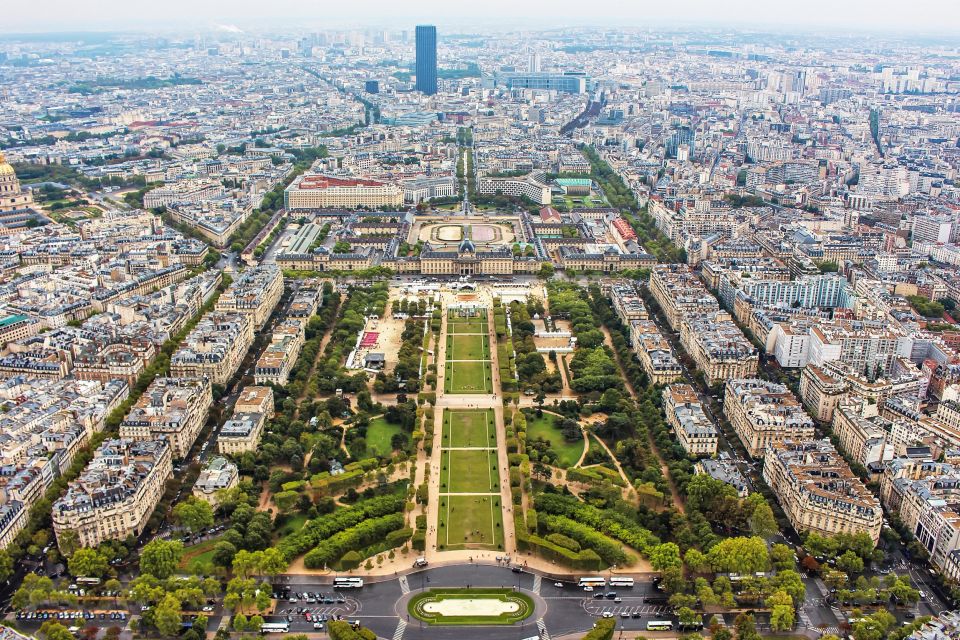
You start away from the Eiffel Tower itself, at 2 Av. Elisée Reclus, where a City Wonders representative in blue holds a sign. The catch is simple: you can’t assume you’ll just meet your group at the tower plaza. If you plug the wrong pin into your map app, you’ll burn time—so aim for the intersection of Avenue Silvestre de Sacy and Avenue Elisée Reclus.
Getting there is straightforward. The nearest metro station is École Militaire on Metro Line 8 (about a 15-minute walk), and RER C at Champs de Mars is another nearby option.
If you’re running late, don’t gamble. Late arrivals can’t be accommodated, and missed tours or tickets can’t be refunded. Plan to arrive early and let the guide handle the check-in rhythm.
What the 704-Step Climb Really Does for Your Eiffel Tower Visit
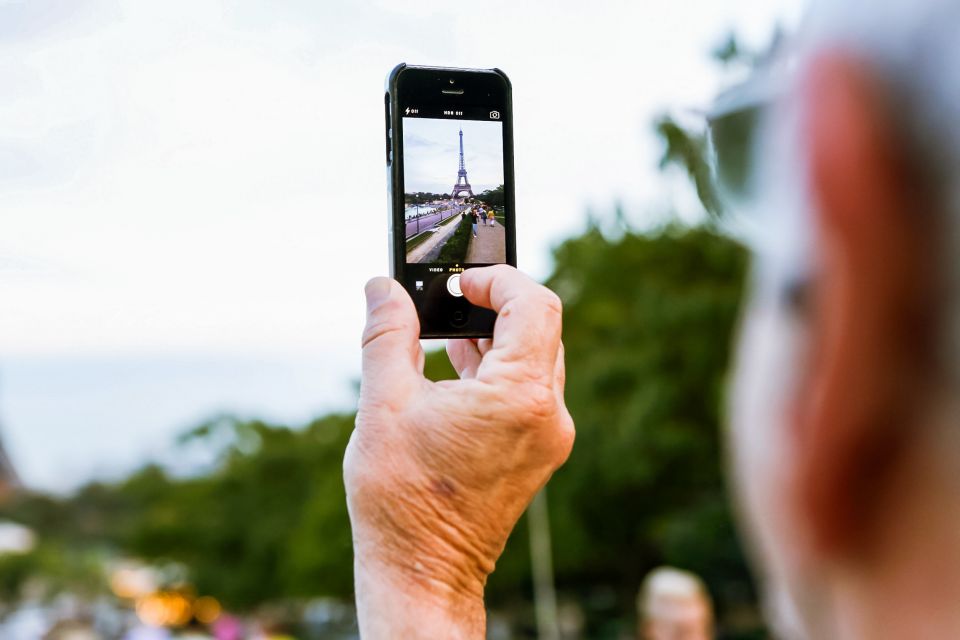
This is not the elevator-only Eiffel Tower. The core experience is climbing up to the 2nd floor by stairs, with 704 steps along the way. That sounds like a number on paper—until you feel it. The stairs change the pacing of the whole visit. You’re moving upward with purpose, and the structure becomes part of the experience instead of a backdrop.
You also get the practical benefit of going higher earlier in the route. You’re not spending your precious Eiffel time only at the top with a wall of people around you. By the time you reach the viewing levels, you’ve already built context—how the tower holds itself, how the iron lattice frames the city, and why certain angles feel better than others.
This climb is also where the guide matters most. On the way up, you’ll hear stories about the tower’s creation, plus near-demise moments that give the tower some real drama. And because you’re climbing, you’re not waiting in silence. You’ll get explanations as you go, step by step.
You can also read our reviews of more tours and experiences in Paris.



Security and Ticketing Waits: The Real Part of the Schedule
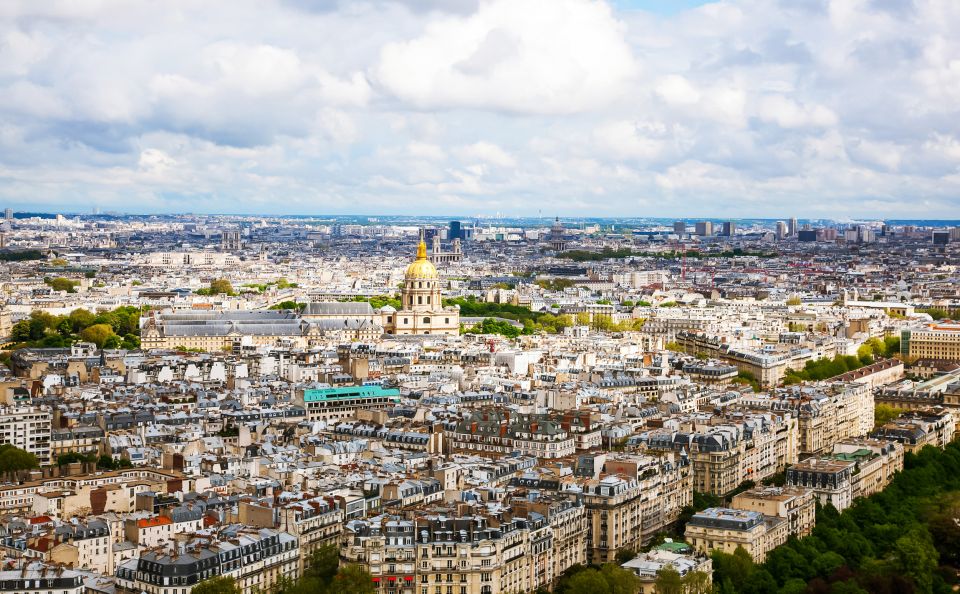
Here’s the honest truth about Eiffel Tower timing: even with a guided plan, you’re still dealing with security and ticketing. This activity is not described as priority access or pre-reserved ticket skipping. So you should budget for lines.
In peak season (April to October), on school holidays and weekends, expect at least 30 minutes for security and 45 minutes to buy your ticket. In low season (November to March), it’s typically at least 15 minutes for security and 30 minutes at the ticket desk.
Your best strategy is mindset. If you assume it’ll be quick, you’ll feel annoyed. If you assume it will take time, you’ll be grateful that the guide fills the waiting periods with engaging stories and historical context. The tour itself typically runs around 2 hours, but waits can extend it (and the overall duration can reach up to 210 minutes).
First Stop: Eiffel Tower 1st Floor, Including the 57-Meter Glass Floor
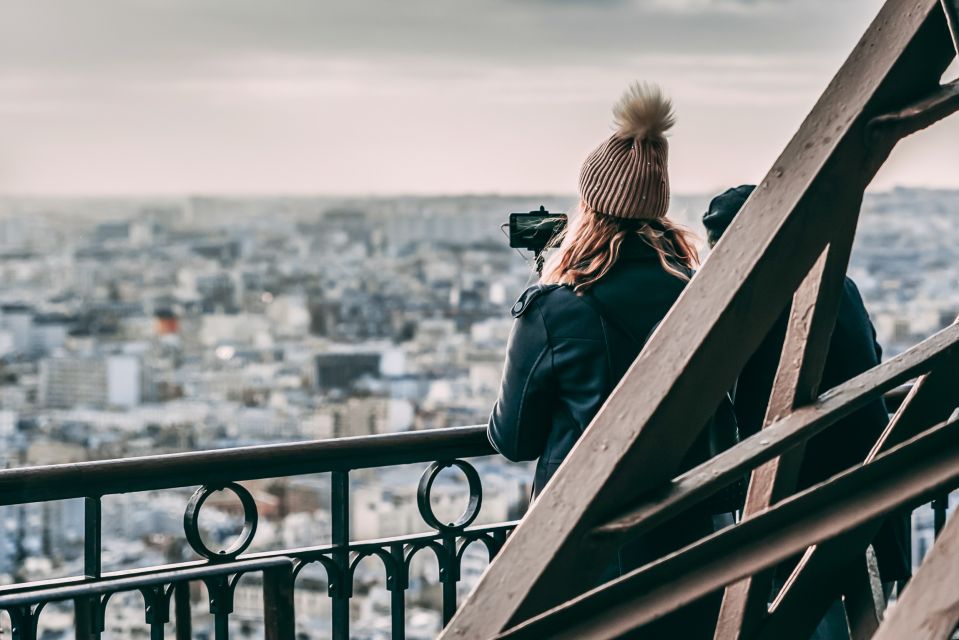
The tour begins with a guided segment on the 1st floor. This is where the Eiffel Tower shifts from “big monument” into “designed structure you can stand inside.”
One highlight you’ll want to plan around is the glass floor suspended 57 meters above the ground. Even if you’re not a thrill seeker, it’s a fun way to break the climb into stages. It also gives you an early sense of scale—how the city looks once you’re truly off the ground.
You’ll also get a guide-led introduction to the tower before the ticket queue. That intro isn’t just trivia. It helps you look at what you’re seeing with purpose, so the next views feel earned instead of random.
Up to Level 2: The Stair Experience Becomes a Story
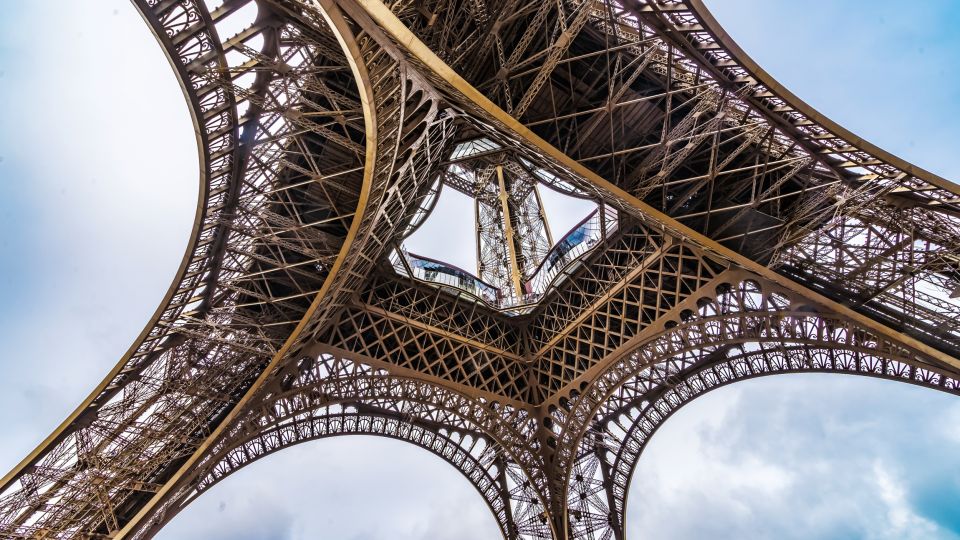
After the 1st floor segment, you’ll start the ascent. The key promise here is that you climb to the 2nd floor by stairs as part of the guided experience, hitting those 704 steps on the way up. This is the moment where your effort converts into perspective.
As you climb, you’ll hear anecdotes about how the tower came to be—and the near-disaster moments that almost changed its fate. That context matters. When you understand what was at stake during construction, the tower stops feeling like a simple tourist stop and starts feeling like an engineering gamble that paid off.
Pace is important. The tour is designed to keep you moving steadily with your group, and your guide will help manage the energy so you don’t burn out too early.
Level 2: Where You Get the 360-Degree Panorama
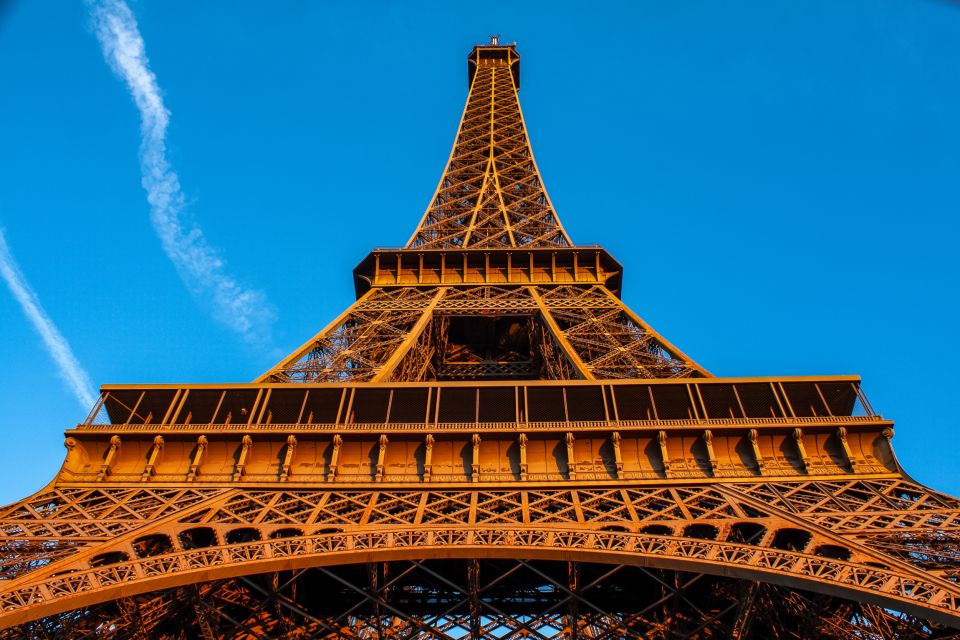
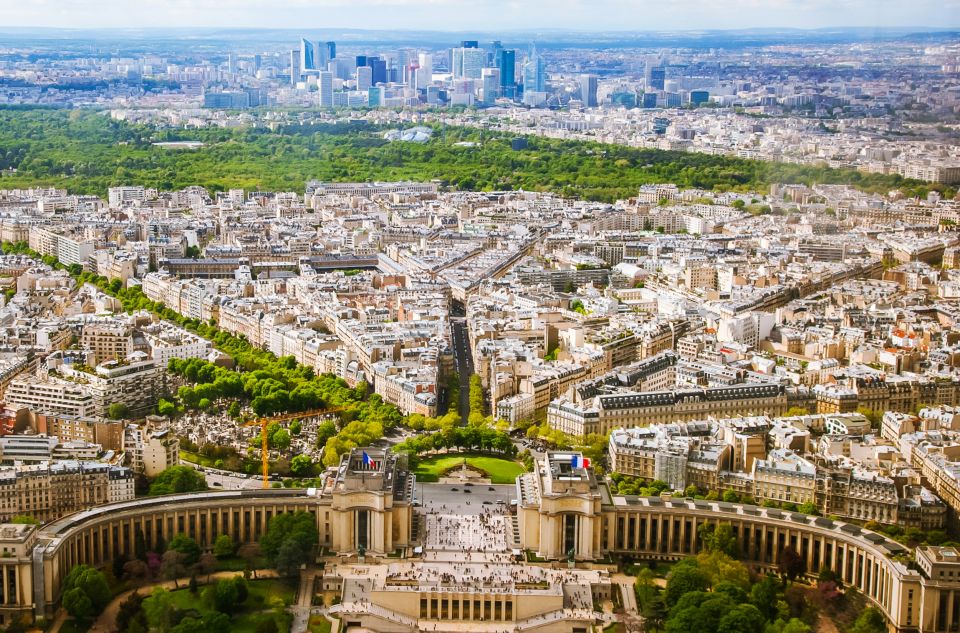
Reaching the 2nd floor is the payoff. You’ll get a photo stop, then time to visit, plus guided explanations as you take in the 360-degree panorama. From this height, Paris spreads out in layers—streets, rooftops, and the big city icons that feel close enough to point at.
This is also where landmarks like the Arc de Triomphe come into view (and your guide will help you orient yourself). You’ll likely notice that the tower doesn’t just offer one good angle—it offers multiple. Each turn frames a different slice of the city.
The best part is that you’re not just looking. You’re listening and matching what the guide says to what you can actually see. That makes the whole deck time feel guided and intentional, not just “stand here and take photos.”





The Summit Upgrade: Eiffel’s Office and the Highest Platform (If It’s Open)
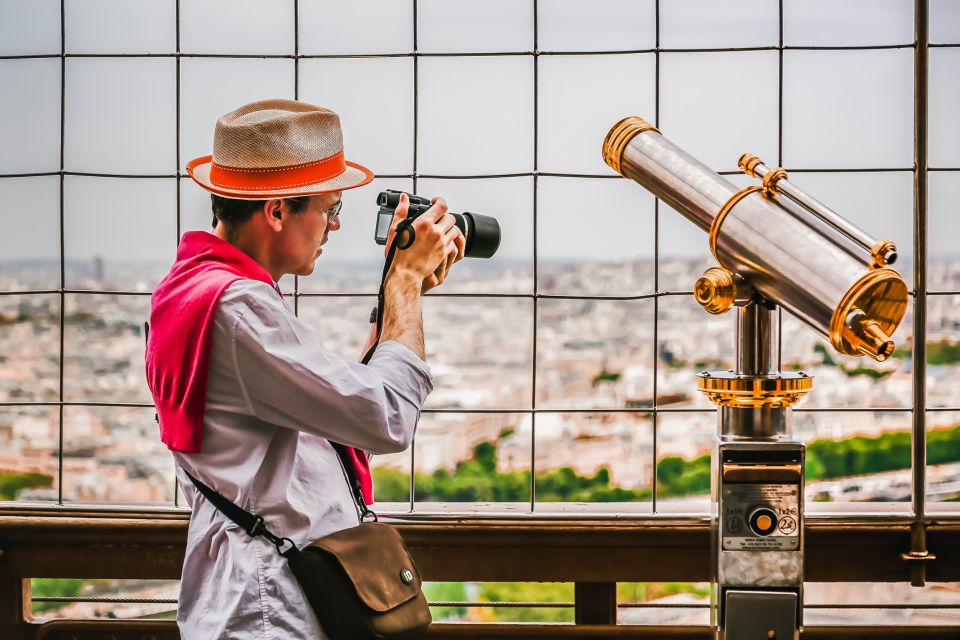
This tour can include a summit option, but only if you select it at booking time. The summit experience is described as giving access to Gustave Eiffel’s original office plus the highest platform for panoramic views.
That’s a real incentive if you want the “top of the top” feeling. And because you’re already climbing to level 2, you’ll have a sense of progression—rather than jumping straight to the highest viewpoint.
One caution: the summit may not be accessible for operational reasons, capacity control, or weather. If it isn’t available even after reopening during your visit window, the price of the summit access is refunded within 8–10 days. So you should treat the summit as a bonus that’s subject to tower conditions, not a guarantee.
Taking the Stairs Back Down (And How to Enjoy It)
After you finish admiring the level 2 views, you’ll take the stairs back to ground level. This down portion can be surprisingly calming. You’ve already gotten the big skyline moments, so your attention shifts from “getting higher” to “getting present.”
If your legs are tired, this is a good time to slow your pace and keep your footing. The route doesn’t change your view much on the way down, but it can help you absorb what you already saw without the pressure of rushing to the next platform.
Also, keep your water handy. Comfortable shoes are more important than you think for a day that includes a long staircase climb.
Who This Tour Fits Best (And Who Should Rethink It)
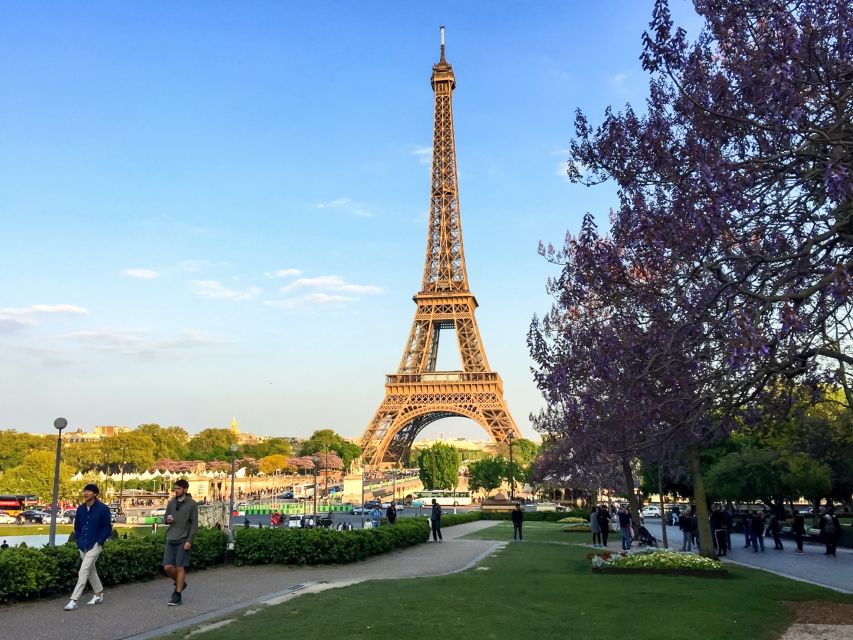
This experience is designed around stairs and views. That makes it great for people who like effort with rewards, and for anyone who wants more than a standard Eiffel photo stop.
It’s not suitable for:
- people with mobility impairments
- wheelchair users
- people with heart problems
- people with vertigo
It also bans baby strollers and luggage/large bags, so travel light.
If you’re the type of person who likes structure—clear steps, clear stops, and a guide turning the climb into a story—this fits perfectly. If you hate queues and hate stairs, you’ll probably feel the pressure of both.
Value for $42: What You Pay For (and What You Don’t)
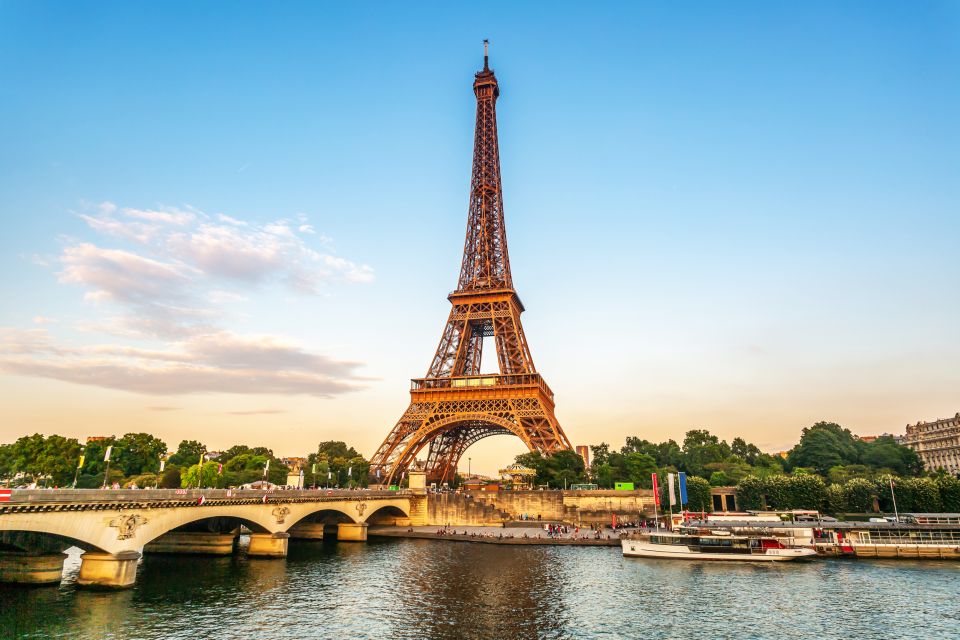
At about $42 per person, the value comes from the combination: guided time at the 1st and 2nd floors, entry tickets for those levels, and a staircase route that changes the experience. You’re also getting practical guidance during waits, not just silence until the line moves.
What you should recognize: you are not buying a guaranteed “no waiting” pass. Since priority access isn’t included, your enjoyment depends partly on timing and patience. In peak periods, the waiting times for security and the ticket desk can add up fast.
If you add the summit, that’s a meaningful upgrade—especially for Gustave Eiffel’s office and the top platform—though it’s subject to availability. If you select an option including a Seine River Cruise ticket, you’re bundling another classic viewpoint piece into the day. That can improve value if you’re already planning to do the cruise anyway.
The Guide Factor: Names People Consistently Mention
The biggest difference between a chaotic Eiffel Tower visit and a smooth one is the guide. People repeatedly praise specific guides for keeping the climb engaging and handling the group with care.
Names that come up often include Sunny, Melanie, Angela, Ana, Aya, Ellen, Angela again, and Prabhav Pranshu (plus Daniel, Maria, Nina Inic, Masha, and Emilio). The common thread across these comments is simple: guides help you get more out of each height, and they keep energy up during the queue—when most people would otherwise get bored or stressed.
You don’t need a perfect guide, but you do benefit when your guide:
- points out what you can actually see
- shares stories that connect to the tower’s design
- keeps a steady pace so the group doesn’t spiral into fatigue
Quick Practical Tips Before You Go
Bring comfortable shoes and water. Don’t pack anything that counts as luggage or a large bag—those are not allowed. If you’re planning photos, remember the glass floor moment on the 1st floor and the panorama time on the 2nd floor are the two “camera-first” moments.
For summit hopes, consider timing seriously. One piece of advice given in comments is to book in the morning—not as a magic trick, but because summit access can be affected by conditions and capacity.
And if you’re a first-timer, I’d do this early in your Paris days. A good Eiffel viewpoint helps you understand where sights sit relative to each other, so the rest of your sightseeing becomes easier.
Should You Book This Eiffel Tower Stairs Tour?
Yes—if you want more than an elevator ride. The stairs to the 2nd floor, the guided context, and the multi-height experience (including the 57-meter glass floor) turn a famous landmark into an active memory. At around $42, it’s also a strong value when you factor in the guided time and included entry for the 1st and 2nd floors.
Think twice if you:
- can’t handle stairs or have health concerns tied to exertion
- hate waiting and get cranky fast with lines
- expect true skip-the-line access (it’s not positioned that way)
If you’re okay with some lines and you’re excited by views that come after effort, this is an easy yes for an Eiffel Tower day that feels earned.
FAQ
How many stairs do you climb?
The climb to the 2nd floor is 704 steps.
Is the summit included?
The summit access is included only if you select the summit option at booking time. It may still be unavailable due to operational reasons or weather, and then the summit access price is refunded.
Where do you meet your guide?
You meet at the intersection of Avenue Silvestre de Sacy and Avenue Elisée Reclus (not at the Eiffel Tower). A City Wonders representative in blue holding a City Wonders sign will be there.
What time and duration should I plan for?
The tour is listed as 2 hours to 210 minutes, with the note that security and ticket lines can extend the time.
What language is the guide?
The live guide is available in English and Spanish.
What should I bring, and what isn’t allowed?
Bring comfortable shoes and water. Baby strollers and luggage or large bags aren’t allowed.
Is this suitable for everyone?
No. It isn’t suitable for people with mobility impairments, wheelchair users, people with heart problems, or people with vertigo.