REVIEW · PARIS
Paris Culinary Tour: 11 Tastings & 2 Wines in Le Marais
Book on GetYourGuide →Operated by Devour Tours · Bookable on GetYourGuide
Le Marais has a way of making food feel personal. This Paris Culinary Tour pairs classic French comfort with surprising stops like Moroccan crepes and French-Syrian pastry nests, all in one smooth 210-minute walk. I especially love how you get a real 11 tastings & 2 wines feeling—enough for a full meal—without the tourist trap vibe. One thing to keep in mind: it is not suitable for celiac disease or gluten intolerance due to cross-contamination risk.
What makes it work is the mix of shops and the guide-led context. You’ll start with bread-and-butter-level basics from Poilâne, then move through markets and family-run businesses while learning how each bite fits into Paris life. The pace is moderate, and the group is small (max 10), which helps you actually hear what’s going on rather than shout over a crowd.
If you’re the type who likes your Paris with a fork in hand, this is a strong pick. You’ll finish at a natural-wine stop, and you’ll likely leave with a short list of places you want to return to on your own.
In This Review
- Key things I’d circle on your map
- Why Le Marais tastes like a smart Paris shortcut
- The walking pace and the 210-minute timing you should plan for
- Stop-by-stop: Poilâne to natural wine, with 11+ tastings along the way
- 1) Poilâne (starting area): croissant + sourdough that sets the bar
- 2) Le Traiteur Marocain: savory Moroccan crepes with a Paris adaptation story
- 3) Jean-Paul Hevin – Marais (The Chocolate Bar): macarons and top-tier chocolate
- 4) Sacha Finkelsztajn – La Boutique Jaune: a Jewish quarter pastrami stop
- 5) La Chaise au Plafond: a classic bistro lunch and how to eat it right
- 6) Maison Aleph: French-Syrian pastry nests and a flavor crossover
- 7) Fromagerie Laurent Dubois: artisan cheese flight
- 8) La Chablisienne Cave Saint-Paul: two wines and a natural-wine finish
- How much value you’re really getting from the $140 price
- The guides: what you gain from a good host
- Who this tour is best for (and who should skip it)
- Practical advice to make the day go smoothly
- Should you book the Paris Culinary Tour in Le Marais?
- FAQ
- How long is the Le Marais Paris Culinary Tour?
- What’s the group size?
- How many food and drink tastings are included?
- Where does the tour start and finish?
- Is this tour fully vegan?
- Is it okay for lactose intolerance?
- Can people with celiac disease or gluten intolerance join?
- Are non-alcoholic options available?
- What language is the tour guide in?
Key things I’d circle on your map
- Poilâne start: flaky butter croissant plus homemade sourdough bread at a true Paris staple
- Markets with backstory: Moroccan savory crepes and the way they adapted to French tastes
- Chocolate with credentials: a master chocolatier with Meilleur Ouvrier de France recognition
- Jewish quarter meal stop: a warm pastrami sandwich in a neighborhood with long roots
- Lunch like a bistro, not a show: classic French onion soup style dining guidance
- Finale pairing: artisan cheese flight plus two wines, ending with a natural-wine owner chat
Why Le Marais tastes like a smart Paris shortcut
Le Marais is where Paris gets busy, but in a good way. You’re close to the action, yet the tour keeps steering you toward long-running shops where people come in for bread, cheese, and sweets like clockwork.
The tour also avoids the all-dessert problem. Yes, you’ll hit macarons and chocolate, but you’ll also get savory staples: bread, crepes, pastrami, bistro soup, and cheese. That balance matters because it feels like a meal progression, not random snacking.
And the small-group size (up to 10) is a real advantage here. You can ask questions, you can hear shopkeeper conversations, and you don’t feel like a number in a line.
You can also read our reviews of more wine tours in Paris



The walking pace and the 210-minute timing you should plan for
This is a walking tour with a moderate pace. Plan on wearing comfortable shoes and giving yourself enough energy for several short stretches between stops.
The 210 minutes works best if you treat it as lunch and afternoon plans rolled into one. The tastings are designed to be enough for a full meal, so I’d skip a heavy breakfast beforehand. If you usually eat lightly in the morning, you’ll feel great at Poilâne.
You’ll also want to factor in that the tour can’t use strollers, and it’s not suitable for mobility impairments. If you fall into that category, look for a different format that’s less dependent on sustained walking.
Stop-by-stop: Poilâne to natural wine, with 11+ tastings along the way
Here’s how the experience reads when you walk it step by step. I’m using the named stops and what you’ll be tasting and learning at each one.
1) Poilâne (starting area): croissant + sourdough that sets the bar
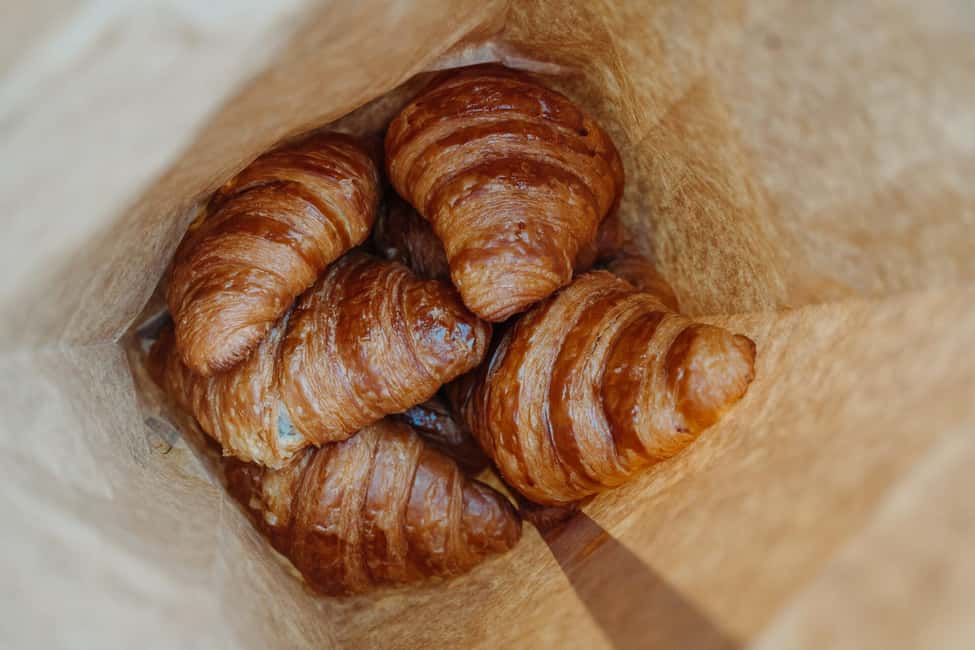
You kick things off at Poilâne (one of the two common starting options). Expect the kind of butter croissant that makes you understand why people line up for bread in Paris, plus homemade sourdough bread.
This start is smart. It trains your palate right away—flaky layers, buttery perfume, and that tang that sourdough brings. It also gives the guide a natural entry point for explaining the family and why this style of baking matters in the city’s food culture.
If you’re a bread fan, Poilâne is where you’ll likely say, ok, I’m in the right place.
2) Le Traiteur Marocain: savory Moroccan crepes with a Paris adaptation story
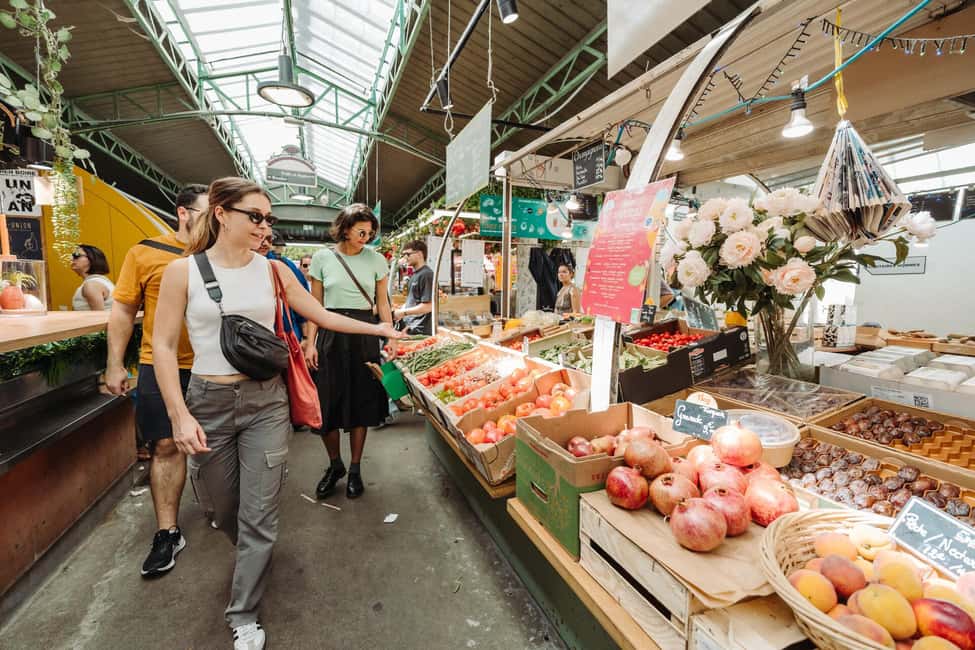
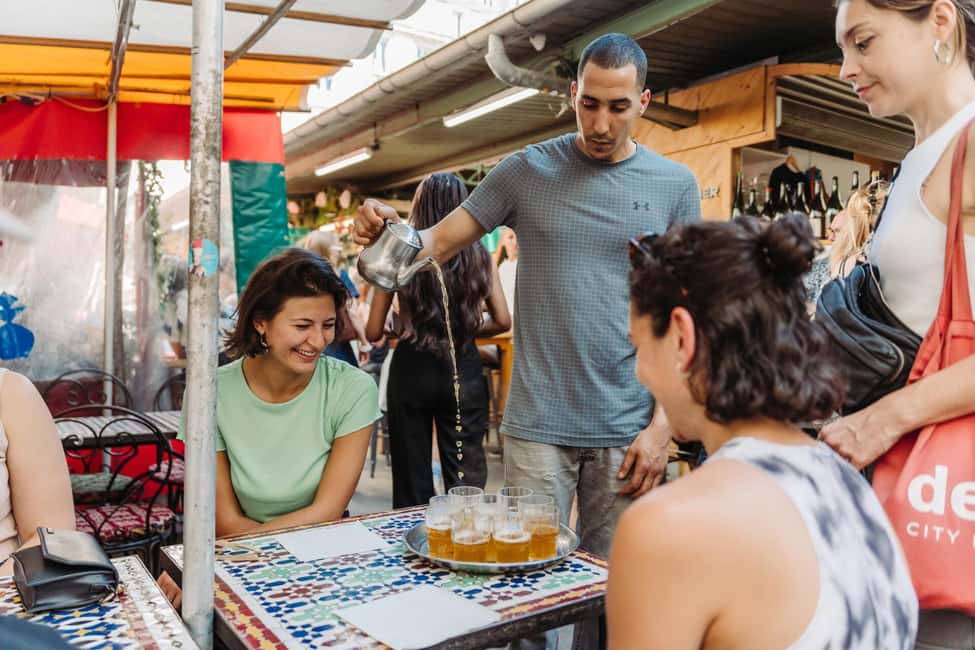
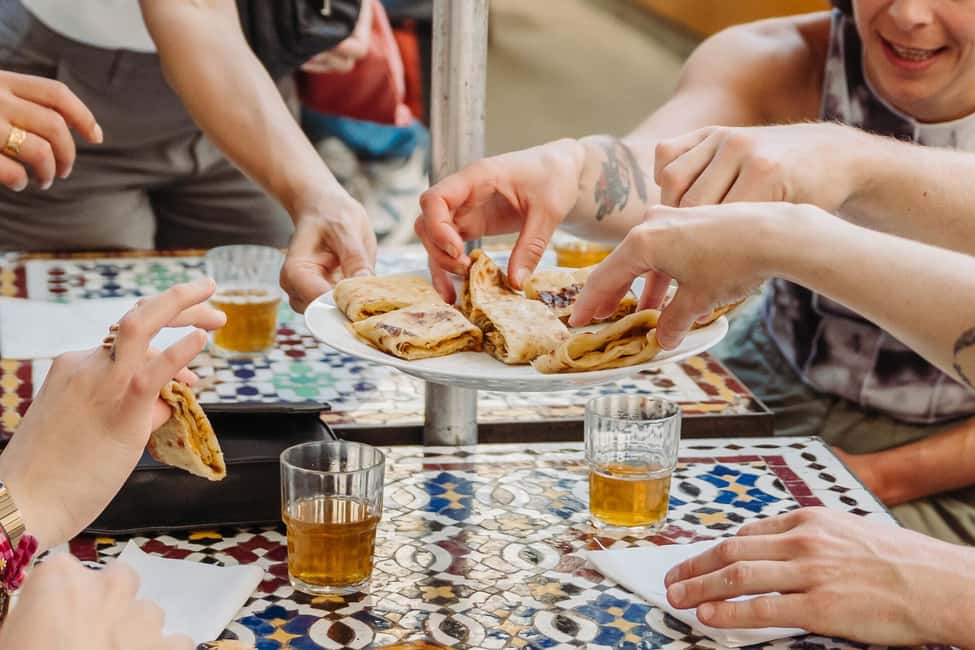
Next you head toward Paris’ oldest covered market area. At Le Traiteur Marocain, you’ll taste a savory Moroccan crepe.
What I like here isn’t just the food—it’s the context. You’ll hear how Moroccan street food connections traveled and adapted to French tastes. That kind of explanation makes the bite feel bigger than lunch.
It’s a good palate reset too. After buttery pastry, a savory crepe rebalances you before sweets and chocolate take over.





3) Jean-Paul Hevin – Marais (The Chocolate Bar): macarons and top-tier chocolate
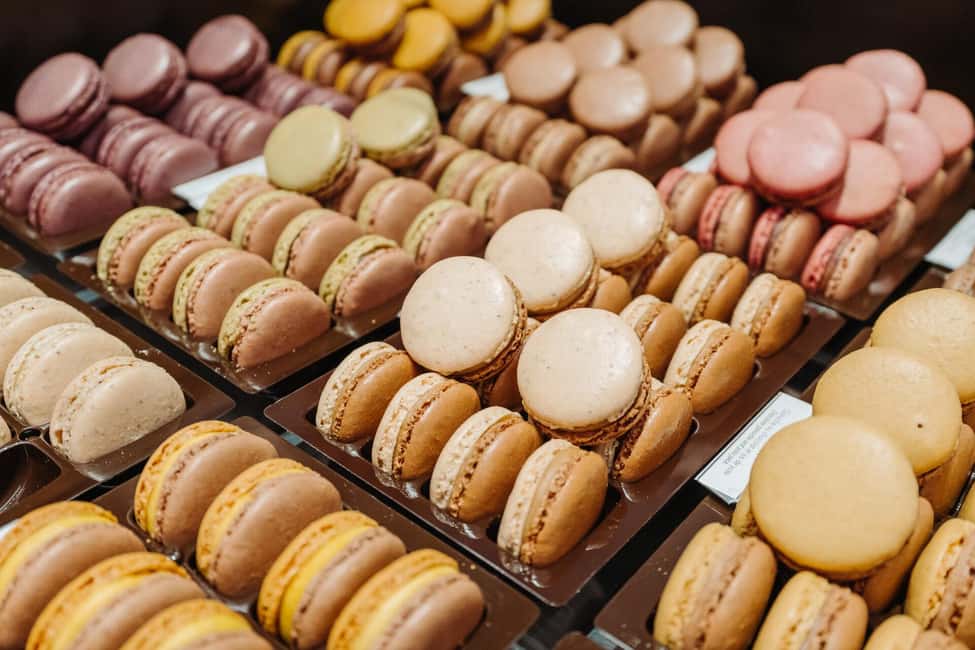
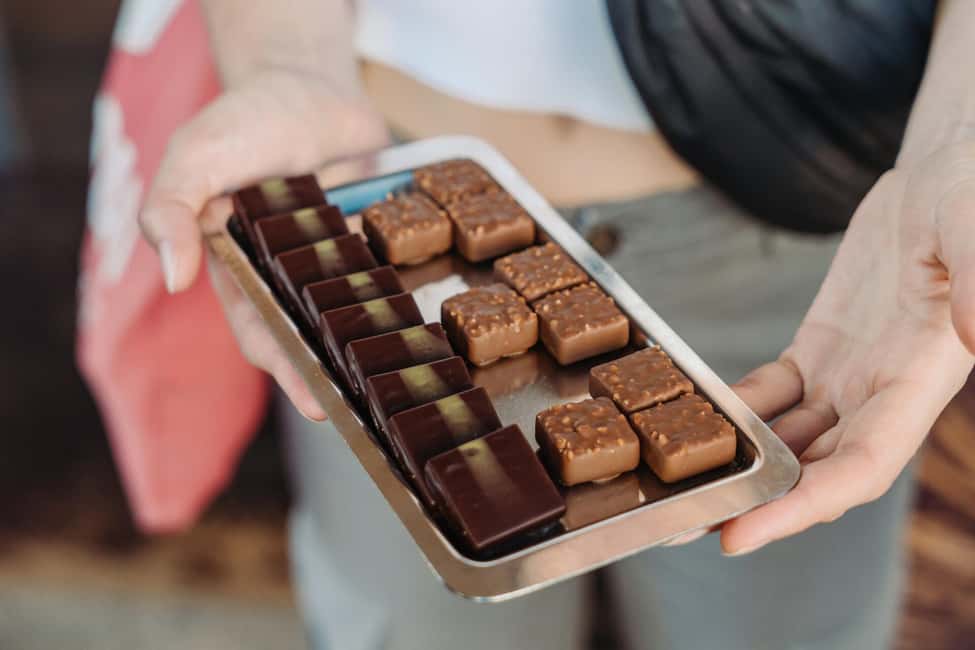
Then comes the sweet pivot at Jean-Paul Hevin – Marais, specifically The Chocolate Bar. You’ll get tastings that should put macarons near the top of your list, along with high-quality chocolate.
This stop has extra credibility because the chocolatier holds Meilleur Ouvrier de France status, an award reserved for top craftsmen. Translation: you’re tasting something where technique is part of the flavor, not just branding.
Even if chocolate isn’t your main thing, I think this stop works because it connects craft and terroir thinking—what changes when ingredients are treated like they matter.
4) Sacha Finkelsztajn – La Boutique Jaune: a Jewish quarter pastrami stop
After chocolate, the tour does a short historical walk through the Jewish quarter. You’ll stop at Sacha Finkelsztajn – La Boutique Jaune, a beloved family-run bakery for a warm pastrami sandwich.
This is a key moment because it grounds the tour in something hearty and distinctly “meal-like.” You’re not just eating for variety; you’re eating something you’d reasonably want for lunch on a real Paris day.
It’s also where the neighborhood context hits. Seeing how community roots stay visible today adds a layer that pure food tours often miss.
5) La Chaise au Plafond: a classic bistro lunch and how to eat it right
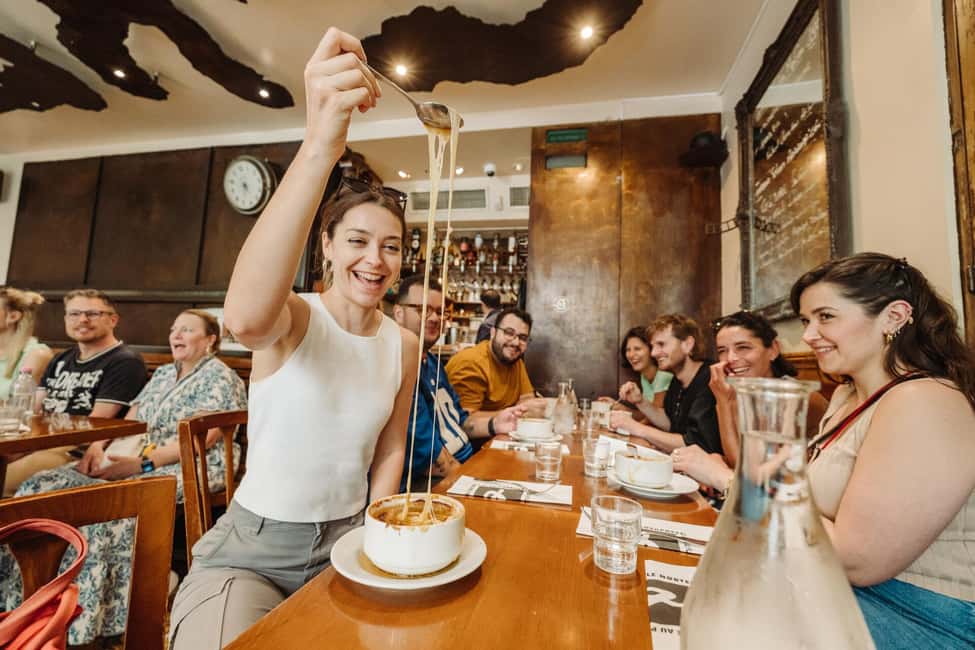
Next you sit down for lunch at La Chaise au Plafond, a classic French bistro stop. You’ll learn how Parisian dining works at bistro pace, and you’ll taste classics like French onion soup (or other traditional bistro dishes offered during your visit).
I like this pause. Between market snacks, chocolate, and sandwiches, a sit-down meal keeps the tour from feeling like you’re speed-running your way through flavor.
Also, there’s a practical side to the guidance. You don’t need a French language lesson to order well, but a little bistro know-how helps you feel relaxed once you leave the tour.
6) Maison Aleph: French-Syrian pastry nests and a flavor crossover
Then comes the pastry experience with a Syrian twist. At Maison Aleph, you’ll taste pastry “nests” that blend Syrian flavors with French patisserie techniques.
This is one of the tour’s most interesting ideas: it doesn’t treat immigrant influence as a side note. It treats it like part of modern Paris cooking—something you can taste in real shops, not just in history books.
If you like desserts that aren’t overly sweet, this stop can be a standout. It’s the kind of bite that makes you think about spices, texture, and technique in the same moment.
7) Fromagerie Laurent Dubois: artisan cheese flight
Next is a cheese-focused stop at Fromagerie Laurent Dubois, where you’ll taste a flight of artisan cheeses.
A flight matters because it gives you comparison. You start to notice differences in texture and aging style rather than just tasting one cheese and moving on. It also pairs naturally with the wines that follow.
Cheese is where I’d expect many people to slow down and actually talk—this is the point where flavor nerds wake up.
8) La Chablisienne Cave Saint-Paul: two wines and a natural-wine finish
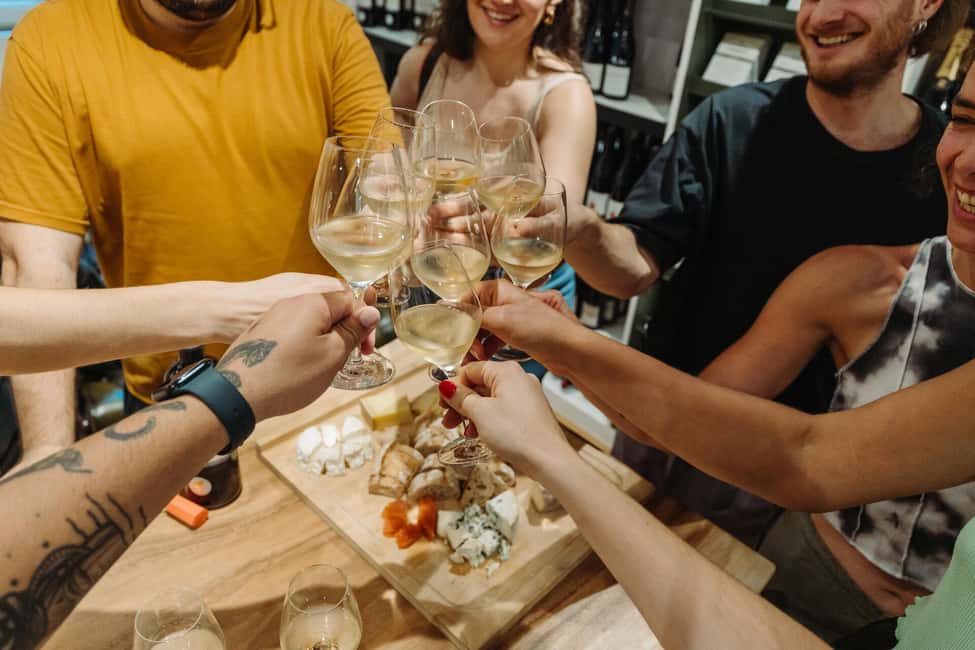
To wrap up, you finish at La Chablisienne Cave Saint-Paul. You’ll do a wine tasting (30 minutes) and end at a natural-wine spot where you meet the owner and hear about the world of natural wines.
Two wines are included, and this stop closes the loop from food to drink. I like that it’s not just about what you’re tasting; it’s also about how the producer thinks and why natural styles appeal to certain palates.
Finish time and exact flow can vary depending on the day, but the ending is built to leave you with a story, not just a receipt.
How much value you’re really getting from the $140 price
At $140 per person for about 3.5 hours, the math is pretty forgiving when you factor in what’s included. You get local English-speaking guidance, expertly guided walking time, 11+ food tastings, and two wines, plus a lunch sit-down.
If you treat it like 13 included items (11+ tastings plus 2 wines), you’re roughly around $10 to $12 per tasting/drink. That’s not “budget,” but it’s also not inflated when you’re tasting from established makers and sitting for a bistro lunch.
What makes the value feel real is the shop selection. This tour leans on businesses you could easily miss on your own—and that matters in a city where the internet can lead you to the same handful of places.
Also, the small group size (max 10) keeps the experience personal. You’re paying for access, context, and time—not just for food quantity.
The guides: what you gain from a good host
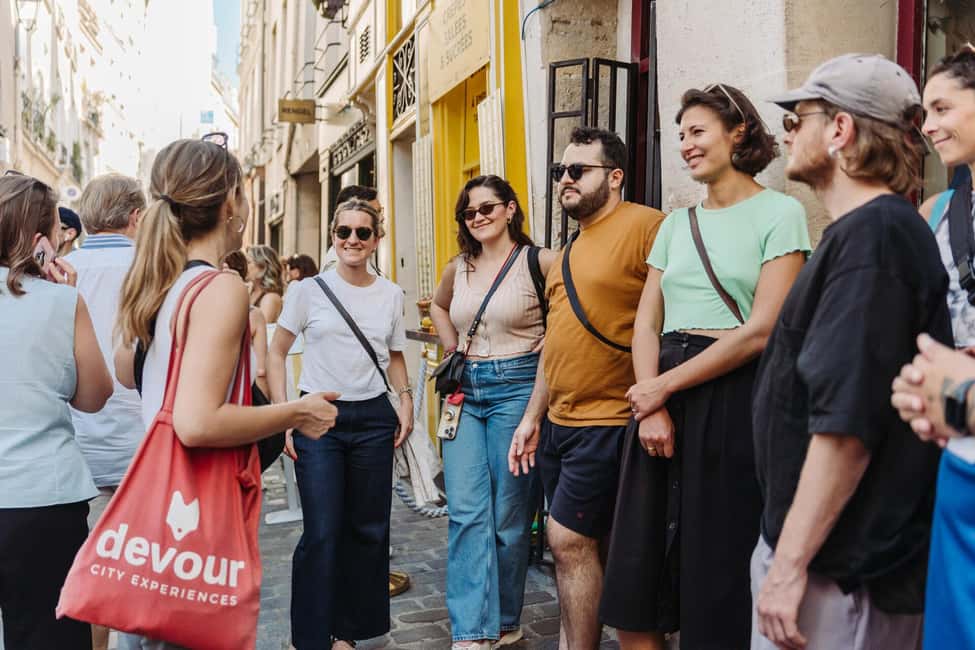
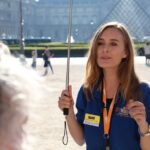
One big reason this tour consistently earns high marks is the guide skill. You’ll hear names like Davide, Vanessa, Sam, Arturo, Emily, Alice, and Anne Lorraine associated with this experience, and the common thread is a blend of food explanations and Paris context.
A good guide also helps you taste more, not just eat more. When the guide connects Moroccan crepes to French colonialism-adjacent history, or when they point out what to notice in a Meilleur Ouvrier de France chocolatier’s craft, you end up with a fuller memory of the meal.
And since you pass real shopfronts and can talk with people at the businesses, your visit feels less staged.
Who this tour is best for (and who should skip it)
This is a good fit if you:
- Want a full meal worth of tastings without planning each stop yourself
- Like a mix of classic French and cross-cultural flavors
- Enjoy wine and are happy to end with a natural wine conversation
- Prefer small groups with real guide interaction
It may not be your best choice if you:
- Need a fully vegan menu (the tour is not suitable for vegans)
- Have lactose intolerance (not recommended)
- Have celiac disease or gluten intolerance (not adaptable due to gluten cross-contamination risk)
- Rely on strollers or need wheelchair-friendly access (not suitable)
If you have food allergies, you’ll need to email the Guest Experience team after booking so ingredients can be arranged. That step matters for safety.
Practical advice to make the day go smoothly
Bring a passport or ID card. This is a walking route, so plan for stairs, sidewalks, and short transitions.
Wear shoes you can walk in for a few hours. The tour is timed well, but comfort still beats heroics.
For drinking, you’ll have wine included, and there are non-alcoholic options mentioned as possible. Still, keep expectations flexible: it’s noted that you may not get a replacement food option at every stop.
If you love taking notes, go light. The best “souvenir” is usually a short list of place names (like Poilâne, Jean-Paul Hevin, or Fromagerie Laurent Dubois) and what you liked most about each.
And if you need a clean break from food later, don’t schedule anything big right after. You’ll be full, and you’ll probably want a slow wander through Le Marais with your new food instincts switched on.
Should you book the Paris Culinary Tour in Le Marais?
Yes, if you want a high-value, full-meal style food tour that mixes French classics with real neighborhood culture. I think it’s especially worth it if you like learning while you eat, and you’re excited by both chocolate and cheese as much as soup and sandwich comfort.
Skip it (or at least be cautious) if gluten is an issue for you, or if you need a fully vegan setup. The tour isn’t built around those needs, and that’s not a small detail—it affects whether the experience can work safely for you.
If you’re healthy, mobile enough for sustained walking, and ready for 11+ tastings plus two wines, this is the kind of Paris day that feels like you ate your way through the neighborhood instead of just passing it.
FAQ
How long is the Le Marais Paris Culinary Tour?
The tour duration is 210 minutes.
What’s the group size?
The group is small, with a maximum of 10 people.
How many food and drink tastings are included?
You’ll enjoy 11+ food tastings and 2 wines.
Where does the tour start and finish?
The meeting point can vary based on the option booked, with starting points that include 111 Rue de Turenne or Poilâne. The tour finishes at 8 Rue Saint-Paul.
Is this tour fully vegan?
No. The tour is not suitable for vegans.
Is it okay for lactose intolerance?
It is not recommended for those with lactose intolerance.
Can people with celiac disease or gluten intolerance join?
No. It is not adaptable for celiac disease due to the risk of gluten cross-contamination, and it is not suitable for people with gluten intolerance.
Are non-alcoholic options available?
Non-alcoholic options are listed as possible, but you may not have a replacement food option at every stop.
What language is the tour guide in?
The tour is in English with a local English-speaking guide.