REVIEW · MARSEILLE
Marseille Shore Excursion: Calanques National Park by Electric Mountain Bike
Book on Viator →Operated by EVTT PROVENCE · Bookable on Viator
Calanques looks better when you ride to it. I love how electric pedal-assist helps you tackle steep parts without turning it into a slog, and I like the small-group feel with a guide calling the route and timing the stops.
You’re not just driving past scenery. You’re moving through it—Pointe Rouge out to La Cayolle, then into the Calanques in a way most visitors never get.
One key consideration: this is not a flat bike ride. You’ll handle rough, steep terrain and real descents, so you should be comfortable with bike control and braking.
In This Review
- Key takeaways before you book
- Getting to the trailhead from your cruise terminal
- Learning your pedelec: gears, braking, and confidence
- La Cayolle to Calanque de Sormiou: the ride that earns its wow
- Inside the National Calanques Park: ports, hamlets, and beach time
- The return route: La Cayolle back, then Pastré Castle and the Canal
- Optional detours to the Madrague de Montredon or Goudes ports
- How hard is this electric mountain bike ride, really?
- Value check: what $144.57 buys you in Marseille
- Practical tips so the day feels smooth
- Should you book this Calanques e-bike excursion?
- FAQ
- What time does the Marseille Calanques electric bike tour start, and how long is it?
- Is port pickup and drop-off included?
- How many people are in the group?
- Do I need to bring a bike or a helmet?
- What physical fitness level do I need?
- Is the tour offered in English?
- Is food and drink included?
- What happens if the weather is bad, or if I need to cancel?
Key takeaways before you book
- Pedelec power gets you into the Calanques zone with less hassle than most options from the port
- La Cayolle and Cortiou’s Pass mean big views and a proper climb-and-coast rhythm
- Calanque de Sormiou is the main sea break, with beach time that can include swimming when conditions allow
- You return via Pastré Castle and the Canal de Marseille, adding variety after the coastal highlights
- Small groups (max 12) and English-speaking guides make the ride feel personal rather than rushed
- Helmet and electric bike are included, so you’re not hunting gear in Marseille
Getting to the trailhead from your cruise terminal
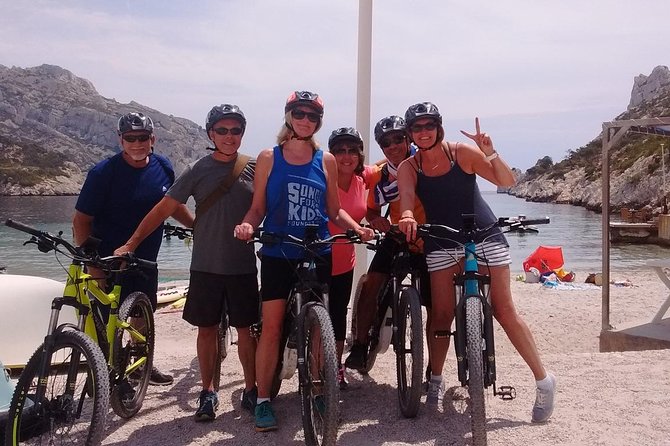
Your morning starts with pickup from the cruise terminal. After you meet the guide, you transfer across Marseille by minivan or taxi for about 25 minutes, aiming for a starting point near the sea.
This early setup matters. It keeps the whole outing tight and avoids wasting your limited shore time on logistics. You also have the practical comfort of knowing the operator’s aim is to get you back to the ship before it sails.
You can also read our reviews of more cycling tours in Marseille
Learning your pedelec: gears, braking, and confidence

Once you’re at the start area (near Pointe Rouge), you’ll get familiar with the electric mountain bikes. These are pedelec-style bikes, so the motor assists while you still pedal. In other words: yes, you’ll work—but the bike helps you keep momentum on climbs.
Here’s how I’d think about it before you go:
- If you know how to shift gears and brake smoothly, you’ll relax fast.
- If you hate technical descents or you tend to grip the bars too hard, you’ll feel more stress than you need.
The best guides don’t just lead. They also coach enough to keep the group together, and they’re watching the road and the pacing as much as the views. One guide name you may hear in some departures is Franck, and people talk about his teaching style as part of the experience.
La Cayolle to Calanque de Sormiou: the ride that earns its wow
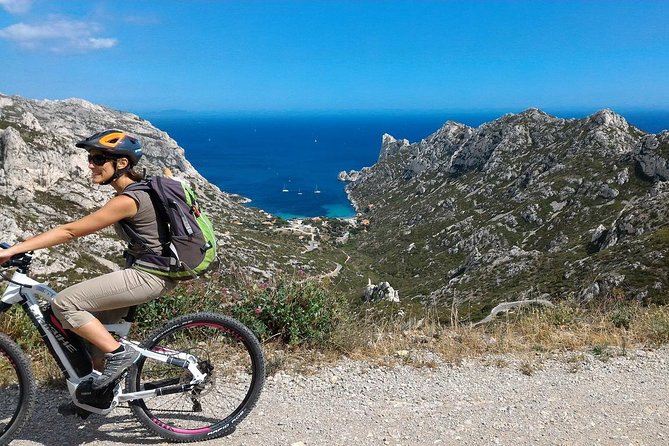
You leave the Pointe Rouge area on smaller roads that quickly bring you into the greener slopes around Roy d’Espagne. Then you hit the big stretch: a road normally closed to traffic through la Cayolle.
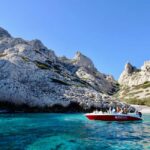
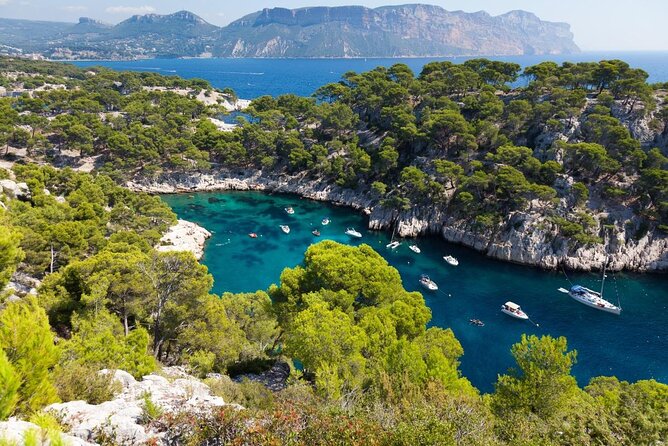
From there, the ride builds. You cross Cortiou’s Pass, and you reach Calanque de Sormiou, which is the heart-of-it moment for most people. The setting is all about dramatic cliffs, a compact fishing area, and that unmistakable turquoise water vibe.
What I like about this part is that it’s not just a viewpoint stop. You’re cycling through the terrain that creates the views—so when you arrive, you already feel like you earned it.
Inside the National Calanques Park: ports, hamlets, and beach time
You’ll spend time in the National Calanques Park, where cars are restricted in the peak season. From May 1 to September 31, motor vehicles are limited, which is exactly why an electric bike makes sense here. It’s one of the best ways to reach quiet coves without fighting with crowds or buses.
At Calanque de Sormiou, you’ll get a proper break: there’s a small beach and time to soak in the scene. In warm months, this is also where swimming becomes tempting. Even if you don’t swim, it’s a great moment to cool down and reset.
Before the beach, you’ll also visit a small fishing port and hamlet nearby. That detour matters because it adds texture. You’re not only seeing nature; you’re seeing how people live alongside it—boats, low-key waterfront life, and the everyday rhythm of a calanque community.
The ride is punctuated with multiple stops where your guide shares what to look for: fauna and flora on land, and what you might notice beneath the sea or in the air. Those quick lessons turn a scenic trip into something you remember more clearly.
The return route: La Cayolle back, then Pastré Castle and the Canal
The way back isn’t just retracing your tire tracks in silence. You cycle the same road back until la Cayolle, then you enter the park again for the next phase.
This is where the outing gains variety. You ride toward Pastré Castle using larger tracks and easier paths, so it feels like a breather after the coastal intensity. Then you transition to a shaded section alongside the Canal de Marseille, surrounded by the towering cliffs of Marseilleveyre.
I find this stretch helpful for two reasons:
- It gives your legs a chance to recover while you still keep moving.
- It changes the scenery from open sea views to a more sheltered, cliff-lined environment.
Depending on time and your preference, you can also pick up small detours, which brings us to the fun optional part.
A few more Marseille tours and experiences worth a look


Optional detours to the Madrague de Montredon or Goudes ports
You won’t ride one rigid checklist. The plan includes optional side routes if there’s time, including the port of Madrague de Montredon or even Goudes.
This matters if you like variety. A calanque day can start to blend if you only see the same cliffline over and over. These detours can help you get another slice of Marseille’s coastline and harbor life without turning the tour into an all-day grind.
If you want the most relaxed version, go for the detours that include easier stopping points and a slower pace. If you want max scenery density, tell your guide early that you want the extra stops, so they can pace the group accordingly.
How hard is this electric mountain bike ride, really?
Electric assistance is real, but it isn’t magic. This excursion is designed for people with moderate physical fitness and a willingness to handle mountain-bike basics.
From the way the ride is described, expect:
- Steep climbs, even with support
- Rougher roads than you’d see on a city bike lane
- Downhill sections that require controlled braking and good balance
- The need to ride as a group, which means you can’t stop for every photo moment the entire time
Also, shifting gears is not optional. If you don’t know how to use gears, you’ll either work too hard on climbs or struggle to keep speed in a safe range on the way down.
The upside: electric bikes can make it possible for many people to enjoy terrain they’d otherwise skip. The downside: if you show up unprepared for technical riding, it can feel like the tour is more intense than you expected.
If you’re traveling with teens or multiple generations, I’d be selective. Good bike control and comfort with hills matter as much as the bike’s motor.
Value check: what $144.57 buys you in Marseille
At $144.57 per person for about 3 hours, the value depends on what you’d otherwise do with your shore time.
You are paying for a very specific mix:
- A professional guide
- An electric mountain bike (plus a certified helmet)
- Port pickup and drop-off from your cruise terminal
- Navigation handled for you, with stops for viewing and learning
That combination is what makes this feel efficient. You’re not spending time figuring out routes, arranging transport to the calanques access points, or renting bikes separately.
Two costs to factor in yourself:
- Food and drink are not included
- You may spend time deciding how to balance beach time with bike time
So my advice is simple: eat before you go and bring along water needs you can manage. If you want a swim, pack accordingly, since beach time is part of the experience.
Practical tips so the day feels smooth
Small choices make a big difference on a calanque bike ride.
- Wear grippy closed-toe shoes. You’ll thank yourself on uneven ground.
- Bring a light layer if you get cool on shaded canal sections.
- If you’re planning any swimming, have a plan for a swimsuit and a way to keep your things dry.
- Listen to your guide on braking and gear use early. It sets the tone for the whole day.
- If you have mobility concerns or you’re unsure about descending rough roads, tell the guide right away so the pacing can match your comfort.
One more practical point: the operator notes they use professional drivers and flexible pickup and drop-off times, and that they aim to have you back in advance of departure. Still, it’s smart to share exact pickup details at least a day before your arrival.
Should you book this Calanques e-bike excursion?
I’d book it if you want an active, scenic Marseille experience that goes beyond city highlights. This is a great fit for people who like views, photo stops, and movement—and who can handle hills without needing the ride to be effortless.
I’d think twice if you’re worried about steep climbs, rough roads, or fast descents. Electric assist reduces effort, but it doesn’t remove the need for basic bike control and steady nerves.
If your goal is to see Calanque de Sormiou, cycle through the calanques terrain, and still be back at your ship with enough time to relax after, this is one of the most efficient ways to do it.
FAQ
What time does the Marseille Calanques electric bike tour start, and how long is it?
The tour starts at 9:00 am and runs for about 3 hours.
Is port pickup and drop-off included?
Yes. Port pickup and drop-off are included, and the pickup and drop-off times are flexible.
How many people are in the group?
The tour has a maximum of 12 travelers.
Do I need to bring a bike or a helmet?
No. You get the electric bicycle and a certified helmet as part of the tour.
What physical fitness level do I need?
The tour is listed for travelers with a moderate physical fitness level, and the ride includes hills and rougher terrain.
Is the tour offered in English?
Yes. English is offered.
Is food and drink included?
No. Food and drink are not included, so plan to handle snacks and hydration yourself.
What happens if the weather is bad, or if I need to cancel?
The experience requires good weather. If it’s canceled due to poor weather, you’ll be offered a different date or a full refund. If you cancel, free cancellation is available up to 24 hours before the experience’s start time for a full refund.