REVIEW · MARSEILLE
Marseille: Château d’If and Frioul Calanques Sailing Cruise
Book on GetYourGuide →Operated by Les Barquettes · Bookable on GetYourGuide
Marseille turns calm on a sailboat. This 3-hour cruise on La Flâneuse is a real sailing experience, not a slow sightseeing boat, and you get Château d’If from the sea in a way street views never can. The main thing to weigh is that it is a proper sail: wind and sea conditions can affect comfort, so if you’re prone to seasickness you’ll want to think twice.
I also love how the crew turns the trip into stories with hands-on navigation, and how comfortable the boat feels with its old-sail cushions and lots of lounging space. A big practical plus: you anchor in a cove and you can rinse off with a swim, with masks and snorkels available if conditions are right.
One more consideration: the schedule can shift with the weather, and this tour isn’t designed for strollers or wheelchair access due to how the boat is set up. Still, for most people, it’s hard to beat the mix of sailing, iconic sights, and time to cool off in the water.
In This Review
- Key highlights worth planning around
- La Flâneuse from Les Barquettes: the tartane experience starts fast
- Passing Château d’If: the sea-level view that makes it stick
- Frioul Islands and Calanques National Park: coves you can feel
- The anchored cove break: drinks, PAC lemon syrup, and a planned pause
- Vallon des Auffes: a coast view with a different mood
- Pacing, weather, and comfort during the full 3 hours
- Value check: is $93 per person worth it?
- Who should book this cruise, and who should skip it
- Book it or skip it: my practical call
- FAQ
- Where does the cruise start and end?
- How long is the Marseille: Château d’If and Frioul Calanques sailing cruise?
- What boat do you sail on?
- What are the main sights on the route?
- Is there time to swim or snorkel?
- What drinks and food are included?
- What languages are spoken on the tour?
- Is the boat wheelchair accessible?
- Can I cancel, and is there a pay-later option?
Key highlights worth planning around
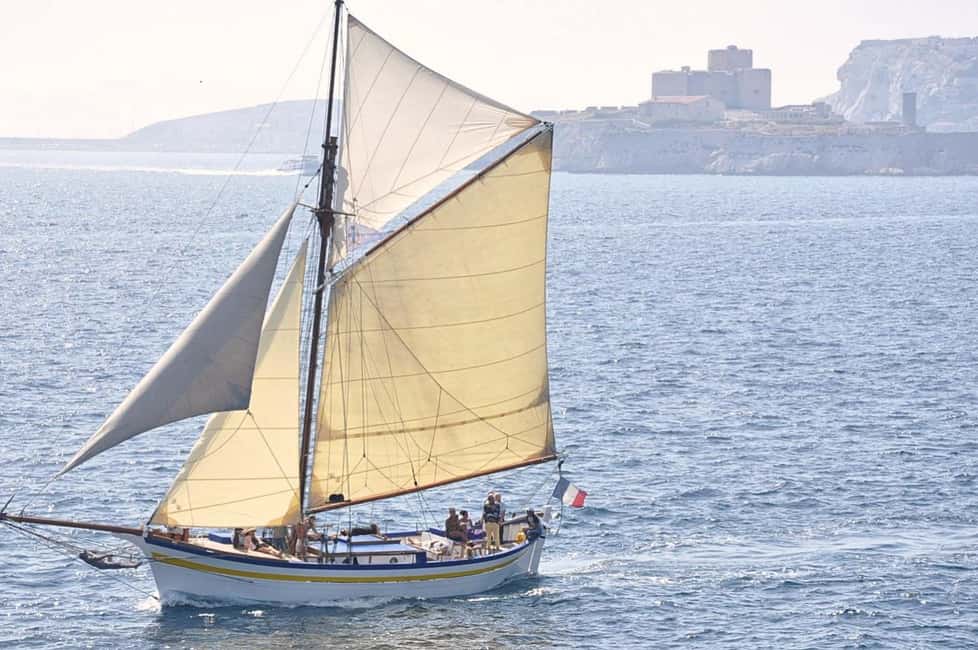
- Traditional tartane sailing on La Flâneuse with a crew focused on real navigation, not just narration
- Château d’If views from the water, tied to The Count of Monte Cristo in a practical, visual way
- Frioul Islands and Calanques National Park scenery framed from moving water and from a calm anchored stop
- Cove break for coffee, a cold drink, and PAC lemon syrup with the option to swim and snorkel
- Vallon des Auffes coastline views that feel more local and less postcard-perfect
- Crew-led comfort: ottomans, cushions made from old sails, and a laid-back pace
La Flâneuse from Les Barquettes: the tartane experience starts fast
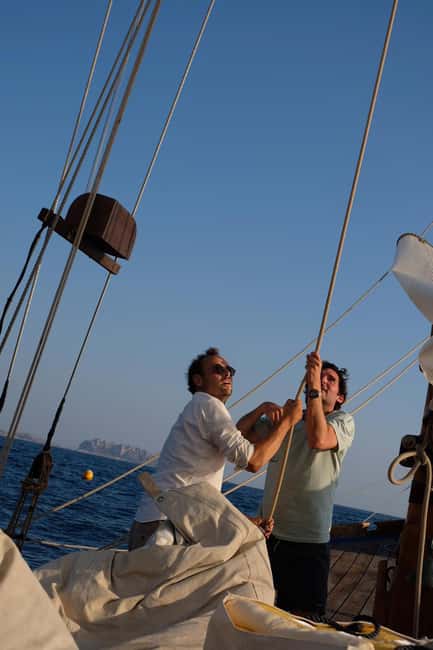
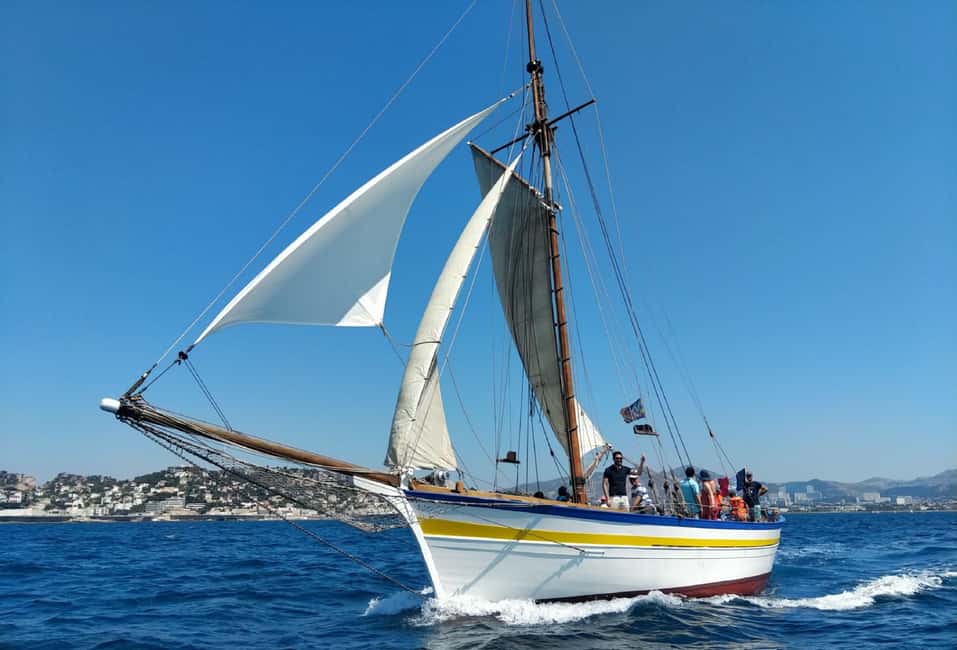
Meeting at Les Barquettes is your cue that this is a smaller, local-style outing. You’ll step aboard La Flâneuse, a traditional tartane rig (an old local sailing setup), which means the whole trip feels grounded in how sailors in this region actually work boats. Instead of settling in for a motor ride, you’re right in the action of sail handling and the rhythm of wind.
What I like here is the comfort level. The boat has plenty of seating with ottomans and cushions made from old sails, so it’s not just seats bolted in place. You can lounge, stretch out a bit, and still watch the coastline move by. If you’re the type who gets antsy on long static tours, this one keeps you occupied without feeling rushed.
You’ll also hear the human side of the experience. A live guide (French and English) plus the captain and crew bring stories along during the sailing. In one recent sailing, the guide Mathieu and his assistant captain helped set a friendly, confident tone, especially on a sunny day when the wind was present but not overwhelming.
If you’re hoping for full predictability minute-to-minute, adjust expectations. The sailing schedule is flexible and depends on weather, which is usually what you want for a trip that includes swimming and anchored time.
You can also read our reviews of more boat tours in Marseille
Passing Château d’If: the sea-level view that makes it stick

Château d’If is the star you can’t miss, and the sea is the right stage for it. From the water, the fortress has shape and scale that feel different from photos. You see it as something built for isolation and observation, not as a cartoon-like landmark.
This cruise leans into the cultural connection in a sensible way. As you sail around the château, you’ll connect it to The Count of Monte Cristo, but you’ll do it with your eyes. That’s the value: the story reference turns into a real mental image. You can look at the angle, imagine the line of sight from the water, and suddenly the fortress feels less like trivia and more like geography.
There’s also a quiet satisfaction in how the boat approaches iconic sites. You’re not just staring across the harbor. You’re moving around the monument, changing perspective as you go. That motion is what makes it feel like an actual experience rather than a checklist item.
One practical tip: keep your camera ready, but also give yourself a moment without it. The first time the château comes into view, you’ll probably want to take a photo. After that, the second and third angles are where the real impact happens.
Frioul Islands and Calanques National Park: coves you can feel
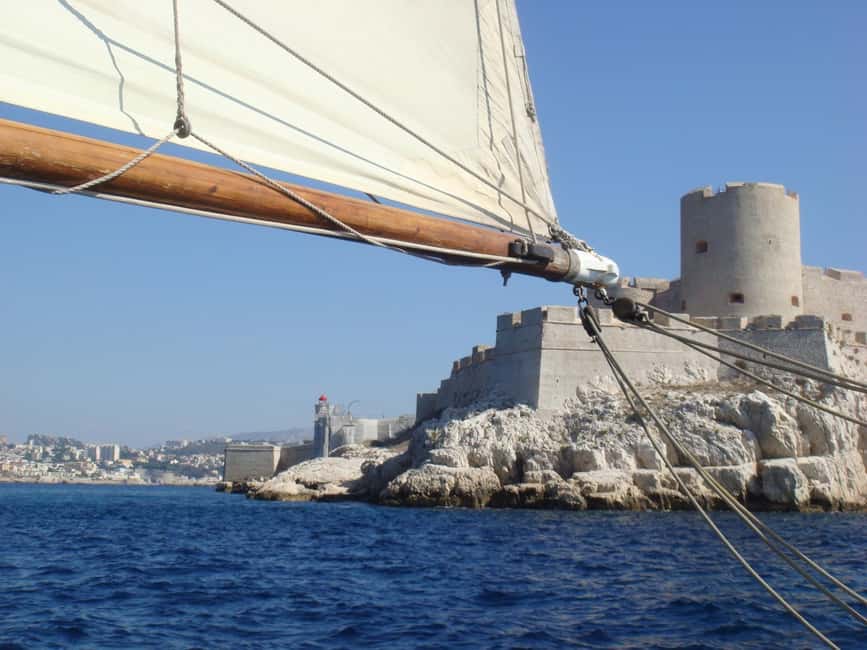
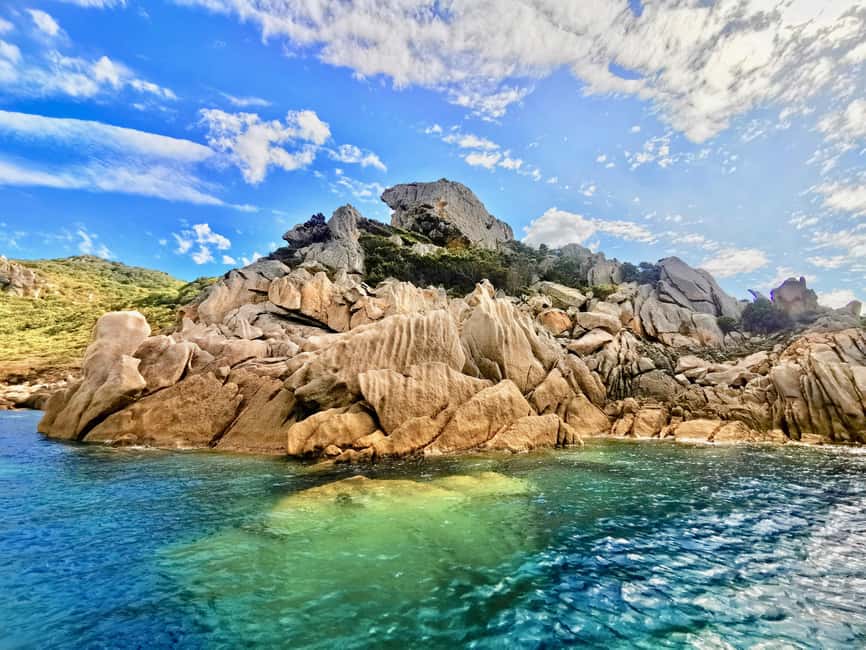
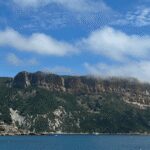
After Château d’If, the cruise shifts into the Frioul archipelago and Calanques National Park area. This is the part that makes the trip feel like more than a historical detour. You get those rugged coastal walls and cove shapes that define this stretch of the Mediterranean, and you see them from the water as they were meant to be seen.
The route also includes scenic views along the way—because the sailing itself is the show. When you’re gliding (or actively sailing) rather than being carried by a motor, you notice details: how cliffs rise, how coves open, how the light changes as the boat turns.
What I especially like is the balance between big sights and intimate stops. The Calanques region can look dramatic from afar, but the real difference comes from being close enough to understand the scale of the coves and the shelter of each bay. That’s why the anchor stop matters so much.
If your weather is mild, you’ll get a more comfortable sailing rhythm. On windier days, it becomes more of a true sailing adventure. Either way, the setting is the point.
The anchored cove break: drinks, PAC lemon syrup, and a planned pause
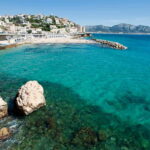
At some point during the outing, the boat anchors in a cove. This is your time to reset. If you want a swim, you can take a dip here, and the crew has masks and snorkels available onboard for exploring the surroundings around the boat.
This is the practical side of the experience that makes the overall 3 hours feel worthwhile. You’re not just looking at the water—you’re actually using it. And the timing of the stop tends to work well: it breaks the trip into a sailing portion plus a calmer swimming-and-chill portion.
You’ll also get a refreshment break. Coffee or tea is included, plus a cold drink. A fun local touch is the traditional Provençal lemon syrup called PAC, which you can taste during the stop. It’s the kind of small, flavorful detail that makes the boat feel connected to Marseille rather than just passing by.
Bring beachwear so you’re ready for the water option. The cruise doesn’t push you, but it gives you the chance. On a cool October day, one recent guest said it was too cold to swim, but the bay itself was still very pretty. Translation: even if you don’t get in the water, the anchored cove time is still valuable.
Vallon des Auffes: a coast view with a different mood
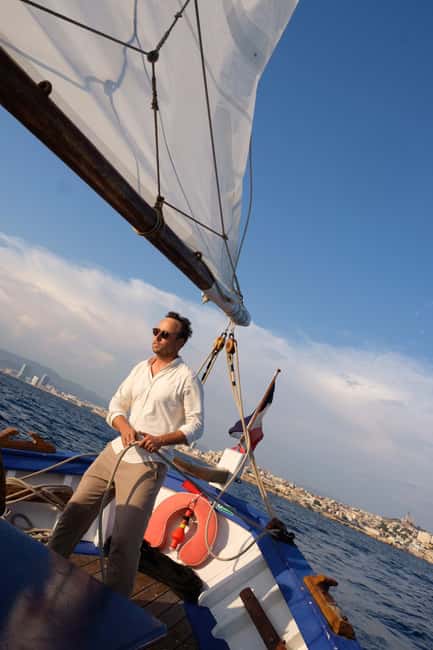
Not every stop on this cruise is about the headline landmark. You also get views of Vallon des Auffes, a stretch of coastline that feels more lived-in than the big-ticket attractions.
From the water, Vallon des Auffes reads differently. You can see the way the coastline curves, how the harbor-like pockets form, and how the shoreline changes texture as you move along it. It’s the kind of sight that’s hard to appreciate from the sidewalk because you’re not seeing the shoreline from the same angle the water does.
This is where the sailing format helps again. It’s not a single framed picture you try to capture. It’s a moving perspective over several moments, so you understand the coastal geometry without needing to study a map.
You can also read our reviews of more sailing experiences in Marseille

Pacing, weather, and comfort during the full 3 hours
A 3-hour outing can feel short, but with sailing it fills up faster than you expect. You’re constantly switching between watching the coastline and listening to the guide’s stories. The boat is designed for comfort—ottomans, cushions, and room to relax—so you’re not packed into a rigid seating layout.
The trip is also weather-dependent in a very realistic way. The schedule can be adjusted as needed based on conditions, which matters because the cruise includes an anchored cove and swimming/snorkeling opportunities. If the sea is too rough, you’ll still get views and the sailing experience, but the exact timing and angles may shift.
If you hate waiting, don’t worry: you’re not stuck in one spot for long. The sailing keeps the “moving parts” happening. If you love photo time, you’ll likely want to balance snapping shots with simply scanning the horizon. A quick glance away from your camera often rewards you with the best perspective moments—the turning points when the château or coast appears from a new angle.
Crew quality seems to be a strong theme. Recent guests highlighted the team’s friendly competence and the storytelling that makes navigation feel personal rather than scripted. On a sunny day in October, one guest described the wind as just enough to make it feel like a real sailing adventure, even if the water itself was too cold for a swim.
Value check: is $93 per person worth it?
At $93 per person for a 3-hour cruise, you’re paying for three things at once: (1) a real sailing boat experience, (2) access to a protected coastal area vibe around the Frioul and Calanques region, and (3) comfort plus included refreshments.
A common mistake is comparing this to basic harbor cruises. This isn’t just a sightseeing loop. You’re on La Flâneuse, a traditional tartane with navigation as part of the experience, and you’re seeing Château d’If and the surrounding coastal scenery from the sea. Add the included coffee or tea, cold drink, and the chance to taste PAC lemon syrup, and the stop at anchor becomes more than a formality.
The swim/snorkel option (with gear available on board) is also meaningful value. Some tours sell “ocean time” but don’t support it with the right setup. Here, you’re given masks and snorkels onboard, and you’re anchored in a cove where water access makes sense.
So who is it best for? If you want one outing in Marseille that feels local and active rather than purely observational, this fits. If you expect a calm, guaranteed swimming day no matter the season, you should plan around the weather reality. And if seasickness is your enemy, you’ll need to assess your tolerance before committing.
Who should book this cruise, and who should skip it
This is a great pick if you’re a couple, a small group, or solo traveler who wants a mix of iconic views and actual time on the water. It’s also a good choice if you like learning while moving—navigation stories, local references, and the kind of details that make the coastline feel more real.
It’s not suitable for children under 2 years, and it’s not a good match for people prone to seasickness. If you use mobility aids, it’s also important to know the ship is not wheelchair accessible due to its original configurations—contact the provider ahead of time so you can get the best welcome and alternatives.
For packing, keep it simple and functional. Bring a sun hat, a hat, biodegradable sunscreen, and beachwear. Even if the outing stays shaded for parts of the ride, the sun off the water can be strong.
Book it or skip it: my practical call
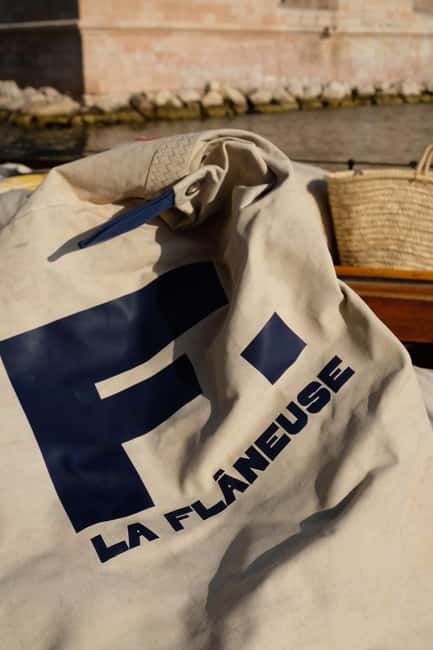
I’d book this cruise if you want one Marseille experience that feels both scenic and hands-on. The combination of La Flâneuse sailing, Château d’If from sea level, and an anchor stop with coffee, a cold drink, and the PAC lemon syrup taste makes the 3 hours feel efficient.
Skip it (or be cautious) if you’re sensitive to motion or if you need wheelchair access or you’re traveling with a stroller. The boat’s setup and the nature of sailing make those issues hard to work around.
If you’re on the fence, pick this when you have a flexible day and your schedule can handle weather changes. That flexibility is part of the value: it protects the parts that matter—sailing conditions and the cove time.
FAQ
Where does the cruise start and end?
It starts and returns to Les Barquettes.
How long is the Marseille: Château d’If and Frioul Calanques sailing cruise?
The experience lasts 3 hours.
What boat do you sail on?
You sail on La Flâneuse, a traditional tartane (old local rig).
What are the main sights on the route?
You’ll sail around Château d’If, head through the Frioul archipelago and Calanques National Park area, and you’ll also see views around Vallon des Auffes.
Is there time to swim or snorkel?
Yes. During the anchored stop in a cove, you have the chance to take a swim, and masks and snorkels are available onboard.
What drinks and food are included?
Coffee or tea is included, along with a cold drink. You can also taste traditional Provençal lemon syrup called PAC.
What languages are spoken on the tour?
The live guide speaks French and English.
Is the boat wheelchair accessible?
No, the ship is not wheelchair accessible due to its original configuration. If you have mobility difficulties or a disability, you should contact the provider before booking.
Can I cancel, and is there a pay-later option?
You can cancel up to 24 hours in advance for a full refund, and you can reserve now and pay later.