REVIEW · FRANCE
Luxury Tour of Château de La Dauphine
Book on Viator →Operated by Chateau de la Dauphine · Bookable on Viator
The best part of this Fronsac visit is the way it links royal history with working winemaking. You walk through the 18th-century château where Marie-Josèphe de Saxe, Dauphine of France and mother of Louis XVI, once stayed, then move straight into the vineyard and production spaces that make the estate’s wine today.
I like the clear path from soil to bottle, and I like the contrast between the old château and the modern vat room, where the tanks are arranged in a striking dome formation. The visit also earns points for its guides, including Gaspard and Carissa, who explain vineyard soils, biodynamic methods, barrels, and wine in plain language.
The main drawback is the short time. At roughly one hour to 90 minutes, this is a focused estate visit rather than a leisurely day at a château. The price is appealing at $17, but the fixed, non-refundable booking policy means you should be sure of your date before paying.
In This Review
- Key points to know before you go
- Why Fronsac gives this visit a different feel
- Entering the château and its royal past
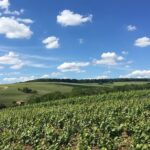
- Walking through a 66-hectare organic and biodynamic vineyard
- The modern cellar and dome-arranged vats
- Tasting three wines from the estate
- How the guides shape the experience
- Is the $17 price good value?
- Timing, opening hours, and useful planning advice
- Who will enjoy Château de La Dauphine most?
- Should you book this Fronsac wine tour?
- FAQ
- Where is Château de La Dauphine?
- How long does the tour last?
- What is included in the tour?
- Which wines are produced at the estate?
- Is wine tasting included in the price?
- What are the opening hours?
- Can I cancel or change my booking?
Key points to know before you go
- Royal connections: The château recalls the stay of Marie-Josèphe de Saxe, mother of France’s last kings, including Louis XVI.
- A 66-hectare working vineyard: The estate follows organic and biodynamic methods, with decisions made plot by plot.
- Three wines included: You taste wines from Château de La Dauphine and its second wine, Delphis de La Dauphine.
- Old and new together: The tour pairs an 18th-century house with modern technical buildings and unusual dome-arranged vats.
- Guides and languages: Gaspard and Carissa have led visits in English, while Spanish and French visits are also available.
- Good value for a short stop: At $17, it fits neatly into a Bordeaux wine-country day, though the visit is not designed for a long, relaxed lunch.
Why Fronsac gives this visit a different feel
Fronsac is not as famous with international visitors as nearby Saint-Émilion or the Médoc, and that is part of the appeal. The region lies in the area associated with Cardinal Richelieu and his grand-nephew, when Fronsac wine held an especially prestigious place in the French court.
Château de La Dauphine gives you a way to understand that past without treating the estate as a museum. The château still carries its royal association, but the property is also a functioning vineyard producing two wines: Château de La Dauphine and Delphis de La Dauphine.
That combination matters. You are not simply looking at old rooms and hearing a few dates. You are following the full chain from the ground outside to the wine poured at the end. For anyone trying to make sense of Bordeaux wine estates, that practical connection is more useful than a grand room by itself.
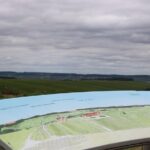
The property covers 66 hectares in an arc of the Dordogne. The setting provides the broad sense of a country estate, while the visit keeps its attention on the château, vines, cellar work, and tasting.
A few more France tours and experiences worth a look
Entering the château and its royal past
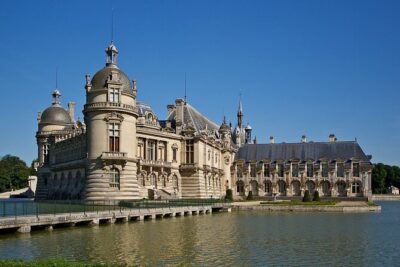
The visit begins with the park and the interior of the 18th-century château. The house is linked to Marie-Josèphe de Saxe, known as the Dauphine of France, who stayed at the estate. She was the mother of France’s last kings, including Louis XVI.
That detail gives the name Château de La Dauphine some weight. You are not just seeing a pretty French house with an aristocratic title. The name points to a real royal connection and to the period when the Fronsac area had close ties to the French court.
The château itself is one of the visual highlights. The interior provides the historic setting, while the park gives you a chance to see how the estate sits among its vines. The information supplied for the tour does not specify every room or furnishing, so you should expect an introduction to the house rather than a room-by-room architectural study.
That is a useful distinction when planning your day. If you want a long palace tour filled with grand interiors, this visit may feel brief. If you prefer a compact introduction to an estate where the house is only one part of the story, the format works well.
A proposal has even taken place during a visit, which tells you something about the atmosphere of the grounds. The estate can make a memorable setting for a special occasion, but you should arrange any particular request directly with the château rather than assume it is part of the standard tour.
Walking through a 66-hectare organic and biodynamic vineyard
The vineyard portion explains how Château de La Dauphine approaches farming. The estate describes its vineyard as BIO and BIODYAMIE, meaning organic and biodynamic methods guide its work.
The key point is not simply the label. The château says its viticultural decisions are made plot by plot. In practical terms, that means the estate pays attention to differences within the property instead of treating all 66 hectares as one uniform patch of vines.
You will hear about the soil and how it affects the vines. Gaspard has been praised for explaining the vineyard soils in a clear and friendly way, while another guide, Carissa, has led an informative English-language visit focused on the estate’s history and wine production.
Biodynamics can sound abstract if it is presented only as a set of principles. Here, the tour connects the idea to actual vineyard choices and the work needed to maintain the vines. That makes the subject easier to follow, even if you are new to wine farming.
You should also expect the season and weather to shape this part of the visit. The experience includes outdoor areas, so comfortable shoes and a weather-ready layer make sense. The supplied information does not promise a particular type of vineyard walk or a set distance, so do not plan on a long hike across the entire property.
The vineyard is especially valuable for people who want more than a tasting. Wine often reaches the table with its agricultural side hidden. At La Dauphine, the tour gives you a look at the decisions made before grapes ever arrive at the cellar.
The modern cellar and dome-arranged vats
The shift from the old château to the technical buildings is one of the most interesting transitions. Instead of keeping the visit entirely in the past, the estate shows you the modern facilities used to make its wines.
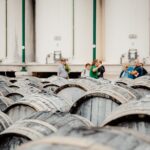
The vat room has a distinctive design, with the tanks organized in a dome formation. This arrangement gives the production area a memorable visual shape, but the guide also explains what happens inside the building and how the equipment supports winemaking.
You will also hear about barrels and the different parts of the cellar operation. Gaspard has been singled out for explaining the vats and barrels, and the experience is designed to show the working side of the property rather than only its polished public rooms.
This is where the tour earns its title. The luxury element is less about ceremony and more about access to a well-presented estate that combines architectural beauty with technical detail. You see the place where the wine is made, not just where it is sold.
The technical visit may appeal most to people who have already toured a few Bordeaux properties. Many château visits can begin to blur together: vines, cellar, tasting, shop. The dome-shaped vat room and the estate’s organic and biodynamic approach give this one its own identity.
Still, the tour is not a professional cellar course. You will receive an accessible explanation, not an advanced lesson in fermentation, blending, or barrel chemistry. That balance makes it suitable for mixed groups, including adults with different levels of wine interest.
Tasting three wines from the estate
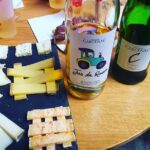
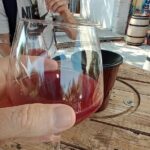
The visit ends with a tasting of three wines from Château de La Dauphine. The estate produces its main wine under the Château de La Dauphine name and a second wine called Delphis de La Dauphine.
Three pours are enough to make the tasting more useful than a single sample. You can compare wines from the same property and think about how vineyard selection and production choices shape the final glass.
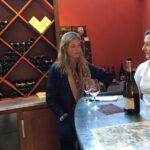
The tasting takes place in the château shop. That is practical because you can buy bottles after tasting them, rather than guessing from a label. Several people have left with bottles, and one visitor planned to look for the wines through a distributor in the United States.
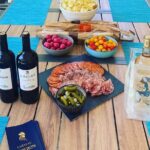
Do not expect a full meal with the standard experience. A separate visit in poor weather included an indoor welcome, lunch, and a bottle of rosé for a group, but that was a weather-related adjustment and should not be treated as part of this $17 tour.
The tasting is also not described as a large flight of wines from several estates. This is a focused introduction to La Dauphine’s own production. That is good if you want to understand one château. It is less useful if your main goal is to compare Fronsac with Saint-Émilion, Pomerol, or Médoc wines in the same sitting.
You can make the most of the tasting by asking the guide to connect each wine to the vineyard work and cellar process you have just seen. The tour is strongest when those pieces are considered together.


How the guides shape the experience
The guide can make a short wine tour feel either rushed or rewarding. At La Dauphine, named guides Gaspard and Carissa have led particularly well-received visits.
Gaspard’s explanations have included vineyard soils, the château, vats, and barrels. Carissa has guided in English and Spanish, and her English has been described as very strong. The estate has also offered visits in French.
Language matters here because wine vocabulary can get technical fast. If you need a particular language, confirm it when booking rather than assume the schedule will match your preference. The supplied information confirms English, French, and Spanish experiences through the guide accounts, but it does not provide a complete language timetable.
The tone appears friendly and patient. One family visit included children, and the guide was described as clear and patient. That suggests the visit can work for a mixed-age group, especially if children enjoy open grounds and unusual cellar equipment.
It is also useful that the guides connect the wine to broader learning. One guest received advice related to WSET wine study, which suggests the team can answer more than basic tourist questions when time allows. I would still keep expectations sensible: this is an estate tour, not a formal certification class.
Is the $17 price good value?
At $17, this is one of the easier Bordeaux wine experiences to fit into a day. You receive access to the grounds and château, an explanation of the vineyard approach, a look at the technical buildings, and a tasting of three wines.
The value is strongest if you are already visiting the Fronsac area. You do not need to spend half a day here to get something from the estate. The 60 to 90 minute length leaves room for another château, a meal, or time in a nearby town.
The price is less compelling if you expect a luxury lunch, extensive cellar access, or a long private tour. Those elements are not part of the stated package. The title suggests an upscale experience, but the practical offering is a polished, compact estate visit with wine tasting.
That is not a criticism. In fact, the short format may be exactly right for a Bordeaux itinerary packed with stops. You get the key elements without committing your whole afternoon.
One important financial detail: the experience is non-refundable and cannot be changed for any reason. Confirmation is sent within 48 hours of booking, subject to availability. Since you cannot recover the payment after canceling or requesting a change, book only when your schedule is firm.
Timing, opening hours, and useful planning advice
The listed operating period runs from November 1, 2024, through October 31, 2025, with opening hours from 9:30 a.m. to 3:30 p.m., Monday through Sunday. Those hours make this a daytime activity, not an evening wine stop.
Because the tour lasts about an hour to 90 minutes, allow a little breathing room around it. The exact experience may vary by guide, group, and pace, so avoid scheduling another appointment immediately afterward.
A mobile ticket is provided, which keeps the booking simple. You should still wait for confirmation within 48 hours before treating the reservation as final, since availability applies.
The tour is described as suitable for most people. No special physical restrictions are listed, but the experience includes the park and vineyard, so sensible footwear is a good idea. If rain is expected, bring protection for the outdoor portion.
The estate has shown flexibility with hospitality when weather affects plans. A group that could not lunch outside was welcomed inside the château instead. That does not guarantee a lunch or a special weather arrangement on your visit, but it suggests the staff can respond helpfully when conditions change.
Who will enjoy Château de La Dauphine most?
I would choose this visit for someone who wants a compact introduction to Fronsac wine with a real sense of place. It is a good match for you if you care about the story behind the estate, want to see both historic and modern spaces, and appreciate a tasting that follows the production tour.
It also suits wine students and curious beginners. Beginners get plain explanations of soil, vineyard care, vats, barrels, and tasting. More experienced wine drinkers can ask sharper questions about biodynamic farming and the relationship between the two estate wines.
Families can consider it too, especially if the children can manage a short tour and show some interest in the château or working equipment. The format is not built around children, but it is not presented as adults-only.
I would think twice if you want a slow, romantic afternoon with a long meal among the vines. The experience is efficient and informative, not a full-day estate retreat. I would also skip it if you are looking only for famous Bordeaux appellations and have no interest in Fronsac’s place in the region’s story.
Should you book this Fronsac wine tour?
Book Château de La Dauphine if you want history, vineyard practice, modern cellar design, and three wines in one affordable visit. The old château and royal connection give the tour character, while the organic and biodynamic work and dome-arranged vats keep it from feeling like a standard house-and-tasting stop.
At $17, the value is strong for a 60 to 90 minute experience. Just remember that the package is focused, the tasting is limited to three estate wines, and the payment cannot be refunded or changed. Choose a date you can keep, confirm your preferred language, and allow enough time to enjoy the château without racing to your next appointment.
FAQ
Where is Château de La Dauphine?
Château de La Dauphine is in Fronsac, France, in the Bordeaux wine region.
How long does the tour last?
The experience lasts approximately one hour to one hour and 30 minutes.
What is included in the tour?
The visit includes the park, the interior of the 18th-century château, the vineyard, an explanation of the estate’s environmental philosophy, the technical buildings, and a tasting of three estate wines.
Which wines are produced at the estate?
The estate produces Château de La Dauphine and Delphis de La Dauphine.
Is wine tasting included in the price?
Yes. Admission includes a tasting of three wines from the estate.
What are the opening hours?
The listed opening hours are Monday through Sunday, from 9:30 a.m. to 3:30 p.m., during the operating period from November 1, 2024, through October 31, 2025.
Can I cancel or change my booking?
No. The experience is non-refundable and cannot be changed for any reason. Confirmation is sent within 48 hours of booking, subject to availability.