A short walk can teach wine. This Château Haut-Chaigneau tour is built for real-world wine questions, with a technical look at the vinification process and a guided tasting of 3 Lalande-de-Pomerol wines.
What I love most is the hands-on path: you move from vineyard views to the vat room and then into a semi-underground barrel cellar. The second thing I like is that the guide keeps the tasting practical, with advice you can actually use while you’re sipping.
One consideration: this is a 90-minute experience and it focuses on process and tasting, not on a long stroll through Saint-Emilion’s sights. If you want a half-day in the town, you’ll likely need an extra plan.
In This Review
- Key highlights you should know
- Entering Château Haut-Chaigneau: vineyard views and the Lalande-de-Pomerol angle
- The Saint-Emilion and Église Monolithe stop you’ll actually use
- Moving into the vat room: vinification in plain language
- The semi-underground barrel cellar: aging you can see, not just guess
- The 3-wine Lalande-de-Pomerol tasting: coaching at the bar
- What to pay attention to during tasting
- Price and timing: what $18.06 buys you in real value
- Who should book this Lalande-de-Pomerol vineyard visit
- Should you book Château Haut-Chaigneau with Vignobles Chatonnet?
- FAQ
- How long is the Château Haut-Chaigneau Lalande-de-Pomerol visit?
- What does the tour cost?
- What wines are included in the tasting?
- Where do you meet and where does it end?
- Is the tour offered in English?
- Is lunch included?
- Can I cancel if my plans change?
- What is the maximum group size?
Key highlights you should know
- Vineyard-to-cellar route that explains what happens after the grapes are picked
- Vat room walkthrough focused on winemaking steps and why they matter
- Semi-underground barrel cellar aging where different vintages rest
- 3 AOC Lalande-de-Pomerol wines tasted at a bar with guide coaching
- Small group size (max 15) that makes it easier to ask questions
Entering Château Haut-Chaigneau: vineyard views and the Lalande-de-Pomerol angle
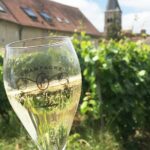
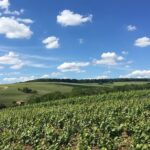
You start at Château Haut-Chaigneau, in Néac (meeting at Château Maine Chaigneau, Chaigneau 1, 33500 Néac). The first payoff is the view over the vineyard, because it puts the whole appellation into context fast. You’re not just tasting wine in a room; you’re seeing what the vines are doing right outside the door.
From there, you get the property’s story and the specifics of the Lalande-de-Pomerol appellation. That might sound abstract at first, but it becomes useful when you hit the wine tasting later. Appellations guide expectations, and this tour helps you connect the rules to what you taste.
You’ll likely hear the explanation in a clear, grounded way since this visit is offered in English and is designed to work for both amateurs and people who know the jargon. One nice detail from prior visitors: guides like Alicia keep explanations suited to the level in the group, so you can participate without feeling lost.
You can also read our reviews of more tours and experiences in France.


The Saint-Emilion and Église Monolithe stop you’ll actually use
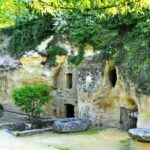
The tour route includes a stop in Saint-Emilion, plus a visit to the Église Monolithe de Saint-Emilion. Even if that part isn’t the center of the experience, it helps you anchor where you are in wine country, because Lalande-de-Pomerol lives in the broader orbit of Saint-Emilion’s historic region.
What you should expect here is less of a guided history lecture and more of a quick, purposeful stop included on the route. If you like to mix wine with a small hit of local landmarks, this works well. If you’re the type who loves long wandering time, plan to arrive with energy to do extra sightseeing on your own afterward.
This is also a good moment to ask quick questions before the tour gets more technical. When you’re standing around vines and stone, the winemaking talk lands better later.
Moving into the vat room: vinification in plain language
After the early scenery, you continue to the vat room, where the wines are made—this is the part that turns your tasting from casual sipping into something you can explain. The goal isn’t to memorize a lab report. It’s to understand what changes from grape to wine, and why those choices show up in the glass.
You’ll learn the sequence of steps behind winemaking for the wines on the program. The guide’s tone tends to be very practical, and the best sign is that visitors who are new to wine said the explanations stayed clear while still covering real details.
Here’s why this stop is valuable for you: once you understand what happens in vats—how the wine is handled during fermentation and early stages—you start noticing those fingerprints when you taste. Even if you can’t name every process, you can connect aromas and structure back to the approach.
Also, this tour format is ideal if you’ve ever been to a winery tasting where people only say nice words about flavors. This one gives you the other half of the equation.
The semi-underground barrel cellar: aging you can see, not just guess
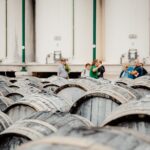
Next comes the semi-underground barrel cellar, where different vintages age. You’re walking from the active, technical side of production into the quieter phase—time, temperature stability, and controlled aging.
The semi-underground setting matters. Even without getting too technical, it helps you understand why cellar conditions are chosen deliberately. Temperature swings can be a big deal for how wine evolves, and cellars are built to make aging more consistent.
This is one of those stops where you can learn something even if you’re not a wine nerd. You can literally see the space where wine rests across years, and that gives your tasting context. People often taste a wine and wonder how it survived that long; this part shows you the environment that supports aging.
One earlier visitor specifically called out that their top wine can age for 20 years or more, and they focused on the tannins and how they show up. That kind of comment makes more sense after you’ve seen the aging approach the team uses.
The 3-wine Lalande-de-Pomerol tasting: coaching at the bar
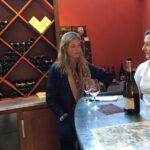
The tour finishes with a tasting of three AOC Lalande-de-Pomerol wines at the bar, guided by the person leading your visit. The wines are: La Croix Chaigneau, Château Haut-Chaigneau, and La Sergue.
This is where your prior stops pay off. Because you’ve toured vats and barrels, you’re better at picking up differences between the wines instead of relying on vague impressions. The guide also gives tasting advice, which is especially helpful if you don’t want to just swish and hope.
A small but telling detail from past visitors: they found the tasting lively and fun, not stiff. That matters, because wine tasting can be intimidating when you feel you need to know everything. Here, the guidance helps you slow down and focus on what you’re actually tasting.



What to pay attention to during tasting
You’ll get your best experience if you take a few seconds before each pour and ask yourself one simple question: what changed since the last wine?
If the guide mentions tannins, listen closely. Even if your vocabulary is basic, you can still notice how the wine feels in your mouth—whether it grips, dries, or stays smooth. One person highlighted the tannin structure of a top cuvée and its long aging potential, which is exactly the kind of clue that helps you understand why Lalande-de-Pomerol wines can be more cellaring-friendly than some casual expectations.
Also, don’t skip the questions. Because the group size caps at 15, you’re more likely to get answers tailored to your curiosity.
Price and timing: what $18.06 buys you in real value
At $18.06 per person for about 1 hour 30 minutes, this is a pretty efficient way to get a structured winery experience without spending the whole day. The price is low enough that you’re not forced into a trade-off like skipping the tour and just buying a bottle. Instead, you’re paying for guided access to production spaces and a 3-wine tasting.
The value also comes from the variety of stops. You see the vineyard, then the vat room, then the barrel cellar, and you finish with coached tasting at the bar. Many tasting-only options cover flavors but skip the “how it’s made” part. Here, you get both.
The main “cost” to consider isn’t the ticket. It’s attention. This is compact. If you show up tired or distracted, you may miss some of the practical process explanations that make the tasting click.
You should also know what’s not included: there’s no lunch. The experience includes the alcoholic beverages tasting, so plan to eat before or after depending on your schedule.
Who should book this Lalande-de-Pomerol vineyard visit
I’d especially recommend this if you want a practical winery tour—one that teaches you the production side and then lets you taste what that means.
It’s also a good fit if you’re traveling with mixed wine interests. The format supports both newcomers and people who want technical detail, and the small group size helps the guide respond to questions instead of speaking at you the whole time.
If you’re the kind of visitor who wants long time in town, big-picture tastings, or a multi-course meal experience, this might feel short. But if your goal is to understand Lalande-de-Pomerol through the place that makes it, this is a strong match.
Finally, it’s offered in English and is capped at 15 travelers, which usually translates into more personal interaction. Alicia-style guiding is a big part of what makes the experience land well.
Should you book Château Haut-Chaigneau with Vignobles Chatonnet?
Yes, if you want an efficient, well-guided route that connects vineyard conditions to vinification and barrel aging, then finishes with a coached tasting of three specific wines. The route through the vat room and semi-underground cellar is the difference between a simple tasting and something that sticks.
Book it rather than improvising if you like structure. A lot of winery moments depend on who you meet and whether someone can fit you in. This one is scheduled, English is available, and the group stays small enough to ask questions.
Skip it only if your priority is a long sightseeing day in Saint-Emilion or if you want food-focused wine tourism. For process + tasting in 90 minutes, this is one of the smarter buys in the area.
FAQ
How long is the Château Haut-Chaigneau Lalande-de-Pomerol visit?
The tour is approximately 1 hour 30 minutes.
What does the tour cost?
It costs $18.06 per person.
What wines are included in the tasting?
You taste 3 wines from the Lalande-de-Pomerol appellation: La Croix Chaigneau, Château Haut-Chaigneau, and La Sergue.
Where do you meet and where does it end?
The tour meets at Château Maine Chaigneau, Chaigneau 1, 33500 Néac, France, and ends back at the same meeting point.
Is the tour offered in English?
Yes, this experience is offered in English.
Is lunch included?
No, lunch is not included.
Can I cancel if my plans change?
You can cancel for a full refund up to 24 hours in advance of the experience start time. After that, changes are not accepted and you may not be refunded.
What is the maximum group size?
The tour/activity has a maximum of 15 travelers.