REVIEW · MAINXE GONDEVILLE
Jarnac: Braastad cognac prestige visit
Book on GetYourGuide →Operated by Braastad Cognac · Bookable on GetYourGuide
Braastad’s prestige visit takes you through the full cognac chain, from vineyard care and harvest to distillation, ageing, and blending. That is the interesting part: you are not simply shown a cellar and handed a glass. You see how a family-run house manages each stage, then taste three old cognacs made to show what time and blending can do.
I like the authentic working setting, especially the 10 pot stills and the cellar holding spirit in large foudres. I also like the tasting, which compares XO, XO Supérieur, and Extra instead of offering one quick sample. The main consideration is that this is a focused 90-minute visit, not a full day in the Cognac region, so anyone wanting vineyard walks or a long food pairing should plan something else as well.
In This Review
- Key points to know before you book
- Why this Jarnac visit feels different
- Starting at 29 Quai Île Madame
- The Braastad story from 1875 to today
- Ten pot stills and the work of distillation
- Inside the ageing cellar and foudre storage
- The tasting: XO, XO Supérieur, and Extra
- What the price means at $41
- Languages, timing, and who will enjoy it
- The strongest reason to choose Braastad
- Should you book this prestige visit?
- FAQ
- Where does the Braastad Cognac visit begin?
- How long does the experience last?
- Which cognacs are included in the tasting?
- What languages are available?
- What will I see during the tour?
- Can I cancel or pay later?
Key points to know before you book
- See all the main stages: Learn how Braastad handles vineyard work, wine making, distillation, ageing, and blending.
- Enter the company’s historic heart: The visit includes the iconic building and private-feeling historic areas.
- Count the 10 pot stills: The distillery gives the production story a real, physical center.
- Taste three mature styles: XO, XO Supérieur, and Extra show how age and blending change cognac.
- Expect a strong guide: Eric is praised for his enthusiasm and clear answers, while the tour is offered in English, French, or Norwegian.
- Easy riverfront meeting point: Meet at 29 Quai Île Madame, with free parking along the Charente.
Why this Jarnac visit feels different
Many cognac stops give you a short explanation, a polished tasting room, and a few bottles to admire. Braastad takes a broader approach. The stated aim is to control each major step, from the vineyards through the final blend, so the finished drink reflects the house standard and the character of its terroir, the local growing conditions.
That matters because cognac is not made at the still alone. The grapes become wine first. The wine is distilled, the spirit rests in wood, and several eaux-de-vie may later be blended to create a particular style. At Braastad, the tour connects those separate jobs into one story.
The house dates its work to 1875, giving the visit a long family and brand timeline to explain. You also get access to historic parts of the company rather than seeing only the public-facing shop. This helps the place feel like a working producer, not simply a sales stop.
I would choose this tour if you want to understand how cognac is made and prefer a smaller house atmosphere to a grand brand presentation. It is also a sensible choice if you are already in Jarnac or nearby Mainxe-Gondeville and want a single, well-defined activity lasting an hour and a half.
Starting at 29 Quai Île Madame
The meeting point is the front door at 29 Quai Île Madame in Jarnac. Free parking is available along the Charente, which is useful if you are touring the region by car and do not want to arrange complicated transport for a short appointment.
The location also sets the mood. You begin by the river, then enter the company’s iconic building for the visit. That first step is more meaningful than meeting in a detached tasting room because the building is part of Braastad’s identity.
The route is described as moving into Mainxe-Gondeville and returning to the same address. The practical plan is simple: arrive at the riverfront meeting point, allow 90 minutes for the guided visit and tasting, and finish back at the starting location.
Starting times vary, so you need to check availability when booking. The activity can be cancelled up to 24 hours ahead for a full refund, and you can reserve now while paying later. Those terms are handy when you are fitting the visit between other stops in Nouvelle-Aquitaine.
The Braastad story from 1875 to today
The first part of the tour covers the history of cognac and the Braastad brand. This is not just background decoration. It explains why the producer pays attention to every stage and how a house develops a consistent style over time.
The company presents itself as family run and committed to making cognac from beginning to end. That includes care of the vineyards, harvesting, wine making, distillation, ageing, and blending. You will hear how those choices affect the final spirit and why a producer might protect its own standards at every step.
I find this part most useful if you are new to cognac. The word can sound like a simple product category, but the finished drink depends on a chain of decisions. A good introduction lets you understand what to notice later in the glass.
The story also gives the tasting a purpose. You are not sampling three unrelated bottles. You are preparing to compare different levels of age and blending within the house’s selection.
Ten pot stills and the work of distillation
The distillery is one of the strongest parts of the route. You walk among 10 pot stills and get a direct look at the equipment used to turn wine into a stronger, more concentrated spirit.
The stills make the distillation lesson easier to grasp. Instead of hearing only technical terms, you can see the scale and shape of the machinery while the guide explains its role. The point is not that the equipment looks grand. It is that you can connect the physical process to the liquid you taste later.
The tour is built to make you familiar with distillation rather than assume you already understand it. That suits curious beginners, but it should also hold the attention of people who know a little about spirits and want to ask more exact questions.
Eric has been praised for answering questions patiently, including the awkward beginner questions that people sometimes hesitate to ask. His enthusiasm is said to carry through the visit, and his presentation has been described as both friendly and professional. If Eric is leading your group, expect a guide who enjoys the subject rather than reciting a dry script.
The distillery may be less exciting for someone who wants a highly theatrical attraction. This is a production area and an educational stop. Its value comes from seeing the real tools and understanding the process.
Inside the ageing cellar and foudre storage
After the stills, the tour moves to the ageing cellar, where the spirit rests for years before it is selected and blended. The cellar helps explain one of cognac’s central facts: time alone does not make the final bottle. The producer must also decide how different aged spirits work together.
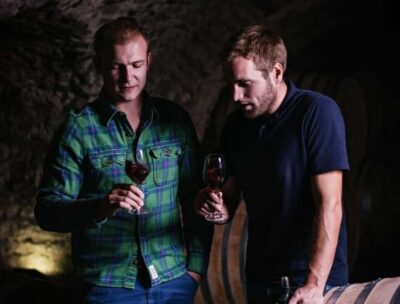
The historic storage area includes foudres, large wooden vessels used for holding spirit. That detail gives the cellar a different feel from a line of small display barrels. You get a sense of storage as an active part of production, not merely an atmospheric backdrop.
The guide explains that the spirit is held until it can be blended at its best. This is where patience meets judgment. A younger component might bring freshness, while older spirit can add depth and length. The house’s task is to bring those elements into balance.
The cellar is also where you will find old bottles and fun facts connected with the company. These details help break up the technical explanation and give you something concrete to look at while the story moves through the brand’s past.
Cellars can be dark, cool, and unevenly paced as a tour stop, and the supplied information does not promise a particular temperature or level of access. Still, this section should be a highlight if you like the less polished side of spirit making. You are seeing where the product waits, sometimes for many years, before the final decisions are made.
The tasting: XO, XO Supérieur, and Extra
The visit ends with a tasting of three of Braastad’s oldest and most exceptional cognacs: XO, XO Supérieur, and Extra. This is the part that gives the whole tour a clear payoff.
The order allows you to think about ageing and blending as a progression. You can compare the house’s styles side by side rather than trying to remember one glass from ten minutes earlier. The tasting is presented as a lesson in what the terroir can offer and how the blender shapes the result.
XO is the youngest of the three named expressions in this tasting, while Extra represents the most mature end of the comparison. XO Supérieur sits between those ideas as its own house expression. The exact character of each pour can vary, so the guide’s explanation matters as much as the liquid itself.
Take your time with the aromas before drinking. Notice how the spirit changes as it sits in the glass. You do not need expert vocabulary. It is enough to ask which sample feels lighter, rounder, drier, longer, or more layered, and then listen to how the guide connects those impressions to age and blending.
The tasting is described as generous, which is useful to know at this price. It is not merely a token sip after a long presentation. At the same time, this is still a tasting rather than a meal or a cocktail experience, so do not book it expecting food service.
The product information contains a confusing reference to a newest limited edition called XXO, while the stated three-cognac tasting is XO, XO Supérieur, and Extra. I would rely on the named tasting trio when deciding to book, and ask Braastad directly if the limited edition matters to you.
What the price means at $41
At $41 per person, this visit sits in the moderate range for a specialist producer experience. The value comes from the combination of access, instruction, and three mature tastings rather than from the length alone.
You get 90 minutes with a live guide, entry into the historic company building, a look at the distillery and its 10 pot stills, access to the ageing cellar and foudre storage, a museum element, and three older cognacs. If you bought separate tastings without the production tour, you would miss the connection between the cellar and the glass.
I think the price is fair for someone genuinely interested in cognac. It is less compelling if you only want one drink and a quick photo. In that case, a simple tasting elsewhere may be enough.
The near-private feel reported during the off-season is another factor. Group size is not specified, so you should not assume a private tour. But quiet-season visits may feel more personal, with more room for questions and a calmer pace.
Languages, timing, and who will enjoy it
The tour is offered in English, French, and Norwegian. That makes it practical for an international audience, but you should select or confirm your preferred language when arranging the visit.
The format suits:
- First-time cognac drinkers who want the basics explained clearly
- Spirit fans who care about production, wood ageing, and blending
- Couples and small groups looking for a focused Jarnac activity
- People staying in or passing through the Cognac area by car
- Visitors who prefer a family-run producer to a large, heavily staged attraction
It may be less suitable for children or anyone who has no interest in alcohol production. The visit is built around industrial equipment, storage, brand history, and tasting. It is not an outdoor vineyard excursion, a food tour, or a broad sightseeing walk around Jarnac.
Because the full route takes 90 minutes, it is easy to place in a day that includes other regional stops. Leave enough time to arrive at the Quai Île Madame meeting point and find the riverfront parking. The return to the same address keeps the logistics tidy.
The strongest reason to choose Braastad
For me, the best feature is the connection between control and taste. Braastad says it watches and makes decisions at every stage, and the tour lets you see what that means in practical terms.
You begin with the brand story, move to the stills, enter the storage areas, and finish by comparing old cognacs. That order gives you a useful framework. When you taste XO, XO Supérieur, and Extra, you have already seen the places and processes behind them.
The guide also matters. Eric’s warm, energetic style has been singled out, and the tour is praised for being fun as well as informative. A producer visit can become a list of dates and technical facts. A guide who welcomes questions keeps it human.
The historic access is another strong point. You are not limited to a public shop. You enter the heart of the company and see areas tied to the making and storage of the spirit.
Should you book this prestige visit?
Book it if you want a clear, hands-on introduction to cognac and value the chance to taste three mature expressions after seeing how the spirit is made. The 90-minute format is long enough to cover the main stages without taking over your day, and the $41 price is reasonable for the production access and tasting.
I would especially recommend it during a Jarnac or Cognac-area road trip, when the free riverfront parking and central meeting point make the stop easy to add. If you can visit in the quieter season, you might find the experience feels close to private.
Skip it if your main goal is a vineyard stroll, a full meal, or a large museum with many exhibits. Braastad is focused on the house, its equipment, its cellars, and its cognac.
For an authentic producer visit with a strong tasting finish, I would put this near the top of your Jarnac plans.
FAQ
Where does the Braastad Cognac visit begin?
The meeting point is at the front door of Braastad Cognac, at 29 Quai Île Madame. Free parking is available along the Charente.
How long does the experience last?
The guided visit lasts 90 minutes, including the tour and tasting.
Which cognacs are included in the tasting?
The tasting includes XO, XO Supérieur, and Extra, presented to show the effects of ageing and blending.
What languages are available?
The live tour is offered in English, French, and Norwegian.
What will I see during the tour?
You will learn about vineyard care, harvest, wine making, distillation, ageing, and blending. The route includes the iconic company building, a distillery with 10 pot stills, ageing cellars, foudre storage, and a museum area.
Can I cancel or pay later?
You can cancel up to 24 hours in advance for a full refund. A reserve-now, pay-later option is also available.