REVIEW · BORDEAUX
Guided cruise Bordeaux UNESCO
Book on Viator →Operated by Les Bateaux Bordelais · Bookable on Viator
One hour on the Garonne can teach a lot. This Bordeaux UNESCO guided cruise turns big-city landmarks into something you can actually see and picture, thanks to up-close bridge views and story-driven commentary.
I especially like the change of perspective from the water and the fact that the tour doesn’t end at sightseeing—it includes a real local snack stop with Baillardran canelés. One thing to consider: depending on the day, narration can lean heavily French, and audio quality can affect how much English you catch.
If you want Bordeaux’s UNESCO face—without walking for hours—this works. It’s a smooth, structured route with major riverside hits and short, punchy viewpoints. Just remember it’s only about an hour, so you’re here for highlights, not a slow, museum-style education.
In This Review
- Key highlights to look forward to
- Why Bordeaux UNESCO looks better from the river
- Price and logistics: short, guided, and not painful to organize
- What the boat ride feels like on the Garonne
- The first bridge sequence: Pont Chaban-Delmas and Pont d’Aquitaine
- Cité du Vin context: architecture you can actually clock
- Pont de Pierre: classic stone bridge energy
- Place de la Bourse: where the river meets the grand facade
- Cailhau Gate and the feeling of old Bordeaux
- Place des Quinconces and Jacques Chaban-Delmas Bridge: big geometry
- Wine city vibes: the route makes Bordeaux’s trade history visible
- Canelés and a break with bar service: the tasty payoff
- Language and audio: how to make sure you catch the story
- How long is long enough for Bordeaux highlights?
- Who should book this cruise (and who should skip it)
- Should you book the Bordeaux UNESCO guided cruise?
- FAQ
- How long is the guided cruise?
- Where does the tour start and where does it end?
- What language is the tour offered in?
- Do I need to bring a printed ticket?
- What’s included in the price?
- Are snacks included?
- How many people are on the cruise?
- Is the cruise accessible and suitable for most people?
- What if the weather is bad?
- What is the cancellation policy?
Key highlights to look forward to
- UNESCO waterfront views from the Garonne with facades you can spot at close range
- Pont Chaban-Delmas and Pont d’Aquitaine sightings that feel surprisingly dramatic from the river
- Historic stops like Place de la Bourse and the Cailhau Gate viewed at angles you don’t get on foot
- Cité du Vin context tied to its unusual architecture
- Baillardran canelés plus a break with bar service for an easy food-and-sights rhythm
- Groups capped at 150 with a restroom on board for a stress-free ride
Why Bordeaux UNESCO looks better from the river
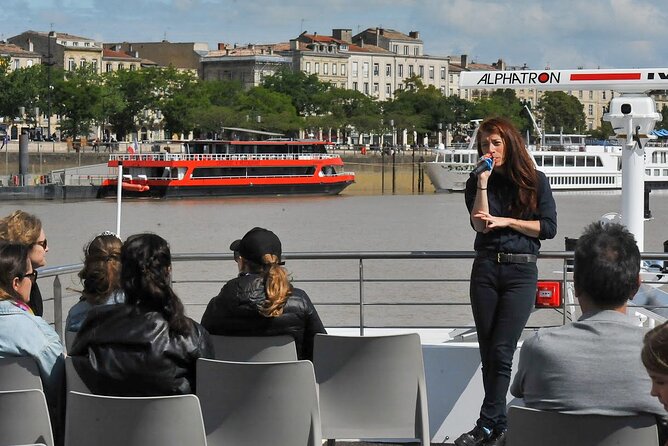
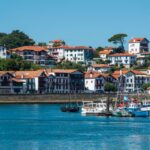
Bordeaux’s UNESCO-listed look is all about the way the city shows itself—stone, symmetry, and the classic “grand facade” vibe. Seeing it from the Garonne changes the whole experience. You get the buildings in a single frame, then the bridges cut across your view like visual punctuation.
The best part is how the route is paced for impressions. You’re not stuck scanning screens. You’re glancing up, looking forward, and letting the guide connect the dots—how the river shaped the city and why these landmarks cluster where they do.
This cruise also gives you an easy starting point for first-time visitors. If you’ve only seen Bordeaux from streets so far, you’ll come away with a map in your head fast.
You can also read our reviews of more boat tours in Bordeaux

Price and logistics: short, guided, and not painful to organize
This tour runs about 1 hour and costs $16.87 per person—a fair price when you factor in a guided component, restroom access on board, filtered water, and tasting time. The overall value jumps if you’re doing Bordeaux on a tighter schedule, since you’re covering multiple big sights in one go.
A few practical notes matter here:
- You get a mobile ticket.
- It departs from the Pontoon of honor, Quai Richelieu, 33000 Bordeaux and returns there.
- The group size can be up to 150 travelers, so it’s not intimate, but it’s usually manageable for hearing a guide at the start of the boat ride.
- There’s a restroom on board, plus a bar is open during the break.
You’re also traveling with an air-conditioned vehicle included, which is useful if you’re out in summer heat. And yes, this is built for most people to join, with service animals allowed.
One quick reality check: because it’s a one-hour highlights cruise, you won’t “live” in each neighborhood. You’ll get the overview, then you’ll want to walk some of it later.
What the boat ride feels like on the Garonne
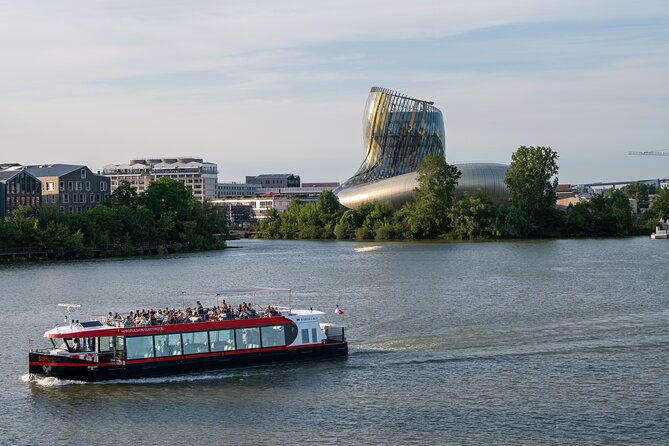
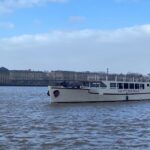
Think of this as a moving city viewpoint. The boat gives you that rare mix of fresh air and comfortable seating, with the river doing the “scrolling” for you.
The guide’s job is to keep the story flowing as scenery changes. Some days the commentary comes across smooth and fun, with guides like Rory and Iona known for being engaging and friendly. You’re not just hearing dates—you’re picking up the why behind the landmarks.
Still, consider one weak spot: sound quality can vary, and language balance can be imperfect. On some runs, English is clearly part of the experience. On others, it may be more limited than you hoped. If you’re planning around getting every word in English, sit where you can hear best and don’t expect perfect translation throughout every moment.
The first bridge sequence: Pont Chaban-Delmas and Pont d’Aquitaine
Right away, the cruise leans into Bordeaux’s bridge identity. From the Garonne, the big crossings become more than infrastructure—they become scale models of the city.
You’ll see the Pont Chaban-Delmas up close, which helps you understand why Bordeaux can feel both historic and modern. The bridge framing also gives you a clean view of riverside facades tied to the city’s UNESCO status. It’s the kind of scene where your photos look better than your memory afterward—so keep looking around, not only at your camera.
Then the route connects to the wider span of bridges, including the Pont d’Aquitaine. If you’re the type who likes “I finally get what this looks like” moments, these sections deliver. Seeing a bridge from water-level perspective makes it easier to understand the city’s layout.
Cité du Vin context: architecture you can actually clock
The cruise doesn’t treat Cité du Vin like a quick photo stop. It gives you context for why the building is the way it is. Even if you’re not doing an inside visit, you’ll understand more about what you’re looking at when you’re standing on the street later.
The guide’s commentary helps turn the architecture into story. That’s the real value of this stop: architecture can look like “just a weird shape” until you get the background that makes it make sense.
If you’re food-and-wine curious, this part pairs nicely with what the cruise eventually offers to taste. It gives your wine interests a city anchor.
You can also read our reviews of more guided tours in Bordeaux

Pont de Pierre: classic stone bridge energy
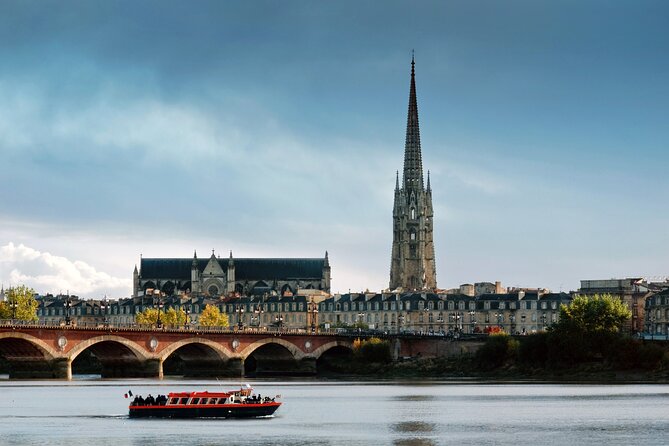
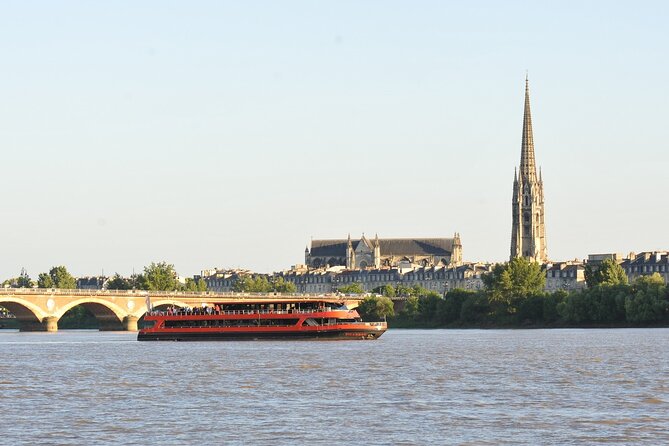
After the first big bridge views, the cruise moves to the Pont de Pierre. This is the bridge that feels most traditional in style, and it works well as a tonal shift from the larger, more modern-looking spans.
From the river, the stone bridge sits with the city like it’s been there forever. That’s helpful for understanding how Bordeaux developed in layers—old and new side by side, not in separate eras.
The stop is also a useful reset for your attention. By this point you’ve got the visual framework. Now you can listen harder, because the landmarks feel familiar as they pass.
Place de la Bourse: where the river meets the grand facade
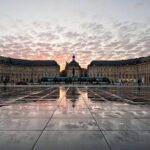
Next comes Place de la Bourse, one of Bordeaux’s signature public spaces tied closely to the waterfront view. From the boat, you can appreciate the square as part of a bigger river scene rather than as an isolated spot.
This is one of those places where your brain starts sorting landmarks into categories: grand stone facades, historic streets, and the river as the connecting spine. Once you’ve got that, walking around the area afterward becomes easier.
Even if you don’t hop off for photos, you’ll likely feel you’ve “visited” it from the water. That’s what you’re paying for: a fast, high-quality perspective shift.
Cailhau Gate and the feeling of old Bordeaux

The Cailhau Gate is one of the stops that makes the cruise feel like more than sightseeing. It gives you a tangible reminder that Bordeaux had protective edges and defined entry points, not just open streets.
From the river, the gate also reads differently. You can see it as part of the historic shoreline logic—how power, trade, and movement lined up with the water.
This section is often where the guide’s storytelling lands best, because the scenery is naturally “explainable.” If you’re hoping for a UNESCO-feeling moment, this is a strong candidate.
Place des Quinconces and Jacques Chaban-Delmas Bridge: big geometry

Then the cruise shifts toward Place des Quinconces and connects to the Jacques Chaban Delmas Bridge. (You’ll see the name appear in different ways, but you’ll recognize the bridge by sight when it comes into view.)
These segments help you zoom out. Place des Quinconces is known for its scale, and seeing it from water-level framing helps you understand how Bordeaux organizes space for crowds and ceremonies, not just private streets.
It’s also a reminder that Bordeaux’s UNESCO charm isn’t only about old stone. It’s also about the way the city was planned and rebuilt across time, with new structures fitting into old urban rhythms.
Wine city vibes: the route makes Bordeaux’s trade history visible
When you hear Wine City mentioned, it’s basically the cruise’s way of tying the scenery to Bordeaux’s global reputation. You’re riding through an area shaped by the wine economy—where warehouses, docks, and city infrastructure all linked to the river.
This is where a good guide earns the ticket price. The boat moves fast, but the commentary helps you understand what you’re passing, even if you don’t stop for a long walk.
If you’re thinking about planning a second visit focused on wine culture, this moment helps you decide what to prioritize. You’ll be able to point at parts of the city and say, that’s where the wine story starts.
Canelés and a break with bar service: the tasty payoff
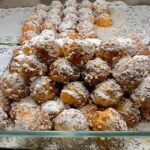
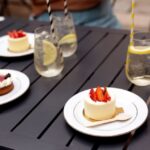
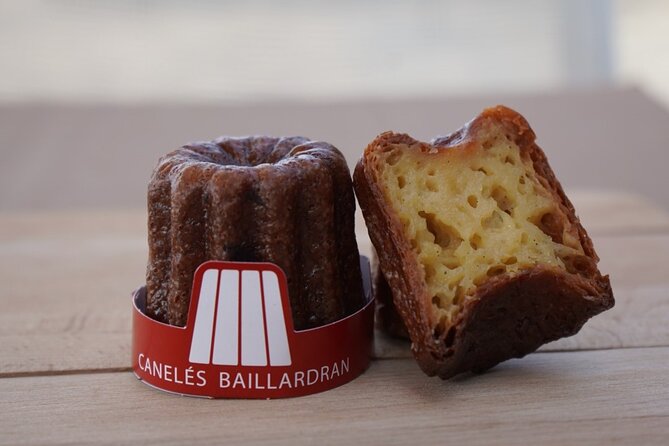
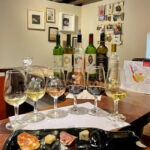
One of the strongest reasons to pick this cruise is the snack-and-sips rhythm. You’ll taste Baillardran canelés, plus there’s filtered water provided. A bar is open on board during the break, so you can keep the cruise easy without hunting for a café mid-trip.
Canelés are one of those Bordeaux treats that people talk about, but you’ll only truly get it when you try one warm and fresh. This stop makes that happen in a short time window. If you’ve never tried canelés, this is a low-stress introduction.
Timing matters, too. Because the food moment is built into the cruise, you don’t have to coordinate your schedule around it. It’s just there when the route gives you a breather.
Language and audio: how to make sure you catch the story
This cruise is offered in English, and some guides manage a smooth bilingual flow. But the experience can vary day to day. Sound clarity is not guaranteed, and at least one English speaker found the system hard to follow due to audio volume and accent.
Here’s how you protect yourself:
- Sit where you can hear the guide, not where you can only see the scenery.
- Don’t assume every minute will be translated equally.
- If English is your main priority, choose a time when you can stay attentive without rushing.
The good news: several guides are described as funny, friendly, and engaging—names like Rory and Iona come up for a reason. When the audio works, the commentary feels like a guided walking tour, just faster.
How long is long enough for Bordeaux highlights?
At about 1 hour, you’ll cover a lot of the key waterfront logic: major bridges, waterfront squares, gates, and the wine-themed city context. This is ideal if you’re:
- short on time,
- arriving for the first time,
- or want a “get your bearings fast” experience before you plan walking routes.
It’s not ideal if you want deep study of any one place. There’s no long stop for lingering. You’re catching views, listening to stories, and moving on.
A practical strategy: use the cruise as a planning tool. After you’re back on land, pick 1–2 places you want to see closer (often the ones you enjoyed most from the river).
Who should book this cruise (and who should skip it)
I’d recommend this Bordeaux UNESCO guided cruise if you want an efficient mix of history, major landmarks, and tasting without a heavy walking day. It’s also a solid fit if you like “architecture from unusual angles,” because the bridges and waterfront framing do real work.
I’d hesitate if:
- you need consistently clear audio and full English narration every minute, or
- you’re hoping for an in-depth UNESCO building-by-building tour.
The cruise is meant to be approachable. That’s its strength, but it also explains the limitations.
Should you book the Bordeaux UNESCO guided cruise?
If your goal is a one-hour highlights circuit that shows Bordeaux’s UNESCO-listed waterfront through the Garonne, this is an easy yes. The combination of up-close bridge views, classic landmarks like Place de la Bourse and Cailhau Gate, and the Baillardran canelés tasting makes the ticket feel practical, not flashy.
Book it if you’ll appreciate perspectives more than lectures. Skip it if you’re counting on perfect English and crystal-clear sound the whole time.
When you do book, aim to arrive a little early at Quai Richelieu so you can get a seat where you can hear the guide. Then let the river do the heavy lifting.
FAQ
How long is the guided cruise?
It runs for about 1 hour (approx.).
Where does the tour start and where does it end?
It starts at the Pontoon of honor on Quai Richelieu, 33000 Bordeaux, and it ends back at the same meeting point.
What language is the tour offered in?
The tour is offered in English.
Do I need to bring a printed ticket?
No. You’ll use a mobile ticket.
What’s included in the price?
The guide, bottled water (free fresh filtered water), an air-conditioned vehicle, a restroom on board, and a bar open on board during the break.
Are snacks included?
No snacks are listed as included.
How many people are on the cruise?
The tour has a maximum of 150 travelers.
Is the cruise accessible and suitable for most people?
Most travelers can participate, and service animals are allowed.
What if the weather is bad?
The experience requires good weather. If it’s canceled due to poor weather, you’ll be offered a different date or a full refund.
What is the cancellation policy?
You can cancel for free up to 24 hours in advance for a full refund. Changes made less than 24 hours before the start time aren’t accepted, and refunds follow the 24-hour rule based on local time.