REVIEW · GRASSE
Grasse: Perfume Workshop
Book on GetYourGuide →Operated by MOLINARD Parfums · Bookable on GetYourGuide
The best part of this Grasse activity is simple: you leave with a 30 ml perfume of your own recipe, not just a scented souvenir from a shop shelf. At Molinard, you choose one of three bases, add from six scent notes, and fill your own atomizer with help from a guide.
I like the small group of five, which gives you room to smell, decide, and ask questions. I also like the setting: a historic Molinard factory, where a family perfume business has worked since 1849. The catch is the clock. Twenty minutes is enough for a quick introduction, but not enough for a thoughtful, many-stage perfume lesson.
In This Review
- Key points to know before you book
- Creating your perfume at Molinard in Grasse
- What happens during the 20-minute session
- The historic factory setting
- Is $40 a good value?
- Timing, arrival, and group size
- Language and accessibility
- Who will enjoy this most?
- How to get the most from the experience
- Should you book the Molinard perfume workshop?
- FAQ
- How long does the Molinard perfume workshop last?
- How much does the experience cost?
- What do I create during the workshop?
- Which languages are available?
- Is the activity suitable for children?
- How many people can join the group?
- Is the workshop wheelchair accessible?
Key points to know before you book
- You make a real 30 ml atomizer: Your finished bottle is included, and you select the base and added notes yourself.
- The workshop lasts only 20 minutes: It is lively and easy to fit into a day in Grasse, but the pace is brisk.
- The group is capped at five people: This keeps the activity personal and makes it easier to get help.
- You choose from three bases and six notes: The choices include woody, floral, and fruity styles.
- Barbara has guided some sessions: She was praised for explaining clearly in both French and English and for helping participants make decisions quickly.
- The factory visit has limits: You see a historic perfume setting, but do not expect a full working production tour with real flowers and running machinery.
Creating your perfume at Molinard in Grasse
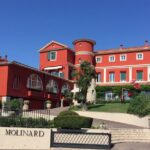
Molinard’s roots reach back to 1849, and five generations of the family have continued the business in Grasse. That matters because this is not simply a craft class set up for passing visitors. You are working inside a long-running perfume house in the town widely known as the world capital of perfume.
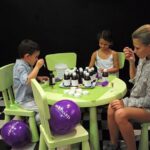
The workshop itself is designed as a fast introduction. You stand at the perfume bar while the guide explains the basic idea of perfume structure and helps you work through the available choices. You are not asked to design a fragrance from dozens of raw materials. Instead, you get a manageable menu: three bases and six notes.
That limited menu is both the strength and the weakness of the experience. It keeps the activity friendly for children and first-time perfume makers. You can make decisions without getting lost in a wall of tiny bottles. But if you already know a great deal about fragrance, you may find the range narrow.
The notes cover broad families such as woody, floral, and fruity. The precise combination you create depends on your selections, so your bottle becomes a personal blend rather than a standard Molinard product. You then put the perfume into a 30 ml atomizer, which is included in the $40 price.
I like this format for a first taste of perfume making. You learn that fragrance is built by combining different scent directions, then get something useful to take home. The finished bottle also gives the experience a clear payoff. You are not paying only for a talk and a few test strips.
A few more Grasse tours and experiences worth a look


What happens during the 20-minute session
The activity moves through a few key steps rather than a long formal lesson. The guide introduces the perfume-making process, presents the base scents, and lets you compare them. You then smell the six available notes and choose the combination that appeals to you.
The pace is quick, but the small group helps. With no more than five participants, you do not have to wait behind a large crowd while everyone makes a decision. A guide can move from person to person and explain a choice again if needed.
In one session, Barbara explained the material in French and English, checked that everyone understood, and helped participants settle on their blends. That kind of patient guidance matters here because the activity gives you little time to second-guess every option.
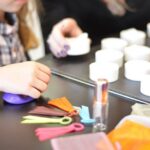
After choosing your base and notes, you put the perfume into the bottle. The result is a 30 ml atomizer made during your visit. The process is hands-on, but it is also controlled and simple. You are not handling a full laboratory setup or learning a professional formula from start to finish.
You should arrive ready to make decisions. Smell each option, note which ones appeal to you, and avoid spending the first half of the session trying to analyze every scent in detail. If you want a more relaxed experience, Molinard offers longer workshop formats, according to the information available for the venue. The short version works best when you see it as a playful introduction.
The historic factory setting
The Molinard building adds a useful sense of place. You are in a historic perfume factory connected with one of Grasse’s old family businesses, rather than in a generic retail classroom. The setting gives the activity a link to the town’s perfume identity.
Still, keep your expectations in check. The included factory visit does not appear to be a full behind-the-scenes production tour. Some parts of the space may feel more like a historic display and perfume shop than an active manufacturing floor.
One participant specifically found that the factory did not have real flowers or working machines and equipment on view. That is an important point if you are hoping to watch perfume being produced from fresh plants. You may see the setting and learn about the process, but this short activity does not promise a functioning factory demonstration.
I would treat the building as context for the workshop, not the main event. The strongest part is making your own fragrance. The factory gives that activity a connection to Molinard’s past and to Grasse’s perfume tradition.
If you have time, combining this workshop with the free tour is a sensible plan. The free tour can give you more background, while the 20-minute session lets you make something yourself. Together, they should feel more complete than the workshop alone.
Is $40 a good value?
At $40 per person, the activity is reasonably priced for a short, hands-on souvenir experience in Grasse. The most important value comes from the included 30 ml bottle of your own blend. A personalized perfume is more memorable than a standard purchase, and the activity gives you a story to attach to it.
The price looks less attractive if you want a full perfume course. Twenty minutes leaves no room for an extended lesson on raw materials, perfume history, scent families, or repeated formula testing. You get an introduction and a finished product, not professional training.
For families, the price can make sense because the format is short and the activity is open to children from age six. A young participant can smell the options, choose favorites, and take home a bottle made during the visit. The limited number of choices also prevents the session from becoming too technical.
For a solo participant, 20 minutes is usually enough to complete the process. One person who attended alone found the timing manageable, especially with the guide’s help. Couples and small groups may enjoy comparing their choices and seeing how different the finished blends are.
I would book it if you want a compact activity that fits between other Grasse sights. I would look for a longer workshop if the act of perfume making is the main reason for your visit.
Timing, arrival, and group size
The listed duration is 20 minutes, and starting times depend on availability. That short length makes the activity easy to add to a day in Grasse, but it also makes punctuality essential.
A delay can result in cancellation of the workshop. This is not the kind of booking where you can stroll in ten or fifteen minutes late and expect the group to wait. Leave extra time for reaching the venue, parking, and finding the entrance.
Parking is included, which helps if you are exploring Provence by car. You should still plan your arrival rather than cutting it close. The experience offers skip-the-ticket-line access, but that does not remove the need to be present at the scheduled time.
The small group limit of five is one of the best practical features. A large class would make a 20-minute perfume activity feel rushed and impersonal. Here, the guide can give direct help, and each person has a fair chance to smell the options and fill the atomizer.
Only registered participants may attend. An accompanying friend or family member who has not booked a place cannot sit in on the workshop. That rule matters for families, especially if one adult plans to watch while another participates.


Language and accessibility
The workshop is offered in English and French. The guide explains the choices and the process in the selected language, and some sessions may use both languages for a mixed group. Barbara, in particular, was noted for explaining in French and then English while making sure participants were following along.
The activity is wheelchair accessible. The information provided does not describe every detail of the route through the building, so you may still want to confirm any specific access needs before booking. The workshop itself takes place at the perfume bar and is presented as suitable for wheelchair users.
Wear comfortable clothes and bring water. A camera is also listed as something to bring, useful for recording the setting and your finished bottle. Food and drinks are not included, so plan those separately during your time in Grasse.
The experience is suitable for children from age six. That does not mean every child will enjoy it equally. A child who likes smells, mixing, and making personal choices should have fun. A child who needs a long, highly visual demonstration may find the quick format less engaging.
Who will enjoy this most?
I would recommend the workshop to several kinds of visitors:
- First-time visitors to Grasse: You get a quick introduction to the town’s perfume identity without giving up much sightseeing time.
- Families with children age six and older: The activity is short, tactile, and ends with a personal bottle.
- Couples and friends: Comparing three bases and six notes gives you an easy way to make different choices.
- Solo visitors: The group is small, and the guide can provide direct help.
- Shoppers who want a personal souvenir: You take home something tied to your own selections rather than a mass-market gift.
I would be more cautious if you are a serious fragrance enthusiast. The selection is limited, and the workshop does not provide the time needed to develop a complex formula. You might prefer one of Molinard’s longer perfume courses, using this short session only if your schedule is tight.
It also may not suit someone expecting a working factory tour. The historic setting is worthwhile, but the short activity does not promise real flowers, operating machinery, or a detailed production demonstration.
How to get the most from the experience
Go in with a simple plan. First, smell the three bases without trying to make a final decision immediately. Then sample the six notes and notice which ones you naturally return to. Since the session is short, trusting your first clear preferences is often more useful than chasing a perfect formula.
Ask the guide for help if two options seem close. The point is not to prove that you already understand perfume. A guide such as Barbara can explain the choices and help you settle on a blend that fits the base you selected.
If you are traveling with children, let them take part in the decisions. The bottle is small enough to be manageable, and the activity offers a clear beginning and end. Keep in mind that every participant needs a reservation, including children who will join the workshop.
Build in time for the shop and the factory setting if you want to look around. The workshop itself is only 20 minutes, but you may want a few extra minutes for photos or to consider other Molinard products. Do not mistake that browsing time for part of the scheduled class.
Most of all, remember what you are buying. This is a compact creative activity with a 30 ml result. It is not a full perfume education, but it gives you a personal connection to Grasse and a bottle that recalls your visit.
Should you book the Molinard perfume workshop?
Book it if you want an affordable, easy-to-fit activity where you make something yourself. The personalized atomizer, small group, bilingual guidance, and historic setting give the $40 price solid value, especially for families, couples, and first-time visitors to Grasse.
Skip it if you want a long, technical class or a working-factory demonstration. In that case, choose a longer Molinard workshop and consider adding the free tour for more background.
For most people, the right expectation makes this experience work: arrive on time, choose your scents without overthinking, and enjoy a quick introduction to the perfume traditions of Grasse.
FAQ
How long does the Molinard perfume workshop last?
The workshop lasts 20 minutes. Starting times depend on availability.
How much does the experience cost?
The price is $40 per person.
What do I create during the workshop?
You create your own 30 ml perfume atomizer by choosing from three bases and six notes.
Which languages are available?
The workshop is available in English and French.
Is the activity suitable for children?
Yes. The workshop is suitable for children from age six.
How many people can join the group?
The activity is limited to five participants.
Is the workshop wheelchair accessible?
Yes. The experience is described as suitable for wheelchair users.