REVIEW · BORDEAUX
From Bordeaux: Saint-Emilion and Pomerol Wine Tour
Book on GetYourGuide →Operated by Vert Bordeaux · Bookable on GetYourGuide
A quick van ride, then seven wine pours. This small-group tour takes you from Pomerol to Saint-Émilion for winery education, tastings, and a photo-friendly village finish. You start at the Cité du Vin area, then spend the morning (or day) in two very different tasting settings, ending with macarons and panoramic viewpoints.
I especially like how the tour gives you both production and tasting: you see the cellar work (including a vat room and barrel cellar) before you taste, so the flavors make more sense. I also like the pacing and balance—three red wines at the first stop, four at the second—so you can actually compare rather than just collect glasses. And if you’re lucky with timing, your guide could be Emanuel, who’s been noted for clear explanations and an energetic, friendly approach.
One thing to consider: it’s about walking and it’s not suitable for wheelchair users or kids under 12. Also, there’s no lunch and no bottle of water included, so come ready with a water plan and don’t expect time to linger for snacks.
In This Review
- Key things that make this tour worth your time
- Meeting at the Cité du Vin: an easy start point
- Pomerol’s organic winery: where you learn the method before the flavor
- The tasting skills you build in Pomerol
- Saint-Émilion Grand Cru Classé: comparing style, vintage, and climate
- The Saint-Émilion village walk: medieval streets plus real photo time
- Macarons and the sweet landing
- Price and value: why $99 can make sense
- Logistics that matter on the day
- Who this tour is best for
- Should you book this Bordeaux wine tour?
- FAQ
- Where do I meet for the tour?
- How long is the tour?
- Is the tour only in French?
- How many red wines will I taste?
- Is lunch included?
- Do I need to bring water?
- Who is this tour not suitable for?
Key things that make this tour worth your time
- Organic Pomerol winery first: you get production context early, then taste right after seeing how it’s made.
- Two estates, seven total red wine tastings: structured comparisons instead of random sampling.
- Saint-Émilion Grand Cru Classé stop: estate character plus talk about how climate shapes different vintages.
- Village walk that ends with macarons: history on foot, then a sweet bite and photo spots.
- Small group (up to 8): more chances to ask questions instead of watching from the back.
- Comfort-first details matter: comfortable shoes and a camera pay off, since you’ll be moving through village viewpoints.
Meeting at the Cité du Vin: an easy start point
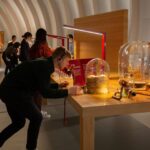
I like starting near the Cité du Vin because it’s simple to find and it sets the tone: you’re in Bordeaux wine country, not in some far-flung meeting point. You meet in front of the entrance of the Cité du Vin, then you’re on a van journey toward Pomerol.
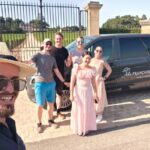
The ride itself is part travel, part decompression. With a 9-seater van and a small group capped at 8 participants, the vibe stays calm and you can actually hear the guide’s orientation. Plan for about an hour’s worth of total driving time across the day, with shorter transitions between stops, so you won’t feel like you’re spending the whole experience stuck in traffic.
Because this is a “short and focused” tour (about 5 hours total), the guide keeps things moving. That’s a plus if you hate rushing through a bunch of stops, but it also means you’ll want to show up ready to walk and taste.
You can also read our reviews of more wine tours in Bordeaux

Pomerol’s organic winery: where you learn the method before the flavor
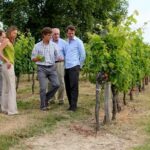
Pomerol is one of Bordeaux’s most famous names, and this tour starts you there in a way that makes the region easier to understand. The first winery visit is an organic estate, which means the talk often centers on vineyard care and how practical choices in the vineyard show up later in the wine.
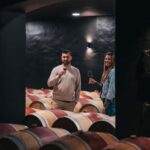
You’ll get a guided walk-through of the core winemaking steps—think of it as translating what you usually only see on labels into real processes you can picture. You’ll also see the vat room and the barrel cellar, which is where the “why” starts to click. When you’ve seen storage and aging setups, it becomes easier to notice differences when you taste.
Then comes the tasting: three red wines at this first stop. Three is a smart number. It’s enough variety to learn something, but not so many that you lose track. I also like that the tasting comes after seeing the spaces, because your senses stay connected to what you just toured rather than turning into a blur of pours.
One practical note from real-world tasting flow: at least one group found the glass situation slightly awkward when the same glass was used across three wines. If you’re picky about tasting hygiene or prefer a fresh glass for each pour, keep that in mind and politely ask the staff how they handle glass changes.
The tasting skills you build in Pomerol
This first winery stop is more than “pretty cellar photos.” If you pay attention, you’ll start picking up how to compare red wines without needing a sommelier vocabulary.
Here’s what helps you get more from those three pours:
- Notice texture and weight first, not just fruit flavors.
- Try to link what you tasted to what you saw in the barrel cellar or vat room.
- Ask questions while it’s fresh: the guide’s explanations are timed to support the tasting, not to fill dead air.
Even if you’re a beginner, that sequence builds confidence. You leave feeling like you learned a method, not just collected samples.
Saint-Émilion Grand Cru Classé: comparing style, vintage, and climate
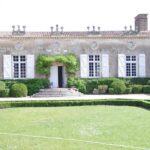
Next you head to Saint-Émilion, and the second winery stop is a Grand Cru Classé estate. This matters because it’s a recognizable tier within the region’s wine world, and it usually comes with more formal hosting and a clear “estate character” story.
You’ll get an introduction to the estate’s history and the characteristics of its wines. Then you taste four red wines, with the tour guide also comparing how climate affects different vintages. That part is valuable because it turns the abstract idea of weather into something you can actually taste. In practical terms, you’re trying to connect changes in growing conditions to the way a wine expresses itself year to year.
Four wines at the second stop also works well psychologically. After three at Pomerol, you’re already warmed up. You can pay closer attention to contrast—how one estate’s style differs from the other, and how the wines express vintage variation.
This is also where the tour’s small-group format really pays off. With a limited group size, you’re more likely to get your personal question answered rather than letting the moment pass.
The Saint-Émilion village walk: medieval streets plus real photo time
After the wineries, you’ll finish with a short tour of the village of Saint-Émilion. This is the cultural side of the day, and I like that it’s not long enough to drag. You get an overview of the medieval history of this celebrated village, enough to give you bearings while you wander.
Then there’s the part you’ll remember: the viewpoints. The tour includes time for photos from panoramic spots, and you’ll see why this town is so beloved. Even if you’re not a “big view” person, you’ll appreciate the way the village frames the surrounding wine landscape.
The walk also adds a needed reset from the cellar environment. You go from indoor tasting rooms back to outdoor light and stone streets—good for your senses and good for your camera roll.

Macarons and the sweet landing
To cap things off, you’ll taste Saint-Émilion macarons. It’s a small inclusion, but it’s smart. After hours of red wine tastings, a sweet bite helps balance the experience, and it gives you a local-food souvenir you can actually eat right then.
Because the tour doesn’t include lunch, this sweet stop matters more than it might on a full-day program. If you tend to get hungry, plan accordingly. There’s also no bottle of water included, and food and drinks aren’t permitted in the van, so bring your own water before you start (and sip it between stops).
Price and value: why $99 can make sense
At $99 per person for about 5 hours, the value is mostly in what’s bundled. You’re paying for:
- Transportation from Bordeaux in a 9-seater van
- A live guide (French and English)
- Visits to two wineries
- Tastings totaling seven red wines
- The Saint-Émilion village walk
- A macaron tasting
If you were to try to assemble this yourself—getting to two estates, arranging tastings, and coordinating a village walk—you’d spend time and often money without the same structure. This tour is efficient: you show up, follow the plan, taste with context, and leave with a clear “I learned something” feeling.
What you should weigh against the cost is your comfort with the format. It’s not a slow, leisurely day with lots of free time. It’s a guided, tasting-forward experience. If that’s your thing, the price can feel fair. If you want a long lunch, lots of wandering, or multiple breaks, you’ll want a different style of tour.
Logistics that matter on the day
This is one of those tours where small details affect how enjoyable it feels.
Wear comfortable shoes. You’ll be walking through the village, and the tour is structured around movement rather than long sitting breaks.
Bring a camera because the panoramic photo spots are part of the payoff. Also bring water since there’s no bottle included.
Group size is small (limited to 8), which is great for questions and for hearing explanations. It’s also why the schedule feels smooth: the guide can keep things tight without herding a crowd.
If you’re traveling with children: it’s not suitable for kids under 12, and it’s not designed for wheelchair users. If that affects you, skip this one and look for an accessible alternative.
Who this tour is best for
I think this fits best if you want:
- A guided introduction to Pomerol and Saint-Émilion
- Winery visits that explain process before you taste
- A compact day with tastings that add up to something meaningful
- A village finish with history and views, not just wine rooms
If you’re a hardcore wine nerd who already knows every appellation detail, you might still enjoy the structure, but you’ll want to ask lots of specific questions during tastings to keep it from feeling like an overview. If you’re a first-time wine traveler, this is a strong entry point because it doesn’t assume you already speak wine.
Should you book this Bordeaux wine tour?
Book it if you want a short, well-organized day that balances cellar education with real tastings and a satisfying finish in Saint-Émilion. The small-group size, seven red wine tastings, and the mix of organic Pomerol production plus a Grand Cru Classé estate make it a solid value for a limited-time trip.
Skip it if you need a long sit-down meal, if you can’t handle some walking, or if you’re sensitive to tight schedules and tasting-house timing. Also consider that tasting logistics like glass handling can vary by stop—if that matters to you, ask during the tasting.
If you like your wine days structured (and you want both views and village flavor at the end), this one is worth your booking time.
FAQ
Where do I meet for the tour?
You meet in front of the entrance of the Cité du Vin (wine museum).
How long is the tour?
The tour duration is about 5 hours.
Is the tour only in French?
No. The live guide speaks both French and English.
How many red wines will I taste?
You’ll taste three red wines at the first winery and four red wines at the second winery.
Is lunch included?
No, lunch isn’t included.
Do I need to bring water?
Water isn’t included, so you should plan to bring your own.
Who is this tour not suitable for?
It’s not suitable for children under 12 and it isn’t designed for wheelchair users.