REVIEW · BORDEAUX
From Bordeaux: Médoc & Margaux Wine Tour Classified Growths
Book on GetYourGuide →Operated by Vert Bordeaux · Bookable on GetYourGuide
Two Bordeaux wine stars in one tight loop. You start at the Cité du Vin and move through Cru Bourgeois then Grand Cru Classé 1855, with real estate tours and tasting built in. It’s a fast hit of Médoc and Margaux, without the hassle of planning two separate day trips.
I really like the mix of farm-to-bottle learning plus the tasting time. You’re not just watching pours; you get guided tours of both estates, including technical facilities, and you’ll taste multiple reds along the way.
One thing to consider: even with English/French support, groups can be mixed, so you may want to brush up on basic wine terms—or go with a friend who can help translate in a pinch.
In This Review
- Key highlights worth showing up for
- Bordeaux wine tour timing that actually works (4 hours, two regions)
- Meet at the Cité du Vin and roll out in a small 9-seat van
- Stop 1 in Ludon-Médoc: Cru Bourgeois with an organic vineyard mindset
- What you get during this stop
- The main drawback to plan for
- Stop 2 in Margaux: an 1855 Grand Cru Classé visit with biodynamic or organic farming
- What you get during this stop
- Small consideration: tastings can vary slightly
- Wine tasting approach: how to get more from 6+ pours
- Price and value: is $89 fair for two estates and multiple tastings?
- Best for whom (and when to skip it)
- A realistic packing list so the day stays pleasant
- Should you book the Médoc & Margaux Classified Growths tour?
- FAQ
- Where does the tour start?
- How long is the tour?
- How many wines will I taste?
- What’s included in the price?
- Is lunch included?
- Do I need to bring anything?
- Is this tour suitable for children or mobility needs?
Key highlights worth showing up for

- Cru Bourgeois + Grand Cru Classé 1855 in the same 4-hour rhythm, so you compare two Bordeaux “tiers” back to back
- Organic or biodynamic growing focus, not just a label on the cork
- At least 6 wines tasted (mainly red) across two estates, with structured time to sample and reset
- A small group capped at 8, kept lively by a friendly, local guide (Vincent gets named often in past departures)
- Estate tours that include technical areas, so you see how the wine is actually made, not only where it’s stored
- You need to plan around tastings since lunch isn’t included and you’ll do some walking
Bordeaux wine tour timing that actually works (4 hours, two regions)

This is the kind of tour that fits into a real vacation schedule. Four hours is short enough to stay flexible, but long enough to do two meaningful estate visits in Médoc and Margaux. The payoff is comparison: you taste and learn across two different Bordeaux classifications, without spending half a day on logistics.
There are two departure windows tied to the same meeting spot. You’ll either start at 9:25 am or at 2:25 pm, with about 15 minutes of buffer back in Bordeaux at the end. The morning run naturally feels better if you like a full day afterward; the afternoon run works if your mornings are for walking the city or museum time.
You can also read our reviews of more wine tours in Bordeaux

Meet at the Cité du Vin and roll out in a small 9-seat van

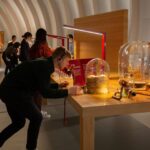
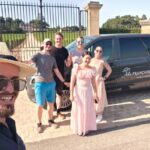
You meet in front of the Cité du Vin (Wine Museum), at 134 Quai de Bacalan. Arrive about 5 minutes early so you’re not stressing while everyone else gets checked in. From there, you head out by van—small enough to feel personal, big enough to keep the day moving.
A detail I like: you’re not on a huge bus with strangers from ten countries who all need different explanations at the same time. The group is limited to 8 participants, and the van seats 9 total for the ride, which helps keep the schedule tight and the guide’s attention focused.
Also, the tour includes some walking, and no luggage or large bags are accepted. Bring what you need for a short outing: comfortable clothes, sun coverage, and a water bottle you can actually finish.
Stop 1 in Ludon-Médoc: Cru Bourgeois with an organic vineyard mindset

Your first estate visit is designed for learning. You start in the Ludon-Médoc area and tour a winery associated with the Cru Bourgeois classification. The goal here is practical: how the wine is made, how the vines are managed, and how the estate operates as an “at work” vineyard rather than a showroom.
You’ll discover how the wines are produced and how an organic vineyard is run. That matters because it changes what you look for during tasting. With organic growing, you’re often paying more attention to vineyard health and harvest choices—details that can show up in the glass as balance and texture.
What you get during this stop
- A guided estate tour focused on how the wines come to life
- A tasting of 3 wines from the estate (and the overall included tasting time here is built to reach the day’s minimum wine count)
The main drawback to plan for
This stop is early in the day and it’s a tasting day, so pace matters. Eat breakfast first. This tour explicitly warns you to do that because you’ll be sampling wine soon after departure.
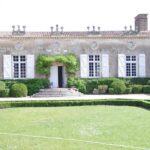
Stop 2 in Margaux: an 1855 Grand Cru Classé visit with biodynamic or organic farming

Then the tour shifts gears to the village of Margaux. This is where Bordeaux wine lovers start paying attention to terroir, tradition, and precision. You’ll visit a second estate tied to the Grand Cru Classé 1855 system and the focus is again on vineyard approach.
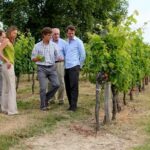
This Margaux estate grows vines organically or biodynamically. You’ll tour the technical facilities, which is a big deal if your brain keeps asking how a top-class wine gets made. It’s not just “come look at barrels.” You see how production happens, which makes the later tastings easier to understand.
What you get during this stop
- A guided tour of the estate and facilities
- A tasting of 3 wines, including wines from the Grand Cru Classé 1855 side of the estate
This is also where the tour tends to feel most impressive for people who want classic Bordeaux structure. The reds here usually lean into that 1855-style elegance—think depth, but also restraint.
Small consideration: tastings can vary slightly
The tour experience is advertised as at least 6 wines, with tasting time at each estate. Still, one past participant noted they received 5 wines instead of 6 (even though 6 were advertised). If getting an exact number matters a lot to you, keep expectations flexible and think of it as a “minimum tastings experience” rather than a strict checklist.
Wine tasting approach: how to get more from 6+ pours

Wine tasting on a schedule is a skill. You’ll have several samples in a short day, mainly red wine. That means your best strategy is to slow down for the first sip, then speed up your notes.
Here’s what I suggest doing with each tasting:
- Smell once, then taste once. Don’t churn through all your guesses at the same time.
- Compare by structure: acidity (does it feel crisp?), tannin (does it dry your mouth?), and finish (how long does the flavor hang around?).
- Ask your guide the “why” behind the style. Organic/biodynamic practices often show up as subtle shifts in balance, not just aroma.
And yes—this tour includes tasting, so water matters. The water bottle you bring won’t be provided. In practice, it keeps you sharp for the next estate, and it helps you avoid the classic end-of-tour faceplant.
Price and value: is $89 fair for two estates and multiple tastings?

At $89 per person for roughly 4 hours, you’re paying for more than “wine.” You’re paying for:
- Transportation in a 9-seat van
- A driver + local guide
- Two estate visits (Cru Bourgeois, then Grand Cru Classé 1855)
- Multiple guided tastings (built to reach at least 6 wines)
- Visits that include tours of how the wine is made, including technical facilities
The value is strongest if you don’t want to drive yourself, and you want the background to make the tasting feel meaningful. If you’re just hunting for alcohol on a schedule, you might feel it’s pricey. But if you want context—why these places are classified, how the vineyard practices work, and how production shapes the glass—this price lands in a fair spot.
Also, the small-group cap helps. When you’re only eight people, you’re more likely to get real interaction rather than listening to the guide talk at full volume into the back row.
Best for whom (and when to skip it)

This tour fits best if you:
- Want a short Bordeaux wine day that still includes real estate tours
- Like the idea of comparing Médoc Cru Bourgeois to Margaux 1855 in one trip
- Prefer small groups and a friendly local guide who can explain what you’re tasting
It may not fit if you:
- Need an experience with no walking (this tour includes some walking)
- Travel with children under 12 (not suitable)
- Have mobility impairments (not suitable)
Language is another practical factor. The tour runs in French and English, but the group can include French speakers, and English explanations might not always be as detailed as you want. If you’re comfortable speaking up for clarification, you’ll probably get a better experience.
A realistic packing list so the day stays pleasant

This tour is simple, but it does have a few rules:
- Bring sunglasses (Médoc and Margaux light can be intense)
- Wear comfortable clothes
- Bring water (bottle of water isn’t included)
- Use sun/rain cover if the forecast looks unsure
- Avoid large bags since no luggage or large bags are accepted
And don’t forget the big one: eat breakfast. Wine tastings early in the day don’t pair well with an empty stomach, and the tour expects you’ll handle that.
Should you book the Médoc & Margaux Classified Growths tour?

If you want a Bordeaux wine day that feels organized, small-group, and focused on real estate visits, I think this one is worth booking. The biggest reason is the pairing: you get a Cru Bourgeois experience with organic vineyard practices, then you shift to Margaux for a Grand Cru Classé 1855 estate visit with technical tours and more tasting. It’s a neat comparison without the time sink of planning two separate trips.
Book it if you can do a bit of walking, you eat before tastings, and you’re happy with the idea that you’ll learn a lot through guided tours and structured sampling rather than a long, slow winemaking lecture.
Skip it if you need strict accessibility support or if exact tasting counts are a deal-breaker. In that case, you may feel better choosing a different format where the wine count is guaranteed to the glass.
FAQ
Where does the tour start?
You meet in front of the Cité du Vin (Wine Museum) at 134 Quai de Bacalan. Please arrive about 5 minutes before departure.
How long is the tour?
The tour lasts about 4 hours.
How many wines will I taste?
The plan is tasting of at least 6 wines, mainly red, across the two estate visits. (Some departures have reported receiving 5 wines.)
What’s included in the price?
Transportation from Bordeaux in a 9-seat van, a driver and local guide, a Cru Bourgeois winery visit with tasting of 4 wines, and a Grand Cru Classé 1855 winery visit with tasting of at least 2 wines.
Is lunch included?
No. Lunch isn’t included.
Do I need to bring anything?
Yes. Bring water, comfortable clothes, sunglasses, and eat breakfast before you start since the tour includes wine tasting.
Is this tour suitable for children or mobility needs?
It’s not suitable for children under 12 and not suitable for people with mobility impairments. The tour includes some walking.