REVIEW · PROVENCE
From Avignon : Wine tasting in Châteauneuf du Pape
Book on GetYourGuide →Operated by Ventourisme · Bookable on GetYourGuide
Châteauneuf-du-Pape is the Rhône Valley wine name most visitors already know, but this tour shows you the place behind the bottle. With guide Arnaud, you visit two wineries, taste at least six wines, and see the famous round stones scattered through the vineyards. The two white wines included in the tasting are a real treat, since white Châteauneuf-du-Pape makes up only about 8 percent of local production.
I like the small group, limited to six people, and the chance to compare two different wineries rather than sit through one long cellar visit. I also like the choice at the end: spend a few minutes at the castle ruins or stop among the rolled stones that help define the appellation. The main drawback is the tight three-hour schedule. One critical account reported a cramped vehicle, a shortened visit, and a total time closer to two hours, so this is best for a focused tasting rather than a leisurely full-day wine outing.
In This Review
- Key points at a glance
- From Avignon to the vineyards of Châteauneuf-du-Pape
- Two wineries and six wines in about two hours
- The 13 grape varieties and the meaning of terroir
- Choosing the castle or the rolled-stone vineyards
- What the three-hour schedule really offers
- Is $104 a person a fair price?
- Buying bottles and shipping them home
- Who will enjoy this experience most
- Practical tips for a smoother visit
- Should you book this Châteauneuf-du-Pape tour?
- FAQ
- Where does the tour start and finish?
- How long does the experience last?
- How many wines will I taste?
- Are white Châteauneuf-du-Pape wines included?
- Can I buy wine at the wineries?
- Can I choose what to see at the final stop?
- Is the tour available in English?
Key points at a glance

- Two wineries, at least six wines: Expect a useful side-by-side look at different producers, usually with both red and white Châteauneuf-du-Pape.
- Rare white wines included: White wines account for only about 8 percent of the area’s production, making these bottles harder to find outside France.
- All 13 permitted grape varieties: Arnaud explains the unusual rule that allows 13 grape varieties in Châteauneuf-du-Pape.
- A choice of final stop: Visit the village castle ruins or see the vineyard stones known as rolled pebbles.
- Small-group format: The vehicle and tour are limited to six participants, which allows for direct questions but may feel close in a full car.
- Easy Avignon pickup: Meet in front of Hôtel Le Bristol, then return to the same spot after about three hours.
From Avignon to the vineyards of Châteauneuf-du-Pape

The tour begins in front of Hôtel Le Bristol in Avignon. Look for a black car marked Ventourisme on the sides. Pickup and drop-off are included, and if you are staying outside Avignon, you should contact Arnaud before booking to see if another meeting place can be arranged.
The drive carries you out of Avignon and into the vineyards of Châteauneuf-du-Pape. This is a practical choice if you want to taste wine without worrying about driving, parking, or finding two wineries on your own. It also keeps the day compact. You spend about three hours away from Avignon, not an entire day, which leaves room for the Palais des Papes, Pont d’Avignon, or another Provence stop.
The group is capped at six. I generally prefer this size for wine visits because it keeps questions easy and prevents the tasting from feeling like a bus tour. The tradeoff is physical space. One dissatisfied customer found the vehicle cramped and felt the visit was hurried, particularly with two people paying €180 in total for a shorter-than-expected outing. That is one reason to confirm the pickup details and allow the full three-hour window in your plans.
You can also read our reviews of more food & drink experiences in Provence

Two wineries and six wines in about two hours

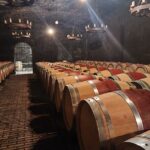
The central part of the outing is split between two wineries, with about one hour at each. The wineries are selected from more than 320 producers in the Châteauneuf-du-Pape area, and the experience is designed around tasting rather than a long meal or vineyard walk.
You will taste at least six wines in total. The advertised mix includes two whites and four reds, although the exact wines can vary. A particularly clear tasting example took place at Château de Vaudieu, where the group sampled three white wines and three red wines. That kind of lineup is useful because it lets you compare color, grape mix, and producer style without leaving the appellation.
The red wines are the local stars. Châteauneuf-du-Pape is known around the world for full-bodied reds, but the tasting should not be reduced to one standard profile. The local rules permit 13 grape varieties, and Arnaud explains how that broad mix shapes the wine. The important point for you is not memorizing all 13 names. It is understanding that two bottles from the same village can taste quite different depending on the producer’s blend, vineyard position, and growing conditions.
The white wines deserve special attention. They represent only about 8 percent of Châteauneuf-du-Pape production and can be difficult to find abroad. If you usually associate the appellation only with red wine, this is the part of the tasting most likely to change your expectations. Ask which grapes are in each white, how the wine was made, and how the producer expects you to serve it.
The visit is educational without being built around a formal wine course. English and French are offered, and the English explanation at Château de Vaudieu was described as detailed and easy to follow. Arnaud has also been praised for his friendly manner and strong guidance. If you have a question about a bottle, ask it at the winery rather than waiting until the car ride. The small group makes that easy.
The 13 grape varieties and the meaning of terroir

Châteauneuf-du-Pape is unusual because its appellation rules allow 13 grape varieties. That does not mean every bottle includes all 13. It means producers have a wide set of traditional grapes available when creating their wines.
For you, this makes the tasting more interesting than a simple red versus white comparison. Arnaud connects the wines to their place of origin, including the soil, the vineyard conditions, and the choices made by each winery. One tasting account specifically praised the chance to understand how much terroir influences the character of the wine.
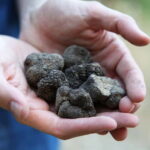
The local terroir is especially easy to see. Large, rounded river stones cover parts of the vineyards. They are often called galets roulés, or rolled pebbles. These stones are the visual calling card of Châteauneuf-du-Pape, and they give the vineyards a rough, stony appearance that is very different from the manicured look of a city park or formal garden.
You may get only five minutes at the stones, depending on the option you choose at the end. That is enough to see and photograph them, but not enough for an extended walk or a detailed geology lesson. If the stones are the part you most want to experience, tell Arnaud when the choice is offered. The visit is short, yet it gives useful context for the wines in your glass.
Choosing the castle or the rolled-stone vineyards

At the final stop, you choose between two brief options. One is the village castle, whose ruins point to the area’s medieval past. The other is a vineyard covered with the large rounded stones associated with Châteauneuf-du-Pape.
The castle option adds a historic note to a tour otherwise focused on wine. The ruins are connected with the village’s medieval story and help explain why the name Châteauneuf-du-Pape carries more than a wine label. You should keep your expectations in check, though. This is a short photo and orientation stop, not a full castle tour or archaeological visit.
The vineyard option is more closely tied to the wine itself. You see the stones directly, stand among the vines, and get a physical sense of the soil and setting. I would choose the vineyard if you already plan to visit Avignon’s historic monuments and want something specific to this appellation. I would choose the castle if you want a quick view of the village’s past or if the weather is not ideal for standing among the vines.
One customer expected to see the summer residence ruins and felt that the stop was missing or rushed. The practical lesson is simple: state your preference clearly and ask Arnaud what the final five-minute stop will include on your departure day. The tour description gives you a choice, but the exact timing may depend on the route and winery schedule.
What the three-hour schedule really offers

This is a compact tasting excursion, not a slow country lunch with hours at one estate. Two one-hour winery visits account for most of the time, with driving between Avignon and the village and a short final stop added to the route.
That schedule works well if you want an introduction to Châteauneuf-du-Pape during a short stay. You can taste several wines, learn the basic local story, and return to Avignon in time for another activity. It also suits people who prefer a clear itinerary and do not want to spend a full day on wine.
The schedule may feel rushed if you want to browse every cellar, walk through vineyards, or linger over each bottle. One account described the complete outing as taking only two hours and said the driver seemed eager to finish. That is not consistent with the stated three-hour duration, but it is useful caution. Do not book this expecting a relaxed six-hour wine day.
The tour is also not a picnic. Food is not included, and there is no meal built into the route. Have something to eat before pickup or plan a meal back in Avignon. Personal bottle purchases are separate as well.
You can also read our reviews of more wine tours in Provence


Is $104 a person a fair price?

At $104 per person, the price is reasonable if you value transport, a small group, a live guide, and at least six tastings in two wineries. Buying separate tastings and arranging a driver could cost more, while renting a car creates the obvious problem of who can safely taste.
The value is strongest for first-time visitors who want an efficient introduction. You receive pickup and drop-off around Avignon, English or French guiding, two winery visits, and a chance to taste white wines that may be hard to locate at home. The price also buys local orientation. You are not simply sampling bottles in Avignon; you are seeing the village, vines, castle option, and distinctive stones that give the wine its identity.
The value is weaker if you want extensive cellar tours, a substantial meal, or a long stop at the castle. It may also feel high if your vehicle is full and you dislike close quarters. Compare this outing with a longer regional wine tour if you want to add Gigondas, Côtes-du-Rhône, or other appellations. One French booking included tastings from Gigondas and classic Côtes-du-Rhône alongside Châteauneuf-du-Pape, but this specific experience is presented as a Châteauneuf-du-Pape-focused visit. Arnaud directs people seeking a broader Rhône tasting toward his other tour.
Buying bottles and shipping them home

You can buy bottles directly at the wineries. The producers also offer door-to-door shipping, with shipping fees paid separately. The wineries may be able to ship while you save the 20 percent French VAT, which can make the purchase worthwhile if you find a bottle that is difficult to buy in your home country.
Do not treat this as a promise that every bottle can be shipped everywhere. Ask the winery about destination rules, shipping cost, delivery time, and customs before paying. The most sensible approach is to taste first, note the producer and vintage, and buy only what you genuinely liked.
This is also where the two-winery format helps. You can compare styles before spending money. If one bottle seems exciting in the moment, try to taste a second wine before deciding. A pleasant tasting room and a good story can make any wine seem more tempting than it will taste at home.
Who will enjoy this experience most

I would recommend this tour to wine-curious visitors staying in Avignon who want a direct introduction to one of the Rhône Valley’s best-known appellations. You do not need advanced wine knowledge. The explanation of the 13 varieties and the effect of terroir gives beginners something useful to follow, while the range of six or more wines offers enough comparison for people with more experience.
It is also a good fit for couples and small groups who want a personal guide rather than a large coach. The limit of six participants creates a more conversational setting, and Arnaud can answer questions in English or French.
The tour is less suitable for anyone looking for a full-day outing, a picnic, or extensive walking. Children under 18 are not allowed, and the activity is not suitable for people with heart problems. Oversize luggage, large bags, and walking frames are not permitted, so pack light and leave bulky items at your accommodation.
You should also be comfortable with a car-based excursion. Most of the visit is split between wineries, and the vehicle is small. If you are broad-shouldered, carrying equipment, or sensitive to tight seating, ask about the vehicle before confirming.
Practical tips for a smoother visit

Meet in front of Hôtel Le Bristol and look for the black Ventourisme car. Arrive with enough time to identify the vehicle, especially if Avignon is busy or several tours are leaving from the same area.
Wear shoes that can handle a vineyard surface if you choose the rolled-stone stop. The stones are the main visual feature, but they are not a smooth pavement. You should also bring a light layer, since cellar and outdoor temperatures can differ, though no special clothing requirement is given.
Keep your luggage at your accommodation. Large bags and oversize luggage are not accepted, and there is no reason to bring them for a short tasting.
If you care about white wine, say so early. The tour includes white wines, but the selection can vary by winery. Asking Arnaud to explain the white bottles will help you get more from one of the area’s less familiar styles.
Finally, tell him which final stop you prefer. The castle and the rolled stones serve different interests, and five minutes passes quickly. A clear choice helps Arnaud shape that last part of the route around what you most want to see.
Should you book this Châteauneuf-du-Pape tour?
Book it if you want a focused, easy wine outing from Avignon with two wineries, at least six tastings, rare white wines, and a guide who explains the region in clear English or French. The small group, simple pickup, and chance to compare producers make it a good use of a half-day.
Skip it if you want a slow vineyard day, a meal, a large vehicle, or a guaranteed extended visit to the castle ruins. Before booking, accept that the schedule is tight and confirm the final stop, pickup details, and expected vehicle space. For a compact introduction to Châteauneuf-du-Pape, the experience offers solid value. For a wider survey of Rhône wines, choose Arnaud’s other regional tour instead.
FAQ
Where does the tour start and finish?
The tour starts and ends in front of Hôtel Le Bristol in Avignon. The guide’s car is black and marked Ventourisme on the sides.
How long does the experience last?
The stated duration is three hours. The schedule includes travel from Avignon, about one hour at each of two wineries, and a brief final stop.
How many wines will I taste?
You will taste at least six different Châteauneuf-du-Pape wines in total. The planned selection includes red and white wines, though the exact bottles may vary.
Are white Châteauneuf-du-Pape wines included?
Yes. The tasting includes two white wines. White wines represent about 8 percent of Châteauneuf-du-Pape production and can be difficult to find outside France.
Can I buy wine at the wineries?
Yes. Personal purchases are not included in the tour price, but you can buy bottles directly from the wineries. They also provide door-to-door shipping for an additional shipping fee.
Can I choose what to see at the final stop?
Yes. You can choose between the village castle ruins and a vineyard covered with the area’s famous rolled stones. The stop lasts about five minutes.
Is the tour available in English?
Yes. The live guide service is offered in English and French. The tour is limited to six participants.