REVIEW · AJACCIO
Corsica A Cupulatta Turtle Park Skip the Line Admission Ticket
Book on Viator →Operated by A Cupulatta · Bookable on Viator
A turtle park with serious science and shade. A Cupulatta in the Ajaccio area turns a simple visit into a behind-the-scenes look at conservation for land tortoises and turtles. I love that it’s not just viewing enclosures; you walk at your own pace through a real nature park and learn what makes this place unusual in Europe.
My second favorite part is the way you can connect the animals you see with the care systems built for them. A big chunk of the story is medical treatment and controlled incubation, so you understand the risks turtles face and why the work matters. The main drawback to plan around is getting there: the park sits outside Ajaccio, and taxis can be pricey or harder to line up on cruise time.
In This Review
- Quick Hits: A Cupulatta in Real Numbers
- Why A Cupulatta Feels Different From a Typical Zoo
- Your Self-Guided Walk: What You’ll Actually Do
- The Conservation Story Behind the Animals
- The Medical Clinic and Incubation Rooms: Where the Work Gets Real
- Souvenirs and Snacks: Plan a Simple Half-Day
- Getting There From Ajaccio: The Part You Must Not Skip
- Skip-the-Line Tickets: Helpful, But Know the Limits
- Timing, Seasons, and What You Might See
- Who This Ticket Is Best For
- Value Check: Is $16.94 Worth It?
- Small Practical Notes That Matter
- Should You Book This A Cupulatta Ticket?
- FAQ
- How long does the A Cupulatta visit take?
- Where is A Cupulatta located?
- What’s included in the ticket price?
- Is the tour self-guided or guided?
- Is there food available on-site?
- What language is the experience offered in?
- What are the opening hours?
- Does the skip-the-line ticket always remove waiting?
- Are children allowed?
- Is there a limit on group size?
- Does it matter what month you go?
Quick Hits: A Cupulatta in Real Numbers
- Self-guided nature park admission included, so you set the pace for a 1–2 hour visit.
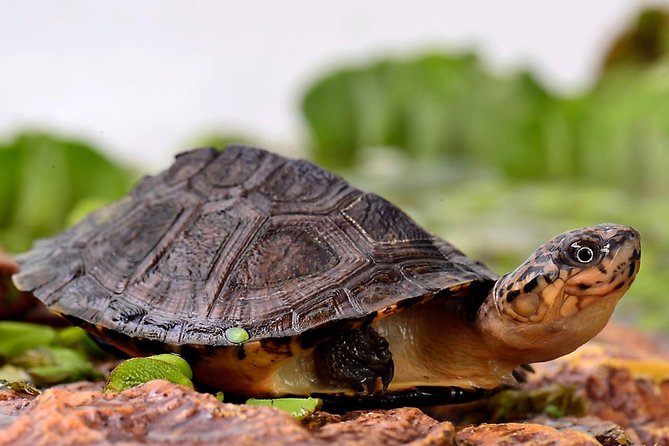
- 2,000+ animals across 130 species, focused on land tortoises and turtles.
- Clinic + controlled incubation helps with medical care and managing hatchlings.
- Shaded paths make it comfortable, but the walk has elevation changes.
- Food and a 100% turtle souvenir shop are on-site, so you can plan a half-day easily.
- Mobile ticket in English, with small group size (max 15).
Why A Cupulatta Feels Different From a Typical Zoo
Most animal parks are built around showing you animals. A Cupulatta is built around protecting them. This nature park covers about 2 hectares and is devoted to breeding, studying, and safeguarding land tortoises and turtles from around the world. It’s also described as unique in Europe, mainly because of how strongly it focuses on long-term care rather than just exhibits.
You’ll see that focus immediately once you start walking. The park is home to 130 species and over 2,000 animals, but the point isn’t quantity for its own sake. The point is understanding the dangers turtles and tortoises face and how a facility can respond with research, medical care, and structured breeding.
You can also read our reviews of more tours and experiences in Ajaccio.


Your Self-Guided Walk: What You’ll Actually Do
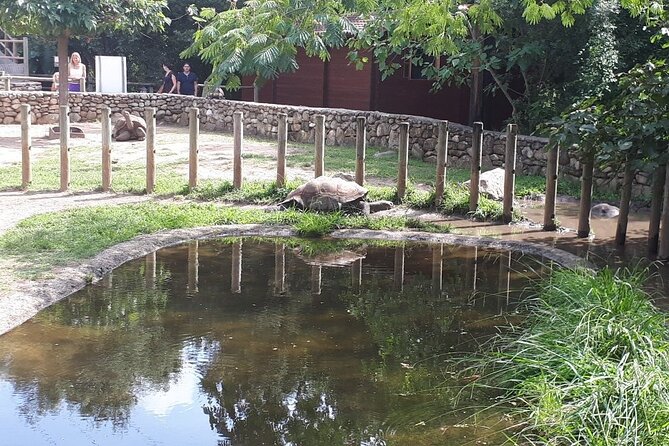
This ticket gives you admission and the freedom to tour at your own pace. Plan on about 1 to 2 hours, which is a smart fit if you’re on a cruise day or building a quiet break into your Corsica itinerary.
The park is designed as a nature setting, and that matters because it changes your pacing. You’re not sprinting through rows of cages. Instead, you’ll move along walk paths that can include elevation changes, so wear footwear with grip. That one detail can make or break the experience—if your feet are fine, you’ll enjoy it more. If mobility is limited, you might find the paths a little harder than flat museum floors.
The Conservation Story Behind the Animals
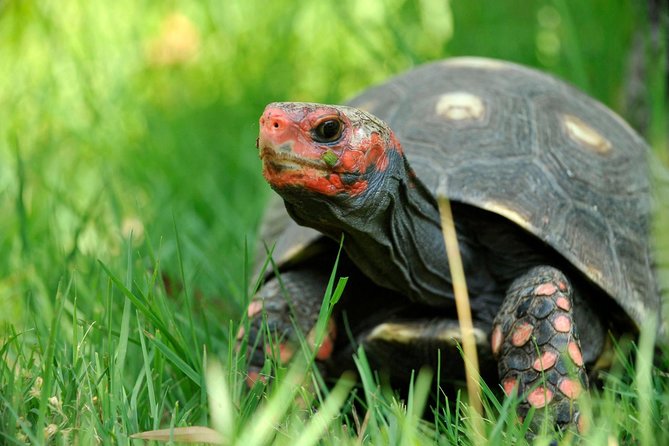
The most valuable thing you’ll get here is context. You’re not just looking at shells; you’re learning why these reptiles are at risk and what a dedicated center can do about it.
A Cupulatta’s work is tied to breeding and protection programs for land tortoises and turtles worldwide. That means the exhibits and information tend to be practical and mission-focused, not just decorative. If you care about animal welfare and real conservation, this is the kind of place that makes you think in systems: medical care, reproduction, and monitoring.
You’ll also have the chance to pick up details you can’t get from a passing photo. The park’s emphasis on study helps turn your visit into a kind of mini lesson—one you can absorb slowly without feeling rushed by a group schedule.
The Medical Clinic and Incubation Rooms: Where the Work Gets Real
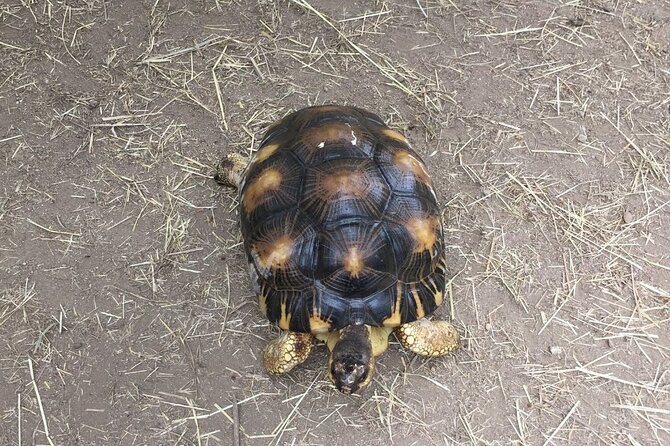
This is where A Cupulatta separates itself from the standard animal encounter. Since 2017, the park has had a clinic for medical care and specialized analysis, including surgeries and biochemical and coprological analyses. Even if you don’t read every technical label, seeing that this facility treats animals medically changes how you interpret what you’re looking at.
Right next to the clinic, the park has two controlled rooms for incubation:
- One is set up for incubating conditions that allow hatching females
- The other is set up for incubating conditions that allow hatching males
That controlled approach is about more than curiosity. Temperature and humidity (hygrometry) can influence developmental outcomes in reptiles. The park also keeps newborns in incubators for about three to four days, letting them use their yolk reserves before they’re moved into breeding terrariums.
If you like science that shows up in everyday decisions—like food, temperature, and timing—this part will stick with you long after you leave.
Souvenirs and Snacks: Plan a Simple Half-Day
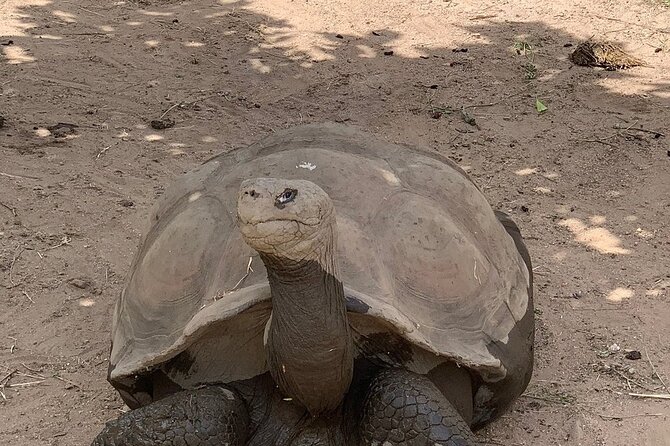
After you walk, you can refuel without hunting for a restaurant nearby. Food and beverages are available on-site, including things like panini, charcuterie and Corsican cheeses, fries, ice cream, and drinks. There are also shaded picnic spots, which is a big deal on warm days.
The park also has a 100% turtle souvenir shop. This is the kind of small, focused shop that’s fun even if you’re not a shopper. It’s also convenient: you can grab a gift while you’re already in the right mindset for it.
If you want to keep your total cost down, bring water and plan to spend only what you want on food. The admission ticket covers entry, but food and drinks aren’t included.




Getting There From Ajaccio: The Part You Must Not Skip
Here’s the practical truth: the park is outside Ajaccio, and that can affect your day more than the animals themselves. Multiple people describe it as roughly a 30-mile distance from Ajaccio proper, with a drive around 30 minutes when you can arrange a private car.
This is also the weak spot for people arriving by cruise. One account notes a taxi cost of 95 euros from a cruise port to the park. Another notes the real frustration when taxis or ride options didn’t show up in time.
So my advice is simple: treat transportation as your main checklist item.
- If you’re on a cruise, build in extra time and don’t assume a last-minute pickup will work.
- If you’re staying in Ajaccio, plan on arranging a car or taxi ahead of time rather than waiting until the day of.
- Give yourself a buffer for return, especially if your schedule is tied to cruise departure.
Skip-the-Line Tickets: Helpful, But Know the Limits
Your ticket includes skip-the-line admission, but don’t expect magic. Some people say the skip-the-line part didn’t eliminate waiting as much as they hoped. That can happen when the site has controlled entry flow, or when you arrive during busy moments.
So how do you make it work?
Show up with a calm mindset and aim for a time when the park is likely to be less chaotic. One useful detail from a visit window shared in feedback: arriving around mid-afternoon (15:00 to 17:00) was described as a good fit. That lines up with a common travel pattern—arrive after the morning rush, before the evening slowdown.
The ticket is still valuable, though, because it reduces friction at entry compared with buying on the spot.
Timing, Seasons, and What You Might See
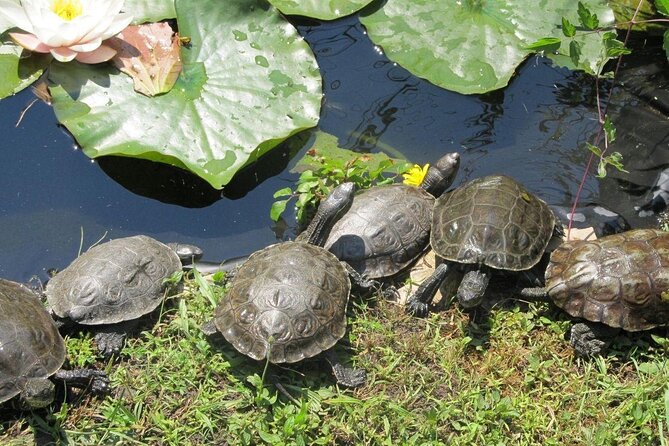
The park’s schedule is generous. During the listed opening season (10:00 AM to 5:00 PM, Monday through Sunday), you can pick a slot that matches your energy level.
Season can change what’s active. In an October visit, some animals were described as in hibernation. That doesn’t make the visit a waste of time. It just means you should adjust expectations: you might see fewer active animals in colder months, but you’ll still learn about the species and the protection work behind the scenes.
Who This Ticket Is Best For
This is a great choice if you want something family-friendly with real substance. One reason people rave about the visit is that it works well with kids and grandkids, especially when you want them to care about animal welfare rather than just entertain themselves.
It’s also a strong fit for:
- Animal lovers who like conservation
- People who appreciate science and practical care systems
- Travelers who want a quiet 1–2 hour outing instead of a full-day trek
Keep the footwear and walking effort in mind. The paths can change elevation, so being able to walk comfortably helps a lot.
Value Check: Is $16.94 Worth It?
At $16.94 per person, you’re paying for admission that includes access to a self-guided nature park visit. You’re also getting access to a facility that supports medical care, research, and controlled incubation, not just a casual walk past reptiles.
Think of it this way: the ticket buys you time (1–2 hours), education (why turtles face dangers and how care works), and convenience (on-site food options and a souvenir shop). If you’re already planning a half-day near Ajaccio and your transportation is solved, the price feels fair for what you get.
If getting there is a headache—and especially if your return timing is tight—the value can feel worse. That’s why I keep transportation front and center.
Small Practical Notes That Matter
- The ticket is mobile, and it’s offered in English.
- Confirmation happens at booking time.
- Children must be accompanied by an adult.
- Service animals are allowed.
- Group size is small, with a maximum of 15 people, which usually helps you keep a relaxed pace.
Should You Book This A Cupulatta Ticket?
Book it if you want a real conservation-focused stop near Ajaccio and you can handle the logistics to get to the park. The admission price is reasonable for a focused, self-guided outing that teaches you how turtle protection actually works, including clinic-style care and incubation management.
Skip it (or think twice) if your day hinges on unreliable transport, like a cruise stop with tight timing and no plan for a dependable ride back. If you can line up a ride ahead of time, you’ll feel a lot more confident once you’re on-site.
In short: solve transportation first, then enjoy a shaded, thoughtful visit to a facility built for the long game.
FAQ
How long does the A Cupulatta visit take?
Plan for about 1 to 2 hours. The ticket covers a self-guided tour of the park facilities.
Where is A Cupulatta located?
It’s in the Ajaccio area of France.
What’s included in the ticket price?
Your ticket includes admission to A Cupulatta.
Is the tour self-guided or guided?
It’s self-guided. You use the ticket to enter and explore the nature park at your own pace.
Is there food available on-site?
Yes. Food and beverages are available on-site, and there are shaded picnic spots. Food and drinks are not included in the ticket.
What language is the experience offered in?
It’s offered in English.
What are the opening hours?
During the listed season, it’s open 10:00 AM to 5:00 PM, Monday through Sunday.
Does the skip-the-line ticket always remove waiting?
The ticket is designed to help with entry, but some visitors report there can still be waiting depending on timing and entry flow.
Are children allowed?
Yes, but children must be accompanied by an adult.
Is there a limit on group size?
Yes. The experience has a maximum of 15 travelers.
Does it matter what month you go?
It can. For example, one October visit noted that many species were in hibernation, which may affect how active animals look during your visit.