REVIEW · LOURMARIN
Cadenet: Pétanque Lesson
Book on GetYourGuide →Operated by Les Pastras · Bookable on GetYourGuide
In Provence, pétanque is more than a pastime. It is a social ritual, a test of calm aim, and a fine excuse to gather outdoors with a drink in hand. At Les Pastras, Johann and Jean-Marc teach you the rules, the throws, the scoring, and even the playful art of arguing over a point. The game takes place near Lourmarin or Ansouis, with a castle view adding real Provençal atmosphere.
I like the way this combines a simple local sport with rosé, Pastis, and homemade snacks, rather than treating pétanque as a stand-alone lesson. I also like the relaxed three-hour pace, which gives you time to learn, play a proper match, and enjoy the setting. The main consideration is transportation: you must make your own way to Les Pastras parking, and the exact village is either Lourmarin or Ansouis.
In This Review
- Key points at a glance
- Why this pétanque lesson feels properly Provençal
- From boule handling to the fine art of arguing
- A competitive game with a glass of rosé
- Rosé, homemade Pastis, and a Provençal snack table
- The trophy, Fanny, and the friendly stakes
- Lourmarin or Ansouis: two possible settings
- Is $56 a fair price?
- Who will enjoy it most
- Booking and practical details
- Should you book this pétanque lesson?
- FAQ
- How long does the pétanque lesson last?
- Where does the activity take place?
- Where is the meeting point?
- Is transportation included?
- Is the lesson suitable for beginners?
- What language is the lesson conducted in?
- What food and drinks are included?
Key points at a glance
- Learn the real basics: Practice handling the boule, throwing, shooting, scoring, and judging disputed points.
- Meet Johann and Jean-Marc: English-speaking instructors keep the lesson practical, witty, and easy to follow.
- Play beside Provençal scenery: The match takes place in Lourmarin or Ansouis, with a view toward a castle.
- Taste local drinks and food: Rosé, homemade Pastis, anchoiade, tapenade, mushrooms, and other Provençal snacks are included.
- Compete for a trophy: The winning team receives a commemorative prize, while the losing side may face Fanny, in statue form.
- Plan your own ride: Transportation is not included, so check the meeting details before booking.
Why this pétanque lesson feels properly Provençal
Pétanque can look easy from a distance. Players stand in a dusty court, toss metal balls, and wait for someone to measure the result. Once you try it, you discover that small changes in grip, speed, and aim make a big difference.
That is the appeal of this lesson. You are not simply handed a set of boules and left to work it out. Johann and Jean-Marc begin with the rules and a short introduction to the sport, then show you how the game works in practice. You learn the vocabulary and customs that make a casual match more fun.
The setting matters, too. You play for about three hours in the South of France, either in Lourmarin or Ansouis, with a castle in view. That turns a basic outdoor activity into a snapshot of Provence: warm scenery, local drinks, friendly competition, and enough time to slow down.
I would not book this if you want a fast sightseeing stop. The charm comes from staying put and letting the afternoon or evening unfold at the court.
From boule handling to the fine art of arguing
The first part of the session covers the basic rules. You learn the aim of the game and how points are awarded, then get familiar with the boule itself. These metal balls are simple to hold, but a controlled throw takes more care than most beginners expect.
You practice the main movements, including throwing and shooting. Shooting is the more aggressive part of pétanque, used to knock an opponent’s boule away. It gives the game a little drama and makes even a friendly match feel competitive.
Scoring is another key lesson. After the boules are thrown, you need to work out which one is closest to the small target ball. That is where the fine art of disputing a point comes in. The activity description even mentions learning how to cheat, but the tone is clearly playful. Think of this as good-natured rule-bending and theatrical disagreement, not serious misconduct.
That humor is useful for beginners. You do not need to arrive with a French vocabulary or any past experience. A United Kingdom participant noted that the game even helped improve French vocabulary, which makes sense: pétanque gives you a small set of useful words to repeat while you play, measure, and contest the score.
A competitive game with a glass of rosé

Once the practice session is over, you play a proper competitive game. This is where the lesson becomes a social event rather than a sports class.
You can expect teams, turns, tactical choices, and plenty of reasons to celebrate or complain. A boule may land close to the target, but another player can change the whole position with one well-judged shot. You begin to see why pétanque works so well for groups. The rules are easy to grasp, but the decisions keep the match interesting.
The rosé is part of the occasion. You play with a glass in hand, according to the activity details, so the tone is leisurely rather than athletic. If you prefer not to drink alcohol, the food and the game still form the main event, but the supplied information specifically highlights rosé and Pastis as part of the experience.
The pace also suits mixed abilities. Beginners can learn without feeling rushed, while confident players have room to show off. An older group from Massachusetts, including eight senior citizens, enjoyed the lesson and tournament, so this is not built around speed or physical exertion.
Still, remember that it is a game. If your group is intensely competitive, the playful cheating and disputes may become the main entertainment. If you prefer quiet instruction without banter, this may feel more social than formal.
Rosé, homemade Pastis, and a Provençal snack table
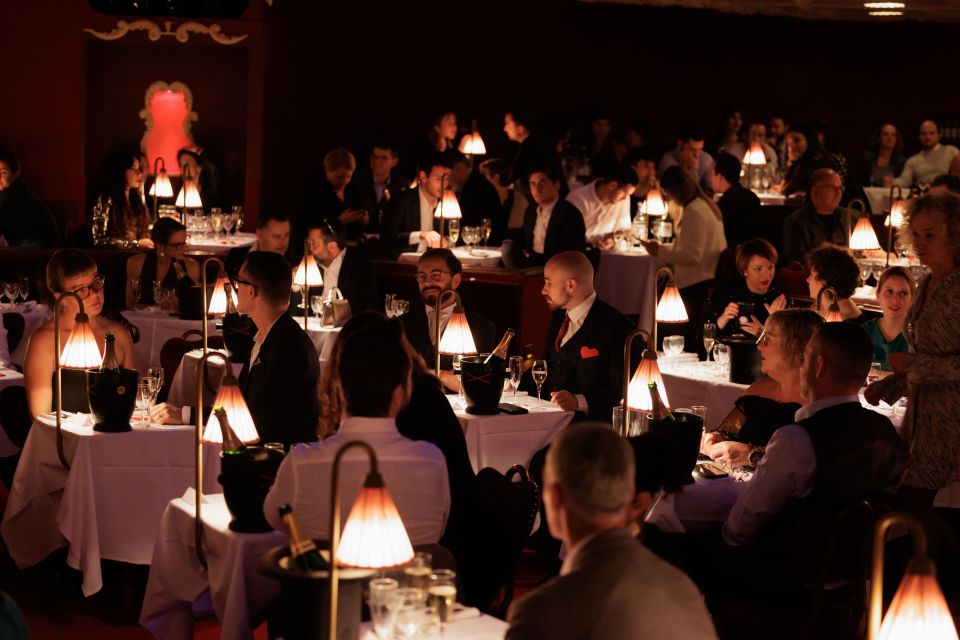
After the match, the group gathers for an aperitif. This is one of the strongest parts of the experience because the food and drink are not an afterthought. They give the game a local context and provide time to sit, talk, and enjoy the setting.
Rosé is the familiar choice, while Pastis offers a taste of Marseille and the wider Provence region. The hosts prepare homemade Pastis for sampling. Pastis has a distinctive anise flavor and is traditionally associated with relaxed outdoor gatherings, so it fits the mood of a pétanque match particularly well.
The snacks include anchoiade, tapenade, mushrooms, and other traditional Provençal foods. Anchoiade is an anchovy-based dip, while tapenade is usually made with olives. These are savory foods with strong flavors, and they pair naturally with an aperitif.
Do not expect a full restaurant meal. The included food is better understood as a generous regional snack spread after the game. That distinction matters if you are booking this as your main meal of the day. For most people, it should work well as an afternoon or early evening bite, but the information provided does not promise a complete lunch or dinner.
The trophy, Fanny, and the friendly stakes
A commemorative trophy goes to the winning team. It is a small touch, but it gives the tournament a clear finish and adds a reason to pay attention during the practice rounds.
The losing side has its own tradition to face: kissing Fanny’s Ass. Fortunately, Fanny is only a statue. The joke comes from an old pétanque custom in which a team that fails to score is given a humorous penalty. Here, it is presented as part of the fun rather than anything humiliating.
This is a good activity for a group that enjoys light competition. You can divide into teams, cheer for a good shot, and keep the score with enough seriousness to make the trophy matter. At the same time, the hosts’ humor keeps the game from becoming too solemn.
I would especially consider this for families with older children, friends, couples who enjoy local traditions, and groups looking for something different from another walking tour. The English instruction makes the rules accessible, and the game itself does not require previous knowledge.
Lourmarin or Ansouis: two possible settings
The activity takes place either in Lourmarin or Ansouis. You do not get to choose between them from the information provided, so check the current meeting details before setting out.
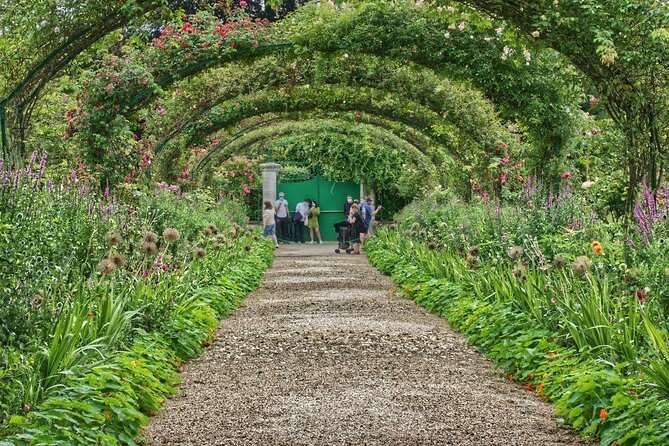
Both names place you in the Luberon area of Provence, surrounded by the kind of village and castle scenery that makes an outdoor game feel special. The activity promises a castle view, which gives you a memorable backdrop without requiring a long walk or packed sightseeing schedule.
The meeting point is Les Pastras parking. Since transportation is not included, this is one of the most important practical details. You will need to arrange your own way there and allow enough time to find the parking area before the lesson begins.
I would not rely on reaching the meeting point by chance, especially if you are staying in another Provençal village. Confirm the starting time and exact location when you book. The duration is three hours, and availability determines the start time.
Is $56 a fair price?
At $56 per person, the value depends on how you measure a tour. You are not paying for transport, a major monument entrance, or a packed sightseeing schedule. You are paying for three hours of instruction and play, the equipment, food, drinks, the hosts’ time, and a setting that would be difficult to recreate on your own as a first-time visitor.
The included pétanque boules save you from needing any equipment. More important, the lesson saves you the awkward first hour of trying to understand the rules from scratch. Johann and Jean-Marc teach the throwing, shooting, scoring, and customs, then organize the competitive part.
The food and drink add real value. Rosé, homemade Pastis, and Provençal snacks turn the session into a hosted cultural activity. If you only want to toss a few boules, you could likely find a court elsewhere for less. If you want instruction, local hosts, a tournament, and an aperitif in a castle-view setting, the price is easier to justify.
The cost is also reasonable for a small special occasion during a Provence visit. It fills three hours without the expense of a full-day excursion and gives you a story to take home that is more distinctive than another standard photo stop.
Who will enjoy it most
You should consider this lesson if you want to meet local hosts and take part in a custom rather than watch one from the sidelines. It works particularly well for:
- Friends who enjoy casual competition
- Couples seeking a social activity with food and drink
- Families with older children
- Older adults who prefer a relaxed outdoor activity
- Groups with no pétanque experience
- Visitors who enjoy regional food and traditional drinks
The activity is also wheelchair accessible, according to the available details. You should still confirm any personal access needs when booking, since the exact playing surface and location can vary between Lourmarin and Ansouis.
You may want to skip it if you have very limited time in Provence, dislike alcohol-centered aperitif culture, or need included transportation. The experience is built around conversation, play, and a slow meal-style finish. It is not the right choice for someone seeking a tightly scheduled sightseeing tour.
Booking and practical details
The lesson is conducted in English, and the listed instructors are Johann and Jean-Marc. Their role goes beyond explaining rules. They teach the small habits that make pétanque enjoyable, including how to dispute a close point and how to keep the mood light.
Pétanque boules and food and drinks are included. Transportation is not. The meeting point is Les Pastras parking, while the playing location is either Lourmarin or Ansouis.
The activity lasts three hours. You can cancel up to 24 hours in advance for a full refund, and the reserve-now, pay-later option lets you hold a place without paying immediately. Check availability for the start times, then confirm which village and meeting instructions apply to your date.
The listed score is 5 out of 5 from eight ratings. That is a small sample, so I would treat it as encouraging rather than definitive. The strongest pattern is clear, though: the instructors, the food and drink, the setting, and the blend of teaching with laughter are the main reasons to book.
Should you book this pétanque lesson?
Book it if you want a friendly, hands-on taste of Provence and have three hours to spare. You will learn a real local game, practice enough to join a match, sample rosé and homemade Pastis, eat traditional snacks, and compete for a trophy with a castle in view.
The best reason to choose it is the combination. A basic pétanque lesson would be pleasant, but this adds Johann and Jean-Marc’s instruction, a proper tournament, regional food, and a relaxed aperitif. Just plan your own transportation to Les Pastras parking and confirm whether your session is in Lourmarin or Ansouis.
If that sounds like your kind of afternoon, $56 is a fair price for a social activity with genuine local flavor. If you need a major attraction, included transfers, or a full meal, spend your budget elsewhere.
FAQ
How long does the pétanque lesson last?
The activity lasts three hours, including instruction, the competitive game, and the aperitif with food and drinks.
Where does the activity take place?
The game takes place either in Lourmarin or Ansouis, in the South of France, with a view of a castle.
Where is the meeting point?
The meeting point is Les Pastras parking.
Is transportation included?
No. Transportation is not included, so you must arrange your own way to Les Pastras parking.
Is the lesson suitable for beginners?
Yes. The instructors explain the rules and teach you how to handle the boule, throw, shoot, and score, even if you have never played before.
What language is the lesson conducted in?
The instructor language is English.
What food and drinks are included?
The experience includes rosé, homemade Pastis, and traditional Provençal snacks such as anchoiade, tapenade, and mushrooms.