REVIEW · BORDEAUX
Bordeaux: St-Emilion and Medoc Wine Day Tour with Lunch
Book on GetYourGuide →Operated by Rustic Vines Tours · Bookable on GetYourGuide
Two wine worlds, one long day. This Bordeaux tour pairs Saint-Émilion’s UNESCO village walk with up to 15 wine tastings across the Right Bank and the Médoc.
I love how much ground you cover without feeling hurried, and you get an English guide who ties everything together. One real drawback to plan for: the day is packed, and you’re in a small van for long stretches—great for group energy, but not huge on personal space.
In This Review
- Key highlights at a glance
- Entering Bordeaux wine country: what makes this day special
- Meeting point, timing, and the rhythm of the day
- A note about timing changes from April 1, 2025
- Saint-Émilion UNESCO village walk: how the guide sets the stage
- What to bring here
- Village tasting in Saint-Émilion: your introduction to the Right Bank
- The Saint-Émilion winery visit and the picnic lunch reset
- The long drive to the Left Bank: why the Châteaux Road matters
- Médoc winery visit: Cabernet-driven wines and structured tasting
- Margaux tasting finish: a different expression of Left Bank elegance
- How to get the most from up to 15 tastings
- Group size, comfort, and what the van experience is really like
- Price and value: is $230 a fair deal?
- Who should book this tour (and who should think twice)
- Should you book this Bordeaux Saint-Émilion and Médoc wine day tour?
- FAQ
- FAQ
- How long is the Bordeaux St-Émilion and Médoc day tour?
- Where do I meet the guide?
- What’s included in the price?
- How many wines will we taste?
- Is the tour suitable for kids or teens?
- What language is the tour guide?
- Is there free cancellation?
Key highlights at a glance
- UNESCO-listed Saint-Émilion village walk with medieval streets and viewpoint stops
- Up to 15 tastings that teach the Right Bank then pivot to Left Bank styles
- Guided winery visits with cellar access (not just a quick stop and out the door)
- Picnic lunch at the winery with a glass of wine to slow the pace down
- Châteaux Road drive through famous vineyard country between regions
- Small group (max 8) and strong guide talent (I saw names like Julie, Remi, Pauline, Dante, and Maud in the guide roster)
Entering Bordeaux wine country: what makes this day special
This tour is built for people who want a real sense of Bordeaux without spending days commuting between regions. You start on the Right Bank with Saint-Émilion and then head to the Left Bank where Médoc (and Margaux) leans more heavily on Cabernet Sauvignon structure.
The value is in the pacing and variety: village context in the morning, winery immersion around lunch, then two more tasting moments late in the day. If your goal is to learn how Bordeaux changes from place to place, this format helps you make comparisons fast.
You also get a small-group setup—limited to 8 participants—which matters because tastings feel like a conversation, not a factory line. And since the guide is English-speaking, you can ask follow-up questions as you go.
You can also read our reviews of more wine tours in Bordeaux

Meeting point, timing, and the rhythm of the day
You meet at Rustic Vines Tours at 26 Rue de la Devise in central Bordeaux. The tour runs for 9 hours, with a 9:00am departure, so you’ll want to start your day close to the meeting point.
The rhythm looks like this: a morning run into Saint-Émilion, a guided village experience and tasting, then a winery visit paired with a picnic lunch. After lunch, you travel to the Médoc for a château-area visit and tasting, and you finish with a Margaux-area stop before returning to Bordeaux by early evening.
A practical heads-up: this is not a slow “linger and wander” day. It’s structured, and you’ll move at the tempo of the group. If you like your wine travel calm, bring patience for tight windows between tastings and keep your expectations focused: you’re here for education and variety, not long, independent detours.
A note about timing changes from April 1, 2025
Starting April 1, 2025, the winery mix changes: you’ll get 1 winery visit in the Médoc plus tastings there, and 2 winery visits in the Saint-Émilion region. The Saint-Émilion UNESCO village guided tour and the wine tasting session in the village stay in the plan. Expect the balance to tilt more toward Saint-Émilion wineries on that schedule.
Saint-Émilion UNESCO village walk: how the guide sets the stage
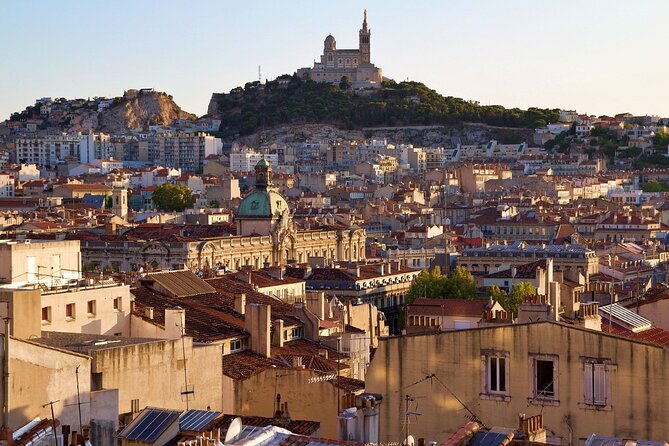
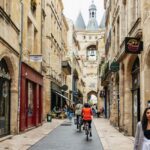
Saint-Émilion starts with your first “Bordeaux lesson,” but it happens on foot. After a drive from Bordeaux, you do a guided walking tour of the UNESCO-listed village, designed to help you understand why this place matters and how wine shaped it over centuries.
What I like about this part is the way it gives you visual anchors before you start tasting. You’ll walk through medieval streets, see key monuments, and get to viewpoints where the wine geography starts to make sense. If you ever find Bordeaux confusing—Right Bank vs Left Bank, clay vs limestone, grape style vs producer choices—this walking tour helps you get your bearings fast.
Also, you’re not just strolling. The guide ties the village story to wine: how the environment and the tradition interact. In the reviews, guides like Julie and Maud were repeatedly praised for bringing the area to life with clear explanations—this village time is where that teaching starts.
What to bring here
Wear comfortable shoes. You’ll be walking, and you don’t want your day derailed by blisters before you reach the tastings.
A few more Bordeaux tours and experiences worth a look



Village tasting in Saint-Émilion: your introduction to the Right Bank
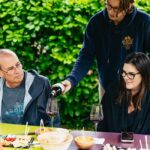
Right after the walk, you move into a guided wine tasting in the heart of Saint-Émilion. This is the moment where the tour turns from “place” to “wine,” helping you connect grape varieties and terroir to what ends up in the glass.
This matters because Saint-Émilion tends to be all about nuance. If you’re new to Bordeaux, you’ll appreciate having a guide explain what you’re seeing and tasting in a grounded way—so you can stop guessing and start tasting with intent.
Even if you already know a bit, the structure helps you tighten your palate. You’re tasting with context, not randomly sampling. The goal is to leave Saint-Émilion with a clearer picture of how the Right Bank style differs from what’s coming next.
The Saint-Émilion winery visit and the picnic lunch reset
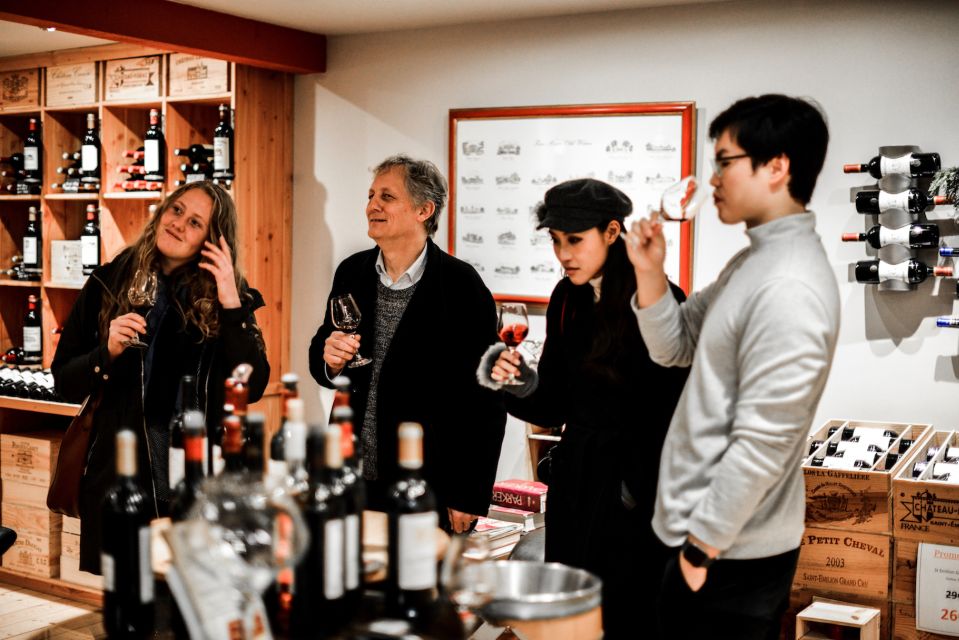
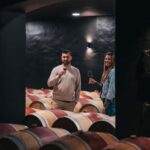
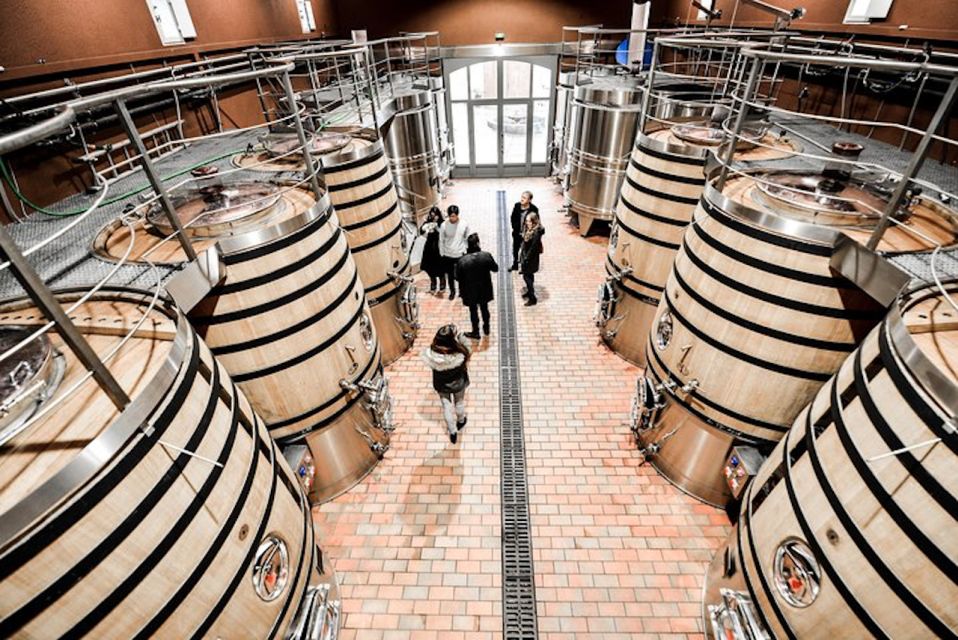
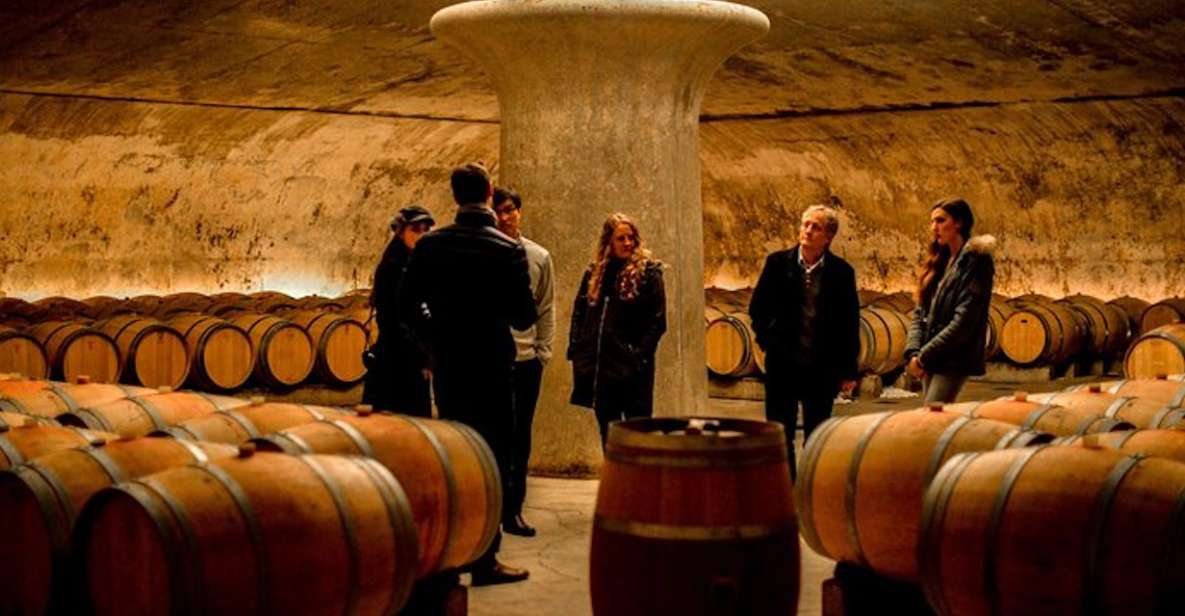
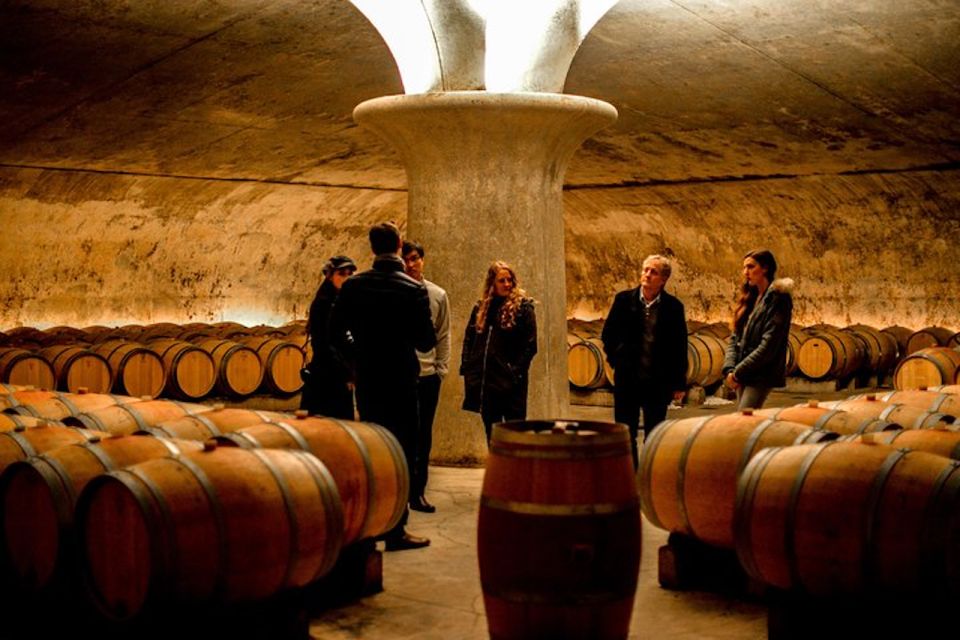
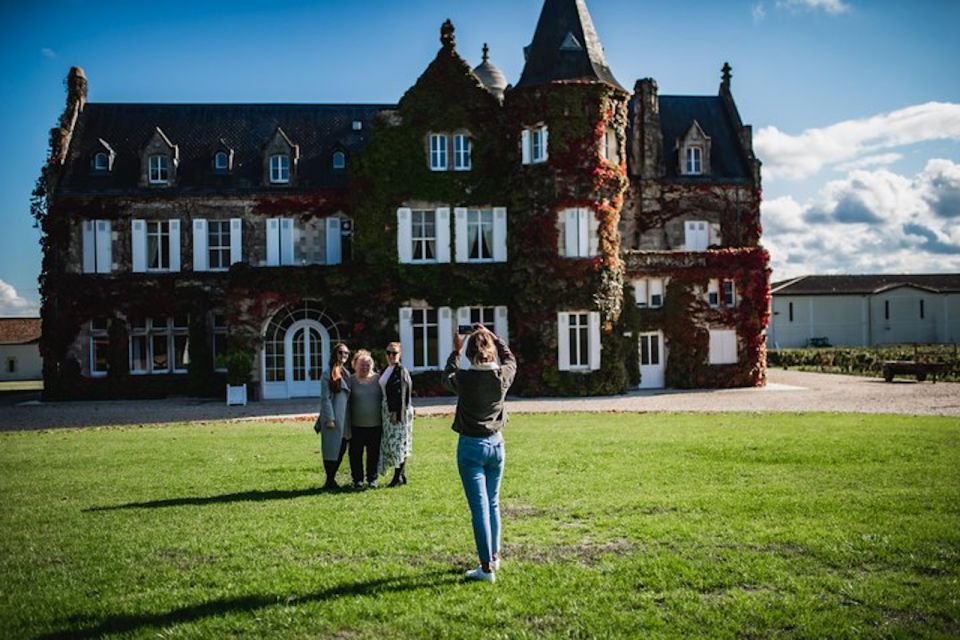
Next comes a guided winery visit in Saint-Émilion, including cellar time and a tasting of that estate’s wines. This is a key upgrade from village-only stops because you see the winemaking environment where the wine is made, not just sold.
You’ll tour the facilities, learn about traditions and production choices, and then taste in a setting that puts the wine into a real-world frame. This is where you start noticing differences that don’t come across in a quick flight—like how an estate’s approach influences the final glass.
Then, lunch is served as a picnic at the winery. Expect a spread with a sandwich or salad, plus a glass of wine. The whole point is a friendly countryside break in the middle of a long day.
One fair consideration: lunch quality and portion can vary depending on what’s served that day, and reviews included a split. Some people loved how filling it was; one person felt options were limited and not enough for a 9+ hour day. My advice is simple: treat it as a lunch break with wine, not a full meal replacement for your usual routine. Eat like you’re going to be walking and tasting again afterward.
The long drive to the Left Bank: why the Châteaux Road matters
After lunch, you travel from Saint-Émilion to the Médoc on the Left Bank. This is where the tour earns its name: you’re not just changing towns, you’re switching wine logic.
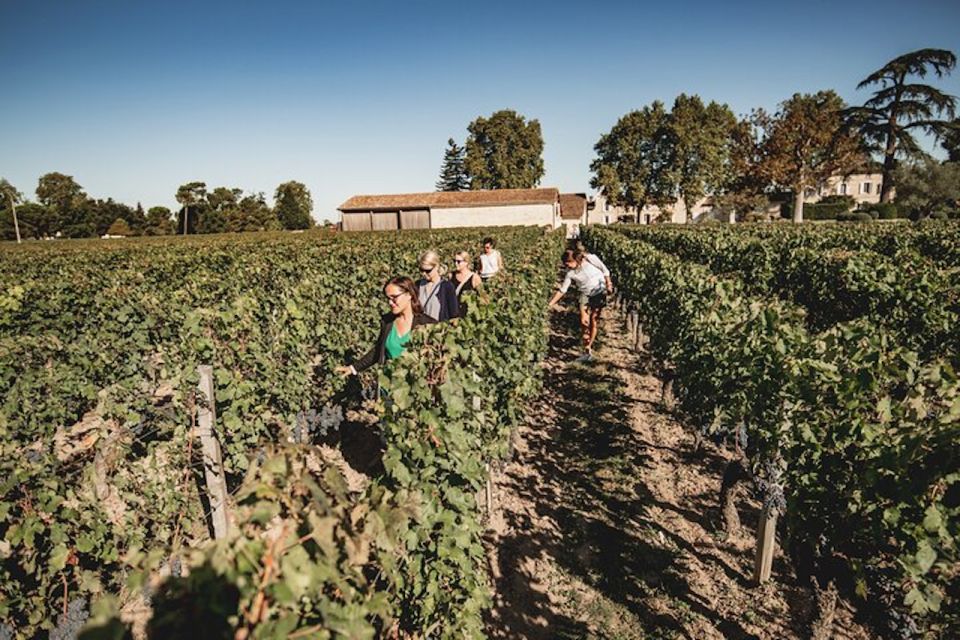
Between regions, you do a scenic drive through famous château country, including a Châteaux Road style route. Even if you don’t plan to “spot châteaux” like a game, this drive helps you feel the scale of the vineyards and the difference in farming geography.
Think of this as the palate’s travel moment. You’ve had Right Bank context and tastes. Now the visual cue—vineyard rows, château scale, and the feel of the Left Bank—pushes your brain to prepare for the style shift.
Médoc winery visit: Cabernet-driven wines and structured tasting
Your first Left Bank tasting is in the Médoc, with a winery visit and guided tasting. Here the tour focuses on the Cabernet Sauvignon identity—wines that often feel more structured and built for aging.
What makes this stop useful is the way the guide connects style to place. If you felt like Saint-Émilion was nuanced, the Médoc often feels clearer in its backbone: the grapes, the approach, and the estate choices show up as a framework you can recognize.
In several reviews, guides were praised for explaining what you’re tasting, and for making the tastings feel organized rather than random. If you come in knowing almost nothing, this kind of coaching helps you start recognizing terms you’ll see later on labels—without sounding like a textbook.
Margaux tasting finish: a different expression of Left Bank elegance
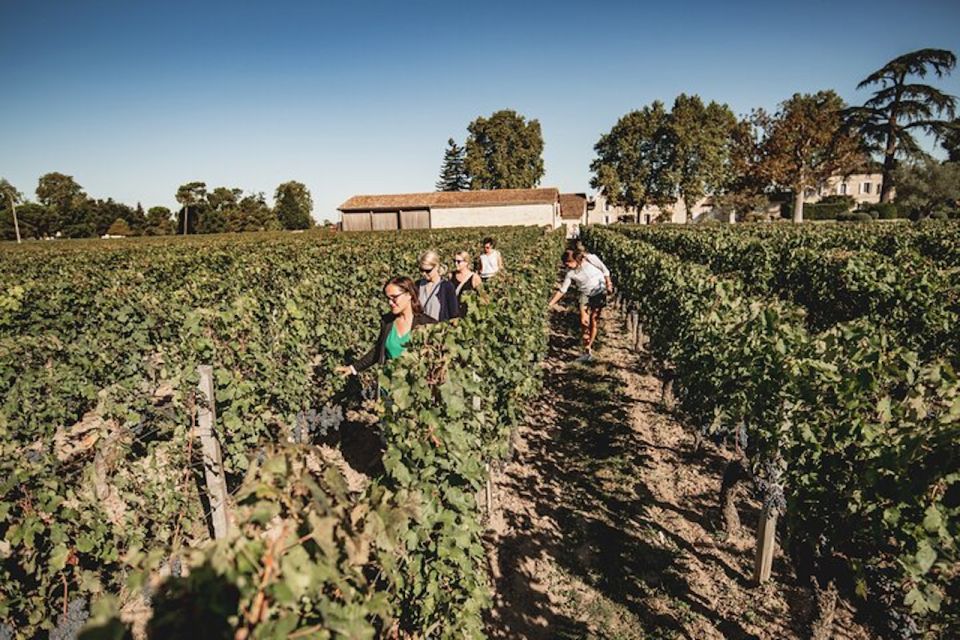
To close the tasting sequence, the tour stops in Margaux (Margaux AOC) for a final guided tasting. This is a smart move. Margaux sits within the broader Médoc universe, but it often gives wine lovers a different flavor story—more elegance, more perfume, and a softer approach compared with some other Left Bank expressions.
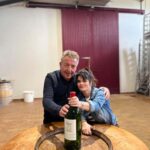
You’ll visit a family-owned Margaux winery, then taste their wines with the guide’s perspective. Even if you didn’t “plan to become a Margaux person,” this last tasting helps you understand that the Left Bank isn’t one uniform style.
By the time you reach this point, you’ll have enough context from earlier tastings that the finish feels like a comparison, not just another pour.
How to get the most from up to 15 tastings
This tour includes up to 15 different wines tastings, spread across village and winery settings. That’s a lot of wine for one day, so your strategy should be simple: pace your attention.
Here’s what I’d do if you want results, not just buzz:
- Take notes only on what you can compare: body, fruit type, tannin feel, and how the wine changes from one stop to the next.
- Ask one good question at each tasting. You’ll learn more from a single targeted question than from trying to memorize every grape detail.
- Stick to water between tastings. A bottle of water is included, and it helps you keep your senses sharp for the next round.
Also, don’t skip the non-wine parts. The cellars, the estate tour, and the village walk are the glue that makes the tastings actually mean something.
Group size, comfort, and what the van experience is really like
The tour is a small group with a limit of 8 participants. In practice, that tends to make the day feel personal: fewer people asking questions, more time for the guide to respond, and less chance you’ll feel ignored during tastings.
The trade-off is the van. Reviews included a complaint that the vehicle can feel small or uncomfortable for the price. I’d plan for a tight but manageable day: bring a calm attitude, settle in early, and keep expectations realistic about space on a structured 9-hour program.
Price and value: is $230 a fair deal?
At $230 per person for a 9-hour day, you’re paying for more than wine. You’re paying for:
- Transport across Right Bank and Left Bank
- An English live guide
- Multiple guided tasting moments (village + winery stops)
- Cellar and estate access
- Picnic lunch with wine
- A small-group experience
If you tried to do this on your own, you’d likely end up spending similar money once you factor in driver time, tasting fees, and the cost of keeping everything timed correctly between regions. The real win here is the structure: you don’t have to hunt for reservations or coordinate multiple wineries on a single day.
Is it expensive? Yes, compared to casual tasting rooms. Is it overpriced? Not based on what’s included—especially if you care about learning and tasting with context.
Who should book this tour (and who should think twice)
This tour suits you if:
- You want to compare Right Bank vs Left Bank styles in one day
- You enjoy guided explanations and want help tasting wine, not just drinking it
- You like a structured day with lots of planned stops
- You’re traveling with a group vibe but still prefer small-group attention
Think twice if:
- You want lots of free time and long, independent exploring
- You’re sensitive to long days in a van
- You get tired of tasting-heavy itineraries
It also is not suitable for children under 16 and not wheelchair accessible, based on the tour’s rules.
Should you book this Bordeaux Saint-Émilion and Médoc wine day tour?
I’d book it if your top priority is a guided, comparison-heavy Bordeaux day. The mix of UNESCO village context, guided winery visits, and a late-day Margaux tasting gives you a clear sense of how the region shifts across the river.
Before you commit, check your comfort with a packed schedule. If you can handle a long day and you enjoy learning through tastings, you’ll likely feel you got your money’s worth. If you want slow travel, this one may feel too scheduled.
FAQ
FAQ
How long is the Bordeaux St-Émilion and Médoc day tour?
The tour lasts 9 hours.
Where do I meet the guide?
You meet at the Rustic Vines Tours agency office at 26 Rue de la Devise in Bordeaux city center.
What’s included in the price?
Transport, a tour guide, the guided Saint-Émilion village tour and tasting, picnic lunch, and winery visits with tastings, plus a bottle of water.
How many wines will we taste?
The tour includes tastings that can reach up to 15 different wines.
Is the tour suitable for kids or teens?
No, it’s not suitable for children under 16.
What language is the tour guide?
The live tour guide speaks English.
Is there free cancellation?
Yes. You can cancel up to 24 hours in advance for a full refund.