REVIEW · BORDEAUX
Bordeaux: Médoc & St-Emilion Wine 3 châteaux with lunch
Book on GetYourGuide →Operated by A La Francaise Tourisme - Bordeaux · Bookable on GetYourGuide
Three châteaux, seven to eight tastings, one day. This Bordeaux tour stitches together Médoc muscle and Saint-Émilion finesse, with real time in vineyards, cellars, and the UNESCO village. You get guided context on what you’re tasting, not just a parade of pours.
I love the hands-on rhythm: walking vineyards and cellars, then finishing with tastings. I also really like the added food time with a château picnic lunch, plus a guided St-Émilion village walk after lunch so the day doesn’t feel like only wine.
One thing to plan for: it’s a long day (510 minutes) and there’s no hotel pickup, so you’ll want to be ready to meet at the exact spot and settle in for the minivan drives.
In This Review
- Key highlights I’d circle on your plan
- Bordeaux wine tour basics: why this day works
- Meeting at Monument aux Girondins and the minivan pace
- Médoc estate #1: classified growth, vineyards, and cellars
- Your Médoc tastings: 2–3 wines you can actually compare
- Saint-Émilion lunch: a break that doesn’t feel like a detour
- Right-bank château tour: traditional vats, cellar time, and a tasting class
- St-Émilion village walk after wine: UNESCO time at human speed
- Group size, timing, and what to wear
- How the $234 price stacks up for Bordeaux value
- Who should book, and who might want a different plan
- Should you book this Bordeaux Médoc and St-Émilion wine day?
- FAQ
- Where is the meeting point?
- How many people are in the group?
- How long is the tour?
- How many wines will I taste?
- What do I eat on the tour?
- Is hotel pickup included?
- Is the tour suitable for young children or pets?
- Can I cancel, and what if the tour doesn’t run?
Key highlights I’d circle on your plan
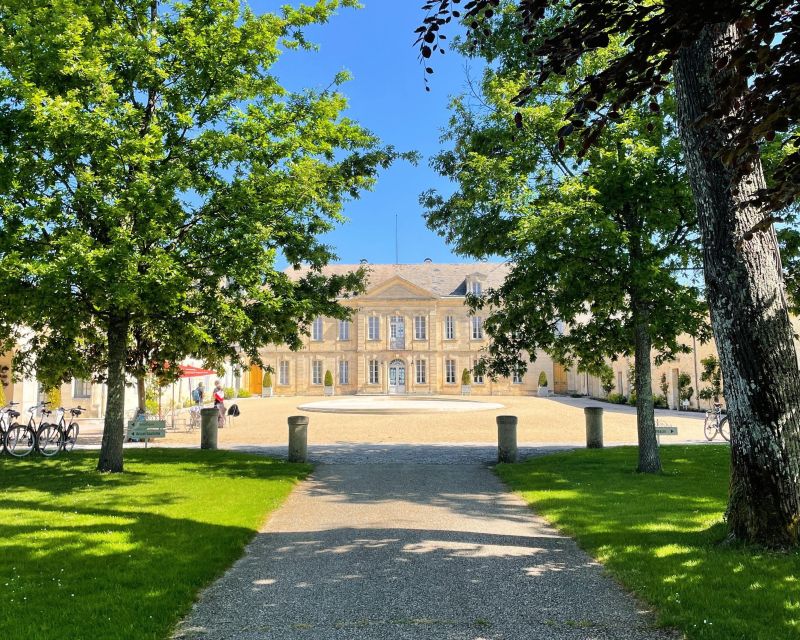
- Three châteaux, different styles across left and right banks, with enough variety to compare
- 7/8 wines minimum, typically 2–3 wines per château so you don’t just sample blindly
- A château picnic lunch in the wine country (outdoor time is part of the appeal)
- Tasting class with aroma training plus a tour of a traditional vat room and cellar
- UNESCO St-Émilion village time with a guided walk after lunch
Bordeaux wine tour basics: why this day works
If you want one classic Bordeaux day that feels like more than a bus tour, this format is smart. You’re covering two of the best-known wine regions—Médoc on the left bank and Saint-Émilion on the right—so you can actually taste how the land and the winemaking approach shape the wine.
I like that the day is built around a tight sequence: arrive, walk the estate, see how wine is made, then taste. That structure matters because it turns a tasting into a comparison. When you taste the next bottle, you’re not starting from zero—you’re building a map in your head.
The small-group size (limited to 8 participants) also changes the tone. You’re not just yelling over the crowd. You can ask practical questions, and the guide can keep things moving without rushing you through the important parts.
You can also read our reviews of more wine tours in Bordeaux

Meeting at Monument aux Girondins and the minivan pace
You’ll meet your guide at the Monument aux Girondins, specifically on the stairs of the big statue with the fountain. There’s no hotel pickup, so give yourself buffer time to get there on Bordeaux timing.
Once you’re in the minivan, the trip becomes a rolling classroom. The drive to the Medoc is used to learn the basics of Bordeaux wine so the estates make more sense once you arrive. Then the pace alternates: travel time, estate time, tasting time, then travel again.
The transport quality gets strong marks (a high share of reviewers scored it as perfect). That’s not a small detail. When you’re doing an 8.5-hour day, comfort and smooth logistics make it easier to stay focused during tastings.
Médoc estate #1: classified growth, vineyards, and cellars
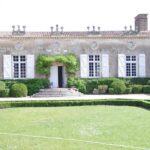
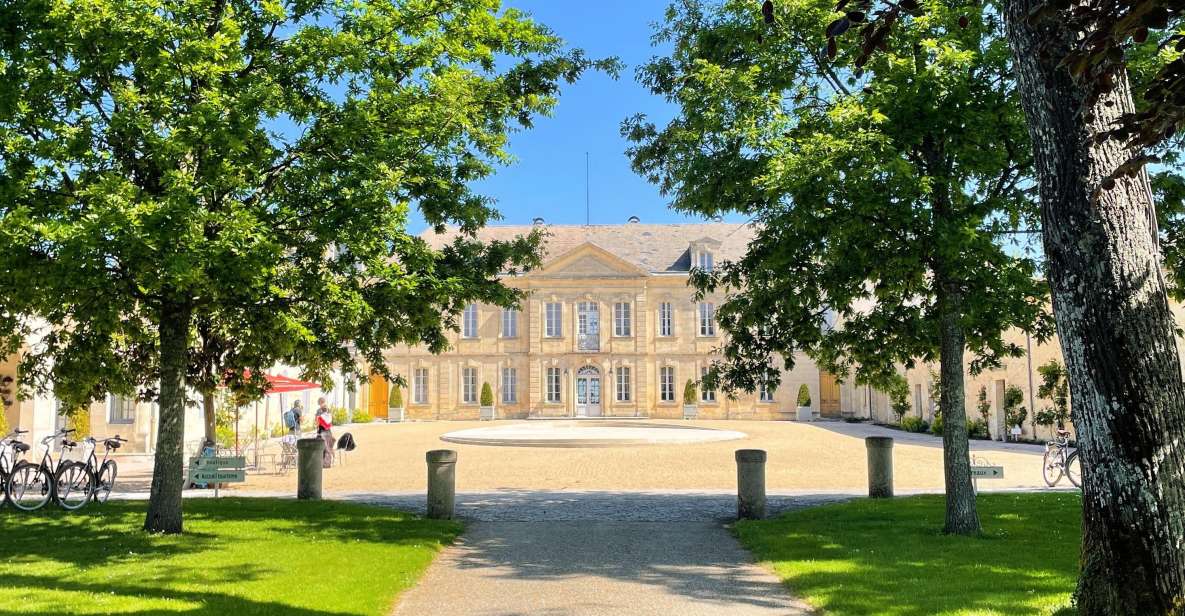
The first château stop is in the Médoc, and you arrive at a Classified Growth estate operating since 1855. That’s a big deal here because Médoc reputations are built on history, but also on consistent farming and winemaking practices over time.
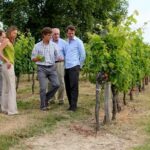
On arrival, you’ll be welcomed and taken through the estate experience: walking the vineyards, learning about the wine-making process, then going to cellars before tastings begin. Even if you’re a first-timer, this order helps. You see where the grapes grow first, then you see where the wine lives, then you taste.
One of the smartest parts of estate visits is that they give you context for what you smell and taste. If you’re paying attention, you start to connect farming choices and aging choices to what ends up in the glass.
Your Médoc tastings: 2–3 wines you can actually compare
You’ll taste multiple wines at this first estate—typically 2/3 wines as part of the tour’s overall 7/8 minimum tastings. The point isn’t to get drunk on variety; it’s to give you a spread you can compare.
This is where the guide really earns their keep. Across past groups, guides like Dorian and Regis have been praised for mixing wine explanations with approachable storytelling, and Gabe gets called out for being especially informative. That kind of teaching is what helps you leave with skills, not just souvenir bottles.
Practical tip: during tastings, focus on a simple routine—smell first, then taste, then try to identify what you think changes between wines. You don’t need to be a critic. You just need a method.
Saint-Émilion lunch: a break that doesn’t feel like a detour
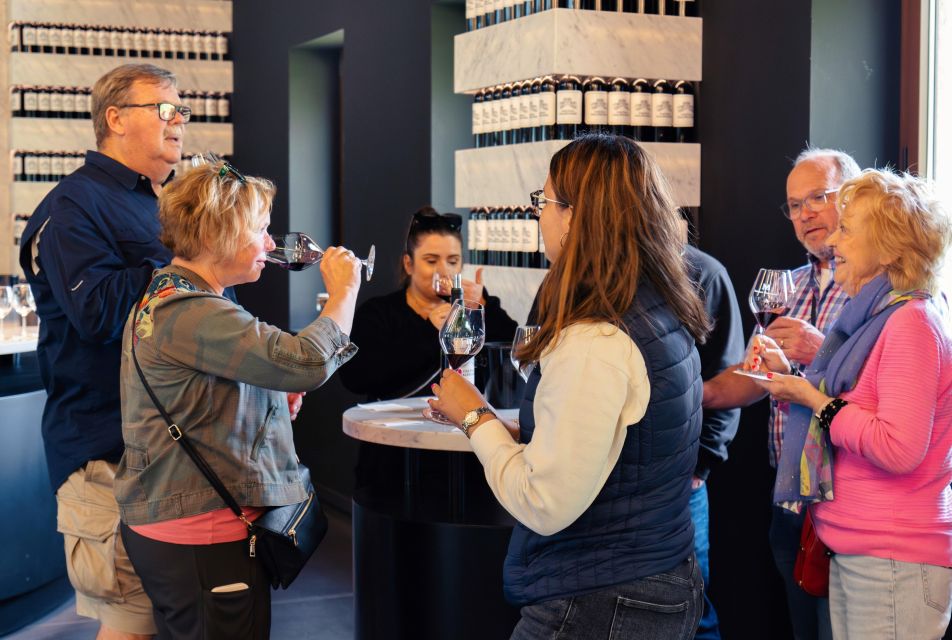
Next comes Saint-Émilion and lunch. The tour includes a lunch at a Growth Classified winery, with the meal built into the estate experience rather than tacked on somewhere random.
This is one of the reasons the day flows well. You’re not hungry and rushed right before another wine segment. You get time to eat, reset your palate, and enjoy being on the right bank.
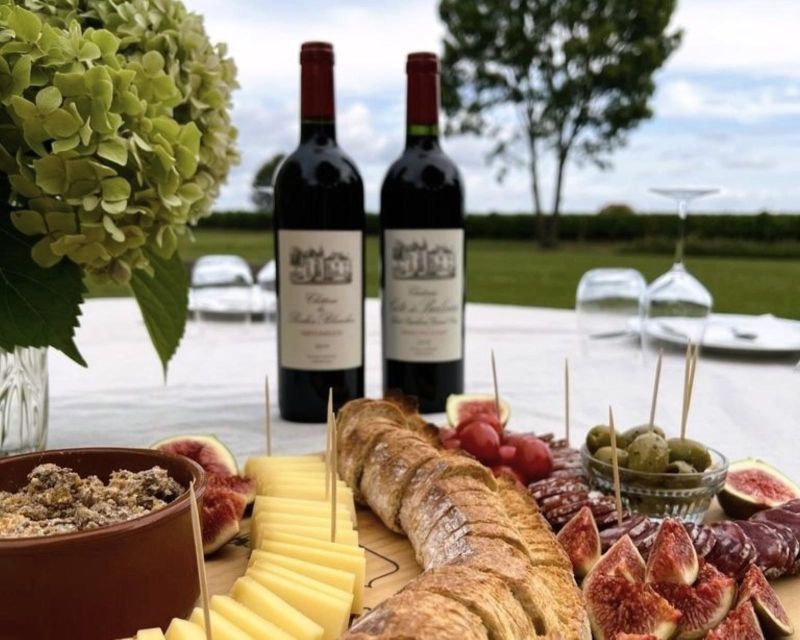
You should also know what kind of lunch it is: the tour includes a picnic lunch at the château. In past experiences, this has been described as laid out outdoors, even served in garden settings under trees. One review did note the lunch as just OK, so I’d call it solid and scenic rather than gourmet-magic.
If you’re picky about food, plan to treat the lunch as part of the château setting, not as your main culinary event in Bordeaux.
A few more Bordeaux tours and experiences worth a look


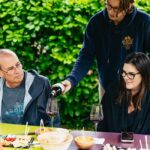
Right-bank château tour: traditional vats, cellar time, and a tasting class
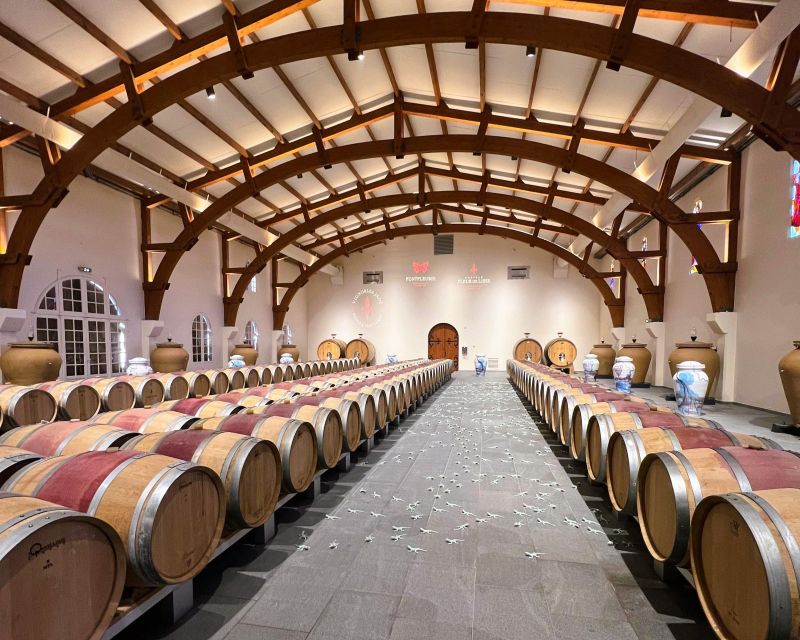
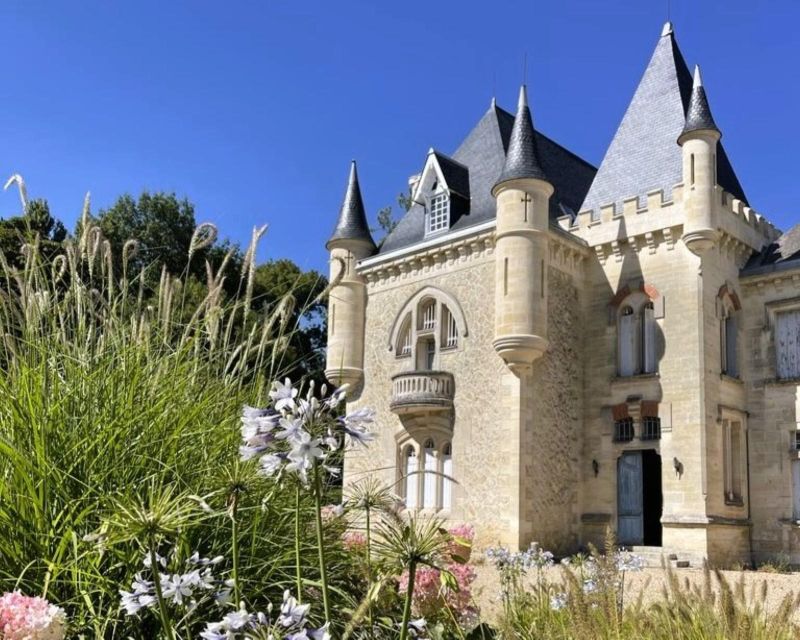
After lunch, the tour continues with another château visit on the right bank, described as a family-run estate that feels more intimate. You’ll tour the traditional vat room and cellar—the kind of behind-the-scenes look that helps you understand how wine goes from grape to finished bottle.
Then comes the element that many people remember: a tasting class. The goal is to teach the steps of wine tasting and train your nose to identify different wine aromas. This is a real skill. It’s also the difference between tasting as entertainment and tasting as education.
Guides have been praised for being friendly and for connecting wine to broader Bordeaux context. For example, Ben is described as outstanding at explaining winemaking nuances, and Quentin gets credit for pairing St-Émilion context with wine info. That blend is exactly what you want during a tasting class: practical instructions you can use later, not vague advice.
St-Émilion village walk after wine: UNESCO time at human speed
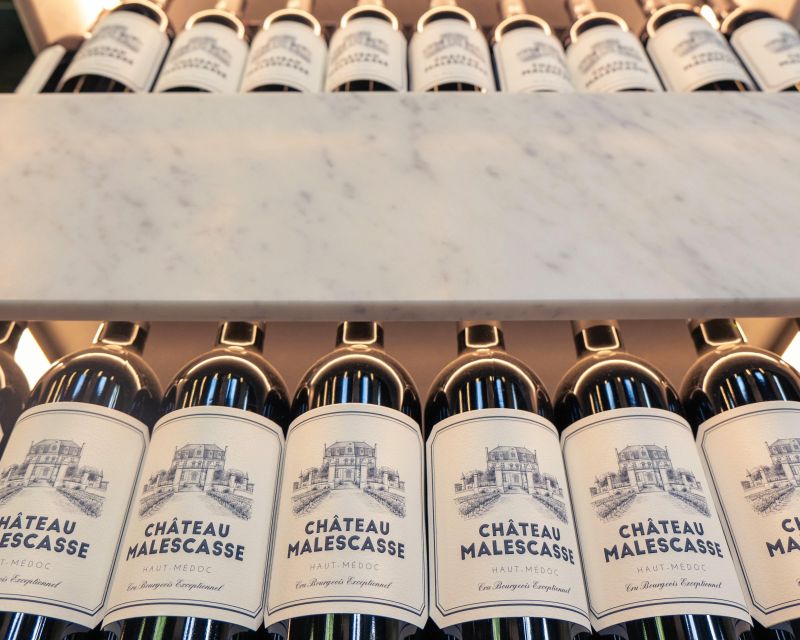
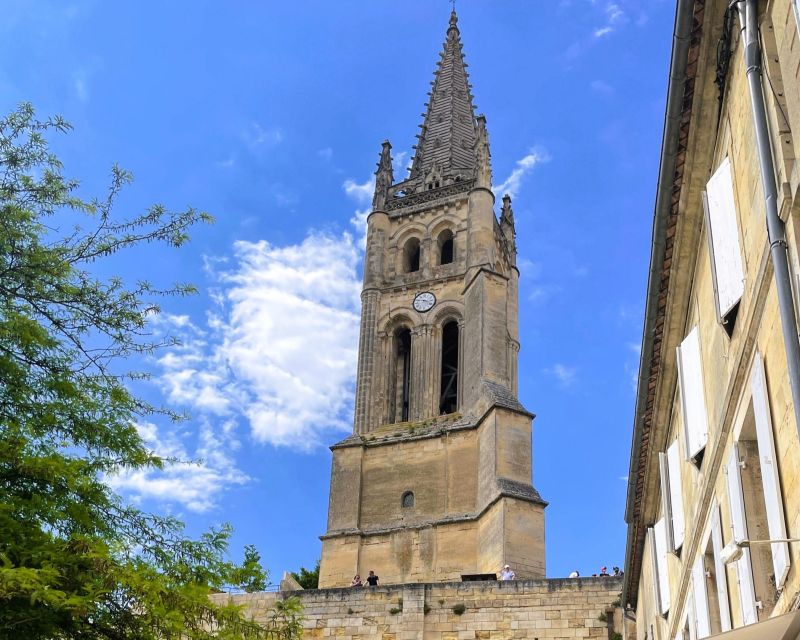
After the château portion, you’ll get a guided tour of Saint-Émilion’s medieval village, a UNESCO World Heritage site. This is the perfect counterweight to the cellar schedule.
The village walk is where the day cools down. You trade winery smells for stone streets and views, and you get time to wander with a guide keeping the story straight. You’ll also have the chance to see why this place is worth a longer stay on your own if you fall in love.
This stop is also helpful for comprehension. When you understand the village’s role—people, trade, and tradition—it’s easier to see the wine as part of a living region, not a factory product.
Group size, timing, and what to wear
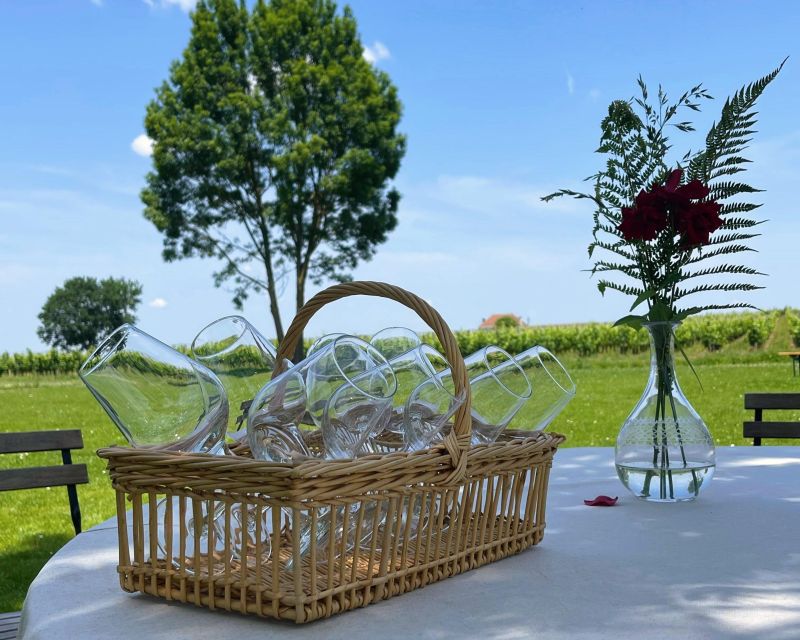
This tour runs 510 minutes (about 8.5 hours). That’s a full day, but the structure keeps it from feeling chaotic: travel, estate, tastings, lunch, village, more tasting, then back to Bordeaux.
Group size is limited to 8 participants, which helps the guide manage timing without cutting corners. Transport is in a minivan, and the day is designed so you’re never stuck in one place for hours.
Wear comfortable shoes. You’ll walk vineyards, cellars, and the medieval village. Also bring a light layer; cellars can feel cool compared to outside air.
Finally, a detail that matters: you must have a ticket to access the vans at the beginning of the tour, including children. If a child isn’t declared, they won’t be accepted on the day.
How the $234 price stacks up for Bordeaux value
At $234 per person, this tour is priced in the mid-to-higher range for day trips. The question is whether you get enough value back.
Here’s what’s included:
- 3 château entrance fees
- 7/8 wines tasted (about 2/3 per château)
- Picnic lunch
- St-Émilion medieval village tour
- Transportation by minivan
- English-speaking guide
Now the key part: most of the cost isn’t just transportation. It’s the access—entrance fees for multiple estates plus guided tastings on property. You’re also getting a structured learning component through the tasting class and aroma training.
So for the right kind of traveler, it makes sense:
- You want more than one estate
- You want tasting instruction, not just tastings
- You want to leave with a stronger sense of what you like and why
If you’re someone who already has a good handle on Bordeaux and only wants one or two tastings, then the price might feel steep. And if you mainly care about being left alone to sightsee, the day’s guided structure may feel a bit scheduled.
Who should book, and who might want a different plan
This tour is a strong match if you’re:
- New to Bordeaux and want a guided foundation
- A wine fan who likes comparing estates across the left and right banks
- Someone who values small-group access at wineries
- Interested in learning tasting basics like aroma identification
It might be less ideal if you:
- Want lots of free time in Saint-Émilion beyond the guided portion
- Are sensitive to long driving days
- Are traveling with mobility needs, since the tour is not wheelchair accessible
- Are traveling with pets, since pets aren’t allowed
Should you book this Bordeaux Médoc and St-Émilion wine day?
I’d book it if you want a single Bordeaux day that gives you real wine access plus a proper St-Émilion village experience. The standout is the combination of three château visits, 7/8 wines tasted, and a tasting class that helps you build actual skills. You’re paying for structured access, not just views from a van.
Skip it if you’re only chasing one specific estate, if you want an unstructured day, or if the idea of an 8.5-hour schedule feels like too much. This is a full-day plan—great when you’re ready for it.
FAQ
Where is the meeting point?
You’ll meet on the stairs of the big statue with the fountain at Monument aux Girondins.
How many people are in the group?
The tour is a small group limited to 8 participants.
How long is the tour?
The duration is 510 minutes.
How many wines will I taste?
You’ll taste a minimum of 7/8 wines, usually 2/3 wines per château.
What do I eat on the tour?
You get a picnic lunch at the château, plus a lunch stop at a Growth Classified winery during the Saint-Émilion portion.
Is hotel pickup included?
No. Pickup and drop-off at the hotel are not included.
Is the tour suitable for young children or pets?
Pets are not allowed. The tour is not accessible for children under 4 years old, and you need a ticket to access the vans at the start of the tour, including children.
Can I cancel, and what if the tour doesn’t run?
You can cancel up to 24 hours in advance for a full refund. The tour may also be cancelled if there is only 1 participant; if that happens, you’ll receive a full refund.