REVIEW · BORDEAUX
Blind Tasting: 4 Bordeaux Natural Wine + Cheese experience
Book on GetYourGuide →Operated by Free Walking tours Bordeaux · Bookable on GetYourGuide
One hour can change how you taste Bordeaux. This Blind Tasting: 4 Bordeaux Natural Wine + Cheese experience keeps it playful with a true blind setup, then turns it into real learning about grape choices, Bordeaux regions, and what’s behind the labels. I especially love the mix of natural wine flavors and the “pause and sniff” format that makes the room feel like a friendly puzzle. I also like that the sommelier brings stories of vintages and winemakers into the tasting, not just tech notes. The one drawback to consider: it’s not a huge food meal, so if you’re hungry, plan to eat before or after.
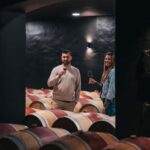
Meet at a recognizable landmark and go straight into tasting mode. You start at in front of the Flamboyant Saint Michel Church, and from there your sommelier guides you through a blind tasting of 1 white, 2 reds, and 1 sweet wine, matched with cheese and dry meat. You’ll learn how to read a French wine label like a pro, plus get the “secret” behind blind tasting itself. One thing to watch: you’ll be tasting alcohol, so it’s not suitable for children under 18 or for pregnant women.
In This Review
- Key highlights I’d plan around
- Starting at Saint Michel Church: quick setup, strong focus
- The blind setup: 4 Bordeaux wines, one tasting brain
- Natural wine in Bordeaux: learning the flavors without the hype
- Cheese and dry meat pairings that actually teach
- The stories behind the bottle: winemakers, vintages, and real context
- 1855 classification and reading French labels like a pro
- Sulphur, hangovers, and the myth you’ll hear once and remember
- Who this blind tasting suits best (and who should skip it)
- Price and value: why $34 feels fair for what you get
- What to do during the hour: simple tips that improve the outcome
- Should you book this Bordeaux natural wine + cheese blind tasting?
- FAQ
- Where is the meeting point?
- How long does the experience last?
- What wines are included in the blind tasting?
- Is this experience wheelchair accessible?
- Is it suitable for children or pregnant travelers?
- What food is included?
- What languages is the tour offered in?
- Are there options for cancellation and flexible booking?
Key highlights I’d plan around

- Blind tasting with a sommelier who explains what you’re actually smelling and tasting
- 4 natural wines from different Bordeaux areas, including a sweet option
- Cheese + dry meat pairings built to teach you, not just feed you
- The 1855 classification and label reading, so you can shop smarter afterward
- A very practical talk about sulphur and hangover myths (it’s not what you think)
Starting at Saint Michel Church: quick setup, strong focus

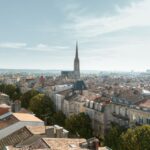
This tasting is designed for people who want to jump in fast. You meet right by the Flamboyant Saint Michel Church, so you’re not hunting for a hidden bar or walking for ages with your tasting glass already on your mind. The vibe is simple: show up, meet your guide, and get ready to taste with zero pressure to already know Bordeaux.
Because the total time is 1 hour, it’s paced like a good class. You won’t spend half your time waiting or wandering. Instead, you’ll move from one wine to the next while learning what matters—grape variety, region context, and how to interpret what’s on the label later. That time crunch can feel strict if you hate structure, but for most people it’s the point: you leave with sharper instincts and less guesswork.
Also, the format is meant to be friendly. There’s a lot of sniffing involved, and that turns the tasting into something social rather than intimidating. If you’ve ever avoided tastings because you felt like everyone else knew the vocabulary, this style helps. You’re guided through observations in plain steps.
You can also read our reviews of more food & drink experiences in Bordeaux
The blind setup: 4 Bordeaux wines, one tasting brain

The heart of the experience is that it’s blind. Instead of starting with expectations from the bottle or label, you taste first, then learn. That’s why this works so well for beginners. You focus on aromas, acidity, body, sweetness, and finish—things you can actually notice—before anyone tells you what you got.
Here’s what you’ll taste: 1 white, 2 reds, and 1 sweet wine. That spread matters because it forces you to compare across the Bordeaux style spectrum. You’re not only learning red Bordeaux, which is what most people think about. You’re also training your nose and palate to pick up differences in freshness, weight, and sweetness level.
Between each pour, the sommelier doesn’t just say “this is good.” They explain what you might be detecting and why it likely lands the way it does. That makes the blind aspect more than a gimmick. You’re building a mental map: how Bordeaux wines can feel, how they can differ by region choices, and how natural wine character shows up in practice.
One more smart detail: the guide also covers the “reason of getting hangover” and includes a spoiler that it’s not because of sulphur. That kind of myth-busting isn’t just talk. It changes how you interpret what you tasted and what you worry about afterward.
Natural wine in Bordeaux: learning the flavors without the hype

Your sommelier will focus on the bright side of Bordeaux natural wine. Natural wine can sound like a philosophy instead of a drink, but in this tasting it’s treated like a flavor experience first. You’ll savor the bright flavors and learn how the wines can differ even when they share a Bordeaux umbrella.
You’re also tasting from local, organic, small family châteaux. The wine is described as 100% local, organic, and made by small Family Chateaux, which is useful information because it signals what kind of natural-wine character you’ll likely encounter: it’s not an anonymous label aiming for global mass appeal. It’s meant to show place and personality.
A key payoff for you: tasting natural wine blind teaches you to rely on your senses, not a brand story. If you tend to pick wines by price, region prestige, or label design, you’ll see how weak that can be. This tasting trains decision-making that feels personal.
Cheese and dry meat pairings that actually teach
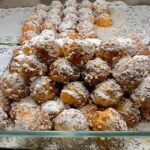
This experience doesn’t treat food as an afterthought. You get 3 different types of cheeses plus 2 different types of dry meat, and you’ll talk about pairing Bordeaux wines with them. That matters because pairing is where a wine stops being a drink and becomes a companion to your meal.
You’ll learn how to pair food and Bordeaux wine in a practical way. The guide’s approach is about matching what your palate needs: fat vs acidity, salt vs fruit, and how sweetness (from the sweet wine) can change the whole experience. Even if you don’t become a pairing expert on the spot, you’ll leave with a few rules you can use immediately in a shop or at dinner.
One consideration: this is not a full meal. The food is there to support tasting and teach you how pairing works. If you’re very hungry, plan to eat beforehand or afterward so you can stay focused on tasting rather than just powering through bites.
The stories behind the bottle: winemakers, vintages, and real context
This tasting is not only sensory. Your sommelier will listen to the stories of the winemakers, vintage, and history. That kind of narration gives your palate something to attach to. Otherwise, tasting notes can float around in your head without a framework.
You’ll also learn about grape varieties in Bordeaux and the important wine regions in Bordeaux. The best part of learning this in a blind format is that it turns abstract geography into something you can taste. Instead of memorizing a list, you start connecting regions to textures, aroma patterns, and wine balance.
And because the tasting is short, the guide keeps the message focused: what you need to recognize later when you’re standing in a shop or browsing bottles. You’ll get a sense of Bordeaux not as one style, but as a set of different expressions that share enough traits to be classed together.
You can also read our reviews of more wine tours in Bordeaux

1855 classification and reading French labels like a pro
One of the most practical takeaways is that you’ll learn how to read a French wine label like a professional. Bordeaux labels can look like puzzles—terms, classifications, vintage info, appellation or region clues—and without guidance it’s easy to miss what actually matters.
In this tasting, label reading connects directly to what you tasted. You’ll also learn what the 1855 classification is, and why it shows up in Bordeaux conversations and on bottles. That’s valuable because the 1855 classification often influences pricing and expectations. Even if you never buy a classified bottle, understanding the system helps you avoid being bamboozled by prestige alone.
Think of it like this: once you can read the label, you can decide faster in a store. You stop relying on trends and start using real signals—variety, region, vintage context, and producer style.
Sulphur, hangovers, and the myth you’ll hear once and remember

This tour tackles a question a lot of people quietly worry about: why you feel rough after wine. The guide includes a spoiler that the reason is definitely not sulphur—at least not in the way people usually blame it.
You’ll learn something surprisingly grounded: there is more sulphur in fruits & vegetables than in a bottle of wine. That doesn’t mean everyone processes alcohol the same way, but it does correct a common misconception. You’ll walk away feeling less like natural wine is dangerous or weird, and more like the conversation is often oversimplified.
This kind of myth-busting is one reason the tasting feels modern and practical. It’s not just about wine facts. It’s about real-world expectations and stress reduction before you even taste.
Who this blind tasting suits best (and who should skip it)

This works especially well if you:
- want to learn Bordeaux without reading a textbook first
- like tasting games and don’t mind sniffing and comparing
- care about food pairing and want a usable method
- enjoy natural wine and want to explore it in a structured way
It might not be ideal if you:
- hate group learning formats or prefer silent tastings
- are expecting a long sit-down meal with lots of food
- travel with allergies you haven’t disclosed in advance
Your tour info also says it’s not suitable for children under 18 and not suitable for pregnant women. If you’re either of those, you’ll want a different Bordeaux wine experience.
Price and value: why $34 feels fair for what you get

At $34 per person for a 1 hour tasting, this price looks good because the experience is doing a lot in one go. You’re getting four wines (including a sweet wine), plus cheese and dry meat, plus an experienced sommelier who teaches you how to read labels, understand Bordeaux wine regions, and decode blind tasting clues.
The included wines are described as 100% local, organic, and made by small Family Chateaux. That matters for value: it’s not just pouring whatever is cheapest to cover a class. It’s positioned as a genuine producer-based tasting, which tends to translate into better learning. When your wines actually have character, your tasting education sticks.
And because you leave with practical skills—label reading, pairing basics, and a clear explanation of the 1855 classification—you’re not just paying for drinks. You’re buying better decision-making for future Bordeaux meals and bottle purchases.
What to do during the hour: simple tips that improve the outcome
You’ll get the most if you treat this like a guided tasting worksheet. You don’t need fancy vocabulary. Focus on a few consistent questions:
- What does it smell like at first, then after a moment?
- Does it feel bright and fresh, or heavier?
- How does the wine change once it touches cheese or dry meat?
- What does the finish taste like: dry, sweet, clean, lingering?
Also, if you’re concerned about allergies, tell the team ahead of time. The info explicitly says to mention allergies, and that’s the difference between enjoying the tasting and having to sit out.
Finally, show up ready to learn. The tour is lively—sniffing around friends and family is part of the fun—so bring a relaxed attitude. You’ll enjoy it more, and you’ll remember more.
Should you book this Bordeaux natural wine + cheese blind tasting?
I’d book it if you want a fun, focused way to understand Bordeaux wine without already knowing Bordeaux wine trivia. The blind format keeps it honest, and the teaching points are practical: label reading, Bordeaux region context, the 1855 classification, and pairing with cheese and dry meat. If you also like natural wine flavors and want a guide who explains myths and tasting logic, this is a strong match.
Skip it only if you’re looking for a long gourmet meal, or if the experience timing and structure won’t work for you. Otherwise, for $34 and four wines plus food plus instruction in one hour, it’s excellent value—and it’s exactly the kind of Bordeaux activity that helps you shop and order with confidence later.
FAQ
Where is the meeting point?
The meeting point is in front of the Flamboyant Saint Michel Church.
How long does the experience last?
It lasts 1 hour.
What wines are included in the blind tasting?
You’ll taste 4 Bordeaux wines: 1 white, 2 reds, and 1 sweet wine.
Is this experience wheelchair accessible?
Yes, it is wheelchair accessible.
Is it suitable for children or pregnant travelers?
No. It is not suitable for children under 18 and not suitable for pregnant women.
What food is included?
You’ll get 3 different types of cheese and 2 different types of dry meat.
What languages is the tour offered in?
The live guide speaks French and English.
Are there options for cancellation and flexible booking?
Yes. Free cancellation is available up to 24 hours in advance for a full refund, and there is a reserve now & pay later option.