REVIEW · AIX EN PROVENCE
An Aix-traordinary Walking City Tour of Aix-en-Provence
Book on GetYourGuide →Operated by AixTours · Bookable on GetYourGuide
Aix is pretty, but it gets better when it’s explained. This 2.5-hour walking tour in the city center gives you a guided path through fountains, plazas, and grand mansions while a local shares the stories behind them. The pacing is built for first-timers who want context fast, and the tone is part history lesson, part friendly walk.
I especially like the storytelling style. Benjamin keeps the history moving from Roman beginnings to Renaissance Aix, then jumps to later chapters like the US Army liberation and modern work in human science and technology. I also love the practical touches: a food-market stop in the center, plus a professional photo at the Fontaine des Quatre Dauphins so you actually leave with something memorable.
One thing to consider: you’ll want to plan around a walking-heavy format. The tour is 150 minutes and water or snacks aren’t included, so bring a refillable bottle if you get thirsty on warm days.
In This Review
- Key highlights that make this tour worth your time
- Starting at the Tourist Information Center: how to get oriented fast
- Cours Mirabeau: the boulevard that frames Aix
- Mazarin: photo stop energy and mansion-level detail
- Place des Prêcheurs: where the medieval story starts to feel real
- Place Richelme and the morning market feel (or gelato option)
- Aix Cathedral area: the tour’s finale and your next steps
- The Fontaine des Quatre Dauphins photo stop: more than a pretty background
- Benjamin’s approach: local perspective, humor, and a timeline you can carry
- What you get for $123: value beyond the walking
- Practical tips so you enjoy it more (and stress less)
- Should you book this Aix-en-Provence walking tour?
- FAQ
- How long is the Aix-en-Provence walking city tour?
- Where does the tour start?
- Is the tour guided in English?
- Do you get a photo souvenir?
- Are cathedral or church entrances included?
- Is there food included?
- Is the tour wheelchair accessible?
- What’s the cancellation and payment flexibility?
Key highlights that make this tour worth your time
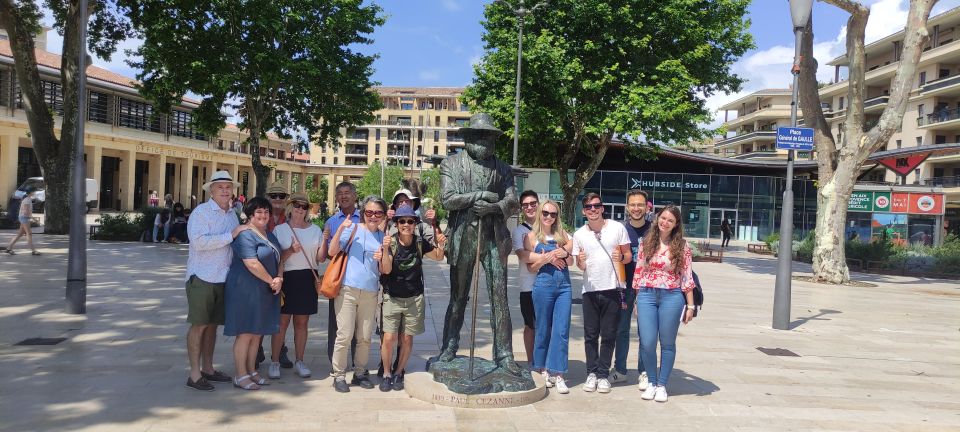
- Benjamin’s timeline storytelling: Aix’s big eras connected in a way that stays easy to follow
- Pro photo at Fontaine des Quatre Dauphins: a specific, photogenic fountain stop you can plan around
- Cours Mirabeau to the medieval squares: wide boulevard views, then you move into tighter, older lanes
- Place Richelme food-market visit: a great chance to learn what to try next
- Cathedral wrap-up: the tour ends at Aix Cathedral area, close to sights like Cezanne’s studio
Starting at the Tourist Information Center: how to get oriented fast
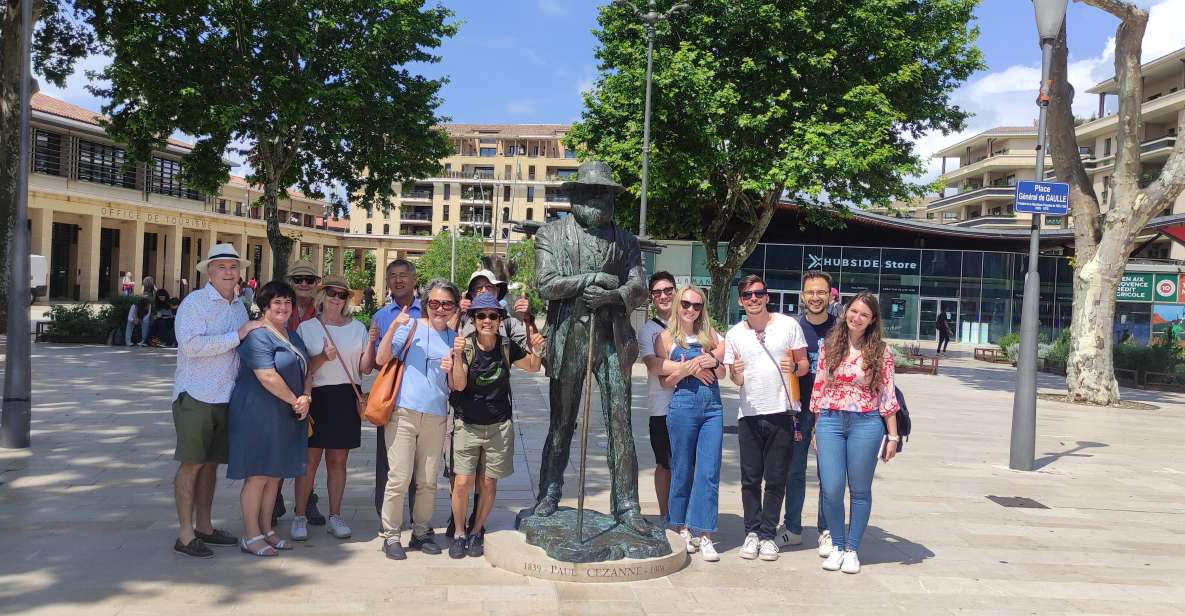
You meet by the entrance of the main Tourist Information Center, which is a smart start if you’re trying to get oriented on day one. In about two and a half hours, you cover enough ground to feel like Aix stops being a blur of pretty streets and turns into a set of locations with names, eras, and purpose.
What you’re really buying here is structure. Aix can feel confusing at first because the city spreads out through boulevards, squares, and side streets. This route strings those parts together in a logical flow, so when you wander later, you know what you’re looking at and why it matters.
The tour is English with a live guide, and it’s wheelchair accessible. Since it’s also positioned as a local-led “walking city” experience, expect lots of on-the-ground pointing and context rather than long speeches in one spot.
You can also read our reviews of more walking tours in Aix En Provence


Cours Mirabeau: the boulevard that frames Aix
Your walk begins along Cours Mirabeau, the city’s signature grand promenade. This is where you get the first real sense of Aix’s rhythm: open space, elegant edges, and a stretch of the city that works as a reference point for everything you’ll see next.
In practical terms, this stop sets you up for the rest of the tour. When later you reach older plazas and narrower corners, you’ll understand the contrast—how Aix’s identity shifts from big, formal public life to the older, more intimate heart of the city.
Also, this is where the tour’s style becomes clear. The guide’s approach isn’t just listing sights. It’s giving you context that helps you notice things quickly: architectural cues, how streets align, and why fountains and plazas matter to the city’s social life.
Mazarin: photo stop energy and mansion-level detail
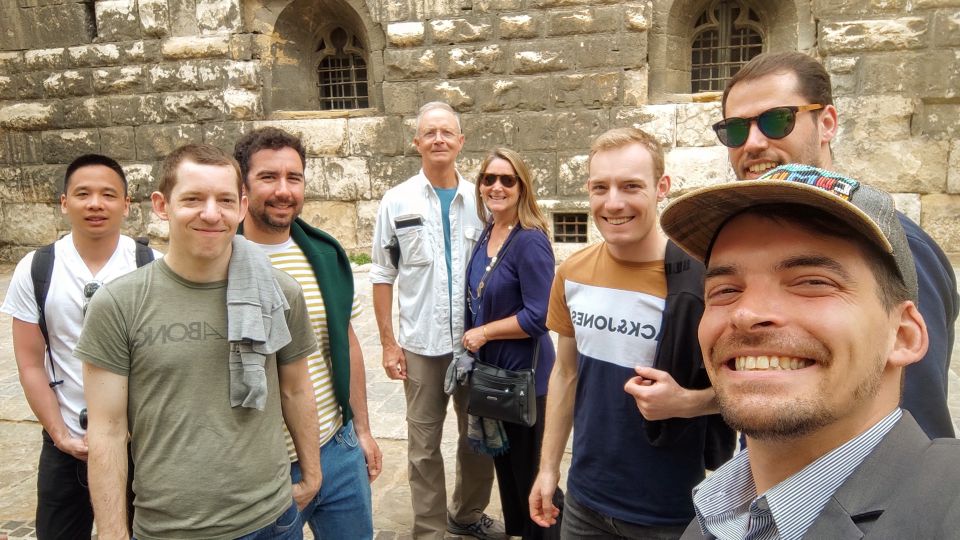
Next you move toward Mazarin, with a longer photo stop built into the pacing. This is one of those parts of Aix where the city’s “old money” vibe shows up—grand facades, refined streetscapes, and that sense that this was a place built for display.
You don’t just pass through; you pause. That pause matters because it turns sightseeing into memory. And because the tour includes a professional photo souvenir, you’ll likely want to use these stops as moments to slow down, look around, and mentally pin where you are.
What I like about including a dedicated photo moment is simple: you’re not stuck relying on your phone to capture a place you’ll want to revisit. It’s also a good stress reducer for groups and families—everyone gets something “official” that feels like part of the experience, not an afterthought.
Place des Prêcheurs: where the medieval story starts to feel real
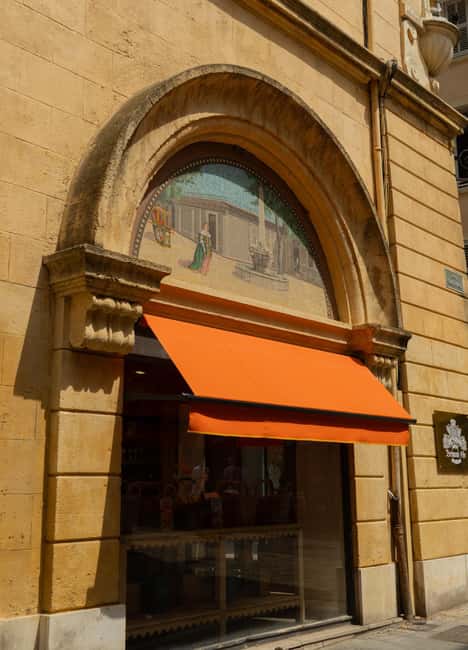
Place des Prêcheurs is another key square stop, and it’s one of those locations that helps the tour do what it promises: make history feel physical. Squares like this are where religion, power, and daily life overlapped for centuries in European cities.
As the guide moves through the timeline—especially the medieval influence of religion—you’ll start connecting why Aix has the architecture it does and why certain public spaces kept their importance. You’re not just hearing dates. You’re learning how the city’s layout supports those eras.
From a visitor point of view, squares are also excellent “checkpoints.” If you’re traveling with different energy levels—someone who wants pictures, someone who wants stories, someone who just wants to rest—these are the places where the group naturally regroups.
Place Richelme and the morning market feel (or gelato option)
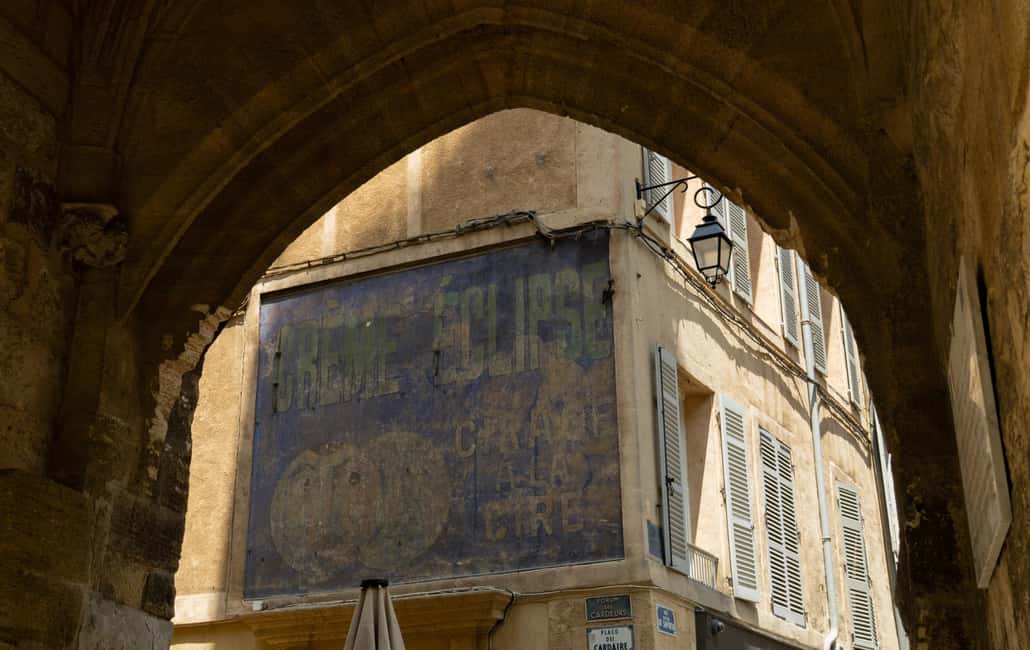
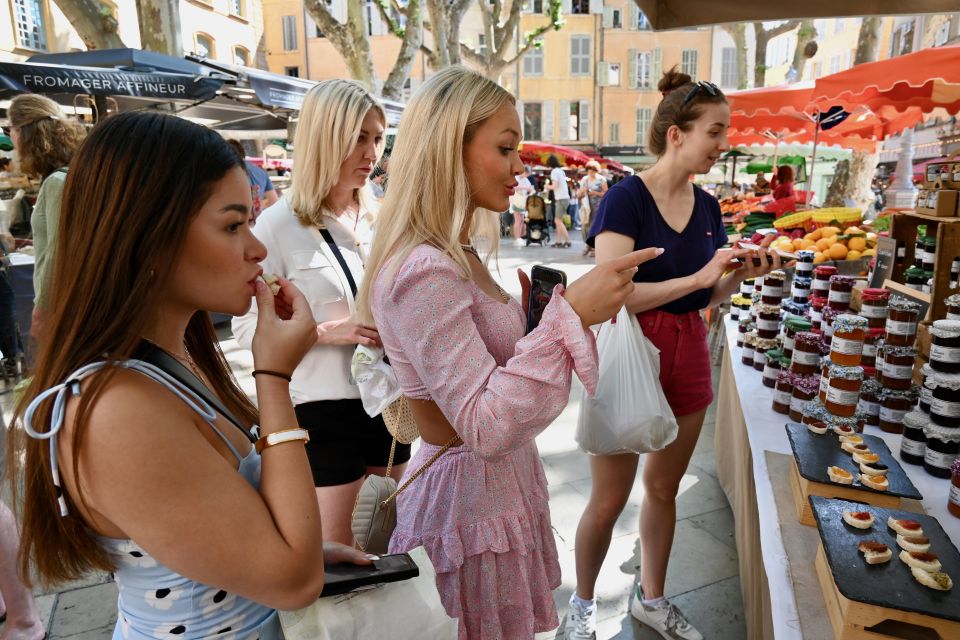
Place Richelme is where the tour turns foodie for a reason. You get a food market visit, which is one of the best ways to understand a place beyond monuments. Market culture tells you what locals value, what’s seasonal, and what “ordinary life” feels like in Aix.
In the materials for this tour, there’s also a note that the experience can fit a morning farmers market schedule, or shift toward an afternoon-style treat such as gelato depending on timing. Either way, the point stays the same: you get a taste of local rhythm while still staying inside the guided flow.
This stop is also useful for what comes after the tour. The guide includes tips about where to eat and what to do, and a market area gives those recommendations extra credibility. You’re more likely to follow advice that matches what you’ve just seen.
One practical consideration: since snacks and water aren’t included, plan to carry water. Markets and squares can be hot and sunny, and you’ll appreciate being able to stay comfortable while you sample and look.
You can also read our reviews of more city tours in Aix En Provence



Aix Cathedral area: the tour’s finale and your next steps
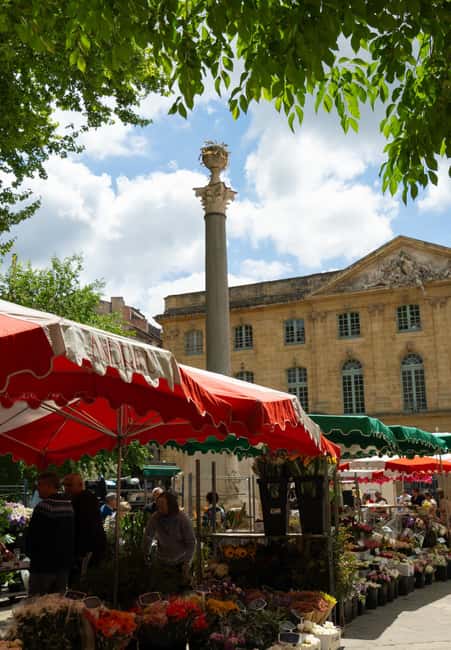
The tour wraps at Aix Cathedral, finishing in the cathedral/parish area. This ending makes sense because it leaves you in the center of major sight energy. When you finish, you’re not left crossing the city to find your next destination—you’re already near the heart of it.
The guide’s approach here is to connect the city’s earlier layers to what still stands today. You’ll also get the sense of why Aix has remained a magnet over time, from earlier religious influence to later periods when the city gained status (including its rise as the Paris of the South in the Renaissance).
The cathedral area is also close to Cezanne’s studio, and that connection is handy for planning. If you’re the kind of traveler who wants a history lesson plus art time, ending near that cluster of sights makes it easier to build your afternoon without guesswork.
The Fontaine des Quatre Dauphins photo stop: more than a pretty background
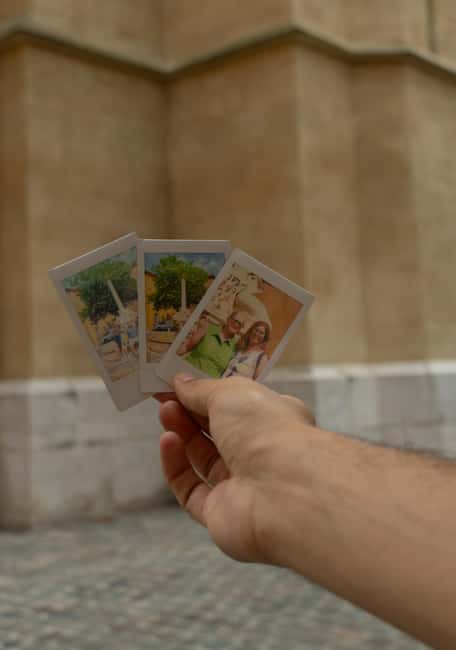
One of the most specific highlights is the professional photo at the Fontaine des Quatre Dauphins. That specificity is the key value. Lots of tours say you’ll “see a famous fountain.” This one builds a real photo moment around it, so it becomes an anchor in your memory.
Fountains are a big deal in Aix not just because they’re scenic, but because they’re part of how the city moved water, celebrated public life, and shaped street corners into meeting points. Standing at a fountain like this while the guide explains the city’s story helps it click.
Even if you’re not a big photo person, this is a smart inclusion. You’ll come away with a souvenir photo, and you’ll have a clear location to return to on a free evening—when the light and crowds shift.
Benjamin’s approach: local perspective, humor, and a timeline you can carry
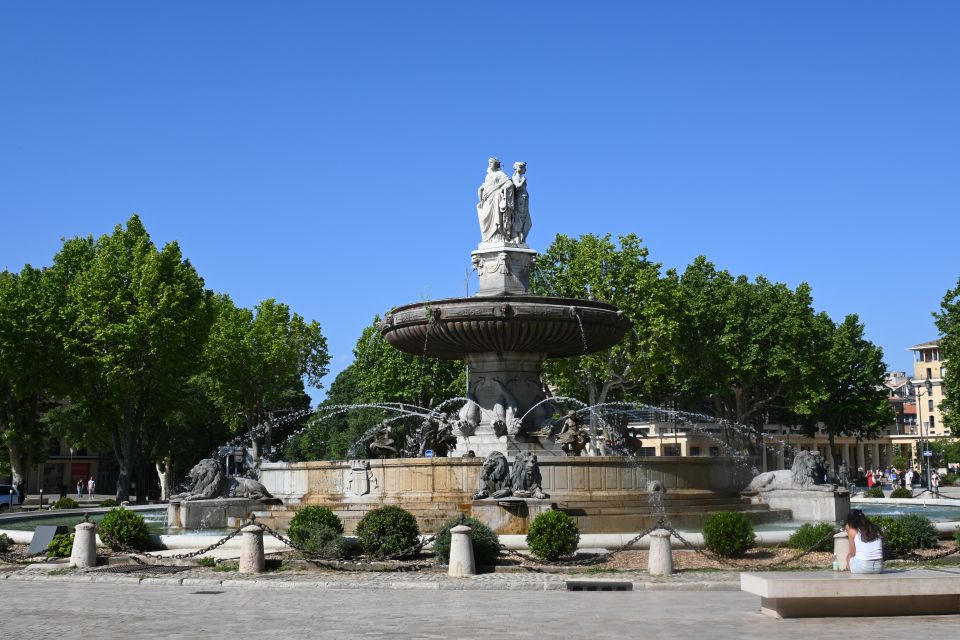
If you pick this tour, you’re really picking Benjamin as your guide. His style comes through strongly in the way people describe the experience: funny, warm, and fast-moving through Aix’s storyline without losing the plot.
A standout theme is how he ties personal connections into what you see. Many guests highlight that he speaks from being an Aix local, weaving family ties and lived-in knowledge into the history. That matters because it adds texture you won’t get from a generic script.
From the historical threads mentioned in the tour description, you can expect stops in the narrative for:
- Roman foundation of Aix: the early roots that shaped the city’s footprint
- Religious influence in the medieval era: why the city’s public spaces mattered
- Renaissance rise as the Paris of the South: a status story you can visualize in architecture
- 19th-century “sleeping beauty” reputation: a reminder that cities change slowly, not instantly
- Liberation by the US Army and the French Connection: later events that shaped modern memory
- Current human science and technology focus: a forward-looking chapter, not only old ruins
The result is a tour that helps you understand Aix as a living city, not a museum. And yes, humor is part of the package—people mention dad jokes and lots of laughs—so the history stays light on its feet.
What you get for $123: value beyond the walking
At $123 per person for 150 minutes, the price is in the mid-range for a small-group style city walk. What makes it feel more reasonable is the mix of paid elements included.
Here’s what’s stated as included:
- Professional photo souvenir (tied to the Fontaine des Quatre Dauphins moment)
- Entrance included to churches and the cathedral
- Tips about places to eat and things to do
- Tasters depending on route and timings
- The provider’s fees and VAT are included
What you should do with that information: think of this as paying for (1) a guide, (2) a guided route that gets you into the right spaces, and (3) a photo you wouldn’t reliably stage on your own. In a city like Aix, where the best sights are spread through squares and streets, a well-led route can be the difference between “I saw some buildings” and “I understand what I saw.”
Also, the tour includes the chance to win small gifts and receive discounts and tips at local restaurants. Even if those are small, they can nudge you toward better meals in the hours after the tour.
Practical tips so you enjoy it more (and stress less)
Aix is walkable, but you’ll still want to show up prepared.
- Wear comfortable shoes. The route is designed to keep you moving for 150 minutes.
- Bring water. Water and snacks aren’t included.
- If you want market or gelato timing, consider your schedule. The plan can flex based on morning versus afternoon feel.
- If you’re going with family, this tour style can work well because it mixes big landmarks with story beats, plus a photo moment that acts like a shared milestone.
If you’re traveling for the first time in Aix, I’d treat this as your orientation stop. Once you do it, you’ll have an internal map of the city’s main anchors—especially the boulevard spine, the core squares, and the cathedral area.
Should you book this Aix-en-Provence walking tour?
Book it if you want a local-guided way to understand Aix quickly, with humor and a timeline you can remember. The standout reasons for me are the specific fountain photo at Fontaine des Quatre Dauphins, the market/food stop approach, and the cathedral-area finish that sets you up for art and sightseeing nearby.
Skip it only if you prefer to explore completely on your own with no structure, or if you dislike walking for about two and a half hours. If you like your city experiences explained while you’re actually standing in front of the architecture and plazas, this is a strong fit.
FAQ
How long is the Aix-en-Provence walking city tour?
The tour lasts 150 minutes (about 2.5 hours).
Where does the tour start?
You meet by the entrance of the main Tourist Information Center.
Is the tour guided in English?
Yes, it’s a live tour guide in English.
Do you get a photo souvenir?
Yes. The tour includes a professional photo souvenir taken at the Fontaine des Quatre Dauphins.
Are cathedral or church entrances included?
Yes. Entrance to the church and cathedral is included.
Is there food included?
You’ll visit the market at Place Richelme, and tasters may be included depending on the route and timing. Snacks and water are not included.
Is the tour wheelchair accessible?
Yes, the tour is wheelchair accessible.
What’s the cancellation and payment flexibility?
You can cancel up to 24 hours in advance for a full refund, and you can reserve now and pay later.