REVIEW · ANTIBES
2 Hour Walking Tour in the Old Town of Antibes
Book on Viator →Operated by Emilie · Bookable on Viator
Antibes can feel like a postcard. This short walk packs ports, sculptures, markets, and backstreet art into one smooth loop with Émilie guiding in English.
What I liked most is how fast you get your bearings. One stop after another shows you why Antibes grew up here, from the harbor’s 2000-plus boats life to the maze-like streets of Safranier.
One thing to consider: the pace is steady and the sights are outdoors. If you’re hoping for lots of museum time, note that the Picasso Museum isn’t entered on this tour.
In This Review
- Key highlights you’ll feel on the street
- Getting oriented in Antibes’ old town, fast
- Port Vauban: where Antibes meets the sea
- Le Nomade and the Square Fort view
- The cathedral area and the Picasso Museum decision
- Marche provencal: a market stop that feeds your senses
- Safranier: the old-street maze where time slows down
- Place nationale: finishing with a lively Mediterranean square
- Price and what you actually get for $30.04
- The guide makes the difference: Émilie’s local angle
- Who this tour suits best
- Smart ways to plan around the tour
- Should you book this Antibes walking tour?
- FAQ
- What’s the duration of the Old Town of Antibes walking tour?
- What does the tour cost?
- Is the tour offered in English?
- Where do I meet the guide?
- What time does it start?
- Is the Picasso Museum included?
- Are market and other stops included with free admission?
- How big is the group?
- Is there free cancellation?
- Is this tour accessible for most people?
Key highlights you’ll feel on the street
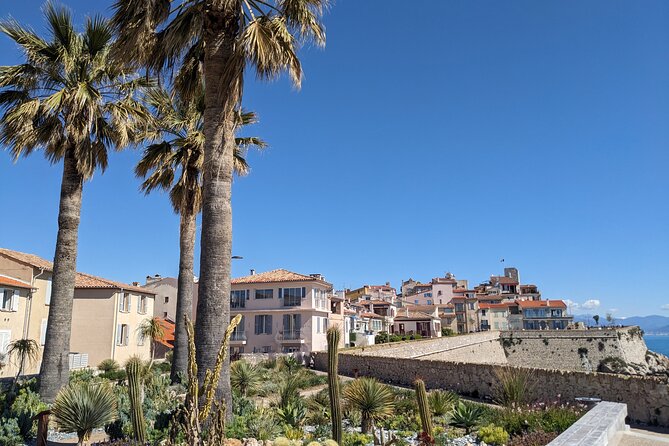
- Port Vauban with mega-yachts and working boats in the same frame
- Le Nomade photo stop plus a view and explanation of the Square Fort
- Old town art focus, including street art by Ho Lui when possible
- Marche provencal scents and colors you can smell, not just see
- Safranier’s tiny-street maze where the town slows down
Getting oriented in Antibes’ old town, fast
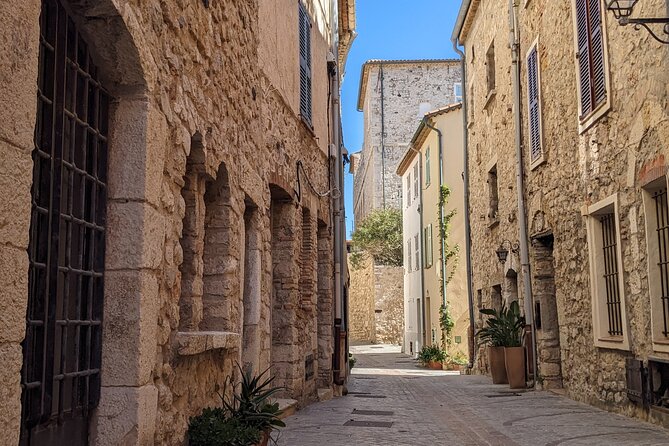
Antibes is one of those places where the geography matters. The port isn’t just scenery, and the old streets aren’t just cute. In about two hours, you’ll learn how the sea, fortifications, and local life shaped what you see today.
The tour runs with a small group (max 10). That size matters more than you’d think. You can hear the guide without a wall of earphones, and you’re not stuck watching the back of someone else’s hat. If you enjoy walking tours where questions feel natural, this setup helps.
The meeting point is easy enough to find: 14 Quai de la 1ère Division Française libre, 06600 Antibes. It starts at 10:00 am and ends back at the same place, so you don’t have to plan a second leg of transportation.
The official language is English, and most people can participate. It’s also a true walking tour, meaning you’re seeing things while you move. Plan on comfortable shoes and a bit of patience with uneven old-street pavement.
You can also read our reviews of more walking tours in Antibes


Port Vauban: where Antibes meets the sea
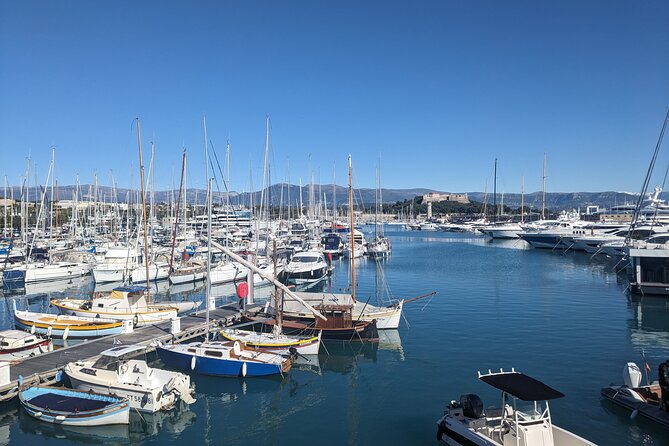
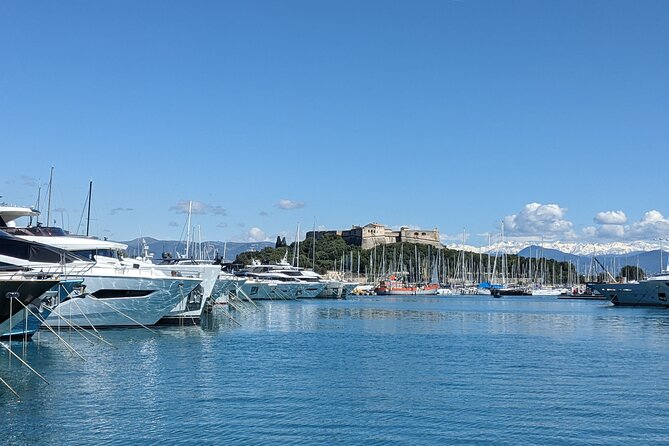
You start at Port Vauban, and the guide sets the scene with a quick but useful history of the port and the city. This stop works because it’s visual. You’re surrounded by boats, not facts on a poster.
The big takeaway is the scale: Port Vauban holds over 2000 boats, from small fishing vessels to the big, glossy end of the luxury spectrum. Even if you don’t care about yachts, the mix tells you something real about Antibes. It’s both practical port town and polished Riviera resort.
You get time to look, take photos, and connect the port to what’s coming next—Antibes has a habit of blending defense, commerce, and pleasure in the same view. Admission at this stop is listed as free.
Practical tip: If you’re doing this early in your trip, Port Vauban is a great first chapter. It helps you understand where the money comes from, where people go, and why the old center is shaped the way it is.
Le Nomade and the Square Fort view
Next comes Le Nomade, the famous sculpture stop where you can pause for photos and take in the surroundings. It’s one of those spots that looks better the more you slow down and actually frame the shot instead of rushing through.
From here, you’ll also get a wonderful view on the Square Fort. The guide explains how it was constructed and a bit of its history, so the fort stops being a random wall or tower in the distance. You start seeing it as part of the same system that protected the port and defended the town.
This is a “small stop, big payoff” moment. Ten minutes is just enough to get the angle, learn the context, and keep moving without losing momentum. Admission is listed as free.
Photo tip: Look for angles that include both the sculpture area and the fort line in the background. It gives you a sense of the city’s layers: sea first, then fortification, then old town.
The cathedral area and the Picasso Museum decision
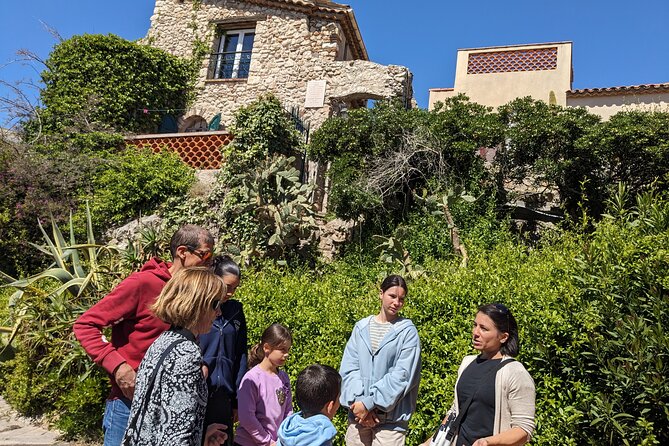
You’ll head toward the old town core and make a stop near the cathedral and the Picasso Museum, including the Saracen towers in the scene. This part is about orientation. You learn what you’re looking at and why it matters, even though the tour doesn’t go inside the museum.
Important: You do not visit the Picasso Museum on this walk. The tour is set up as an overview, not a ticketed museum day. If Picasso is your main reason for being in Antibes, you’ll want to plan museum time separately.
What I like about this approach is that it keeps your time flexible. You get exterior context, architecture cues, and a sense of the neighborhood’s layout. Then you can decide on the spot if you want to spend extra hours on art indoors.
If you’re more into street life than museum halls, this stop is still valuable. It anchors your understanding of the old town and helps you spot the towers later while you wander.
Marche provencal: a market stop that feeds your senses
After the fort-and-towers zone, you get the kind of stop that makes a walking tour feel alive: the Marche provencal.
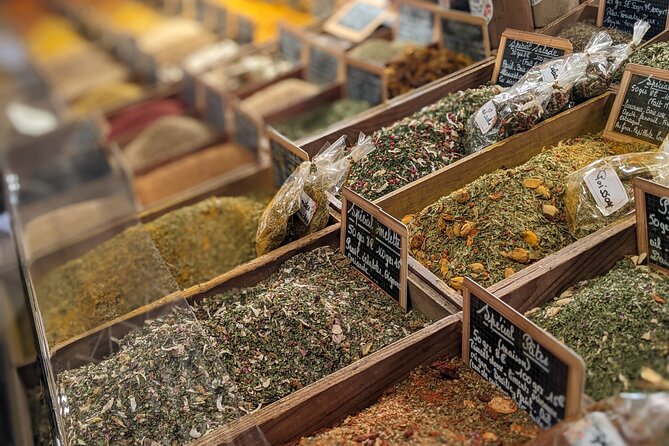
Here the goal isn’t to shop for a souvenir checklist. It’s to absorb the scents, colors, and atmosphere of a typical market setting in Antibes. Even if you just pause at the edge for a few minutes, the experience changes how you picture the town. Food markets are where local routine shows up.
This stop is listed as free, and it fits perfectly into the tour’s rhythm: sea and stone, then color and daily life.
Practical tip: If you plan to eat afterward, use this stop to gauge what looks good and what’s in season. You don’t need to buy anything to learn what the town is choosing.


Safranier: the old-street maze where time slows down
Now for the part that feels like Antibes in miniature: Commune libre du Safranier.
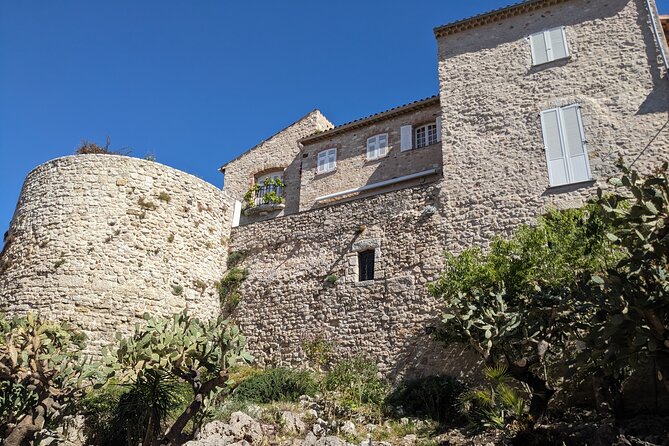
The vibe here is exactly what the name suggests. You walk through a maze of old streets where the town seems to pause. This is the stop that helps most people understand why Antibes is so photogenic. The beauty isn’t only in landmarks. It’s in the turns, the walls, the little thresholds where one lane disappears into another.
You’ll get about ten minutes to wander with the guide’s context, and the free admission note means there’s no extra ticket hurdle. The value is in how the guide explains the space while you’re in it—so you remember it after the tour ends.
If you tend to like streets more than monuments, this is one of the best stops. It gives you a reason to return to Antibes later, because you’ll want to explore those lanes again on your own.
Footwear note: Tight alleys can mean uneven stone and small inclines. Take it slow. That’s also how you’ll spot small details the first-time rush usually misses.
Place nationale: finishing with a lively Mediterranean square
The tour ends at Place nationale, a well-known Mediterranean square where local life shows up quickly—lively, open, and designed for people to linger.
This is the right kind of last stop. Earlier on you’re learning the city’s structure: port, fort lines, old-town architecture. By the time you reach the square, you can see how the layout supports daily movement. It’s a transition point from “touring mode” back to “living mode.”
Admission is listed as free. You get about ten minutes here, which is enough to soak it in without feeling like you’re being rushed out. It also gives you a natural launching pad for your next move: coffee, lunch, or a bit more wandering down side streets you were pointed toward earlier.
Price and what you actually get for $30.04
The price is $30.04 per person, and you’re getting a lot more than “a walk with a voice.” You’re buying an organized route through the city’s main layers, plus a guide who helps you connect what you see to why it exists.
The strong value points for me:
- It’s about two hours, so it fits into short trips without dominating your day.
- It’s English, which matters in French towns where the details are the point.
- The group stays small (up to 10), so the experience feels personal rather than assembly-line.
- Some sights have free admission on the stops included, and the tour is honest about what isn’t covered (like the Picasso Museum).
Is it worth it if you’re the type to wander on your own? Probably yes if you want context and efficiency. You’ll save time by learning what to notice instead of hoping you’ll stumble onto it.
If you want only museums and ticketed interiors, you might feel limited. But for old-town orientation plus art and atmosphere, this price looks fair.
The guide makes the difference: Émilie’s local angle
This experience is led by Émilie, and the recurring theme from customer experiences is that she brings Antibes to life beyond basic landmarks.
A big part of that is how she blends art and street detail into the walk. People specifically mention her focus on local artists and street art, including Ho Lui, and the chance to see him working in front of his shop when timing allows. That kind of moment turns a photo stop into a story you’ll remember later.
She also adjusts the tour for real groups. When people have kids, mixed ages, or different walking comfort, the pace and spacing can shift. That flexibility is part of what keeps the tour enjoyable instead of draining.
And yes, there’s a personal touch beyond facts. Some visitors also mention she shares small local treats during the experience, which is the kind of human detail that makes walking tours feel less mechanical.
Who this tour suits best
You’ll likely love this tour if:
- You’re in Antibes for a first or second day and want a fast orientation.
- You care about old-town streets, not only monuments.
- You want a guide who highlights art and local culture in addition to history.
- You like small groups where you can ask questions without shouting.
You might want a different plan if:
- You want a full museum visit and don’t want to arrange separate ticket time. The Picasso Museum is not included.
- You’re looking for a slow, lounging pace with long sit-down breaks. This is a walking route with short stops.
Smart ways to plan around the tour
Here are a few practical ideas to help you get the most out of your time.
Do the tour early if you can. You’ll come away with a mental map that makes the rest of your Antibes day smoother.
Plan one extra stop after Place nationale. The square is a natural place to decide what you feel like next. If you’re hungry, you’ll have a better sense of where to go than if you wandered in blindly.
Bring a camera that handles low light. Some of the alley angles in Safranier can be shadowy. A camera phone usually works fine, but try it and don’t rely on flash only.
Wear sunscreen or a light hat. The walking is outdoors. Even if the tour is only about two hours, Riviera sun adds up.
Should you book this Antibes walking tour?
If you want an efficient, art-and-streets focused introduction to Antibes, I’d book it. The price is reasonable for a small-group guided route, and the stop mix hits the best “Antibes feel”: port scale at Port Vauban, sculpture and fort context at Le Nomade and Square Fort, architecture around the cathedral and Picasso area, then markets and Safranier lanes.
Skip it only if your top priority is spending long hours inside the Picasso Museum. This tour gives you exterior context and direction, but it won’t replace a dedicated museum visit.
If you’re the kind of traveler who likes leaving with a better sense of how a place works, not just what it looks like, this one earns a spot on your itinerary.
FAQ
What’s the duration of the Old Town of Antibes walking tour?
It’s about 2 hours and includes walking time.
What does the tour cost?
The price is $30.04 per person.
Is the tour offered in English?
Yes. The tour is offered in English.
Where do I meet the guide?
You meet at 14 Quai de la 1ère Division Française libre, 06600 Antibes, France. The tour returns to this same meeting point.
What time does it start?
The start time listed is 10:00 am.
Is the Picasso Museum included?
No. You’ll stop near the Picasso Museum and cathedral area, but you do not visit the Picasso Museum on this tour. Museum admission is not included.
Are market and other stops included with free admission?
Most stops described are free admission, including Port Vauban, Le Nomade, Marche provencal, Safranier streets, and Place nationale. The Picasso Museum is not included.
How big is the group?
The tour has a maximum of 10 travelers.
Is there free cancellation?
Yes. You can cancel up to 24 hours in advance for a full refund.
Is this tour accessible for most people?
The tour notes that most travelers can participate, and it allows service animals.