REVIEW · GIGONDAS
Wine Tour: On the Way to Chateauneuf du Pape
Book on GetYourGuide →Operated by Time 4 Provence · Bookable on GetYourGuide
The rocky, sandy soils and hot sunshine of the southern Rhône help explain why these wines taste so different. On this five-hour outing, you move from Gigondas to Châteauneuf-du-Pape, tasting blended wines while learning how grape varieties and terroir work together. I like the way the tour connects what is in your glass to what is under your feet.
I also like the small group of eight, which should make questions and conversation easier, and the chance to visit three wine caves rather than simply sit through one tasting. The main consideration is the pace: five hours covers several places, so this is a focused introduction rather than a leisurely full-day wine trip.
In This Review
- Key points about the Rhône wine tour
- Why the southern Rhône makes a good classroom
- Leaving Provence for Gigondas
- Two tastings in Châteauneuf-du-Pape
- What the professional tasting lesson adds
- The value of a $112, five-hour outing
- Small-group comfort and guide style
- Practical timing and booking advice
- Who will enjoy this tour most
- Should you book the Gigondas and Châteauneuf-du-Pape tour?
- FAQ
- How long does the wine tour last?
- What wine regions does the tour visit?
- Is the tour conducted in English?
- How many people can join the group?
- Are children allowed on the tour?
- Can I drink alcohol in the vehicle?
- Can I cancel the booking for a refund?
Key points about the Rhône wine tour
- Taste two famous southern Rhône areas: Enjoy a tasting in Gigondas, followed by two tastings in Châteauneuf-du-Pape.
- Learn to taste with purpose: The guide explains professional tasting methods, grape varieties, wine production, and the role of soil and climate.
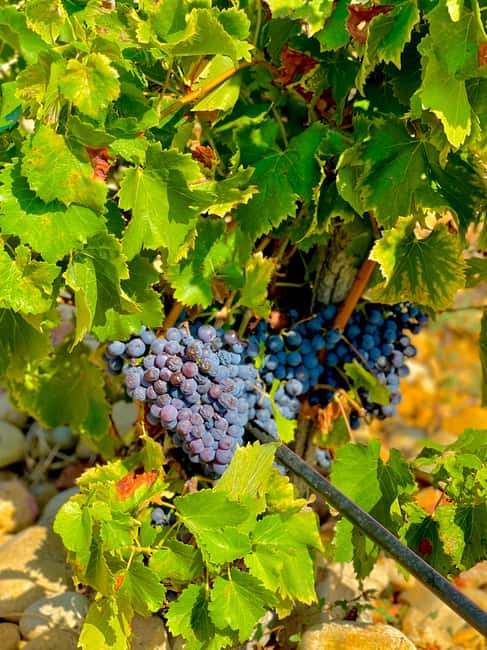
- See the vineyards behind the bottles: Photo stops help connect the wine with the rocky and sandy ground where the grapes grow.
- Travel in a small group: With no more than eight participants, the setting is more personal than a large coach excursion.
- Meet an English-speaking guide: Nathalie has led departures described as informative, helpful, and enjoyable.
- Plan for an adults-only outing: Alcohol is part of the program, so children under 18 cannot join.
Why the southern Rhône makes a good classroom
The southern Rhône is not just a string of tasting rooms. The point of this outing is to show you why wines from the area can be powerful, complex, and suitable for aging.
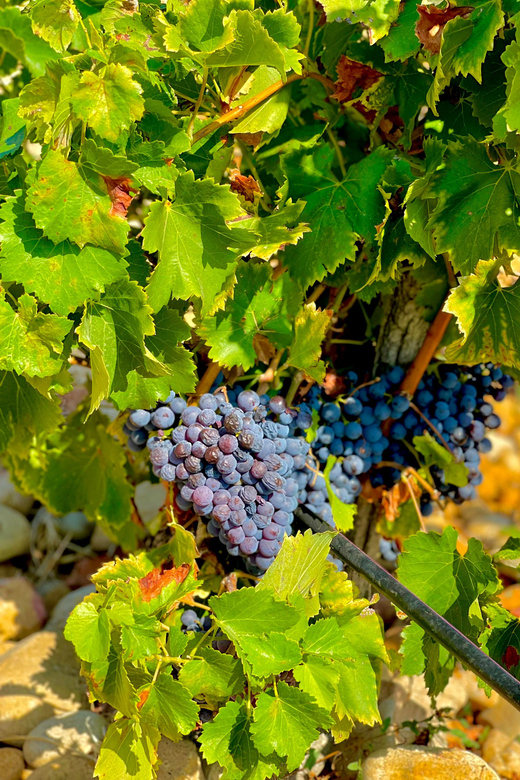
The region receives more than 300 days of sunshine each year. That warm, dry setting helps grapes ripen, while the rocky and sandy soils affect how the vines grow and what resources they receive. The result is described here as low-yield wine with strong aging potential.
You do not need to arrive with a working knowledge of French wine. The guide covers the basics of production and grape varieties, then shows you how to taste in a more deliberate way. You may leave better able to notice structure, aroma, and balance instead of judging a bottle only by whether you like it at first sip.
That practical lesson is one of the strongest reasons to book this tour. A wine tasting can easily become a parade of glasses and place names. Here, the aim is to give those glasses a clear setting: the soil, the climate, the blended grapes, and the local winemaking traditions.
The word blend matters in the southern Rhône. Rather than focusing on a single grape in every bottle, producers often combine varieties suited to the local conditions. The guide uses the tastings to explain how those grapes work together and how the local terroir affects the final wine.
Leaving Provence for Gigondas
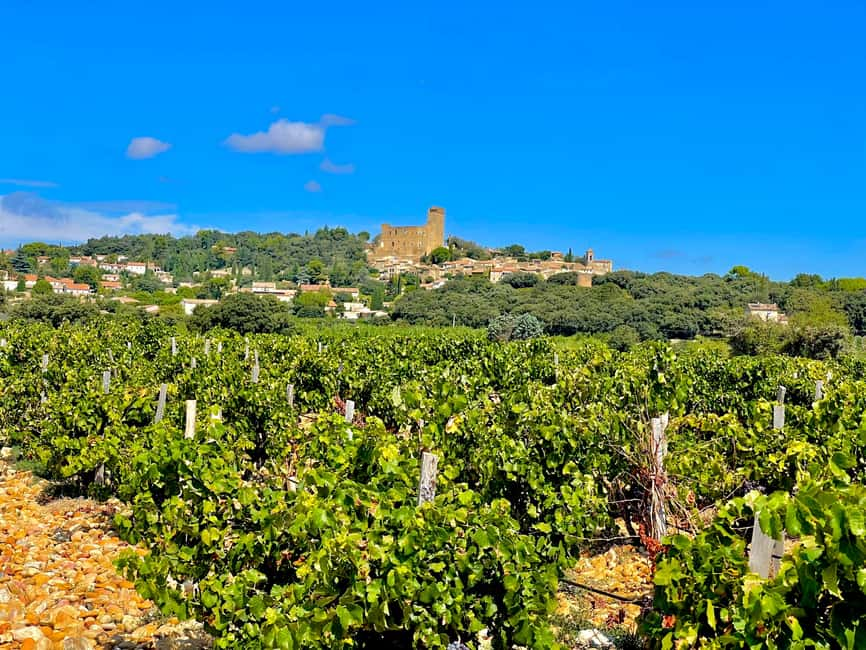
Gigondas is the first major tasting stop. It gives you a useful introduction to the southern Rhône before the tour moves on to Châteauneuf-du-Pape.
Expect to taste local wines while learning how the area’s grapes and growing conditions shape the style. The stop is not presented as a quick sample with no explanation. It is part of the wider lesson in how the best-known southern Rhône crus differ from one another.
I like this order. Starting in Gigondas gives you a comparison point for the later tastings. You can pay attention to changes in aroma, body, and finish as the tour moves between appellations, rather than treating every glass as an isolated drink.
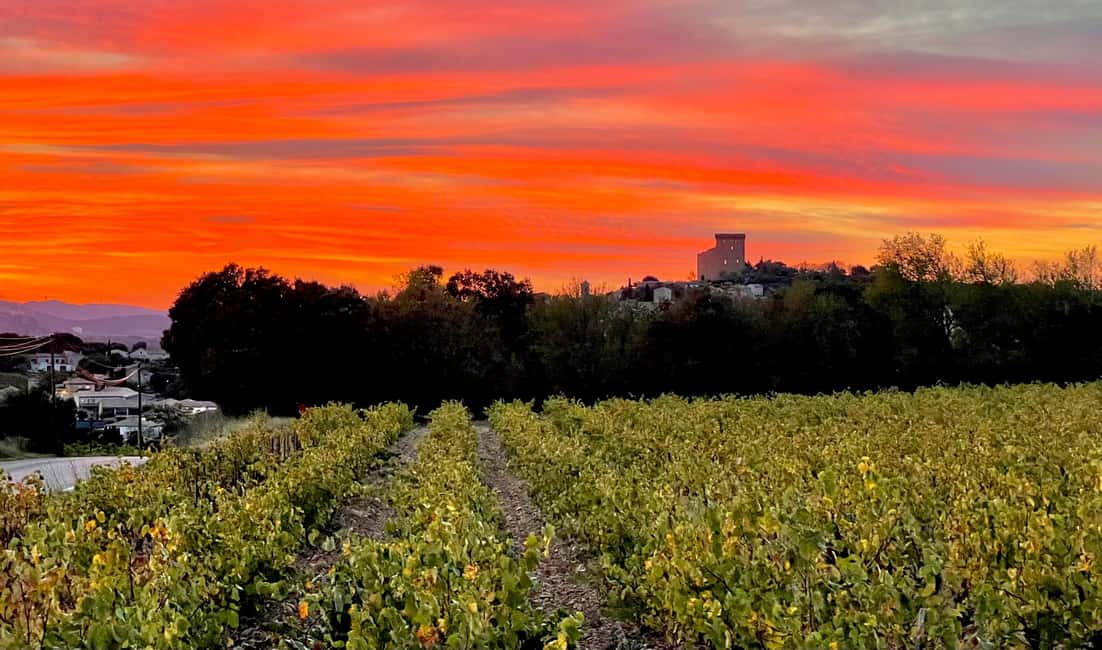
There are also photo stops at different points among the vineyards. These pauses matter because they give you a visual break from the tasting rooms and help make the geography part of the experience. You see the broad setting and the ground beneath the vines, then return to the wine with a better sense of place.
The exact photo locations and length of each stop are not specified, so you should not expect a detailed vineyard walk or a long private visit among the vines. Think of these as planned viewing and photography pauses within a tasting-focused route.
Two tastings in Châteauneuf-du-Pape
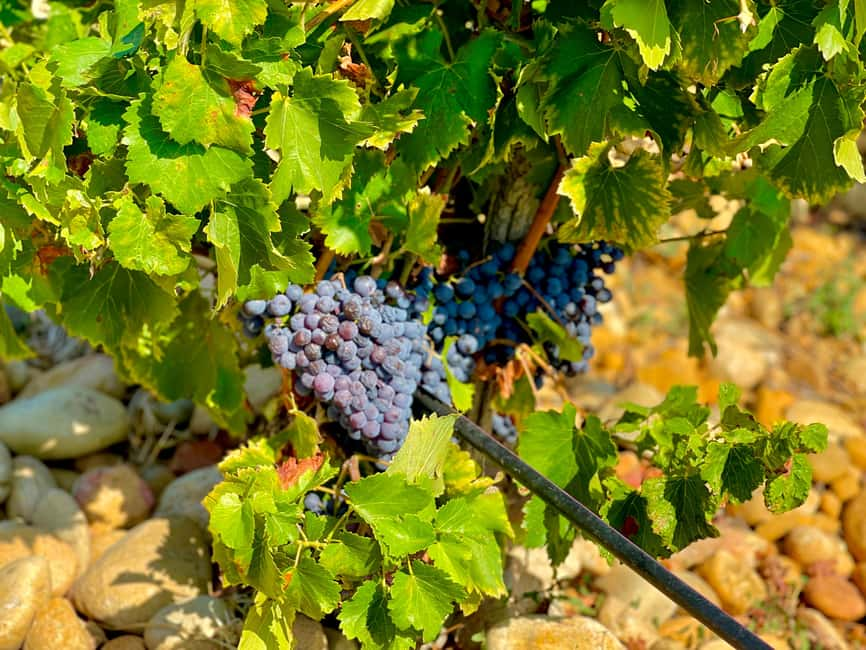
The tour continues to Châteauneuf-du-Pape for two separate tastings. That second stop receives more attention than Gigondas, which makes sense for anyone who wants to compare several wines from one of the southern Rhône’s best-known names.
The two tastings give you a chance to look more closely at variation within the area. Even when wines share a broad regional identity, different producers, blends, and growing conditions can create different results. The guide can use the repeated tastings to reinforce the tasting method introduced earlier.
A visit to Châteauneuf-du-Pape is also valuable for travelers who plan to buy wine later in the trip. After you have tasted and discussed the wines with guidance, labels and bottle choices may feel less mysterious. You will have a better sense of what styles appeal to you.
One caution: the supplied details do not specify the names of the wineries, the number of wines poured, or whether bottles are available for purchase. Do not book this expecting a guaranteed cellar purchase or a fixed list of producers. Book it for the regional comparison and guided tasting.
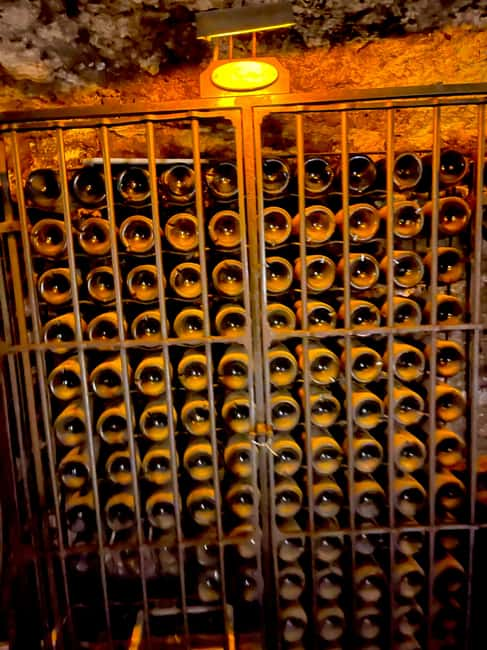
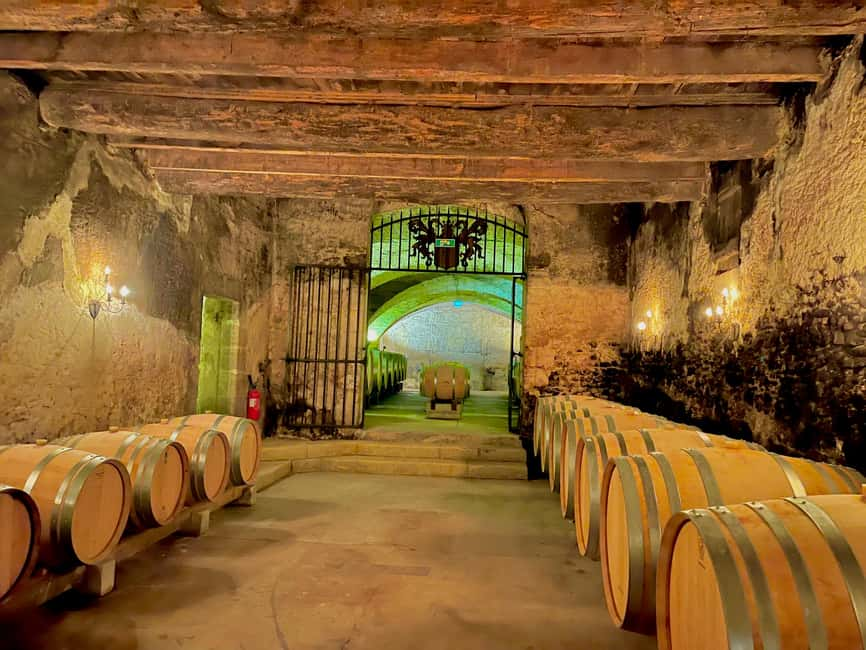
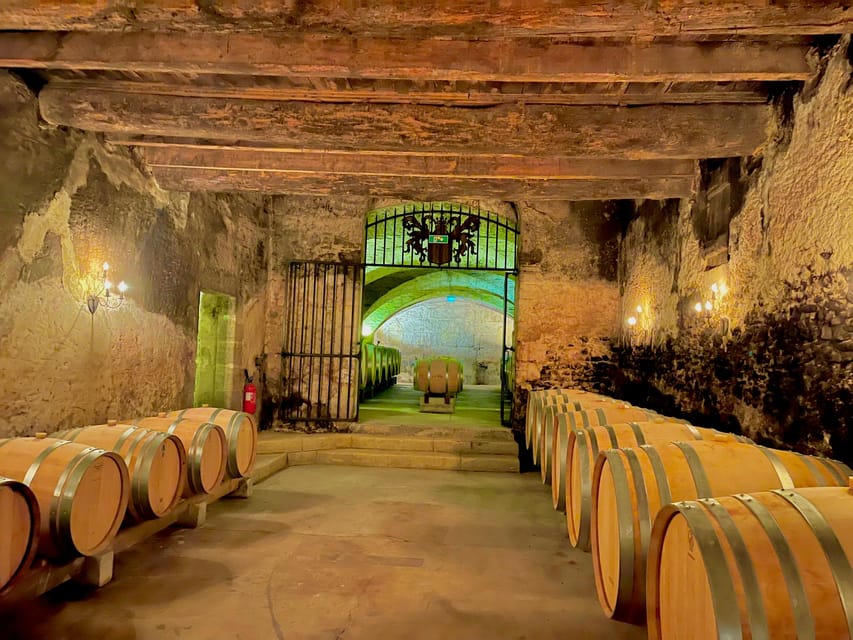
The experience includes a visit to three wine caves in total, according to the information provided about the outing. That adds variety, though the schedule still has to fit inside five hours. You should expect a purposeful route with several stops, not hours spent lingering at one property.
What the professional tasting lesson adds
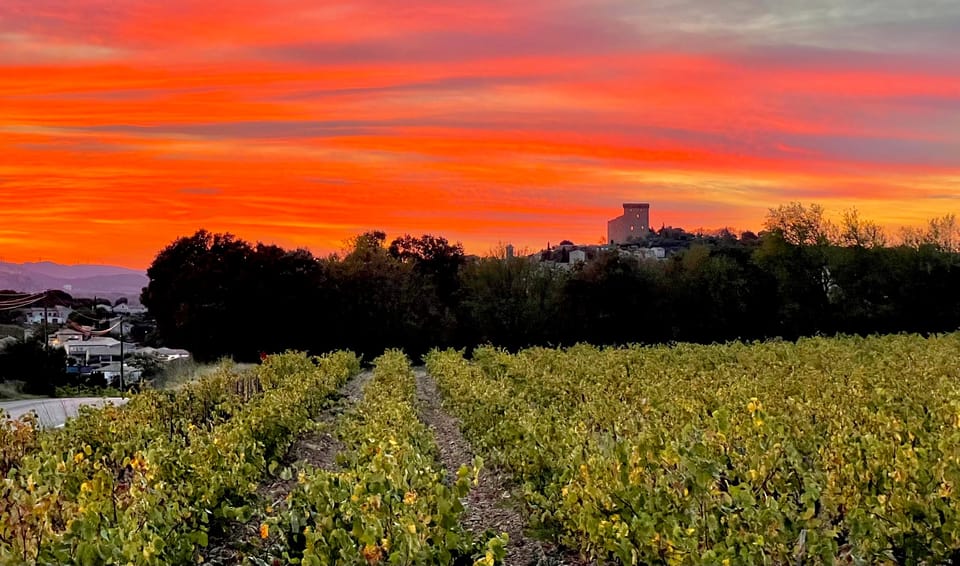
The guide teaches you how to taste wine professionally. This does not mean you need to use grand language or pretend to detect every scent in the glass. It means learning a repeatable way to look, smell, taste, and think about what you are drinking.
For a beginner, that structure can take the pressure off. You do not have to guess what the correct answer is. Instead, you can compare the wines, ask questions, and use the guide’s explanation to understand why one wine feels different from another.
The lesson also gives the tour lasting value. A standard tasting ends when the last glass is empty. A tasting lesson can help you in restaurants, shops, and future winery visits. At $112 per person, that added instruction matters when you are deciding if the half-day price is worthwhile.
I would especially recommend this format if you enjoy food and drink but have never learned the basics of wine. It also suits experienced wine drinkers who want a compact introduction to the southern Rhône without spending a full day on a private itinerary.
The value of a $112, five-hour outing
At $112 per person, the tour is not the cheapest way to see vineyards. It includes several tastings, an English-speaking guide, photo stops, and instruction in a small group. Those inclusions make the cost easier to justify for someone who wants transportation between wine areas and does not want to arrange separate visits.
The group limit of eight is important. A small group usually leaves more room for questions and makes it easier for the guide to explain a wine without competing with a crowd. It also keeps the outing from feeling like a large commercial tasting event.
Still, the value depends on your interests. If you already know the southern Rhône well and mainly want to buy particular bottles, you may prefer a more specialized winery visit. If you want an efficient introduction to Gigondas and Châteauneuf-du-Pape, the combination of place, tasting, and instruction is more useful.
The five-hour length works well for a morning or afternoon plan. You get a concentrated look at the area without giving up an entire day. The tradeoff is that the schedule may feel full, especially if you prefer long meals, extended walks, or unhurried time at each winery.
Small-group comfort and guide style
The tour is limited to eight participants and conducted in English. That size should make the guide’s explanations easier to hear and give you a better chance to ask about a particular grape, soil type, or tasting note.
Nathalie is the guide named in the supplied information. Her approach has been described as informative and helpful, with a pleasant manner that added to the outing. Since guide assignments can vary, treat Nathalie as a possible guide rather than a guarantee for every departure.
The adults-only rule is clear. Children under 18 cannot take part, and alcoholic drinks are not allowed in the vehicle. That rule keeps drinking confined to the scheduled tasting stops and is worth noting if you are arranging a mixed-age family day.
Because the tour centers on wine, conversation, and instruction, it is best suited to adults who are comfortable spending much of the time tasting and listening. It is less suitable if your main goal is a long scenic drive with only a single sample of wine.
Practical timing and booking advice
The duration is five hours, but starting times depend on availability. Check the selected date carefully before booking, especially if you are connecting this outing with another activity in Provence.
You can cancel up to 24 hours in advance for a full refund. The reserve-now, pay-later option also gives you some flexibility while your plans are still changing. These terms are useful in a region where weather, transport, and changing day plans can affect a short holiday itinerary.
The available information does not give a meeting address, transport route, vehicle type, or exact timetable. You should confirm those points at booking rather than assume a hotel pickup or a particular departure time.
Bring a willingness to compare wines rather than simply consume them. Since the tour teaches professional tasting, you may find it useful to pay attention to the guide’s method and take mental notes about the wines you prefer. Alcohol cannot be carried or consumed in the vehicle, so plan purchases and drinking around the scheduled stops.
Who will enjoy this tour most
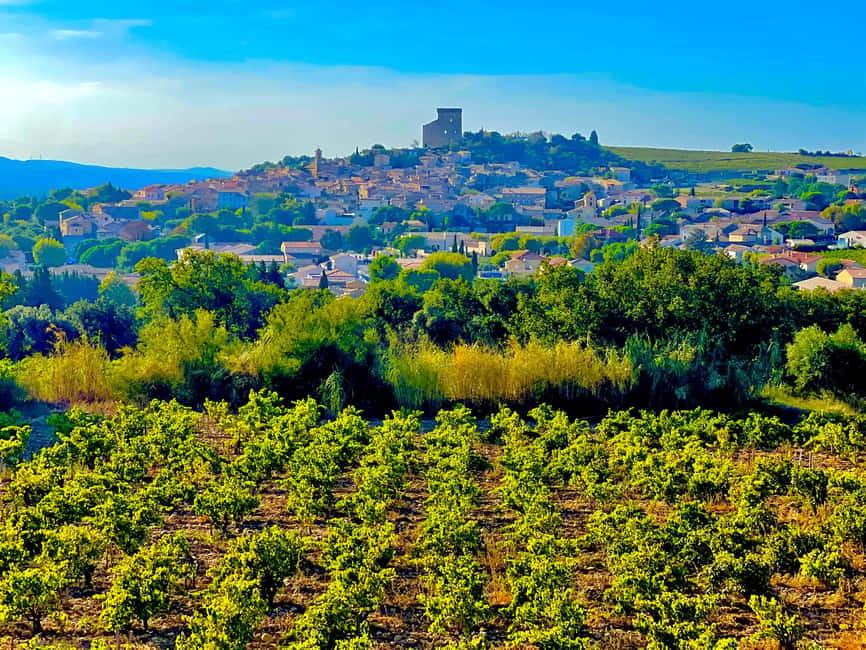
I would choose this experience if you want to understand the southern Rhône in a compact half-day. It gives you three useful elements at once: regional context, guided tasting, and vineyard views.
It is particularly well suited to:
- First-time wine visitors who want clear instruction
- Couples or friends looking for an adults-only activity
- People staying in Provence who want to compare Gigondas and Châteauneuf-du-Pape
- Wine drinkers interested in blended grapes and aging potential
- Small groups who prefer conversation over a large coach setting
- Anyone who wants a five-hour plan rather than a full-day wine program
I would think twice if you dislike structured tastings or want a long lunch, extensive walking, or a detailed tour of one estate. The information also does not promise a meal, so do not book this as a food-and-wine lunch experience.
Should you book the Gigondas and Châteauneuf-du-Pape tour?
Book it if you want more than a few pours. The best part is the connection between the wine and the southern Rhône’s sunny climate, rocky and sandy soil, and blended grape varieties. The two Châteauneuf-du-Pape tastings also give the outing a useful sense of depth.
At $112, the tour makes the most sense for visitors who value a guide, several tasting stops, and a small group. You get an efficient five-hour introduction, not a slow private day among one producer’s vineyards.
Skip it if you are seeking a highly customized itinerary, a guaranteed list of wineries, or a meal. For everyone else, this is a sensible way to taste two important southern Rhône areas while learning how to approach wine with more confidence.
FAQ
How long does the wine tour last?
The tour lasts five hours.
What wine regions does the tour visit?
It includes a wine tasting in Gigondas and two wine tastings in Châteauneuf-du-Pape.
Is the tour conducted in English?
Yes. The tour includes a live English-speaking guide.
How many people can join the group?
The group is limited to eight participants.
Are children allowed on the tour?
No. The experience is not suitable for children under 18.
Can I drink alcohol in the vehicle?
No. Alcoholic drinks are not allowed in the vehicle.
Can I cancel the booking for a refund?
Yes. You can cancel up to 24 hours in advance for a full refund. You can also reserve now and pay later.