REVIEW · PERPIGNAN
vingrau : wine tasting
Book on GetYourGuide →Operated by villies · Bookable on GetYourGuide
A single hour can still teach your palate a lot. This winemaker-led natural wine tasting focuses on how wine is built and how to taste it, not just what to drink. I especially love the way you get commentary right from the person making the wine, and the lineup of 7 different estate wines that shows how one property can taste very different from bottle to bottle. One thing to consider: it is a short, focused session, so if you want a long vineyard walk or a multi-course restaurant-style meal, this may feel too brief.
You’ll sit down for a guided pour and food pairing that stays practical, with the kind of explanations that help you go from I like it to I know why. The estate harvests by hand and keeps things natural, and that shows up in the clarity of flavors during the tasting. The potential drawback is simple: because the experience is small and timeboxed, you’ll cover a lot quickly, so come ready with a couple of questions you genuinely want answered.
In This Review
- Key Points Worth Knowing Before You Go
- Natural Wines in the South of France: What the Experience Actually Feels Like
- The 7-Wine Flight: Whites, Rosé, Reds, and Sweet Wines
- What you’ll notice as you go
- Food Pairings That Actually Teach You Something
- Salmon toast with the white wines
- Cold meats and cheese with the red wines
- Chocolate with the sweet wines
- Terroir, Blends, and Hand-Harvested Grapes: The Story Behind the Glass
- Timing, Pace, and Group Size: Getting the Most From Your Hour
- Pace tip
- Price and Value: Is $23 Worth It?
- Who This Wine Tasting Suits Best
- A Quick Checklist Before You Book
- Should You Book This Vingrau Wine Tasting?
- FAQ
- How long is the wine tasting experience?
- What wines will I taste?
- What food is included during the tasting?
- Who leads the tasting?
- What languages are available?
- Is this experience suitable for children?
Key Points Worth Knowing Before You Go

- Winemaker commentary as you taste, so explanations stay grounded in real choices
- Natural wines with no inputs, aimed at showing vintage character and grape voice
- 7 estate wines in a smart progression: 2 whites, rosé, 2 reds, 2 sweet
- Food pairings built around the wines: salmon toast, cold meats and cheese, plus chocolate for the sweet wines
- Small group size (up to 10), which makes it easier to ask questions and actually hear the answers
Natural Wines in the South of France: What the Experience Actually Feels Like

This tasting is set up like a hands-on lesson, not a slow parade of sips. You start with the basics of tasting, then move through the estate’s wines in a structured way: the whites first, then the rosé and reds, and finally the sweet wines with dessert-style pairing. That order matters. It keeps your palate fresh for each style, and it prevents the heavier flavors from flattening the lighter ones.
The biggest reason I like this kind of format is that it gives you a repeatable method. Even if you’re new, you’ll leave with a mental checklist for what to look for in aroma, acidity, texture, and finish. And because the winemaker explains the decisions behind each bottle, you get context while you’re still tasting, not after you’ve moved on.
Another detail I appreciate: the wines are described as natural and made without inputs. That doesn’t mean they’re all the same style. In fact, the point of the tasting is that they can be very different while still reflecting the estate’s choices and the reality of a vintage.
You can also read our reviews of more food & drink experiences in Perpignan


The 7-Wine Flight: Whites, Rosé, Reds, and Sweet Wines

The heart of the experience is a tasting of 7 wines from the estate, guided by the winemaker. You’ll work through 2 white wines, then a rosé, then 2 red wines, and finish with 2 sweet wines. The logic is simple: different grapes and styles show different “jobs” in the glass, and your palate learns faster when you taste by category.
You also get more than a lineup. You’ll hear about:
- the art of wine tasting
- the notion of terroir and how it expresses itself
- blending concepts (terroir blends)
- the winemaking methods behind each wine
- how 6 grape varieties reveal the typicality of the wines
That “typicality” piece is important. Lots of tastings leave you with an opinion like I liked the red best. This one aims for something sturdier: you start learning what makes these wines feel like they belong to this estate, even when the style changes.
What you’ll notice as you go
You’ll likely find the whites are where the differences show quickest, because acidity and aromatics tend to read clearly. Then reds and rosé add texture and weight, so your tasting shifts from aroma-first to balance-first. Finally, the sweet wines are where you learn the difference between sweetness that feels cloying versus sweetness that feels controlled and flavorful. The pairing with chocolate is there to make that lesson stick.
Food Pairings That Actually Teach You Something

The tasting isn’t just wine in tiny glasses. You get an assiette gourmande alongside the pours, with pairings built around what works best.
Here’s the structure you should expect:
Salmon toast with the white wines
You’ll start with salmon toast paired with the whites. This is a smart move because fish and wine can get complicated if the wine is too heavy or the flavors clash. Whites usually have the acidity and aromatic lift to keep the dish tasting fresh instead of dull.
As you taste, pay attention to how the wine interacts with the salt and fat in the salmon. That contrast is a quick way to understand acidity and how it changes perceived flavors.
You can also read our reviews of more wine tours in Perpignan

Cold meats and cheese with the red wines
Next come cold meats and cheese, paired with the reds. This pairing gives you a fuller, more savory flavor world, which helps red wines show their structure. You’ll be tasting how tannins and body can handle richer food, and how cheese can amplify fruit or soften harsh edges.
If you’re wondering what to look for in red wine beyond “smooth vs tannic,” this section is where the answer becomes obvious. The food makes the wine’s texture show up.
Chocolate with the sweet wines
Finally, you’ll finish with chocolate paired with the two sweet wines. Sweet wine and chocolate can either turn into sugar overload or become a harmony of flavors. The point here is to show you how sweet wine can feel layered and still balanced.
The chocolate pairing is especially useful for beginners because it forces you to evaluate sweetness, acidity, and finish all at once. You’ll feel it fast, even without technical vocabulary.
Terroir, Blends, and Hand-Harvested Grapes: The Story Behind the Glass
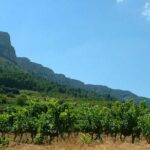
One of the reasons this tasting stands out is that it connects the wine to choices in the vineyard and the cellar. You’ll hear about how the estate is family owned, and you’ll learn that they harvest by hand.
That hand-harvest detail matters for two reasons:
- It suggests a careful approach to grape condition.
- It supports the broader idea behind natural winemaking: if you start with good, healthy grapes, the rest of the process has more room to express character.
You’ll also talk through terroir blends, and how that notion connects to taste. The simplest takeaway is this: terroir isn’t only “the place.” It’s also how blending and winemaking decisions interpret what that place produced in a specific year.
Then there’s the part about natural wines without inputs. In real terms, what you care about is that the winemaker is aiming to let each vintage taste like itself. During the tasting, you can test that idea in your own mouth: if the wines feel consistent in personality yet distinct in flavor, you’re experiencing the philosophy at work.
Timing, Pace, and Group Size: Getting the Most From Your Hour
There are two session windows listed for the tasting: 11:00 a.m. to 12:30 p.m. and 6:00 p.m. to 7:30 p.m. At the same time, the activity is described as a 1 hour experience. That mismatch likely means the tasting itself is the core hour, with a bit of extra time for introductions, questions, and food.
Either way, treat it as a short appointment. You’ll get a lot of information quickly, and that’s where the small group size helps.
The group is limited to 10 participants, which is a big advantage if you like interaction. In a room this size, the winemaker can respond to questions without racing the clock. Reviews reinforce this vibe, including one experience where the group was only two people in the quieter season, making the conversation feel personal and generous.
Pace tip
If you have a wine question you always wanted answered, write it down. Questions about how natural winemaking affects flavors, or how to taste terroir in practice, land well in this format.
Price and Value: Is $23 Worth It?
At $23 per person, the value is strongest if you care about understanding wine more than collecting bottles. You’re not paying just for liquid. You’re paying for:
- 7 wines (2 whites, rosé, 2 reds, 2 sweet)
- winemaker commentary throughout
- food pairings: salmon toast, cold meats, cheese, and chocolate
- the structure of tasting guidance, so you learn how to taste
If you usually do tastings where you pay for 3–4 wines and get minimal explanation, this price starts to make sense. Even more so because the experience stays small and personal. When you can ask questions and actually get a clear response, the cost per “insight moment” drops fast.
So the question isn’t just Is it cheap? It’s: will you use the tasting method and take the explanations with you when you buy wine later? If the answer is yes, you’re likely to feel like it was good value.
Who This Wine Tasting Suits Best
This is a great fit if you:
- want natural wine explained in plain language
- prefer a small-group setting where you can ask questions
- enjoy structured pairings that teach you how wine works with food
- are the type who likes to learn what’s behind the bottle, not only whether it’s delicious
It’s also a strong option if you’re traveling with friends who want the experience to be social but not noisy.
It is not for kids: the activity is not suitable for children under 18. So plan accordingly if you’re traveling as a family.
A Quick Checklist Before You Book
To make this session rewarding, come with a bit of strategy:
- Decide if you want to focus more on whites or reds (you’ll taste both, but you can still guide your attention)
- Think of one question about terroir blends or natural winemaking you actually care about
- Be ready for a short, guided format with multiple sips and pairings in one sitting
And because the winemaker is hosting the tasting, you’ll get the most from it when you treat it like a conversation, not a lecture.
Should You Book This Vingrau Wine Tasting?
I’d book it if your travel style is curious, food-forward, and you like learning by tasting. The blend of winemaker commentary, natural wines, and 7 estate wines plus practical pairings is a smart way to learn fast without overpaying for the kind of experience that mostly sells views.
Skip it if you’re looking for a long, slow day out, or if you want a restaurant experience first and tasting lesson second. This is tighter than that by design.
If you’re unsure, choose the time that fits your day. The tasting runs at set windows (morning or evening), so pick the moment when you’ll be most relaxed. With a small group, the calmer you feel, the more you’ll hear, taste, and remember.
FAQ
How long is the wine tasting experience?
The duration is listed as 1 hour, with sessions starting at 11:00 a.m. and ending at 12:30 p.m., and another starting at 6:00 p.m. and ending at 7:30 p.m.
What wines will I taste?
You’ll taste 7 wines from the estate: 2 whites, 1 rosé, 2 red wines, and 2 sweet wines, with 6 grape varieties involved.
What food is included during the tasting?
You get an assiette gourmande with food pairings including salmon toast, cold meats, cheese, and chocolate.
Who leads the tasting?
The tasting is commented on by the winemaker.
What languages are available?
The live tour guide offers English, French, and Spanish.
Is this experience suitable for children?
No. It is not suitable for children under 18.