REVIEW · SAINT JEAN DE LUZ
Saint Jean de Luz : guided walking & gourmet tour
Book on GetYourGuide →Operated by ebiketours64 · Bookable on GetYourGuide
Saint Jean de Luz reveals itself best on foot, with a guide who can connect its fishing port, bay, old buildings, market, and food traditions. This tour mixes local stories with a generous tasting route, including a pastry whose recipe has stayed the same for 300 years.
I like the stop at the covered market, where you can see a real part of daily life rather than just another pretty street. I also like the range of drinks and foods, from coffee and local sweets to cheese, wine, cider, and beer. The main drawback is that the tour is not suitable for wheelchairs, people with mobility problems, vegans, or anyone with food allergies.
In This Review
- Key points to know
- Why Saint Jean de Luz works so well on foot
- Starting at Place Louis XIV
- The town tour: port, bay, and Basque character
- A pastry with three centuries of continuity
- Inside the covered market
- Coffee and drinks along the way
- What the food tasting really gives you
- Group size, languages, and pace
- Who should book this experience
- Booking value and practical cautions
- Should you book the Saint Jean de Luz food walk?
- FAQ
- How long does the Saint Jean de Luz guided food tour last?
- Where does the tour start?
- Where does the tour finish?
- What food and drinks are included?
- Is coffee included?
- What languages does the guide speak?
- Can children join the tour?
- Is the tour suitable for vegans or people with food allergies?
Key points to know
- A 300-year-old pastry tradition: Stop at a famous pastry maker to taste its historic specialty.
- A proper local-food route: Expect sweet and savory Basque tastings, cheese, regional products, and a drink.
- The market is the heart of the tour: Finish at Mercado Les Halles, a useful place to continue eating on your own.
- Valérie may be your guide: Her lively, culture-focused approach has earned especially strong praise.
- Three hours on foot: Wear comfortable shoes and expect outdoor walking in all weather.
- Best for food-curious walkers: The tour suits small groups and private bookings, but not vegans or visitors with food allergies.
Why Saint Jean de Luz works so well on foot
Saint Jean de Luz is a town with several stories running side by side. It has a fishing port, a broad bay, traditional Basque architecture, and an old center where food remains part of ordinary life. Walking lets you move between these pieces at a human pace.
The guide adds the useful layer: local anecdotes, explanations of customs, and details about how people live in the town today. You are not simply being led from one photo stop to another. You are given reasons to look again at the streets, buildings, port, and market.
I like that the tour combines sightseeing with food instead of treating the tasting as a separate event. A bite of pastry tells you something different from a view of the bay, while the market shows how local food is bought and used.
The tour is priced at $81 per person. That is not a cheap snack walk, but it can be fair value if you want three hours of guiding, several tastings, drinks, and a coffee in one package. You are also paying for access to local producers and for the guide’s sense of place, not just for the food itself.
You can also read our reviews of more tours and experiences in Saint Jean De Luz.
Starting at Place Louis XIV
The stated starting point is Place Louis XIV, at 4 Pl. Louis XIV, though the exact meeting point can vary with the option you book. Check your confirmation carefully before setting out, especially if you choose a private or small-group version.
The early part of the experience is a guided walk through Saint Jean de Luz. The route includes photo stops, scenic views, and visits connected with the town’s culture. Since the guide controls the pace, you can expect the commentary to shape what you notice.
This is where Valérie’s role matters. Her feedback has been especially strong, with praise for a dynamic style and cultural content. Other available ratings describe the tour as well organized and full of information. That suggests this is a good choice if you want more than a quick orientation.
The walking also means you should dress for the day rather than for a restaurant meal. Comfortable shoes are essential. Comfortable clothing is recommended, and the activity continues in bad weather, so a light rain layer could be a sensible addition even though it is not specifically required.
The town tour: port, bay, and Basque character

Saint Jean de Luz is famous for its picturesque fishing port and striking bay. The route uses these familiar sights as a starting point, then adds local context through the guide’s comments and stories.
You will have opportunities for photographs and scenic views along the way. The value here is not a long stop at one monument. It is the combination of walking, looking, and listening as the town’s history and present-day life are explained.
The traditional Basque architecture also gives the walk a clear visual identity. The guide can point out features that are easy to miss when you explore alone, while anecdotes make the information easier to remember.
I would choose this tour early in a stay in Saint Jean de Luz. The market, cafés, restaurants, and wine bars mentioned during the walk can help you decide where to return later. You get a useful first look at the town, then practical suggestions for continuing independently.
The published route descriptions assign time to several parts of the experience, including the guided walk, coffee, food tastings, and further walking. The advertised duration is three hours, so treat the individual time figures as approximate parts of one flowing outing rather than a strict timetable. The guide may adjust the pace depending on the group, stops, and conditions.
A pastry with three centuries of continuity
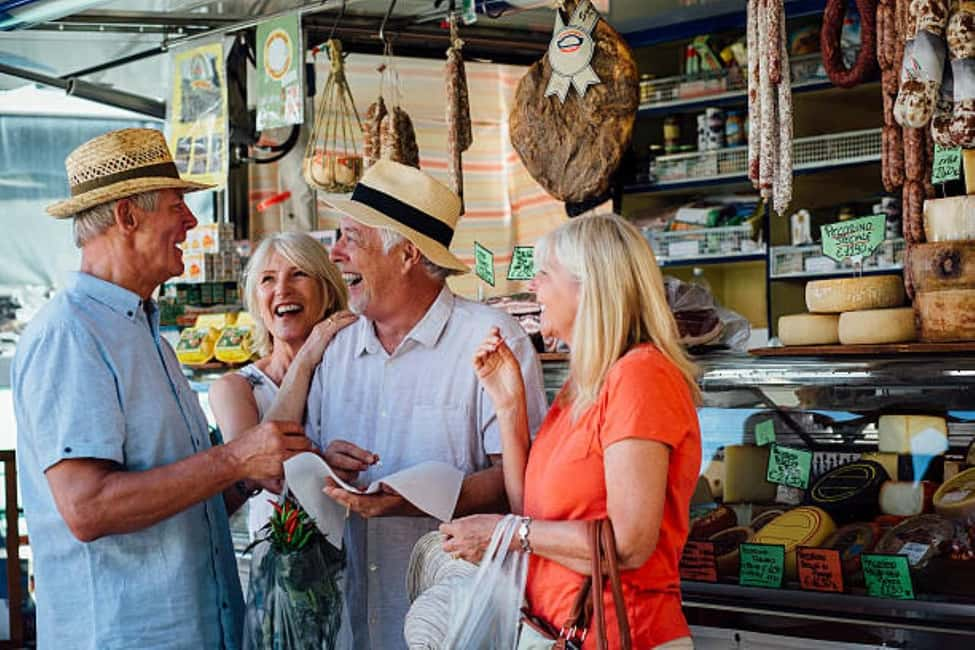
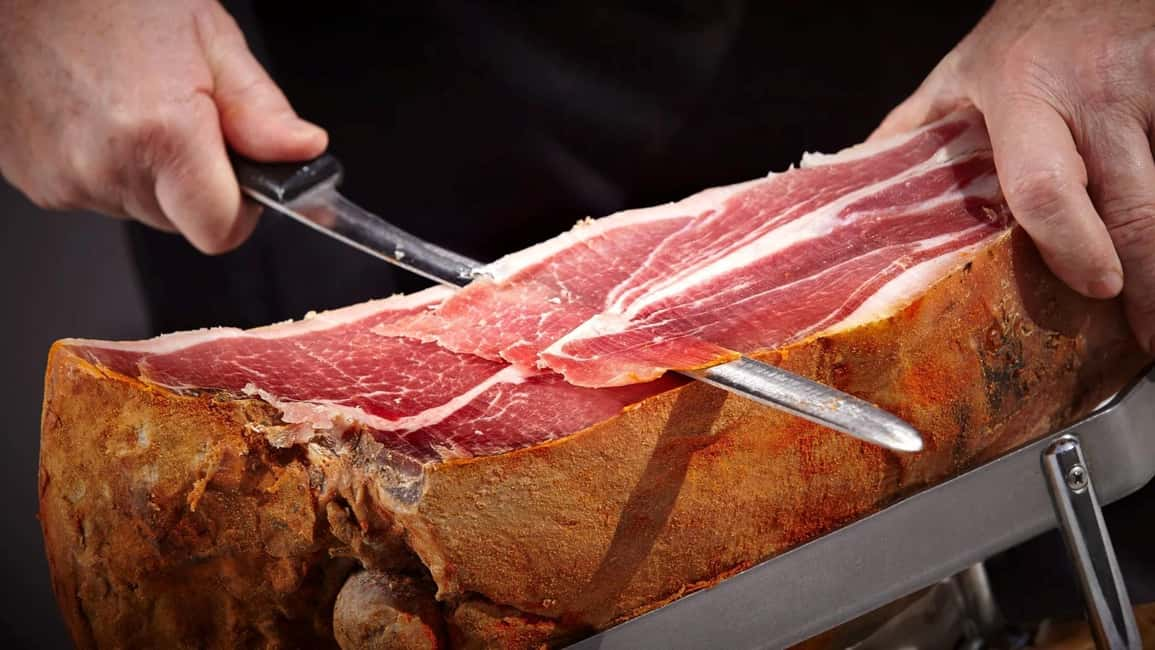
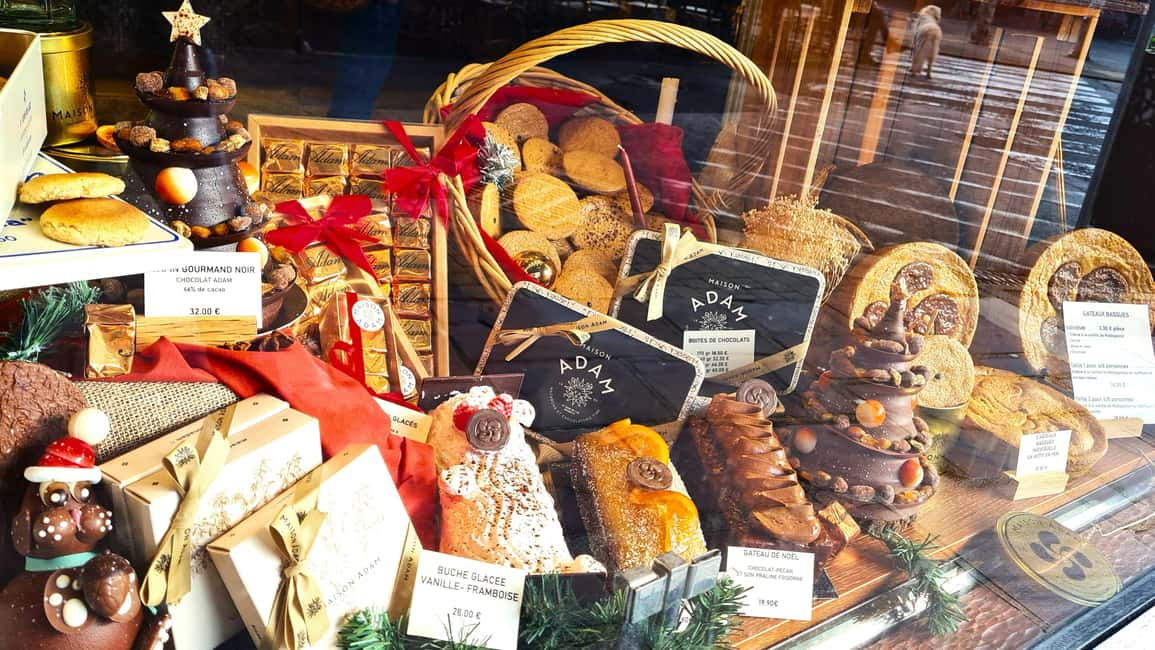
One of the most distinctive stops is at a famous pastry maker. You taste its historic specialty, made from a recipe that has remained unchanged for 300 years.
The exact pastry is not specified in the tour details, so I would not book this expecting a particular named item. The important point is the continuity. This is a food tradition with a direct link to the town’s past, and tasting it at the maker’s shop gives the story a practical, delicious finish.
This stop should appeal to anyone who likes food with a sense of place. It is also a welcome change from generic market samples. A long-running recipe tells you how local tastes and craft can survive across generations.
If you have strict dietary needs, take the tour’s restrictions seriously. It is not suitable for people with food allergies or vegans. The details also say children under 18 must be accompanied by an adult, so families need to plan accordingly.
Inside the covered market

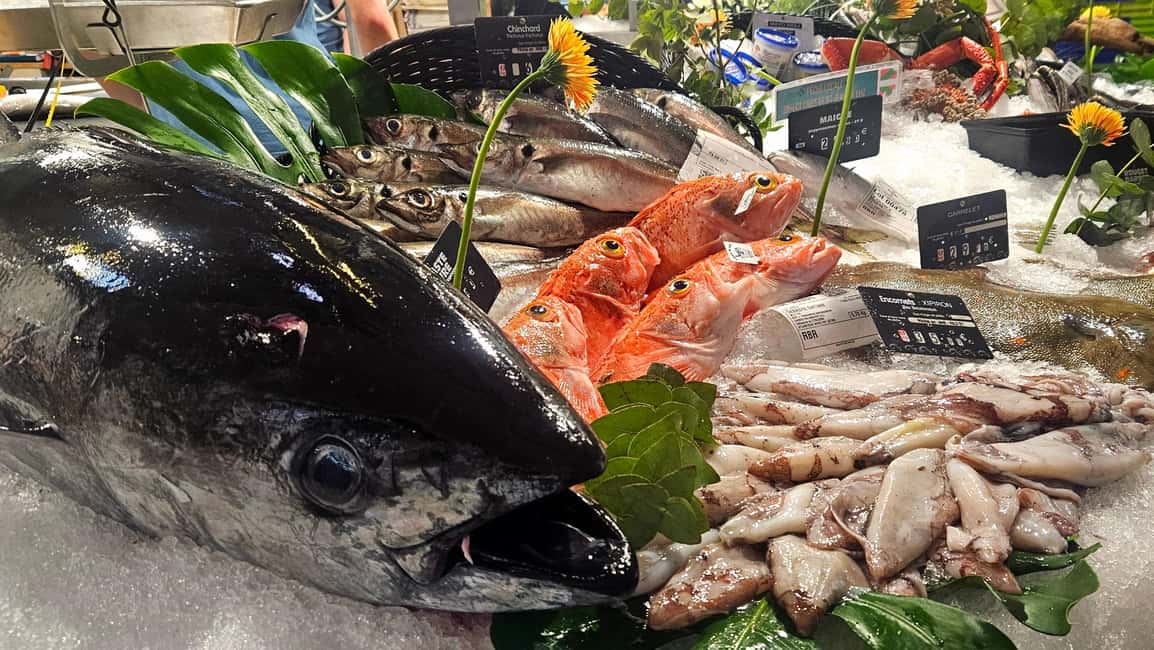
The walk continues around the covered market, Mercado Les Halles de Saint Jean de Luz. The market is popular with local people, making it one of the most useful stops on the route.
Markets can be easy to admire without understanding. A guide helps you read the place: what is sold, how regional food fits into daily life, and which products are worth noticing. Here, the market is not just a backdrop for photographs. It is the setting for several tastings and the final point of the tour.
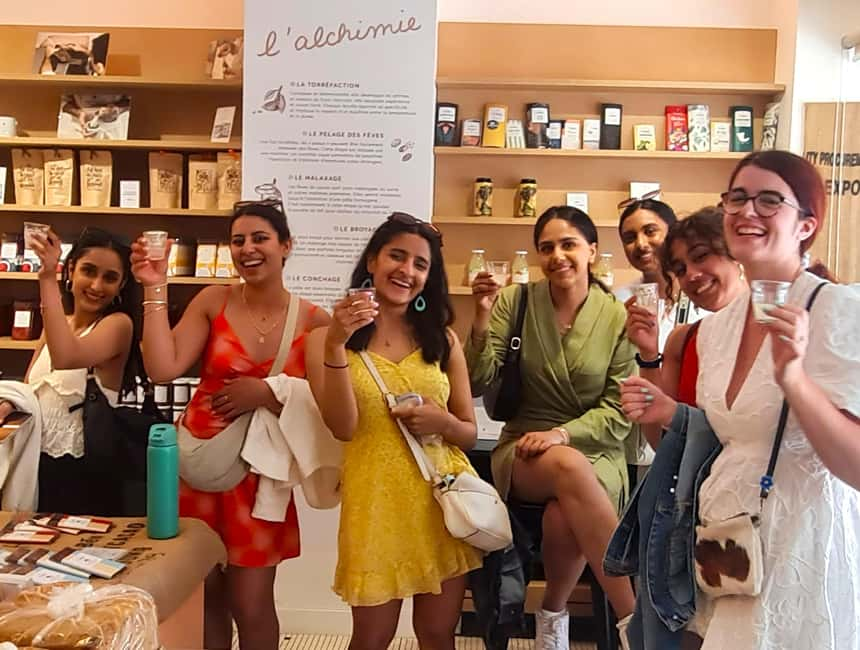
The food includes savory and sweet Basque specialties, regional products, and cheese. You may also receive a local wine, Basque cider, or local beer. Nonalcoholic drinks are available, which makes the tasting easier for people who do not drink alcohol.
The market setting gives the tour a lively, informal feel without turning it into a formal meal. You sample different things as the guide introduces the local food culture. Portions and exact products are not specified, so do not treat this as a full lunch. Think of it as a guided tasting that can help you choose what to eat later.
Coffee and drinks along the way
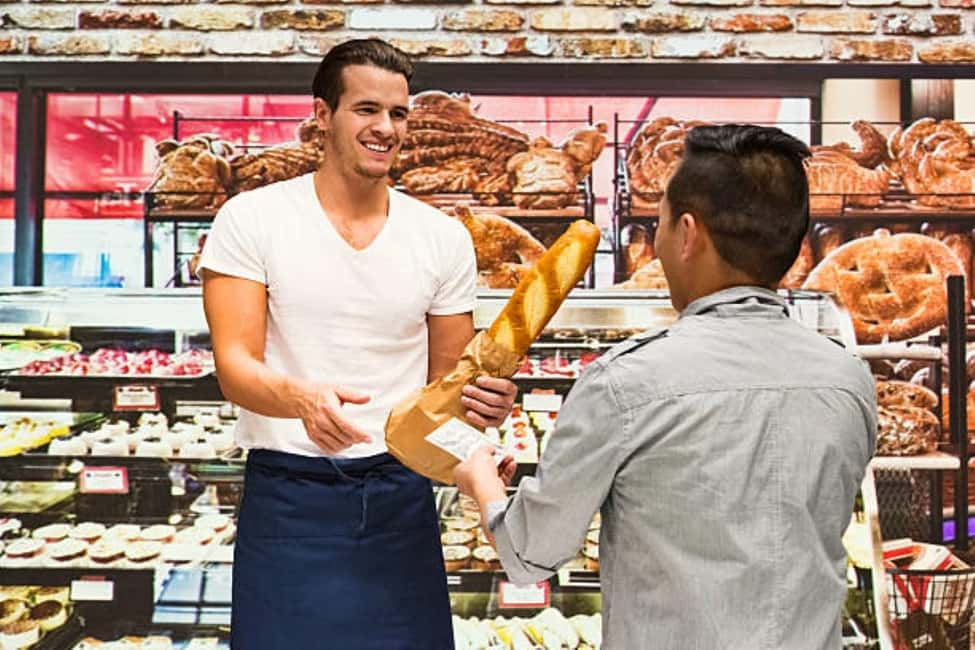
Coffee is part of the experience, with a stop for freshly roasted coffee in a place described as mythical. The tour information does not name the café or explain the exact roasting process, but the coffee adds a useful pause between walking and tasting.
I like this detail because coffee is part of how a town feels in everyday life. It gives you a moment to sit, rinse your palate, and take in the atmosphere rather than rushing from one food sample to the next.
The drink pairing is flexible. Depending on the option and availability, you may taste local wine, Basque cider, or local beer. Nonalcoholic drinks are offered, so you can still take part without choosing alcohol.
Keep in mind that the tour is not designed for people avoiding all animal products or dealing with serious food allergies. The organizers specifically list vegans and people with food allergies among those for whom the activity is not suitable. If you have a less restrictive preference, the available nonalcoholic drinks provide some flexibility.
What the food tasting really gives you
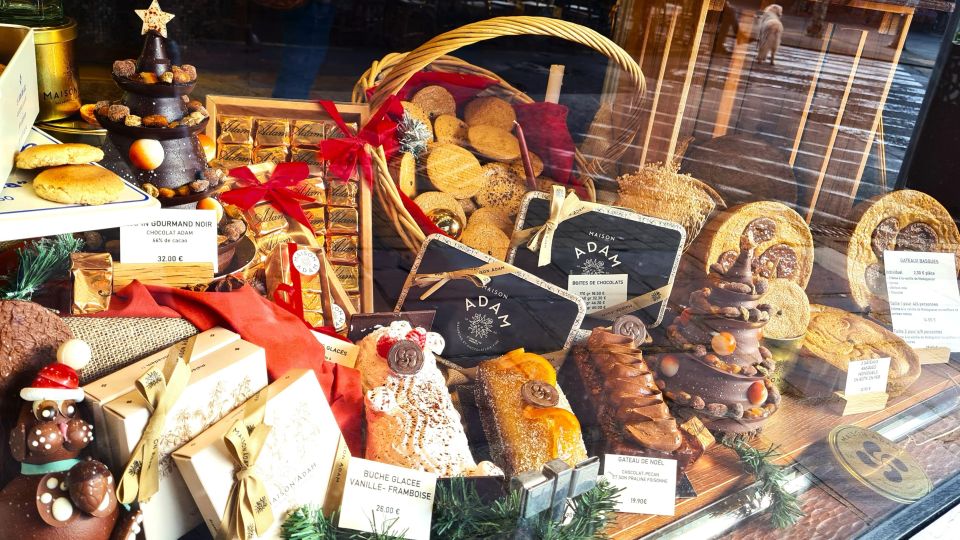
The main value of the tasting is variety. Rather than focusing on a single restaurant dish, the tour introduces several parts of Basque food culture: pastry, cheese, savory products, sweets, drinks, coffee, and market foods.
That range makes the experience useful for first-time visitors. You can sample foods with guidance, learn what they are, and then decide what deserves a second try. The guide will also point out cafés, restaurants, and wine bars around the market for eating on your own afterward.
This last part is easy to underestimate. A food tour should leave you with ideas, not just a full stomach. Knowing where the pavement cafés and wine bars are located can make the rest of your day in Saint Jean de Luz much easier.
The tasting is also a social experience. Meeting local producers gives the food a human connection, although the details do not specify how many producers you will meet or how long each meeting lasts. Expect introductions and tastings rather than a long producer workshop.
Group size, languages, and pace
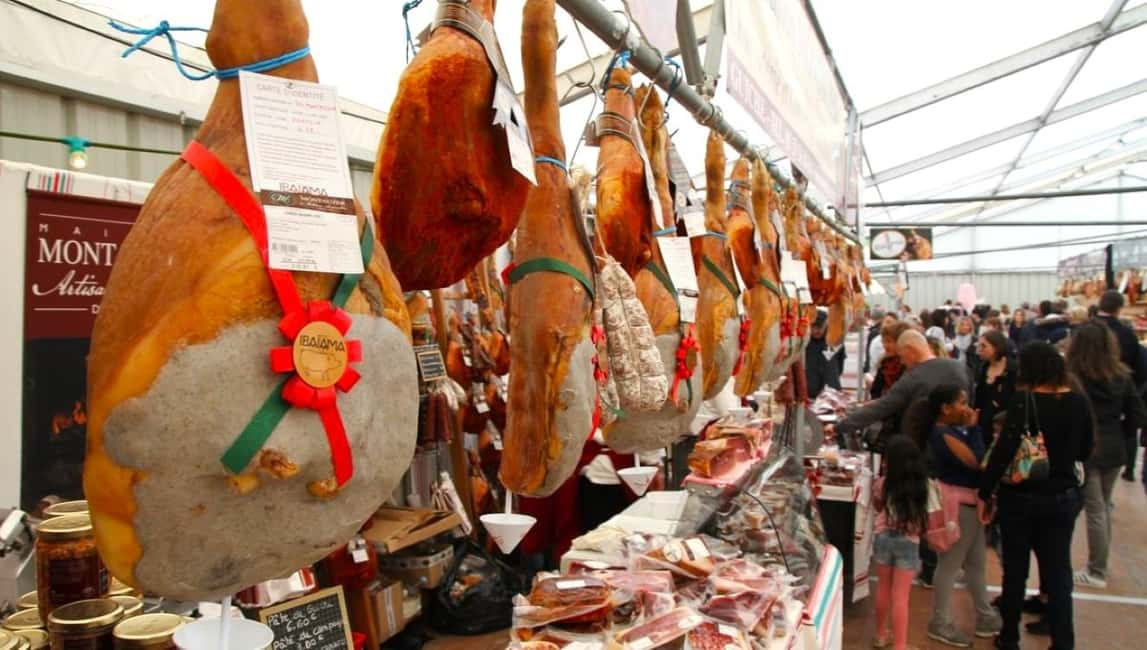
You can choose a private or small-group format. A minimum of four participants is required for the regular tour to run. If you have fewer than four people, the private tour option is the safer choice.
A small group should make it easier to hear the guide and ask questions during the walk and tasting. A private format can be worthwhile for families or friends who want a more personal pace, though the price may vary by booking option.
Guiding is available in English, French, and Spanish. That is important in a tour built around anecdotes and food explanations. Choose the language in which you will be most comfortable asking about ingredients and local customs.
The tour lasts three hours and ends at Mercado Les Halles de Saint Jean de Luz. Since the finish is at the market, you can continue with lunch, more shopping, or a drink nearby after the guide leaves you.
Who should book this experience
I would recommend this tour to you if you want an introduction to Saint Jean de Luz that combines culture, walking, and food. It is especially suitable for couples, small groups, and first-time visitors who prefer local explanation over a self-guided stroll.
Food-focused travelers will get the most from it, especially if you enjoy trying several small samples rather than sitting down for one long meal. The historic pastry stop and market visit give the tour more personality than a standard city orientation.
It also suits people who want a practical starting point for independent exploring. The guide’s tips about cafés, restaurants, and wine bars can help you plan the rest of your visit.
I would be cautious about booking if you have limited mobility. The activity includes a guided walk, further walking, photo stops, and market visits, and it is not suitable for wheelchair users or people with mobility impairments. The age guidance also rules out unaccompanied minors, and people over 80 are listed among those for whom the activity is not suitable.
Booking value and practical cautions
At $81 per person, the tour makes the most sense if you value the guide as much as the tasting. You receive a three-hour experience with local commentary, several food stops, drinks, coffee, and a market-based finish.
The strongest reason to pay for it is the combination. You could walk through Saint Jean de Luz for free, and you could buy food at the market on your own. What you cannot easily reproduce is the linked route, the local stories, the producer connections, and the guide’s suggestions for what to try next.
The main cautions are clear. The exact meeting point may vary, bad weather does not cancel the activity automatically, and four participants are needed for the standard tour. Free cancellation is available up to 24 hours before the start, and you can reserve now and pay later, which helps if your schedule is still moving.
The experience has received four published ratings, all at five out of five. The comments consistently highlight the amount of information, Valérie’s energy, the organization of the tastings, and the mix of market, local businesses, food, and culture. That is a focused pattern of praise, not a claim that every part will suit every visitor.
Should you book the Saint Jean de Luz food walk?
Book it if you want to understand the town through its food and local stories, and if three hours of walking is comfortable for you. The 300-year-old pastry, covered market, fresh coffee, regional tastings, and choice of local drinks make this a useful first-day activity.
Skip it if you are vegan, have food allergies, need step-free access, or want a long sit-down meal instead of several tastings. For everyone else, $81 is reasonable when you want both a guided introduction and a practical list of places to explore afterward.
FAQ
How long does the Saint Jean de Luz guided food tour last?
The advertised duration is three hours. The experience includes guided walking, tastings, coffee, scenic stops, and a visit around the covered market.
Where does the tour start?
One stated starting option is Place Louis XIV, at 4 Pl. Louis XIV. The exact meeting point may vary depending on the option you book.
Where does the tour finish?
The tour finishes at Mercado Les Halles de Saint Jean de Luz, the town’s covered market.
What food and drinks are included?
Included tastings cover sweet and savory Basque food, regional products, and cheese. Drinks may include local wine, Basque cider, or local beer, and nonalcoholic drinks are available.
Is coffee included?
Yes. The experience includes a coffee tasting and freshly roasted coffee in a well-known local place.
What languages does the guide speak?
The live tour guide is available in English, French, and Spanish.
Can children join the tour?
Children under 18 can join only when accompanied by an adult. The tour is not suitable for unaccompanied minors.
Is the tour suitable for vegans or people with food allergies?
No. The activity is listed as unsuitable for vegans and people with food allergies. It is also not suitable for wheelchair users or people with mobility impairments.