REVIEW · PARIS
Paris Museum of Illusions Entry Ticket
Book on Viator →Operated by Musee de l'Illusion PARIS · Bookable on Viator
Paris can be a lot of straight lines. Here, the rules bend. At the Musee de l’Illusion Paris, you walk through small, hands-on rooms built to mess with your eyes and your brain, with lots of photo-friendly moments along the way. I especially like the mix of simple-to-understand illusions and the way the exhibits make you stop, look again, and laugh at how easily you can be fooled. My one real caution: it’s not a big museum, so if you want a long, deep gallery visit, you may feel done quickly.
For about 1 hour (give or take), this is an easy add-on to a day of sightseeing. You get a mobile ticket, and entry is self-paced once you’re inside, which keeps it from feeling like a rushed tour. That said, it is not a skip-the-line ticket, so build a little buffer if you’re going at peak times.
In This Review
- Key Things I Think You’ll Notice Fast
- Paris Museum of Illusions: A Practical Reality Check
- Price and Time: Is $22.48 Good Value?
- Getting In: Mobile Ticket, Easy Payments, and Near Transit
- The Main Event: What Happens Inside the Illusion Rooms
- The illusions that people remember
- Comfort notes you should plan for
- How long it really takes
- Who This Works Best For (And When It Might Not)
- Families and kids
- Couples and adults
- Best fit summary
- Timing Your Visit: Crowds, Time Slots, and Smooth Flow
- Pair It With Real Paris Plans: Don’t Make It Your Only Stop
- Should You Book the Paris Museum of Illusions?
- FAQ
- How long does the Paris Museum of Illusions visit take?
- Is this a skip-the-line ticket?
- Is the ticket mobile?
- What’s included in the price?
- Where is it located, and how do I get there?
- What payment methods are accepted at the museum?
- Can I get a refund if I cancel?
Key Things I Think You’ll Notice Fast
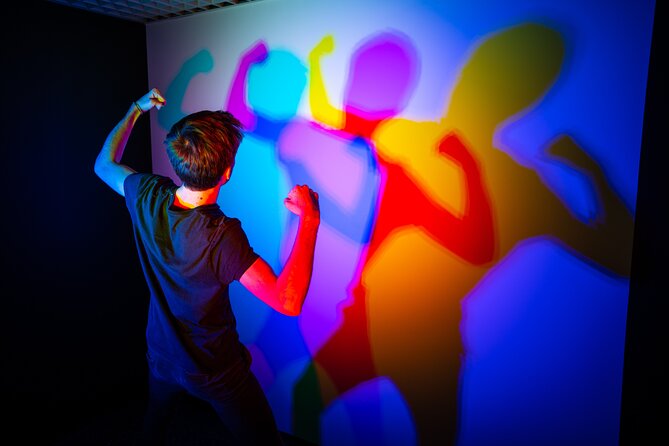
- Self-paced layout across multiple rooms, so you can linger where the illusion grabs you
- Strong photo moments (some exhibits are clearly built for cameras)
- A small space that can feel short if you’re expecting “museum-sized” crowds and collections
- Family-friendly design with exhibits that work for kids and adults
- Interactive optical effects that can cause mild motion feelings for some people
- Straightforward visit length that often lands around an hour
Paris Museum of Illusions: A Practical Reality Check

This is not a traditional museum where you wander room after room reading placards. The Paris Museum of Illusions is built like a playful route through rooms where your eyes get challenged on purpose. Think of it as a walk-through experiment: you look at something, something seems wrong, and then you’re left trying to figure out why your brain accepted the trick.
What makes it appealing is that it’s easy to participate. You don’t need special skills, and it doesn’t rely on heavy explanations to be entertaining. A lot of the “aha” comes from doing it yourself—standing where you’re supposed to stand, watching what happens, and then taking the kind of photos that look impossible until you’re in the shot.
The vibe is also a win for many people. The experience feels compact and friendly, and the staff are described as helpful and sweet. That matters because when a place is small, the staff help set the tone fast—check-in, timing, and keeping the flow moving.
A few more Paris tours and experiences worth a look



Price and Time: Is $22.48 Good Value?
At $22.48 per person, this ticket is priced like a short, focused activity—not a half-day museum. The published duration is about 1 hour, but your real time will depend on how you interact with the exhibits.
Here’s the honest value math:
- If you treat it as a fun hour of optical tricks and photos, the price usually feels fair.
- If you expect a large, slow-moving museum, you’ll likely feel like you got “too little” for the cost because it’s repeatedly described as very small.
The reviews you’ll read (and the pattern you should plan around) point to a common outcome: some people zip through in 20–30 minutes, while others—especially with kids—can spend closer to 1–2+ hours because they keep repeating favorites and taking pictures.
So my advice is simple: don’t price this like the Louvre. Price it like a well-designed, one-hour detour.
One more detail that affects your experience: it is not a skip-the-line ticket. That doesn’t mean it’s chaos, but it does mean you should not assume instant entry. If you’re traveling with kids, or you’re trying to fit it into a tight schedule, arriving a bit earlier than your mental “start time” helps.
Getting In: Mobile Ticket, Easy Payments, and Near Transit
You’re getting a mobile entry ticket, and you should receive confirmation at booking time. That’s handy in a city where you’re juggling maps, transit, and whatever you ate for lunch that day.
The museum is also described as near public transportation, which is exactly what you want for a short attraction. In Paris, that matters because time is the real currency.
Payments are accepted on-site with cash, credit cards, and holiday vouchers. That’s a small detail, but it reduces stress if your bank app is having an off day or you prefer to keep your cards for bigger purchases.
The Main Event: What Happens Inside the Illusion Rooms
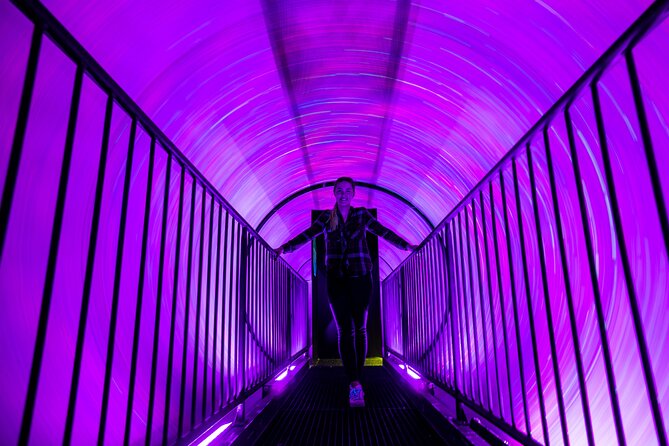
Once you’re inside, the museum is essentially a series of interactive setups. You move through rooms and stations, and the magic is in the physics/optics trick—what your eyes tell you versus what’s actually happening.
The illusions that people remember
A few exhibit types show up again and again in what people highlight:
- A tunnel experience that makes you feel as if you’re spinning
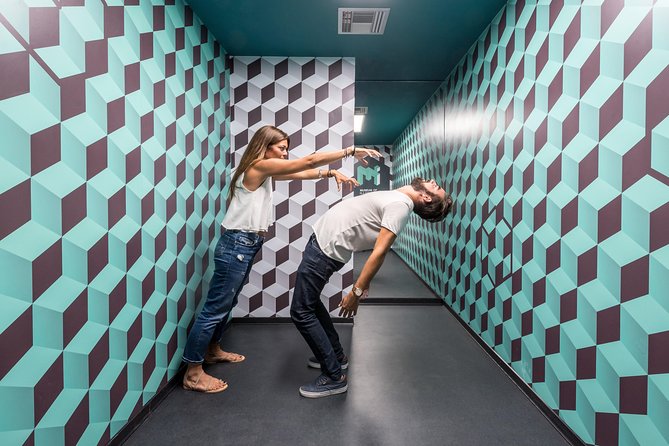
- A tilted room where you feel unsteady—like you can’t walk straight
- A vortex experience that many people call the most exciting
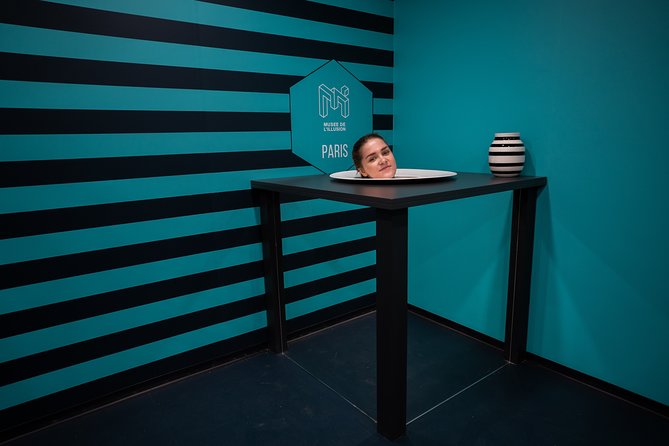
- Photo-friendly setups, including a playful hole where your head pops out
Those details matter because they hint at the “feel” of the visit. This isn’t just looking at stuff. You’re physically positioned in a way that changes what you experience.
You can also read our reviews of more museum experiences in Paris





Comfort notes you should plan for
Some people report feeling motion sick. It’s not guaranteed, but it’s real enough that it’s worth respecting. If you’re sensitive to spinning or optical movement effects, go slow at the tunnel/vortex type rooms, and consider taking breaks between exhibits.
Also, some people mention that a couple of illusions didn’t work as expected for them. That’s normal with optical displays—lighting, angle, and where you stand all matter. If one setup feels less effective, don’t assume the whole museum is the same. The best approach is to treat each room like its own mini challenge.
How long it really takes
The published plan is about 1 hour, and that matches the experience for many visitors. But it can stretch:
- If you’re mostly snapping photos and moving forward, you’ll go faster.
- If you’re with kids (or you can’t resist repeating the best shots), it can last longer.
One practical tip: since it’s self-paced, don’t wait until the end to find the “must-do” exhibits. If a room is popular, you’ll often have shorter waits earlier.
Who This Works Best For (And When It Might Not)
This place is built for broad ages, but it clearly shines with families.
Families and kids
The museum consistently comes across as good for kids—from toddlers to older children—because kids don’t need a “history lesson” to enjoy optical tricks. For a lot of families, it’s an easy win: you get an indoor activity that keeps everyone busy without requiring long attention spans.
Also, because it’s small, it avoids the “everyone is tired before we reach the third room” problem. Parents often like that it won’t drag.
Couples and adults
Adults can have a great time here too, especially if you enjoy playful visual puzzles. It’s a fun break from the typical Paris rhythm.
But here’s the caution: if you show up expecting a major museum with lots of content, you may feel let down. A number of people describe it as underwhelming or overpriced for the amount of time inside. If you’re a serious art/museum person, this might feel more like an entertaining activity than a museum.
Best fit summary
You’ll likely enjoy it most if you want:
- Short and fun indoor time
- Interactive, hands-on experiences
- Photos that actually look cool and weird
You might skip it if you want:
- A long cultural visit
- A “skip-the-line” experience
- Museum scale and depth
Timing Your Visit: Crowds, Time Slots, and Smooth Flow

Because it’s not skip-the-line, crowd levels affect your mood. The good news is that it’s described as not too busy on weekdays and that you can complete it around the stated hour.
Still, the museum can be busy, especially if you hit peak times or if a time slot lines up with more families arriving at once. The practical move is to go earlier in the day or on a weekday if your schedule allows.
Once you’re inside, the self-paced setup helps. Even if a few rooms get queues, you can shift your route and come back to the popular stuff later. That flexibility keeps it from feeling like a rigid group tour.
Pair It With Real Paris Plans: Don’t Make It Your Only Stop

This museum works best as a planned stop inside a longer day. Since you can often finish in about an hour (sometimes less), it’s ideal before or after something else.
People also note the surrounding area is pleasant, with restaurants within walking distance and a sense that locals hang out nearby—not just tourist traps. I’d treat the museum as a two-part day:
- Illusions now
- A relaxed meal after
That way, even if the museum feels short, your overall day still feels full.
Should You Book the Paris Museum of Illusions?
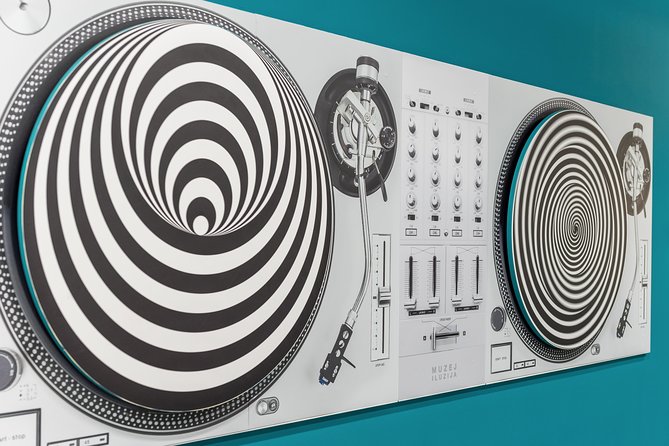
Book it if you want a quick, interactive, photo-friendly break in Paris. The best-case scenario is an hour where you’re laughing at how your eyes get fooled—especially with the tunnel/spin, tilted-room feeling, and the vortex-style exhibit.
Hold off or rethink it if:
- You’re expecting a large museum
- You hate any chance of feeling like you’ll be done in 20–30 minutes
- You’re sensitive to motion effects and want to avoid anything that could trigger that feeling
- You’re traveling on a tight schedule and can’t handle not being a skip-the-line ticket
My final take: this is a solid value when you price it correctly—like a fun, short activity. When you price it like a full museum day, that’s when disappointment shows up.
FAQ
How long does the Paris Museum of Illusions visit take?
The experience is listed at about 1 hour. Many visitors finish in 20–30 minutes, while some families (especially with young kids) may spend closer to 1–2+ hours.
Is this a skip-the-line ticket?
No. It is not a skip-the-line ticket.
Is the ticket mobile?
Yes. You get a mobile ticket.
What’s included in the price?
Your ticket includes admission to Musee de l’Illusion Paris.
Where is it located, and how do I get there?
It’s in Paris and described as near public transportation, which helps for a short visit.
What payment methods are accepted at the museum?
The museum accepts cash, credit cards, and holiday vouchers.
Can I get a refund if I cancel?
No. The experience is non-refundable and cannot be changed for any reason.
If you want, tell me your travel dates and whether you’re going with kids or as a couple. I can suggest the best approach for timing so the visit feels worth the money.