REVIEW · PARIS
Paris: Hop-On Hop-Off Seine Cruise Pass with 9 Stops
Book on GetYourGuide →Operated by BATOBUS · Bookable on GetYourGuide
Paris looks different from the Seine.
With a 24 or 48 hour Batobus pass and 9 stops, you can shape your day around iconic sights instead of transit lines.
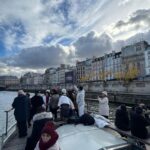
I love the comfort angle: these are heated boats with a glass roof plus an outdoor terrace, so you can still enjoy the river views when it is cool or gray.
I also like the practical support of an interactive webapp, available in multiple languages, so each stop makes sense instead of being just scenery.
One drawback to plan for: there is no onboard audio guide built into this experience. You will want a charged smartphone (and the webapp ready) so you can use the commentary while you ride.
What Makes This Seine Pass Worth Your Time
- Heated, glass-enclosed boats with a terrace for better photos and fresh air
- 9 strategically placed stops near major sights, so hopping off feels efficient
- 24 or 48 hours of consecutive use, starting from your first boarding
- Multilingual interactive webapp that helps you connect the view to the landmark
- Frequent departures (often around every 20 to 25 minutes), which keeps your day flexible
In This Review
- How This 9-Stop Seine Pass Changes a Paris Day
- Port de la Bourdonnais: Your Starting Line and Route Strategy
- Tour Eiffel (Port de la Bourdonnais): The River View That Makes Everything Else Easier
- Musée d’Orsay and Saint-Germain-des-Prés: Art Stops Plus a Real Neighborhood Feel
- Notre-Dame (Quai de Montebello): Cathedral Views Plus the Latin Quarter Reset
- Jardin des Plantes and Cité de la Mode: A Breather When You Need It
- Hôtel de Ville and the Marais Area: City Hall Energy Without the Rush
- Louvre Area via Pont Royal and Pont du Carrousel: How to Use the Stop Well
- Place de la Concorde and Invalides: Grand Squares and Napoleon’s Tomb Views
- On-Board Comfort: Heated Boats, Terrace Photos, and What to Bring
- The One-Two Punch of the Interactive Webapp (No Audio Required)
- Timing and Season Notes: Winter Hours and Evening Planning
- Price and Value at About $27: When It’s a Great Deal
- Who This Seine Pass Suits Best (and Who Should Skip It)
- Should You Book the Batobus Hop-On Hop-Off Seine Cruise Pass?
- FAQ
- How long is the Batobus pass valid?
- Where do I board the boat?
- Do I need to scan my ticket every time I board?
- What languages are available on the interactive webapp?
- Is food or drinks included?
- Are luggage and strollers allowed on board?
- Is this cruise wheelchair accessible?
How This 9-Stop Seine Pass Changes a Paris Day
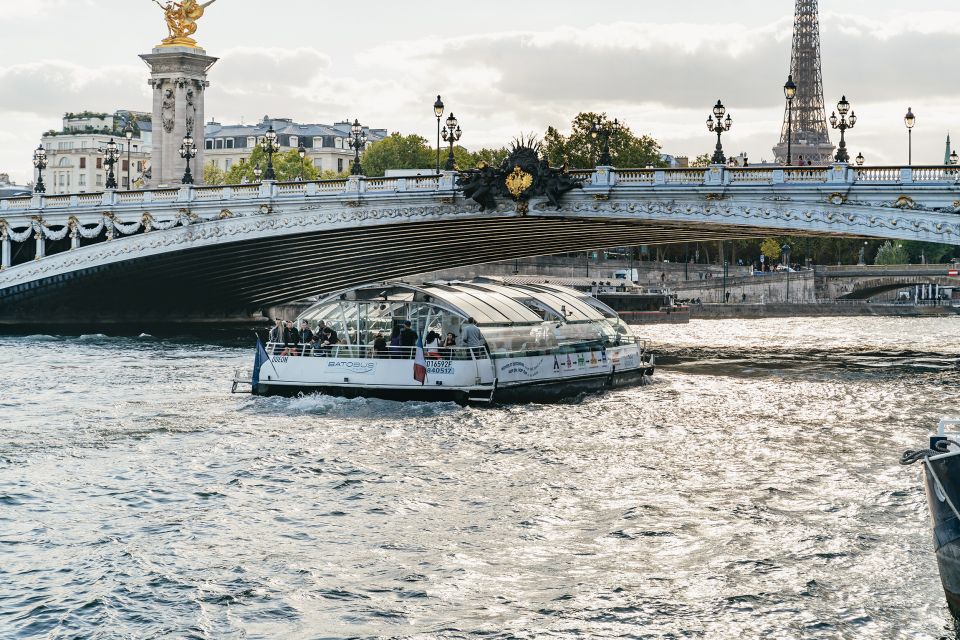
If your Paris plan is a mix of big names (Eiffel Tower, Louvre, Notre-Dame) and a few neighborhoods you want to actually wander, the Batobus pass is a smart time-saver. You get the cruise part and the transport part in one: hop on when you want the views, hop off when you want to slow down and look up close.
For me, the value comes from how the route is set up. The stops are not randomly scattered. They line up with areas where you can turn a short walk into an entire attraction, then slide back onto the boat when your feet need a break. That is the whole point of a Seine shuttle: you trade stairs and transfers for something calmer and scenic.
Also, the pass buys you freedom. With 24 or 48 hours of consecutive use, you can start whenever you want within that window and build in pauses. One day you can do more museums; another day you can do more neighborhoods and bridge walks.
Port de la Bourdonnais: Your Starting Line and Route Strategy
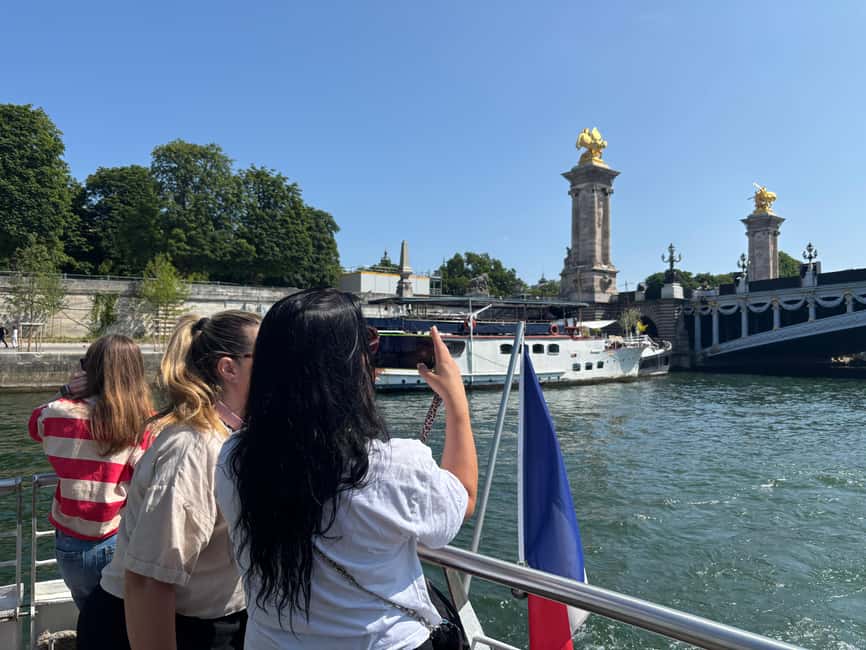
Everything starts at Port de la Bourdonnais, the Tour Eiffel stop. From there, you are essentially doing a loop through the river sights, returning to the same general area.
Here’s how I’d think about using it. If this is your first time in Paris, do one full circuit early in your trip. It helps you get your bearings fast—you see where the landmarks sit relative to the bridges and river bends. Then use your second ride (or second day, if you bought 48 hours) to linger at only the stops that really grabbed you.
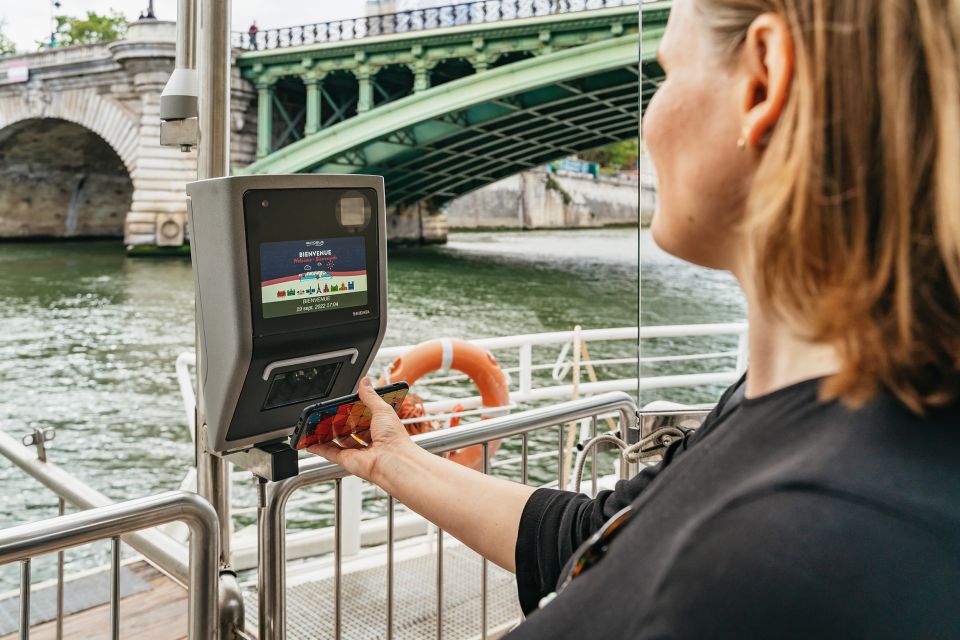
One small practical note: use the scan rule as your rhythm. You scan your ticket each time you hop on, and your pass validity runs from when you board for the first time. That means you should not wait around with the first scan if you want to maximize your day.
You can also read our reviews of more boat tours in Paris


Tour Eiffel (Port de la Bourdonnais): The River View That Makes Everything Else Easier
The Eiffel Tower stop is the obvious anchor. You hop off near the base area and can build your first walk around the museum nearby—especially if you want something that is not another long line to stand in.
One extra perk here is that the river angle sets you up for photo variety. The boat’s glass roof changes how light hits the view, and the terrace makes it easier to shoot from outside the windows. If you’re the type who wants the Eiffel Tower during different moods, this stop is your best repeat candidate.
Timing tip: in the evening, the Eiffel Tower lit up is a classic moment. People often plan around the late day glow, and a lot of the appeal is simply being on the water when that happens. If you want less crowd pressure than midday, this is a good way to do it.
Musée d’Orsay and Saint-Germain-des-Prés: Art Stops Plus a Real Neighborhood Feel
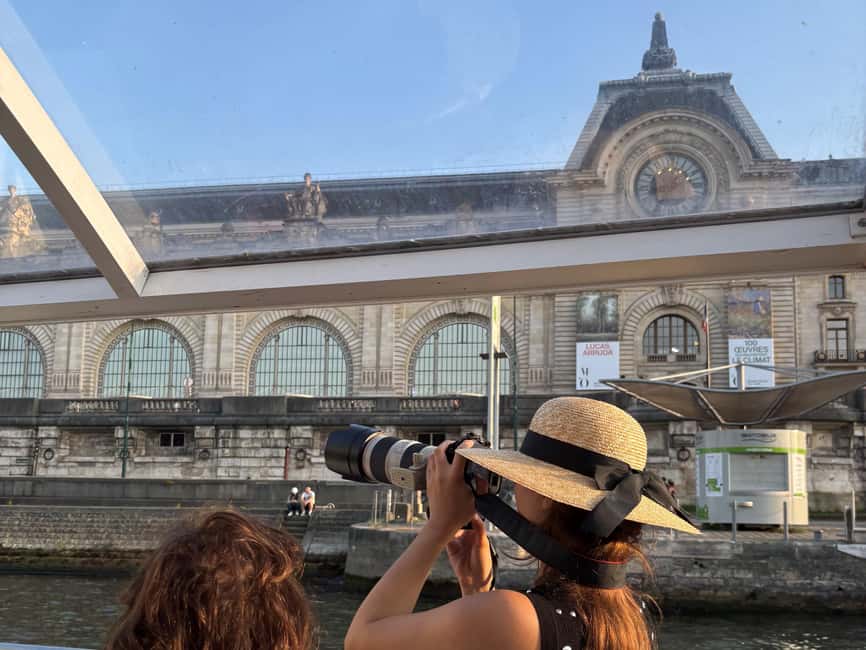
After the Eiffel area, you roll past Musée d’Orsay at Quai de Solférino. Even if you do not go inside right away, the boat gives you a clean overview of the riverfront and makes it easier to plan how much time you want to spend on the museum.
Then you get to Saint-Germain-des-Prés (Quai Malaquais). This is a classic Paris pocket—cafés, bookshops, and the intellectual vibe you hear about in guidebooks. What I like about making this a stop is that you can match your energy level. If you want to shop and wander slowly, you can. If you want to do a quick walk and return to the boat, you can do that too.
This is also a stop where the webapp helps. Seeing the area from the water is pleasant, but the commentary makes it more than a pretty stretch of river.
Notre-Dame (Quai de Montebello): Cathedral Views Plus the Latin Quarter Reset
Notre-Dame is one of those sights where being close matters. Getting off at Quai de Montebello lets you walk into the area and connect the view you saw from the boat to the scale in real life.
What makes this stop work well is the pairing. After Notre-Dame, you can move into the Latin Quarter for cafés, bookshops, and student energy. In other words, you are not just visiting a monument and leaving. You are stepping into a neighborhood rhythm, which makes the time feel fuller.
A practical mindset here: if crowds at the cathedral are not your favorite thing, use the boat to arrive with a lighter-feeling entry. You still get the landmark moment, but you can control how long you stay in the most congested parts.
Jardin des Plantes and Cité de la Mode: A Breather When You Need It
Next up is Jardin des Plantes (Quai Saint-Bernard). This is a smart counterbalance to the big-ticket monuments. The botanical garden gives you a calmer kind of sightseeing, and nearby you have contemporary creative space through Cité de la Mode et du Design.
I like this stop because it naturally solves a common Paris problem: after two or three heavy landmarks, you start craving oxygen and space. A garden area does that. If you want to take a longer rest without feeling like you wasted a hop, this is where you do it.
If it is warm, you might want to linger a bit longer. If it is cool or rainy, the boat ride itself can be part of your recovery loop—heated seating, glass overhead, and the terrace when you want photos.

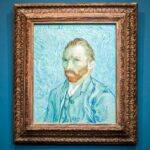


Hôtel de Ville and the Marais Area: City Hall Energy Without the Rush
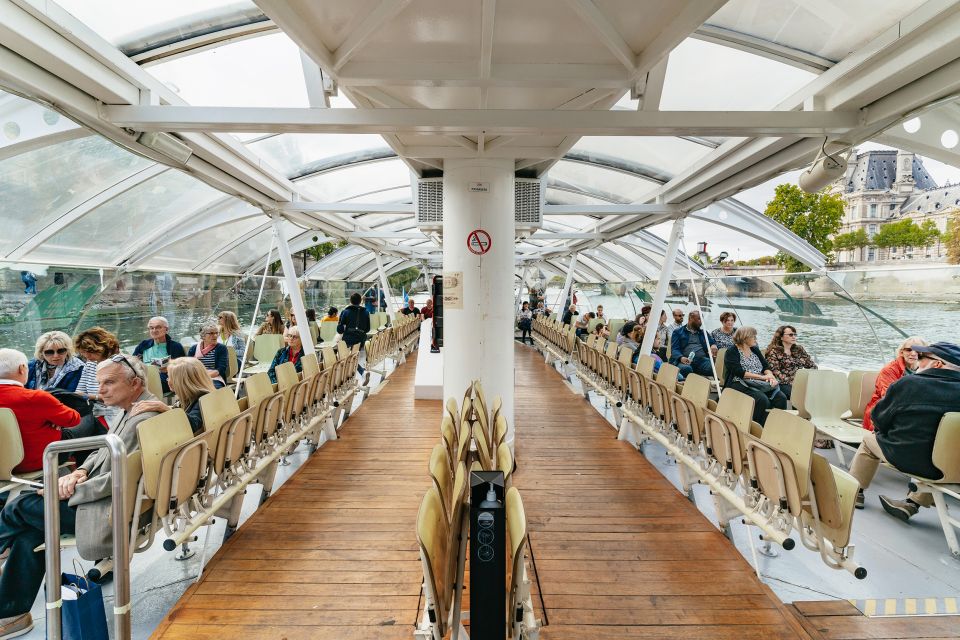
The Hôtel de Ville stop (Quai de l’Hôtel de Ville) is historically important, and it also acts like a launch pad into central Paris streets. From here, you can connect with nearby areas like Pompidou Centre and then shift into the Marais district vibe—galleries, boutiques, cafés, and streets that reward wandering.
This is a good stop for your second day if you want to mix sightseeing with neighborhood exploring. The boat gets you there comfortably; the streets let you slow down.
Also, because the stop sits near central attractions, this is a place where the walk time is usually worth it. You can do a museum-or-two style visit, or you can go “just wander” for a couple of hours and return when you feel like it.
Louvre Area via Pont Royal and Pont du Carrousel: How to Use the Stop Well
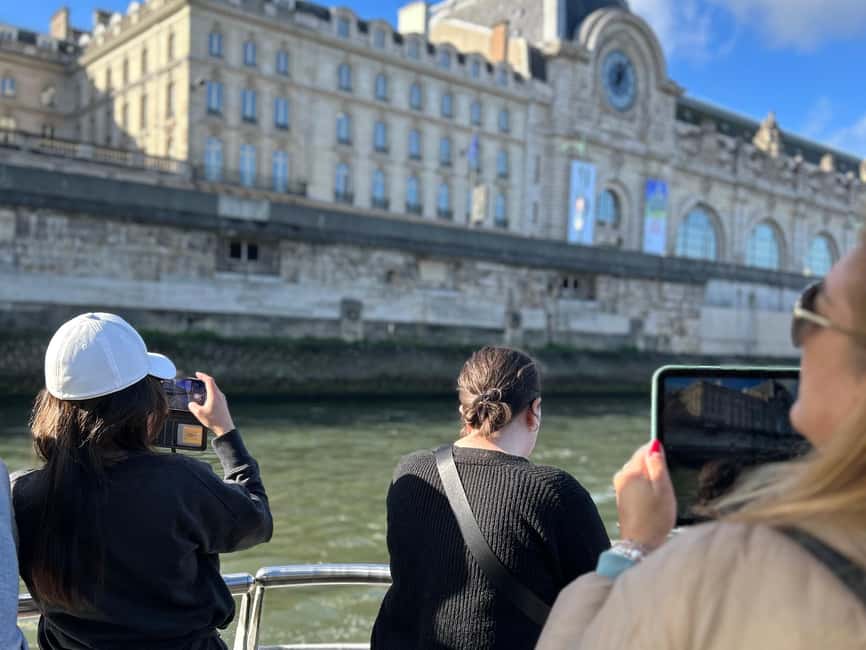
The Louvre is a big commitment, so the best way to use the boat stop is to plan for both time and direction. Getting off near the Louvre area—around Pont Royal and Pont du Carrousel—helps you approach the museum zone efficiently.
Here’s the move I’d make: decide in advance how much time you want to spend inside the Louvre versus how much time you want for the outside area and nearby sights. The Seine gives you a strong exterior context even if you do not do a full museum day. If you do go inside, use the boat time to cover everything else you can’t fit later.
In short, this stop works best when you treat it like a hub. Hop off, commit to your plan, then hop back on to keep the day from turning into one long walk-and-transfer loop.
Place de la Concorde and Invalides: Grand Squares and Napoleon’s Tomb Views
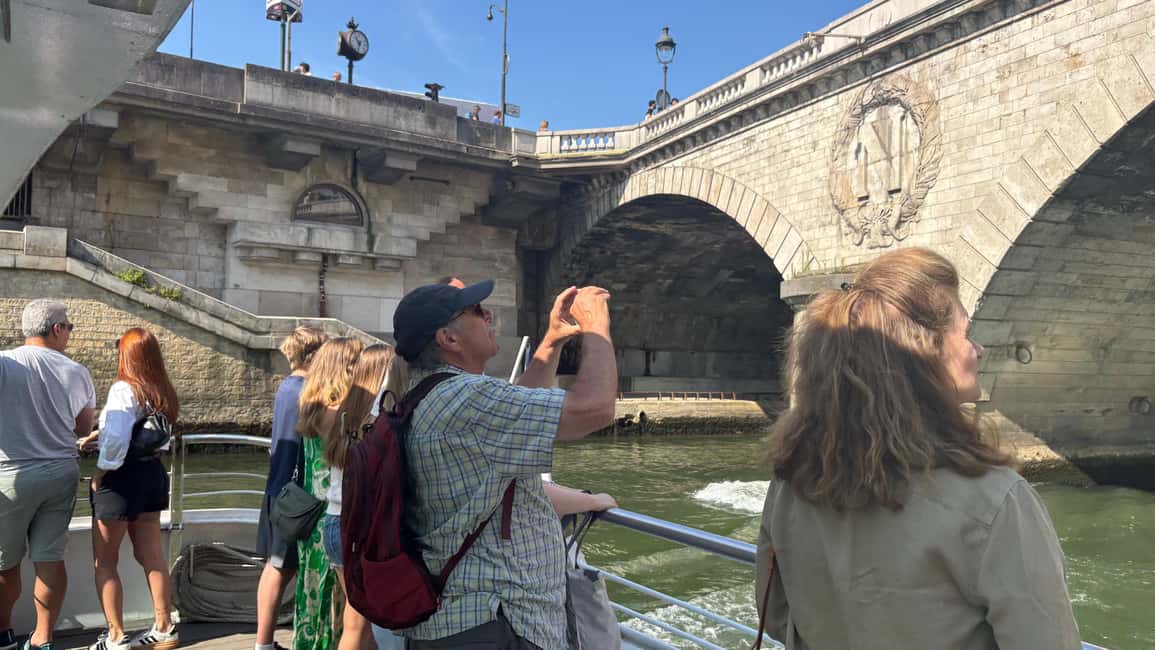
After the Louvre zone, you slide toward Place de la Concorde, one of Paris’s grand squares. This is a great “pause and look” stop. It also sits near the museum cluster around Grand Palais and Petit Palais, and the Avenue Montaigne area feels like a different Paris mood.
Then you head toward Invalides (Port des Invalides), with the iconic anchor nearby: Hôtel des Invalides and Napoleon’s tomb. The ride also gives you views over Pont Alexandre III, widely considered one of the prettiest bridges in Paris. Even if you do not walk far, the river viewpoint itself is part of why this route is so satisfying.
If you want a final day that feels polished and varied, this is a great combo: grand square, major memorial, and then that bridge photo moment.
On-Board Comfort: Heated Boats, Terrace Photos, and What to Bring
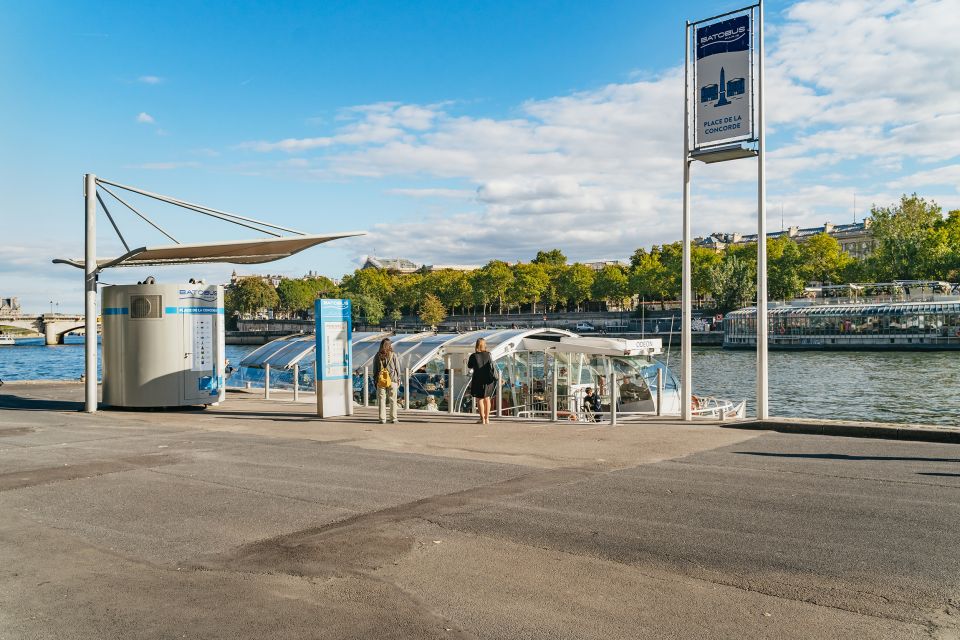
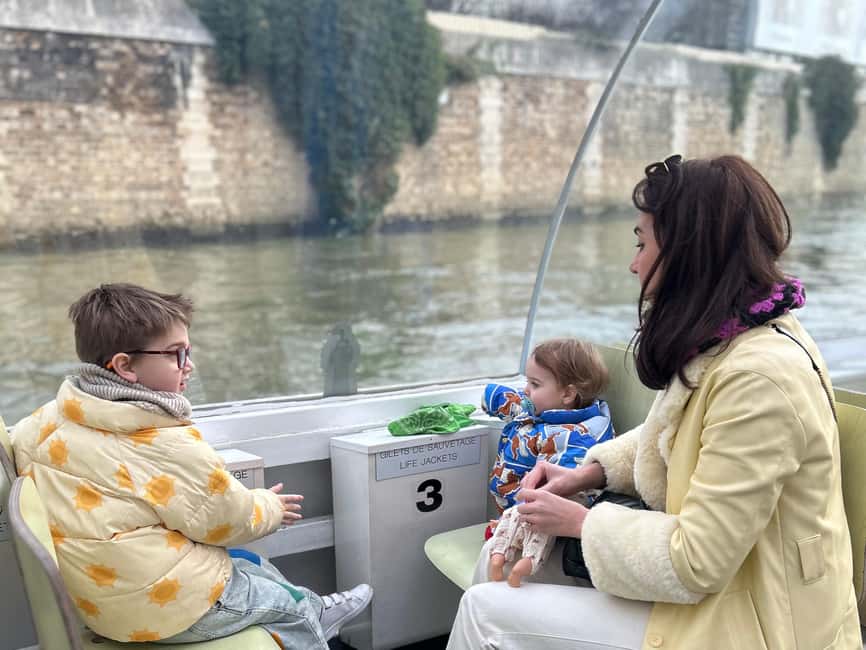
The boats are heated and glass-enclosed, with a terrace you can use for better sightlines and photos. In cold months, that heating matters more than you might expect. If you are doing a lot of walking in winter, being able to warm up while still seeing Paris is a real win.
Visibility can vary. One practical note: the glass roof can affect how crisp photos look from certain angles. The terrace helps, and so does choosing your seat/position with the sun and reflections in mind.
What to bring is simple: a charged smartphone. You’ll be relying on the interactive webapp for the monument context around stops.
One more practical point: drinks and snacks are not included. If you plan to spend hours between hops, grab water and something small before you board. The river route is relaxing, but it can still add up to a long day.
The One-Two Punch of the Interactive Webapp (No Audio Required)
The interactive webapp provides monument and area information at each stop, and it is offered in English, French, Italian, Spanish, and German.
What I recommend: don’t assume you’ll get a spoken audio tour while you ride. Plan to use the webapp as your guide. If your phone battery is low, this whole system becomes fragile, which is why bringing a charged phone is not optional.
In practice, the webapp is what turns “I’m seeing a view” into “I know why that matters.” That makes your time at each stop more focused, especially if you only have a day.
Timing and Season Notes: Winter Hours and Evening Planning
During 3 November 2025 to 31 March 2026, the listed service window from the Eiffel Tower stop runs from:
- 10:00 to 17:00 Monday to Thursday
- 10:00 to 19:00 Friday to Sunday
For other dates, you’ll want to check starting times.
How to use this in real life: if it is daylight-limited, prioritize fewer stops but longer stays. If you are in spring or summer, aim for early evening rides, when heat drops and the views feel less punishing than midday.
If you want the Eiffel Tower lit up moment, plan a ride back toward the Eiffel area when the evening glow is approaching.
Price and Value at About $27: When It’s a Great Deal
At around $27 per person, the value is not just the cruise. The deal is that the river ride functions as an alternate way to move between attractions you’d otherwise reach by subway or bus—plus you get a sightseeing bonus without adding fatigue.
This pass is especially worth it if:
- you have a short trip and want coverage across central landmarks
- you’re mixing museums with neighborhood wandering
- you want a break from walking and changing lines
- your group has different interests and you want everyone to control their own pace
It is less of a slam dunk if your schedule is extremely tight and you already know you will only visit one or two stops. In that case, you might prefer buying separate attraction tickets and using cheaper, single rides on public transport.
But for most first-time and second-time visitors, the hop-on structure is what makes the price feel fair.
Who This Seine Pass Suits Best (and Who Should Skip It)
This is a good fit for most visitors who want an easy, scenic way to move through central Paris. It is also a kinder option than lots of subway stairs if you want calmer transportation between stops.
A few constraints matter:
- Not suitable for wheelchair users
- No luggage or large bags allowed
- Non-folding strollers are not allowed
- Fold-up strollers are allowed, and baby carriages (fold-up) can come aboard
So if you’re traveling light and want an easy loop with breaks, it fits well. If you need wheelchair access, you will likely need a different plan.
Should You Book the Batobus Hop-On Hop-Off Seine Cruise Pass?
Yes, book it if you want a simple way to connect Paris’s biggest sights without turning your trip into a subway puzzle. The heated boats, the terrace photo option, the 9-stop route, and the webapp context make it feel practical, not just pretty.
Skip it only if your itinerary is super narrow (one or two locations only) or if your mobility needs do not match the stated accessibility limits.
If you do book, I’d choose 48 hours when you can. Not because you must, but because it turns the pass into a relaxed rhythm instead of a timed sprint.
FAQ
How long is the Batobus pass valid?
You can choose a 24-hour or 48-hour consecutive pass. The validity starts when you use it for the first time, from the moment you board on your first ride.
Where do I board the boat?
You can hop on at any of the 9 stops along the Seine. The main starting point is Port de la Bourdonnais (Tour Eiffel stop), and the route returns there.
Do I need to scan my ticket every time I board?
Yes. You must scan your ticket each time you hop on, and your ticket validity is based on your first boarding time.
What languages are available on the interactive webapp?
The interactive webapp is available in English, French, Italian, Spanish, and German.
Is food or drinks included?
No. Drinks or snacks are not included with the pass.
Are luggage and strollers allowed on board?
You cannot bring luggage or large bags. Non-folding strollers are not allowed, but fold-up strollers and baby carriages are allowed.
Is this cruise wheelchair accessible?
No. It is not suitable for wheelchair users.