REVIEW · PARIS
Paris: Classical Music Concert in Saint-Julien-le-Pauvre
Book on GetYourGuide →Operated by Ensemble Royal · Bookable on GetYourGuide
One hour, and the church starts singing. In Saint-Julien-le-Pauvre, a medieval stone church in the Latin Quarter, this classical concert keeps everything close and personal, with sound that feels bigger than the room. I especially love how the setting turns famous pieces into something you can actually feel in your chest.
I also like the program choices: Vivaldi’s Spring and Summer, Mozart’s Lacrimosa, plus other crowd-pleasers like Händel’s Xerxes Largo and Saint-Saëns’s The Swan. My one heads-up is seating can be tight, and if you sit farther back you may have a limited view of the performers.
In This Review
- Key things that make this concert worth your time
- Saint-Julien-le-Pauvre: why this church changes the whole listening experience
- The music line-up: Vivaldi, Mozart, Händel, and Saint-Saëns
- Ensemble Royal and the guest soloists: where the emotion comes from
- Acoustics and seating: how to pick your spot inside the church
- Timing: fitting 65 minutes of music into a Paris day
- Price and value: what you’re really paying for at about $46
- After the show: making the Latin Quarter work for dinner and strolling
- Should you book Saint-Julien-le-Pauvre classical music in Paris?
- FAQ
- Where is the meeting point?
- How long is the concert?
- What is the price?
- What’s included in the ticket?
- Is food or drinks included?
- What music pieces are performed?
- What languages are spoken by the host or greeter?
- Is the concert wheelchair accessible?
- What is the cancellation policy?
- Can I reserve without paying immediately?
Key things that make this concert worth your time
- A medieval church location in the Latin Quarter, right near Notre-Dame
- Big classical names on the program: Vivaldi, Mozart, Händel, Saint-Saëns
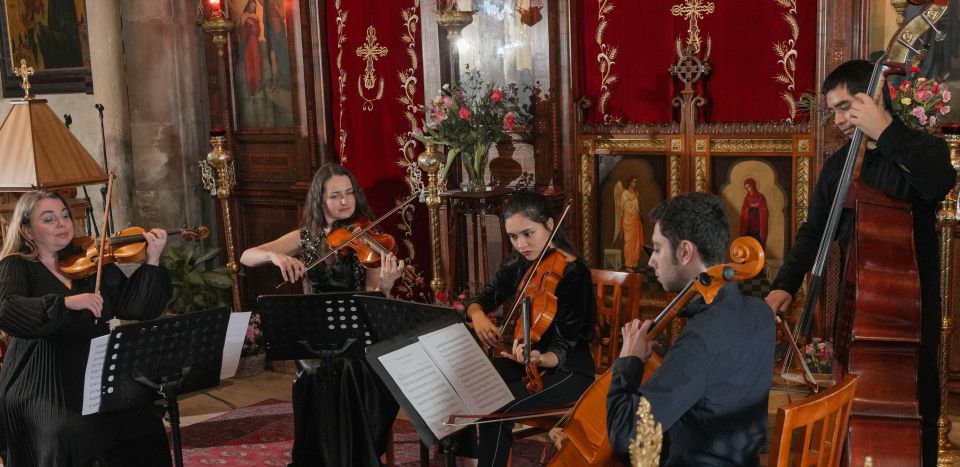
- Ensemble Royal with 2 guest soloists, so you get both teamwork and star moments
- Live sound that fills the space without needing screens or gadgets
- Easy meet-up: staff meet you right in front and guide you to your seat
Saint-Julien-le-Pauvre: why this church changes the whole listening experience
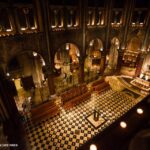
This concert isn’t staged in a big hall. It’s in Saint-Julien-le-Pauvre, one of Paris’s oldest churches, with medieval design and a stone interior that does a lot of the work for you. When music bounces off old walls, it doesn’t just sound loud. It sounds shaped.
You’ll also like the location if you’re already spending time around the Latin Quarter. This area has that classic Paris mix of narrow streets, old buildings, and restaurants that make planning dinner easy. After the concert, you’re not stuck trying to find transit in a hurry. You can step right back into the neighborhood atmosphere.
One more practical note: you meet the staff right in front of the church. That sounds obvious, but in busy tourist zones, it’s still worth doing one quick sanity check on the building you’re standing at. A similar-looking church is nearby, so use the staff direction on the spot rather than trying to guess.
A few more Paris tours and experiences worth a look


The music line-up: Vivaldi, Mozart, Händel, and Saint-Saëns
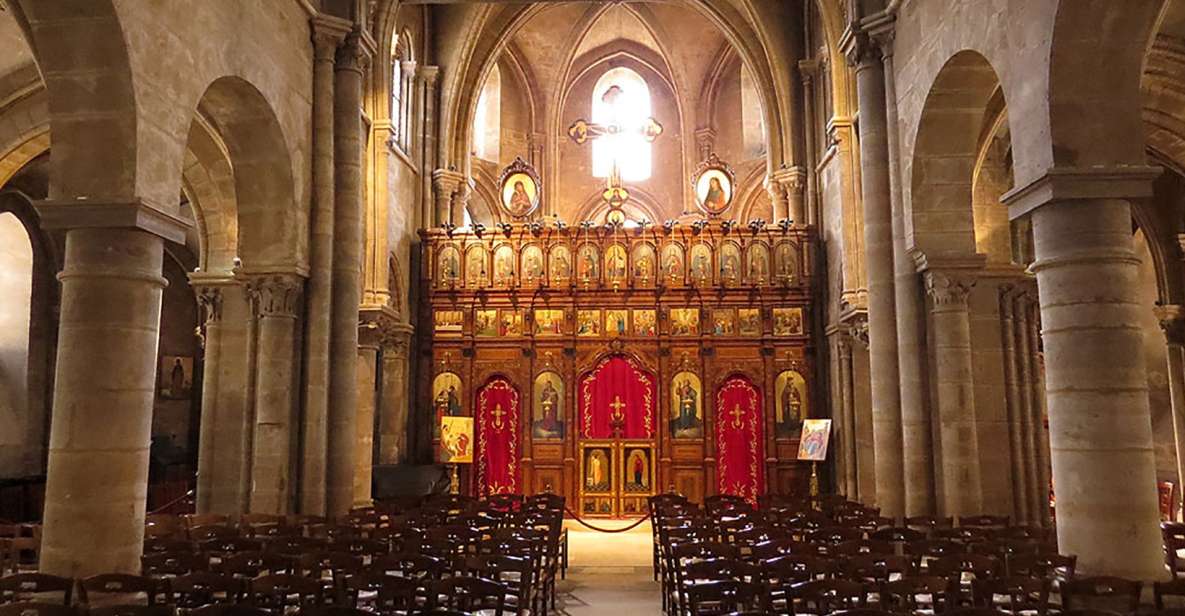
The heart of the evening is a well-chosen mix of well-known works that stay approachable even if you’re not a classical obsessive. The concert includes:
- Vivaldi’s The Four Seasons excerpts, specifically Spring and Summer
- Mozart’s Lacrimosa from the Requiem
- Händel’s Xerxes (the Largo movement)
- The Swan by Saint-Saëns
Here’s why this mix works so well for an hour-long concert. Vivaldi gives you motion and brightness. The strings and rhythms usually make you feel like the music is walking somewhere. Then Mozart’s Lacrimosa slows the emotional temperature right down. If you like hearing how a single soprano or vocal line can bend a room’s mood, this part delivers.
Händel’s Largo is a nice bridge piece. It’s moving without being dramatic in the same way as a big operatic finale. And Saint-Saëns’s The Swan is one of those melodies that many people recognize instantly, even if they can’t name it. It’s a clean way to end up smiling instead of still sitting in deep reverie.
The program is performed live by Ensemble Royal plus two guest soloists. That matters because soloists bring the spotlight without turning the evening into a solo recital. You get both the ensemble blend and the moments where one voice or instrument becomes the main character.
Ensemble Royal and the guest soloists: where the emotion comes from
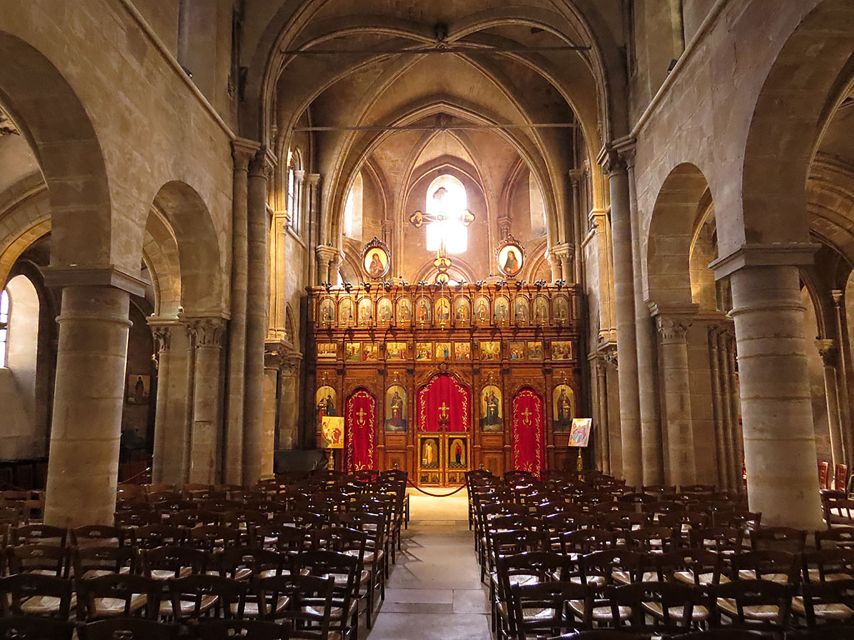
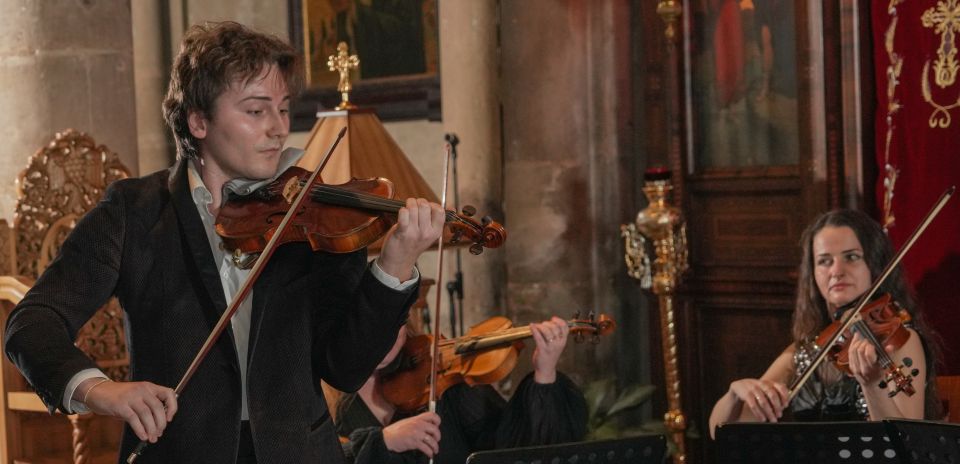
The concert is led by Ensemble Royal, with two guest soloists joining in. In practice, that means you’ll hear more variety than a basic group-only set: featured violin lines, vocal phrasing, and moments where the sound shifts from blended chamber texture to something more front-and-center.
One thing I appreciate about this format is that it reduces the “endless sameness” problem some concerts have. In 65 minutes, you don’t want to wonder if the best part was at the start. With a solo violin and a vocal presence (when featured), the music keeps changing color.
Also, this is the kind of performance where technique is not separate from feeling. Even if you’re just an occasional classical fan, you should notice how the soloists shape dynamics and phrasing to make the notes tell a story. Mozart and Vivaldi are both famous, but the real point is how they’re interpreted live in this specific church.
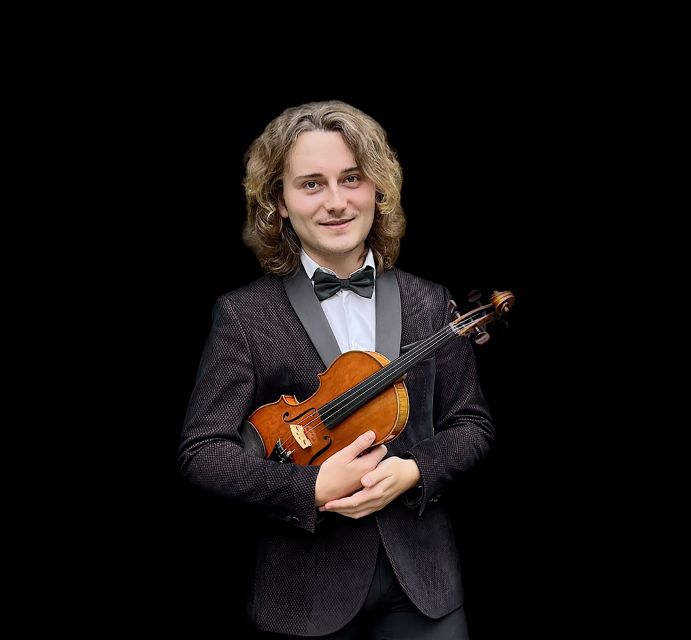
If you’ve got names in mind, you may spot soloists like Dorian Rambaud and Olga Voljnovic (soloists have been featured in recent performances). But even without memorizing names, focus on the roles: ensemble unity, then the solo lines that pull you closer.
Acoustics and seating: how to pick your spot inside the church
Church acoustics can be a blessing and a trap. The blessing is obvious: the sound tends to carry and “stick” in a pleasing way. A good medieval interior can make even a small ensemble sound full.
The trap is practical: visibility and comfort. The concert venue is intimate, so there isn’t a huge amount of “personal space” in most seating arrangements. If you’re sensitive to uncomfortable chairs or you need extra legroom, plan accordingly. If you’re tall, or you get stiff easily, it’s smart to choose your seat with comfort in mind.
For sightlines, keep a simple rule: the farther back you sit, the less you’ll see. Sound often still works well, but your view of the performers can be limited. If seeing the musicians is part of your enjoyment, arrive with enough time to get a decent seat after staff guide you in.
Timing: fitting 65 minutes of music into a Paris day
The concert runs about 65 minutes. That’s a sweet length for Paris, where you’re juggling neighborhoods, museums, and long walks. You can slot it in as a mid-afternoon reset or as a calm evening break that still keeps your day moving.
Starting times vary, so check availability before you assume a specific hour. If you’re building a full day plan, treat the concert as a reliable anchor. You’ll leave the church and immediately be in the Latin Quarter, which makes it easy to turn the rest of the evening into dinner and a relaxed stroll.
One small timing reality: some performances may run a little longer than the stated duration. So if you’re trying to catch a very specific reservation right after, give yourself breathing room. Paris loves a slow turn of events, and music deserves that respect.




Price and value: what you’re really paying for at about $46
At $46 per person, this concert is priced as an accessible cultural evening rather than an ultra-premium ticket. The value comes from three things working together:
- A top-tier venue (an old stone church that supports sound naturally)
- A serious classical repertoire with familiar names
- Live performers, including an ensemble plus two guest soloists
That combination is what makes the ticket feel reasonable. You’re not paying for a generic “background” music event. You’re paying for a full classical hour with a curated mix—Vivaldi to Mozart to Händel to Saint-Saëns—performed live in a venue that shapes how the music lands.
There’s also the confidence factor. The concert is rated 4.8 out of 5 with a large number of evaluations, which usually signals consistency in quality and audience experience. I don’t treat ratings as gospel, but a high score with lots of feedback is a good sign that you’re booking something that works for many different kinds of people.
After the show: making the Latin Quarter work for dinner and strolling
This is one of the easiest concerts in Paris to pair with food. The church sits right in the Latin Quarter, and you’re surrounded by typical restaurants and simple, walkable options. Since food and drinks aren’t included in the ticket, you’ll want to plan dinner around your own taste and budget.
My advice is to keep dinner flexible. If you go straight from the concert into a sit-down meal, do it while your energy is still up and you’re still in that music glow. If you need something lighter, grab a quick bite nearby and then do a slow wander. The streets around here feel made for walking, especially after a structured event like a concert.
If you’re combining this with other sights, think of it as a “mental break.” Museums can feel visual-heavy. A classical concert gives your brain a different kind of rest.
Should you book Saint-Julien-le-Pauvre classical music in Paris?
Book it if you want an hour of live classical music in a real historic setting, with a program that includes easy-to-appreciate favorites like Vivaldi and Mozart’s Lacrimosa. The price is fair for what you get, and the Latin Quarter location makes it convenient to build into your evening.
Skip it (or choose a different option) if you’re very picky about seating comfort or you need a perfect view of the musicians from start to finish. If your priority is seeing every movement clearly, sit closer to the front where possible, since back seating can reduce what you can visually follow.
If you’re in Paris and want one memorable, low-stress cultural night, this is the kind of choice that often turns into a highlight.
FAQ
Where is the meeting point?
Meet the staff right in front of the Saint-Julien-le-Pauvre church. They will direct you to your seat.
How long is the concert?
The concert lasts 65 minutes.
What is the price?
The price is $46 per person.
What’s included in the ticket?
Your ticket includes the concert ticket.
Is food or drinks included?
No. Food and drinks are not included.
What music pieces are performed?
The concert features Vivaldi’s Spring and Summer, Mozart’s Lacrimosa, Händel’s Xerxes (Largo), and Saint-Saëns’s The Swan.
What languages are spoken by the host or greeter?
The host or greeter speaks French and English.
Is the concert wheelchair accessible?
Yes. The experience is wheelchair accessible.
What is the cancellation policy?
You can cancel up to 24 hours in advance for a full refund.
Can I reserve without paying immediately?
Yes. You can use reserve now & pay later, meaning you can book your spot and pay nothing today.