REVIEW · PARIS
Paris: Baking Insider Experience
Book on GetYourGuide →Operated by ExperienceFirst · Bookable on GetYourGuide
You haven’t truly smelled a boulangerie until you work dough. This small-group insider baking class takes you behind the counter in real Paris bakeries to shape bread, learn croissant dough basics, and understand why French pastries taste the way they do. You’ll get English instruction from a French baker, and the max-8 size keeps it personal even when the ovens are running.
I love the way you learn by doing: you’ll mix, shape, laminate, and practice techniques like baguette-shaping and dough handling instead of just watching. I also like the mix of craft and story—guides such as Priya, Salome, Pierre, Martin, David, Clara, Nisha, and Valentina share practical explanations plus the background behind iconic treats you’ll recognize on every corner.
One drawback to plan around: the class takes place on a 2nd-floor bakery with 15 steps and no elevator, and you need to stand for an extended period. It isn’t wheelchair-friendly, and kids under 5 can join only without hands-on participation.
In This Review
- Key things that make this class worth your time
- Two Hours in a Real Paris Bakery: What the Experience Feels Like
- Step by Step: How Your Lesson Moves Through Bread and Pastry
- Your warm-up: learn what French dough should feel like
- Bread and shaping: baguette know-how you can repeat later
- Croissant dough fundamentals: lamination made teachable
- French pastries: how pastry class fits into a bread session
- The Skills That Make the Difference: Flour, Yeast, and Sourdough Logic
- Tastings Along the Way: Why You Taste During the Work
- Meet the Bakers: What the Guides Bring to the Kitchen
- What You’ll Leave With: Bread Bags, Pastry Packs, and Timing Reality
- Price and Value: Is $106 Worth Two Hours of Baking?
- Who This Class Fits Best (and Who Might Skip It)
- How to Prepare for the Day So You Enjoy It More
- Should You Book It?
- FAQ
- How long is the Paris baking insider experience?
- What is the group size?
- Is the tour guide available in English?
- What kind of baking will I learn?
- Do I get tastings during the class?
- Can children participate?
- Is the experience suitable for wheelchair users?
- Is it hard to reach the bakery?
- What is the cancellation policy?
- Can I pay later?
Key things that make this class worth your time
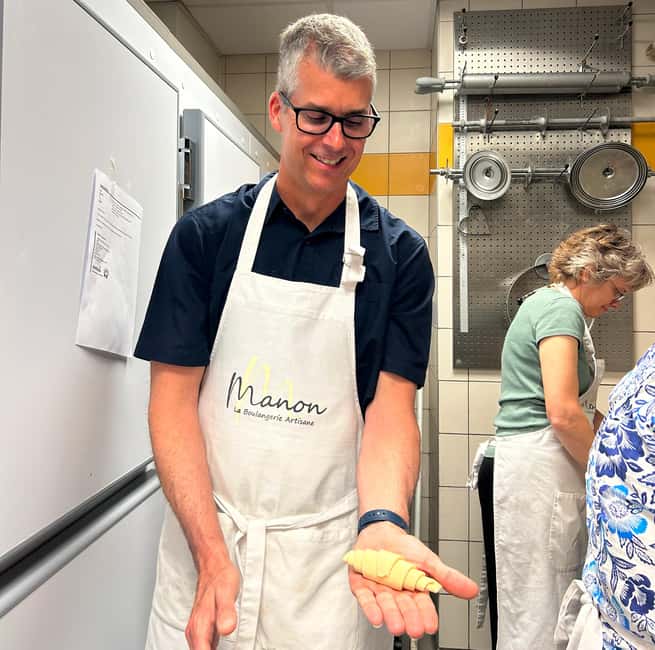
- Working bakery setting: you learn in a real production space, not a classroom.
- Max 8 students: you get personal coaching while the group stays manageable.
- Baguette and croissant dough skills: shaping techniques and lamination basics are part of the lesson.
- Bread basics that matter: you’ll sort out flour types, yeast vs. sourdough, and what changes in dough.
- Sweet and savory tastings: you taste along the way so the techniques stick.
- Leave with what you make: many items come home with you, though timing may affect croissants.
Two Hours in a Real Paris Bakery: What the Experience Feels Like
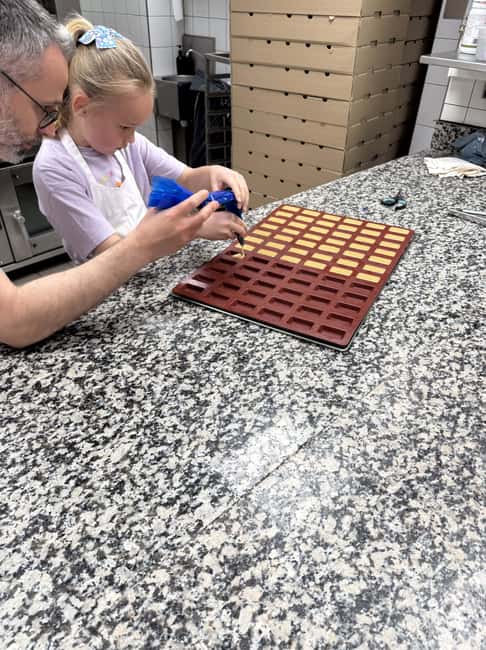
If you’ve ever watched a baker move and thought, That looks easy, this is the reality check—in a good way. The session runs for 2 hours with an English-speaking guide and a maximum group size of 8, so you’re not stuck waiting your turn while someone explains things from across the room.
You’ll visit traditional Parisian bakeries as part of the experience. The day’s rhythm is practical: you start with dough fundamentals, you practice key techniques step-by-step, and you pause for tastings so you can connect your work to the final flavor. And because it’s a working shop, you also get a sense of how a boulangerie actually operates during service hours.
You can also read our reviews of more tours and experiences in Paris.



Step by Step: How Your Lesson Moves Through Bread and Pastry
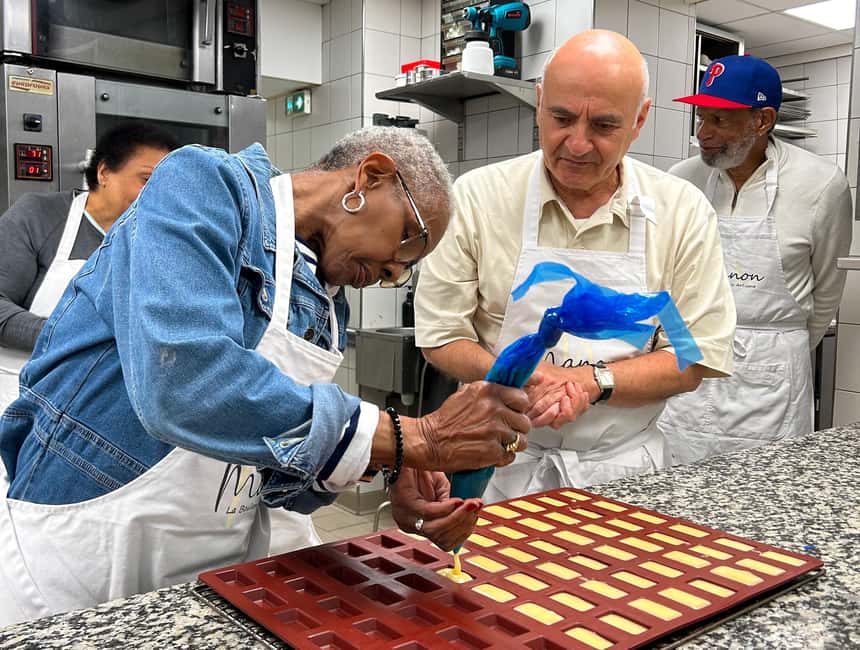
The exact flow can vary a bit by bakery and schedule, but the structure is consistent: bread-making technique first, then pastry and lamination-style dough work, with guidance throughout.
Your warm-up: learn what French dough should feel like
Before anyone asks you to shape anything complicated, you’ll get the “feel” basics—how dough changes as you mix and handle it, and how bakers read dough texture in real time. This is where you learn why French bread isn’t just flour + water + time. It’s flour choice, fermentation, and technique all working together.
Bread and shaping: baguette know-how you can repeat later
You’ll practice dough handling and baguette-shaping techniques, plus guidance on how to differentiate one baguette from another. The goal is not perfection on your first try—it’s understanding what bakers look for: tension, form, scoring readiness, and the point at which the dough is ready for what comes next.
If you want a souvenir skill (not just a full bag), this is the piece that pays off later at home. Even if you never make baguettes like the pros, you’ll know how shaping changes the final loaf.
Croissant dough fundamentals: lamination made teachable
Croissants have a reputation for being fussy. Here, you’ll learn the difference between laminated dough and other dough types, and you’ll work on the kind of rolling and folding technique that creates layers. You won’t just be told the steps; you’ll be guided through the mechanics so you understand what lamination actually does.
Some classes focus more on shaping croissant dough than fully baking it on-site, depending on timing. Either way, you’ll walk away with real technique knowledge—why the layers matter and what can go wrong if your dough handling is off.





French pastries: how pastry class fits into a bread session
Alongside bread and croissant dough, you’ll also craft French pastries using traditional techniques. Based on what people have reported from their sessions, pastries can include items like financiers and other small baked goods, depending on the day and what the bakery is producing.
This part is important for value: you’re not only learning one lane (bread). You’re learning how French baking families share techniques while producing very different textures and flavors.
The Skills That Make the Difference: Flour, Yeast, and Sourdough Logic
One of the most useful parts of this class is that it doesn’t treat ingredients like trivia. You’ll learn the differences among bread flours, how yeast behaves, and how sourdough changes fermentation and flavor.
Here’s why this matters for you: once you understand what changes in the fermentation process, you can stop copying recipes blindly. You’ll be better at troubleshooting at home. If your dough feels sluggish or your crust isn’t developing, you’ll have a framework for what to adjust next time.
You’ll also hear practical context for why bakers in Paris chase consistency in dough performance. That’s a big deal if you’ve ever tried a “French bread” recipe at home and wondered why your results didn’t match the bakery.
Tastings Along the Way: Why You Taste During the Work
You’ll do tastings throughout the experience, not just at the end. That’s more than a perk. It’s how you connect technique to outcome.
When you taste sweet and savory samples while you’re actively working, you start noticing patterns faster:
- How fermentation shows up in aroma and flavor depth
- How shaping and proofing relate to structure
- How pastry texture differs from bread even when ingredients overlap
If you love eating while learning, this format works. It also helps you remember the “why,” not just the “what.”
Meet the Bakers: What the Guides Bring to the Kitchen
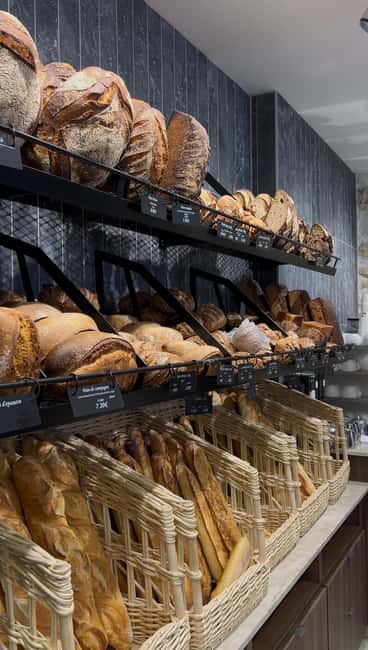
The class lives or dies by instruction quality, and the guide names that show up in past groups are a strong hint you’ll be in capable hands. People have had instructors including Priya, Salome, Pierre, Martin, David, Clara, Nisha, Igor, Valentina, and Jessica.
What stands out in the feedback is the mix of teaching and humor: guides take time with beginners, but they also slow down enough that experienced cooks aren’t left bored. You’ll get explanations in English, plus the kind of hands-on corrections that only happen when a baker watches you work in real time.
And because it’s a small group, you’re not just asking questions into the air—you’re making dough, then getting feedback tied directly to your dough.
What You’ll Leave With: Bread Bags, Pastry Packs, and Timing Reality
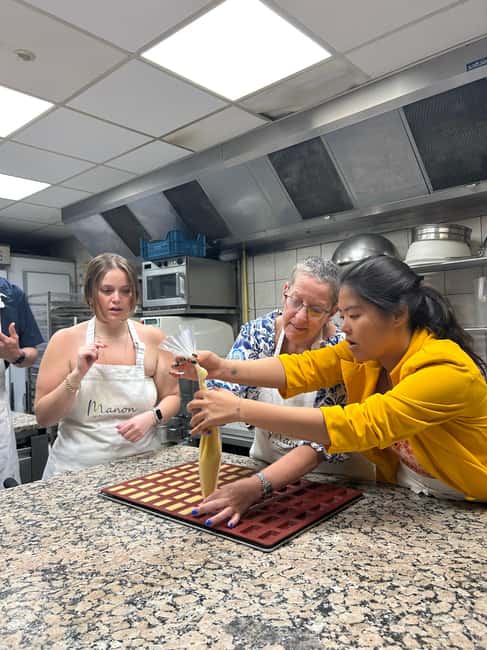
Many classes like this promise you’ll go home with your creations, and this one does lean in that direction. Reviews frequently mention leaving with a bag full of bread items and other baked goods you worked on.
Still, be smart about timing. Croissants are proof-and-bake sensitive, and some sessions may not finish croissants fully for take-home, depending on how the bakery schedules baking and how long dough needs to rest. You might roll or shape croissant dough and then bake or take other items that fit the session better.
Practical tip: if you’re planning a long walk or an early dinner right after the class, keep your schedule loose enough for a few warm-up bites and proper packing. Fresh bread and pastries are fragile in transit, even when they’re delicious.
Price and Value: Is $106 Worth Two Hours of Baking?
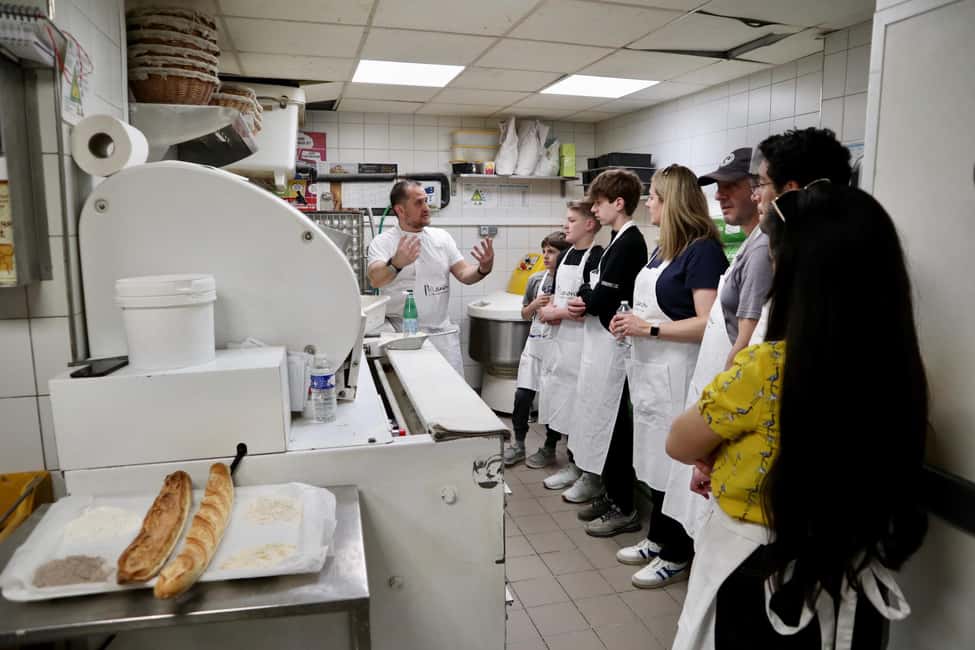
At $106 per person for 2 hours, you’re paying for three things that often cost extra if you do them separately: expert instruction, a working bakery setting, and small-group attention (max 8).
In plain terms, you’re not just buying a tasting. You’re paying for:
- hands-on technique coaching with a real baker
- a structured lesson that covers multiple core skills (bread, lamination basics, shaping)
- tastings to connect what you’re doing to the finished result
- snacks during the class
If you enjoy learning skills you can repeat—especially dough handling—this price usually feels fair. If you only want a quick food sample, you could probably find cheaper food tours. But for real baking education in Paris, you’re getting a concentrated experience in a short time.
Who This Class Fits Best (and Who Might Skip It)
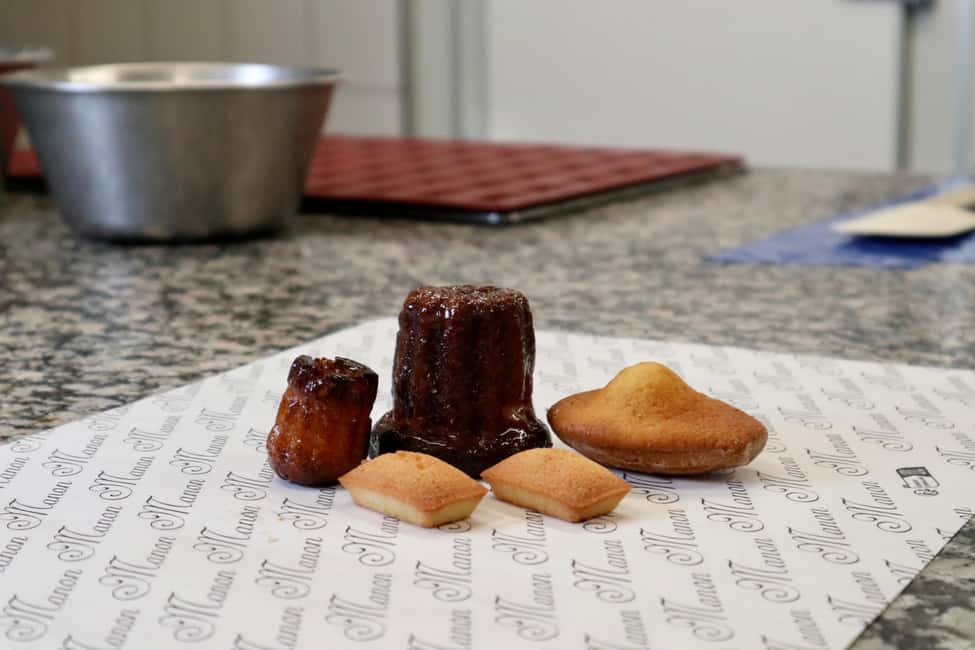
This works best if you:
- want a hands-on skill you can use at home
- like bread and pastries and want to understand the differences between methods
- prefer small-group experiences with personal coaching
It’s also family-friendly in the broader sense: children can attend with an adult. But kids under 5 can’t take part in the hands-on baking due to safety concerns. And because you’ll be climbing 15 steps to a 2nd-floor bakery and standing for an extended period, it’s not a good match if mobility is limited.
How to Prepare for the Day So You Enjoy It More
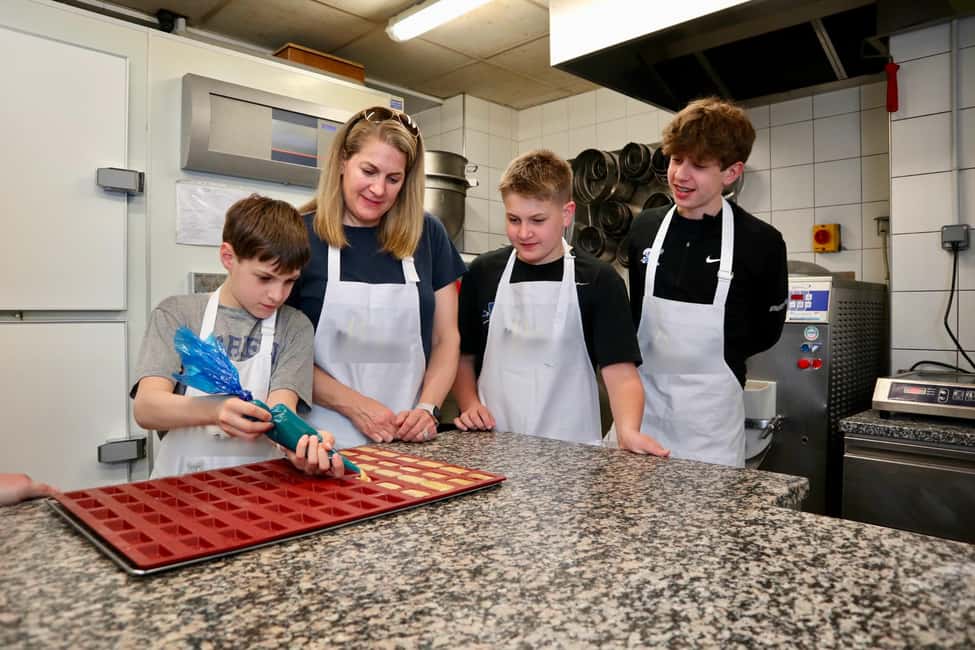
You’ll have the best time if you treat this like a cooking class, not a museum stop.
Wear comfortable shoes for standing and moving between workstations. Expect a real bakery environment—active ovens, flour in the air, and hands-on work. Come hungry enough for tastings, because the lesson ends with a bag of bread and pastry energy, and you’ll be tempted to snack on the spot.
Should You Book It?
Book this if you want more than a French food photo. You’re here for technique: bread handling, dough differences, and lamination fundamentals, all taught in a working Paris bakery setting with a small-group cap of 8 and English guidance.
I’d skip it if stairs and standing are tough for you, or if you’re traveling with very young kids who need hands-on participation. Also, if croissants are the only goal and you need them fully baked and take-home for sure, plan your expectations—some sessions may focus on shaping and timing more than packaging every item.
If you’re flexible, curious, and ready to get flour on your sleeves, this is one of the most satisfying ways to spend 2 hours in Paris—because you leave with both knowledge and bread.
FAQ
How long is the Paris baking insider experience?
It lasts 2 hours.
What is the group size?
The group is limited to a maximum of 8 participants.
Is the tour guide available in English?
Yes, the live tour guide speaks English.
What kind of baking will I learn?
You’ll learn authentic French baking techniques, including bread-making and croissant dough work, plus crafting French pastries using traditional methods.
Do I get tastings during the class?
Yes. There are snacks and tastings included along the way.
Can children participate?
Children are allowed but must be accompanied by an adult. Kids under age 5 can join for free, but they won’t be able to participate in the hands-on baking experience for safety reasons.
Is the experience suitable for wheelchair users?
No, it is not suitable for wheelchair users.
Is it hard to reach the bakery?
You need to be able to stand for an extended period. There are 15 steps to reach the bakery on the 2nd floor with no elevator.
What is the cancellation policy?
You can cancel up to 24 hours in advance for a full refund.
Can I pay later?
Yes. You can reserve now and pay later.