REVIEW · BORDEAUX
Introduction to Bordeaux wines paired with cheeses & charcuterie
Book on Viator →Operated by Olala Bordeaux · Bookable on Viator
Bordeaux wine plus cheese is a smart shortcut. This 1-hour class blends a wine bar vibe with a real step-by-step tasting lesson, right in central Bordeaux. I especially liked the three-wine format and the way the food board makes the tasting feel practical instead of academic. One thing to watch for: while English is offered, at least one session has run in French, so a translation app can save you.
The session starts with a white wine tasting method you can use later at any shop or bar. Then you’ll move to two reds that compare Left Bank vs Right Bank, including a Bordeaux grand cru, so you leave with a clearer mental map of the region. My main caution is timing: with only about an hour, it moves briskly, so ask questions early if you want the most out of it.
In This Review
- Key reasons this Bordeaux tasting works
- Bordeaux Wine, Cheese, and Charcuterie: What This 1-Hour Workshop Really Gives You
- The vibe: like a wine bar, with a lesson plan
- What you’re learning (and why it’s useful)
- Where You Meet: Central Bordeaux at 2ter Rue Mably, Near the Grand Théâtre
- Timing that fits a late afternoon plan
- Step 1: Start With White Wine and a Real Tasting Method
- What you should do during this first pour
- A practical tip: take tiny notes
- Step 2: Cheese and Charcuterie Pairings That Teach by Doing
- How the pairing helps your brain
- Keep an eye on matching intensity
- Step 3: Two Bordeaux Reds That Explain the Big Regional Split
- Left Bank vs Right Bank, in plain terms
- Why including a grand cru is smart (even if you’re a beginner)
- The pairing keeps you from forgetting the lesson
- How the Expert Teaching Actually Helps (Not Just What You Taste)
- You get explanations while you taste
- Language note: English is offered, but you should plan for surprises
- Group Size, Attention, and Why This Doesn’t Feel Like a Factory Tour
- A note on pacing
- Comfort matters on hot days
- Price and Value: Is $35.09 Worth It for Three Tastings and a Food Board?
- Who gets the best value
- Where This Class Fits in Your Bordeaux Itinerary
- If you’re doing wine tours already
- If you’re mostly sightseeing
- If you’re traveling with friends
- Practical Tips Before You Go
- Should You Book This Bordeaux Wine-and-Cheese Class?
Key reasons this Bordeaux tasting works
- Three tastings in one hour: a white tasting lesson, then two reds that explain Bordeaux styles fast
- Cheeses and charcuterie included: no extra charge for the food board, plus fresh baguette is available
- Left Bank vs Right Bank contrast: Médoc vs Libournais is explained through what’s in your glass
- Small group size (max 12): a more relaxed workshop feel than big group tours
- Local expert guidance: you get answers on terroir, grape varieties, and appellations as you go
- A private-tasting style setup: the format is built for individual attention, not a rushed lecture
Bordeaux Wine, Cheese, and Charcuterie: What This 1-Hour Workshop Really Gives You
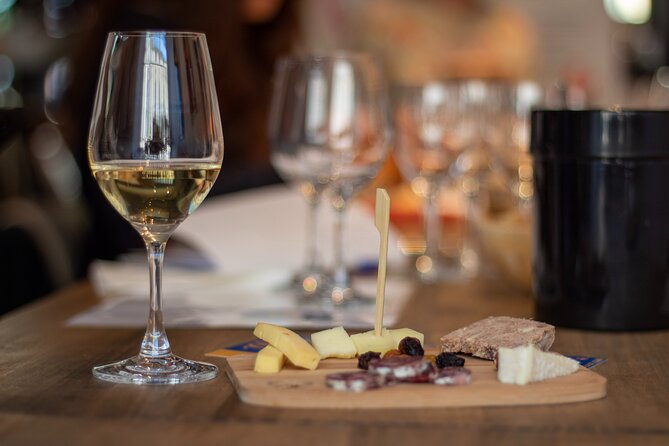
If you’re short on time in Bordeaux, this kind of tasting is a cheat code. You get structured learning and actual sipping, with local cheese and charcuterie doing the job of turning theory into flavor.
I love that the experience is set up like a hands-on workshop, not a formal classroom. You also get a simple, repeatable tasting method, which means you can shop and order better once you’re back on your own.
You can also read our reviews of more wine tours in Bordeaux

The vibe: like a wine bar, with a lesson plan
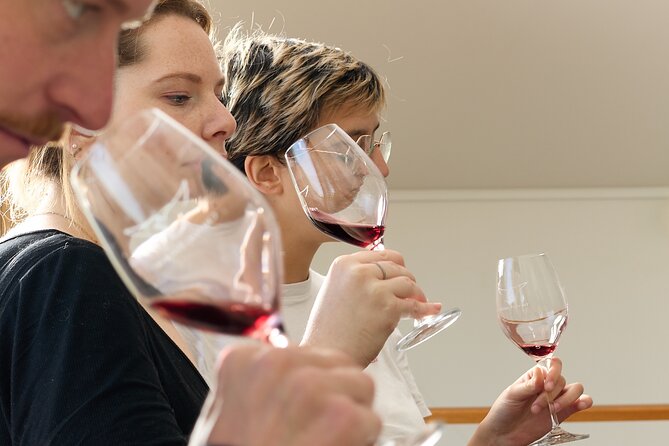
The setting is described as being between a wine bar atmosphere and an oenology course. That matters. It usually means you can relax, taste, and still get guided instructions on what to notice in wine.
And because the group is capped at 12 people, it tends to feel conversational. You can ask follow-ups without shouting across a room.
What you’re learning (and why it’s useful)
This isn’t just “try a wine, it tastes like fruit.” You’re taught basic notions including terroir, grape varieties, and appellation. That trio is the backbone of Bordeaux, so it’s a strong foundation for future tastings.
Even if you already know a bit, you’ll likely appreciate the structure. Even if you’re new, you won’t be left behind; the expert is set up to adapt whether you’re starting from zero or not.
Where You Meet: Central Bordeaux at 2ter Rue Mably, Near the Grand Théâtre
The meeting point is 2ter Rue Mably, 33000 Bordeaux. It’s also positioned very close to the Grand Théâtre, described as about two steps away, which is a big plus if you’re walking around town anyway.
Why I think that location matters: Bordeaux is pretty walkable, but it’s also easy to waste time crossing streets or hunting for a side address. Here, you can build the tasting into your day without reorganizing your whole itinerary.
Timing that fits a late afternoon plan
The start time is 2:30 pm and the activity ends back at the meeting point. The session is listed at about 1 hour, which makes it a good fit between sightseeing blocks.
Also, an “approximate” duration usually means you’re not trapped for an entire afternoon. You get focused time, then you’re free to continue exploring.
Step 1: Start With White Wine and a Real Tasting Method
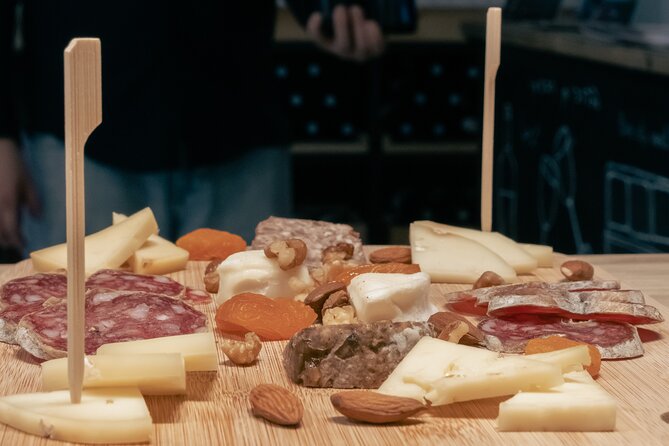
Your tasting begins with a first glass of white wine. The point isn’t just the flavor. It’s the method.
The workshop explains key steps of tasting using a universal approach used in the wine industry. That’s helpful because it gives you a consistent checklist: smell, taste, and then try to name what you notice without overthinking it.
What you should do during this first pour
Don’t rush past this stage. The white is basically your training wheels. You learn the order of operations, how to pay attention, and how the expert frames aromas and taste sensations.
If you’re new, you’ll benefit from letting the guide slow you down. If you’ve tasted before, you’ll likely appreciate the “how to talk about wine” part—because that’s what makes recommendations easier later.
A practical tip: take tiny notes
You aren’t required to, but I recommend it. In one hour, you’ll taste multiple wines. Jot down two or three words after each sip (acidity, fruit, wood, etc.). After the class, those notes make it way easier to pick bottles the next day.
Step 2: Cheese and Charcuterie Pairings That Teach by Doing
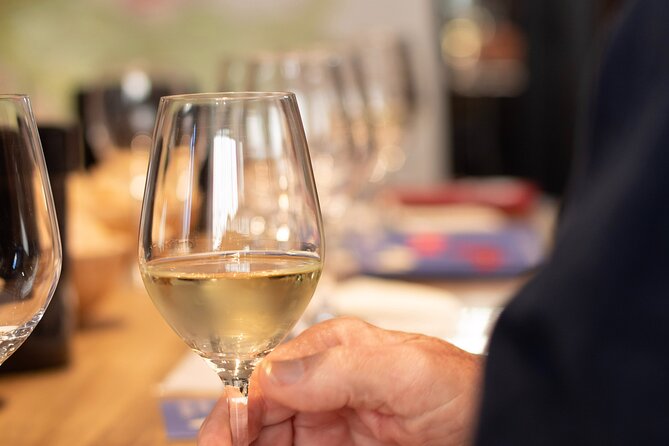
Charcuterie is served as part of the experience, and it’s included with no extra charge. You’ll get an assortment of local cheeses and cold cuts, plus fresh baguette bread available on site.
This is one of the strongest parts of the experience because wine and food are linked in a way that’s hard to learn just from talk.
How the pairing helps your brain
When food is on the table, you start noticing things like:
- how salt and fat change the way a wine tastes
- how acidity can cut through richer flavors
- how texture matters as much as flavor
Even if you don’t have fancy wine vocabulary, you can still understand pairing logic. You’ll taste it.
Keep an eye on matching intensity
The wines are different styles, and the cheeses/charcuterie aren’t a random snack pile. If a pairing feels “too much” (too salty with a light wine, for example), that’s actually useful information. It’s part of learning what Bordeaux is doing and what your personal palate prefers.
Also, one review specifically mentioned the host accommodating a food allergy. That’s not a promise for every case, but it tells you it’s worth mentioning your needs when you book so the team can help if possible.
Step 3: Two Bordeaux Reds That Explain the Big Regional Split
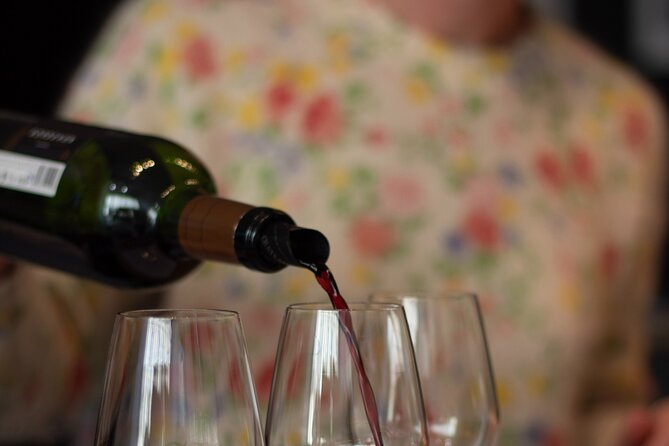
After the white tasting, you’ll taste two fine wines. One is from the Left Bank, the other from the Right Bank. Among them, one wine is a Bordeaux grand cru.
This is where the class really earns its name. Bordeaux can feel confusing because it’s not just “red wine.” It’s region, soil, grape style, and winemaking tradition—working together.
Left Bank vs Right Bank, in plain terms
The workshop is designed to help you understand the major red wine regions in Bordeaux: Médoc (Left Bank) and Libournais (Right Bank).
You don’t need to memorize anything. The idea is that you taste the contrast and then connect it to what you learned about appellations and terroir.
Why including a grand cru is smart (even if you’re a beginner)
A Bordeaux grand cru can sound intimidating, but the class is built to make it approachable. If you taste one early, you get a baseline for what “top end” looks like in that regional style.
If you’re planning to buy bottles later, this matters. You’ll know what you’re reaching for, not just what the label claims.
The pairing keeps you from forgetting the lesson
By pairing reds with local cheese and charcuterie, you get a built-in reference point. The food doesn’t just add enjoyment. It helps your palate notice structure: fruit expression, tannin feel, and balance.
How the Expert Teaching Actually Helps (Not Just What You Taste)
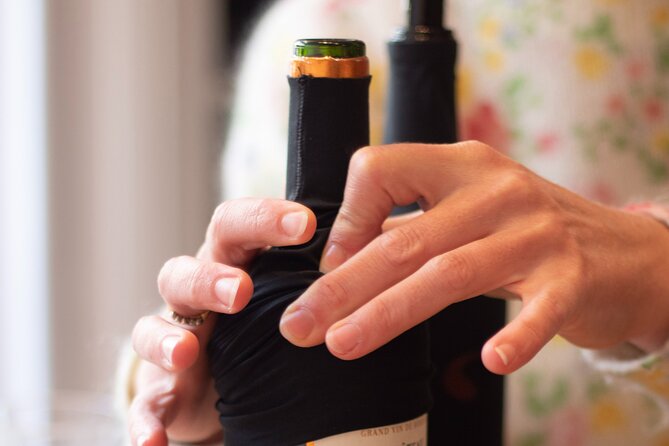
This workshop is guided by a local wine expert. The format includes informative leaflets and water, plus “animation by a wine expert,” meaning the host is expected to actively guide the session.
You get explanations while you taste
One of the most praised parts is how the hosts manage to teach without turning it into a lecture. The best sessions keep you talking, asking questions, and tasting in short cycles.
If you’re the type who wants to understand what you’re drinking, this is a good match. If you just want to have fun, it stays approachable.
Language note: English is offered, but you should plan for surprises
English is listed as the offered language, but one experience included French delivery even though the English filter was selected. The facilitator still tried to include English, and a translation app helped.
So here’s my practical advice: if your French is limited, plan to use a translation app and don’t be shy about asking simple questions in English. In a small group, it’s easier for the host to adapt on the fly.
Group Size, Attention, and Why This Doesn’t Feel Like a Factory Tour
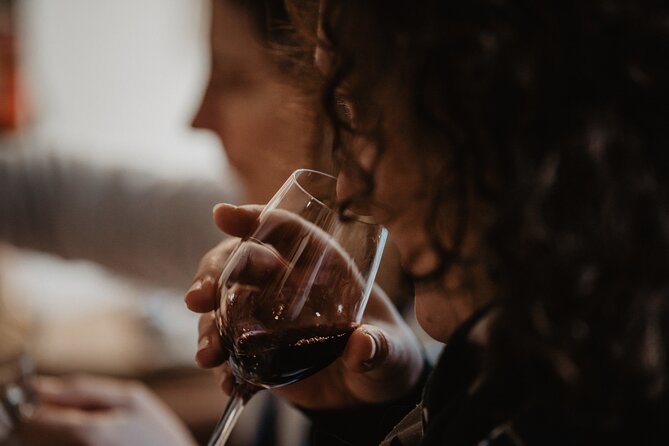
The experience has a maximum of 12 travelers, and it’s positioned as a private tasting style, which is supposed to mean you get individual attention.
That combination matters. In a small group, you’re more likely to:
- get your question answered directly
- hear the tasting tips even if you’re not in the front
- feel comfortable making mistakes
A note on pacing
A couple of reviews pointed out the session can feel a bit rushed, especially if you arrive with lots of questions. With a 1-hour structure, the host has to cover the method, three tastings, and the food pairing.
My suggestion: come with one or two priorities, like learning how Bordeaux differs by region, or figuring out what to buy after. Then ask your main question early.
Comfort matters on hot days
One review mentioned it was uncomfortable on a very hot day, though fans were provided. If you’re visiting in summer, consider dressing in light layers. You’ll enjoy the tasting more if you’re not sweating through the experience.
Price and Value: Is $35.09 Worth It for Three Tastings and a Food Board?
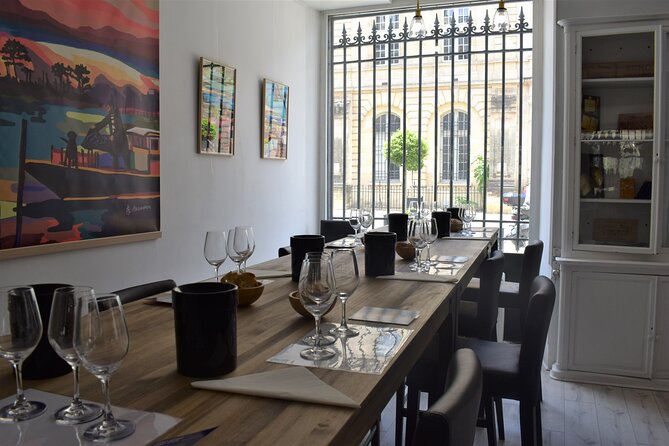
At $35.09 per person, the value comes from what’s included, not just the price tag. You get:
- 3 wine tastings (white + 2 reds)
- a snacks board of cheeses and cold cuts
- water
- informative leaflets
- animation by a wine expert
For me, that checks the key “tour math” boxes: enough tastings to learn something real, enough food to make pairing meaningful, and enough structure to remember what you learned afterward.
Who gets the best value
This tends to work best if you:
- want a guided introduction without booking a long day out of the city
- like learning as you taste
- want a clear next step for wine shopping in Bordeaux
If you already know Bordeaux inside out, you might find it more basic than a deep technical tasting. Still, the Left Bank vs Right Bank comparison with a grand cru can be useful even for enthusiasts.
Where This Class Fits in Your Bordeaux Itinerary
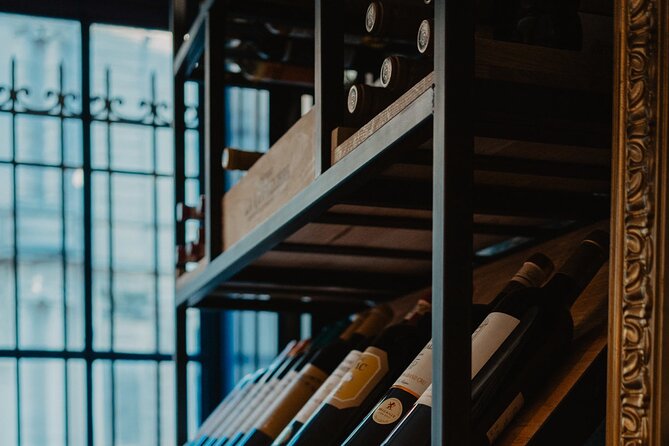
I’d place this early-ish in your trip, if you can. After this tasting, your brain starts sorting Bordeaux by style and region, not just by label.
If you’re doing wine tours already
This class works as the “orientation stop.” It helps you understand what you’ll see later, whether you do tastings, vineyards, or bottle shopping.
If you’re mostly sightseeing
It also fits well when your schedule is tight. Central Bordeaux makes it easy to combine this with other walking stops. The meeting point near the Grand Théâtre helps.
If you’re traveling with friends
Because it’s small-group and interactive, it’s a solid social experience. You’ll hear different questions and different preferences, which makes the tasting more fun.
Practical Tips Before You Go
Here are a few small things that make the hour smoother.
- Plan to arrive a few minutes early so you can settle before tasting starts.
- Bring your curiosity. The host is there to answer questions about terroir, grape varieties, and appellations.
- If language is a concern, have a translation app ready. One session ran in French for an English request, but English support was attempted.
- If you have dietary needs or allergies, mention them when booking so the team can try to accommodate.
Also, since the experience depends on good weather, check close to the day of your plan. If the weather doesn’t cooperate, you’ll be offered another date or a full refund.
Should You Book This Bordeaux Wine-and-Cheese Class?
Book it if you want a fast, friendly way to understand Bordeaux wines without getting lost. The mix of three tastings, cheese and charcuterie, and a guided comparison of Left Bank and Right Bank is exactly what you need if you’re short on time but still want real learning.
Skip it only if you’re already confident with Bordeaux region styles and tasting techniques, and you’re looking for a longer, deeper technical format. Otherwise, this is one of the easiest ways to get your bearings fast and leave with better bottle instincts.
If you can, reserve ahead. This class is often booked around 15 days in advance, and the small group size means availability can tighten.