REVIEW · ALBERT
From Paris: Somme WWI Battlefields & Memorials Private Day
Book on GetYourGuide →Operated by OK Tours France · Bookable on GetYourGuide
The Lochnagar Crater is the unforgettable centerpiece here: a huge hollow blasted into the Somme earth by an explosive charge secretly planted beneath German lines in 1916. This private 11-hour trip also brings you to preserved trenches, military cemeteries, a first-rate war museum, and the great cathedral at Amiens.
I like the private format, which gives Yasser room to adjust the pace and explain how the war affected local people. I also like the mix of sites: the crater and memorials carry emotional weight, while the museum adds uniforms, artillery, posters, and personal objects that make the story more human.
The main drawback is the long day. You leave Paris for the Somme and return the same evening, with no lunch included. The sites are spread out, and this is not a good choice for anyone with mobility impairments.
In This Review
- Key points to know before booking
- Why this Somme day trip works from Paris
- Lochnagar Crater and the power beneath the ground
- Walking the trenches at Beaumont-Hamel
- Péronne and the Great War Museum
- The Australian National Memorial at Villers-Bretonneux
- Amiens Cathedral changes the rhythm
- How the private guide affects the experience
- The pace, walking, and practical tradeoffs
- Who will get the most from this experience
- Is $754 a fair price?
- Should you book the Somme battlefield day?
- FAQ
- How long does the Somme battlefield tour last?
- What sites are included?
- Is hotel pickup and drop-off included?
- Is lunch included in the price?
- How many people can join the private group?
- What languages are available?
- Is the tour suitable for someone with mobility impairments?
- Can I cancel the booking?
Key points to know before booking
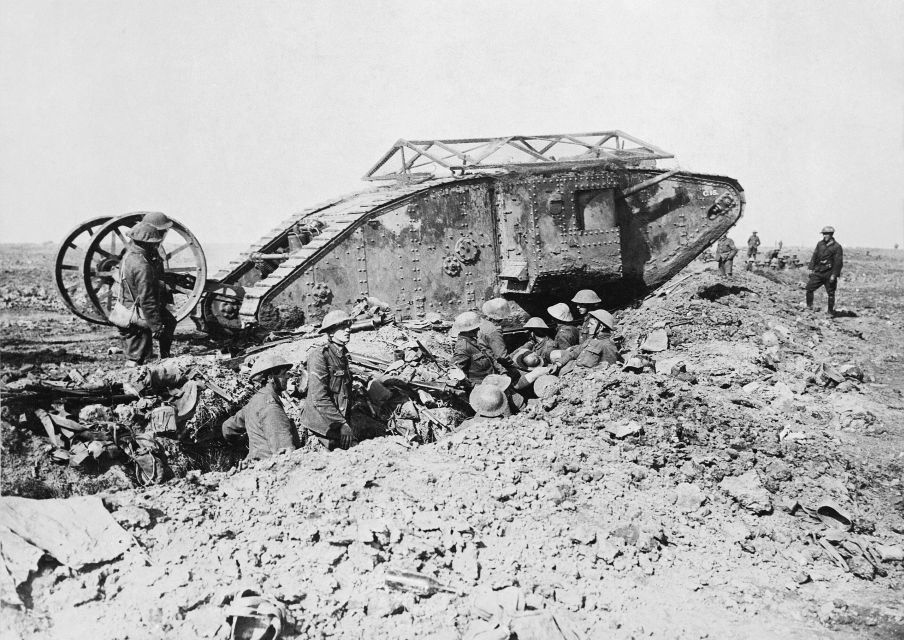
- Lochnagar Crater is the day’s most striking stop: its size makes the force of the underground blast easy to grasp.
- The Newfoundland Memorial lets you walk through original First World War trenches, not just view a monument from a distance.
- Yasser offers local context and flexible pacing, including help ordering lunch at a restaurant in Péronne.
- The Great War Museum in Péronne fills in the human details with uniforms, weapons, posters, artillery, and soldiers’ belongings.
- The Australian National Memorial at Villers-Bretonneux adds a powerful Australian connection to the Somme story.
- Amiens Cathedral gives the day a change of mood, with 13th-century Gothic architecture after hours spent with wartime sites.
Why this Somme day trip works from Paris
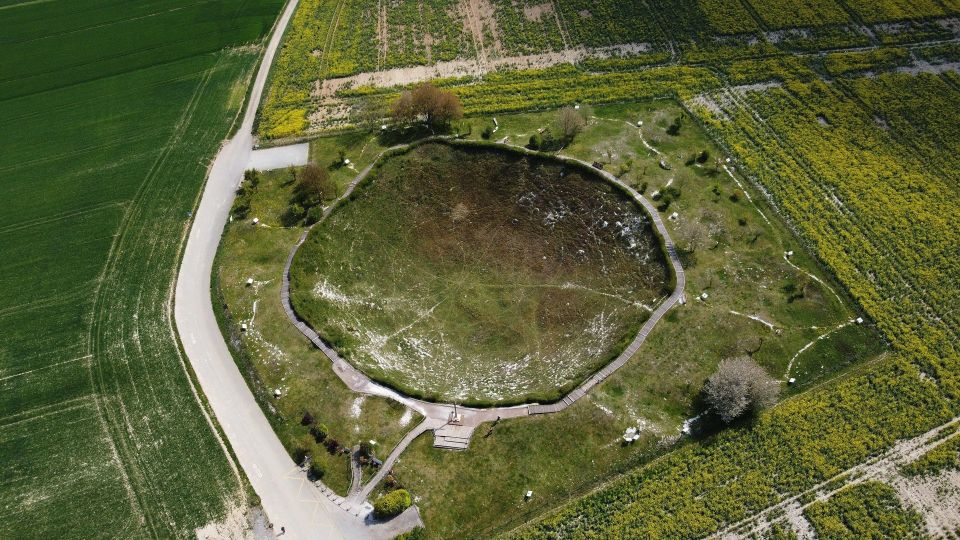
Paris is full of grand buildings, cafés, and polished boulevards. The Somme offers something much quieter and harder to absorb: fields marked by cemeteries, memorials, trenches, and the remains of a battle that shaped families across several countries.
This private outing is designed for up to three people and costs $754 per group. That price is not cheap for a day trip, but it covers a very long private day with hotel pickup and drop-off, a guide, and museum admission. For two or three people sharing the cost, the value is easier to justify than it is for a solo visitor.
You spend about 11 hours on the experience, so the private setup matters. A larger coach trip would likely be less personal and less flexible. Here, Yasser can adjust the pace to suit your interests. One couple found that useful because they did not feel rushed, while another appreciated his help with local food and French menus.
The tour is offered in English or French. If you want a guide who can explain the military story while also talking about its effect on local communities, Yasser is the named guide praised most strongly by the people who booked this experience. His role is especially useful at places where a crater or row of graves can otherwise leave you unsure how to read what you are seeing.
Lochnagar Crater and the power beneath the ground
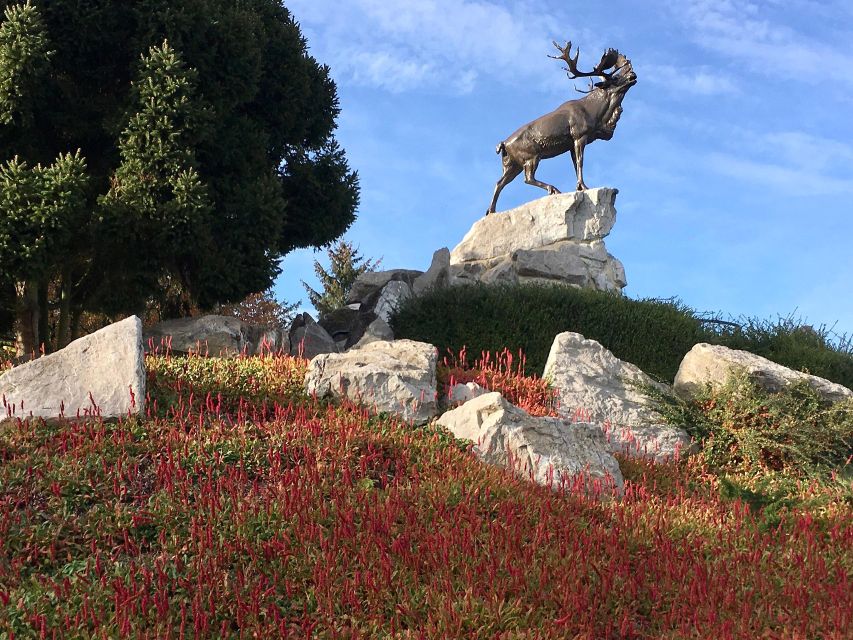
The first major stop is Lochnagar Crater, created by an underground mine explosion. The charge was secretly placed below the German front line, and the resulting crater remains immense.
You do not need a long military lecture to understand the force of this place. Seeing the wide depression in the earth gives the battle a physical scale that photographs rarely provide. It also helps explain why the Somme is not simply a collection of memorials. The ground itself was altered by the fighting.
I would give this stop your full attention. The crater is not an attraction in the usual sense, and the experience is quiet and serious. You are there to understand the damage caused by industrial warfare and to remember the people who fought around it.
The site can also be emotionally heavy. If you prefer a trip built around light sightseeing and quick photo stops, this day may feel demanding. The crater is most valuable when you allow time to look, listen, and ask questions rather than rushing on.
Walking the trenches at Beaumont-Hamel
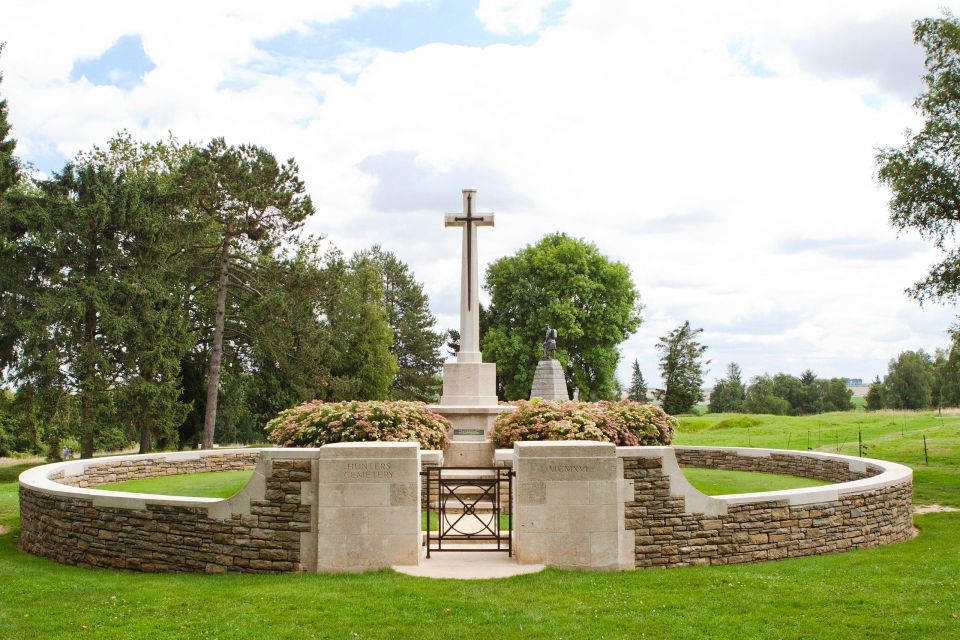
At the Beaumont-Hamel Newfoundland Memorial, you can walk in preserved First World War trenches. This is one of the strongest parts of the tour because it changes your view from a distant monument to a place with shape, depth, and confined space.
A trench is easier to understand when you are standing inside it. You can see how narrow the passage feels and how little room soldiers had to move. The memorial honors the Newfoundland Regiment, giving this stop a clear national connection as well as a wider connection to the Somme campaign.
I like the way this visit balances the open space of Lochnagar Crater. At the crater, the blast dominates your thoughts. At Beaumont-Hamel, the trenches bring you closer to the daily conditions faced by soldiers.
Wear practical shoes and expect walking outdoors. The activity information says the tour is not suitable for people with mobility impairments, so anyone with difficulty walking should take that warning seriously. There is no reason to treat the day as a casual hop between indoor attractions.
Péronne and the Great War Museum
The Grande Guerre Museum in Péronne gives the day its broadest collection of objects. You can see uniforms, artillery, war posters, and personal items belonging to soldiers. These details matter because they move the story away from dates and battle plans.
A uniform can show how people were equipped. A poster can reveal how governments presented the war. A personal object can remind you that each soldier was an individual with a life beyond the battlefield. I find this sort of museum especially useful after visiting the outdoor sites because it gives names, objects, and daily life to the places you have just seen.
Museum admission is included, and the tour offers skip-the-ticket-line access. That is a small but practical advantage on a tightly scheduled day. You can spend your time with the exhibits rather than dealing with an additional ticket queue.
Péronne is also the point where lunch can fit naturally into the day, though lunch itself is not included. Yasser has suggested a local French restaurant and helped with ordering from the menu. That kind of assistance can make a difference if your French is limited, while still leaving you free to enjoy the meal with local people.
Budget for lunch separately. Since no restaurant is included in the price, you have less certainty about the final cost, but you also avoid being tied to a fixed group menu.
The Australian National Memorial at Villers-Bretonneux
The Australian National Memorial near Villers-Bretonneux is another major stop. It gives the tour a distinct Australian focus within the wider Somme story and offers a place to pay respects to those who died.
Memorial visits can blur together on a long day, so the national identity here helps give the stop a clear purpose. If you have family ties to Australia, this may be one of the most important places on the route. Even without that connection, the memorial shows how far the effects of the war reached beyond France.
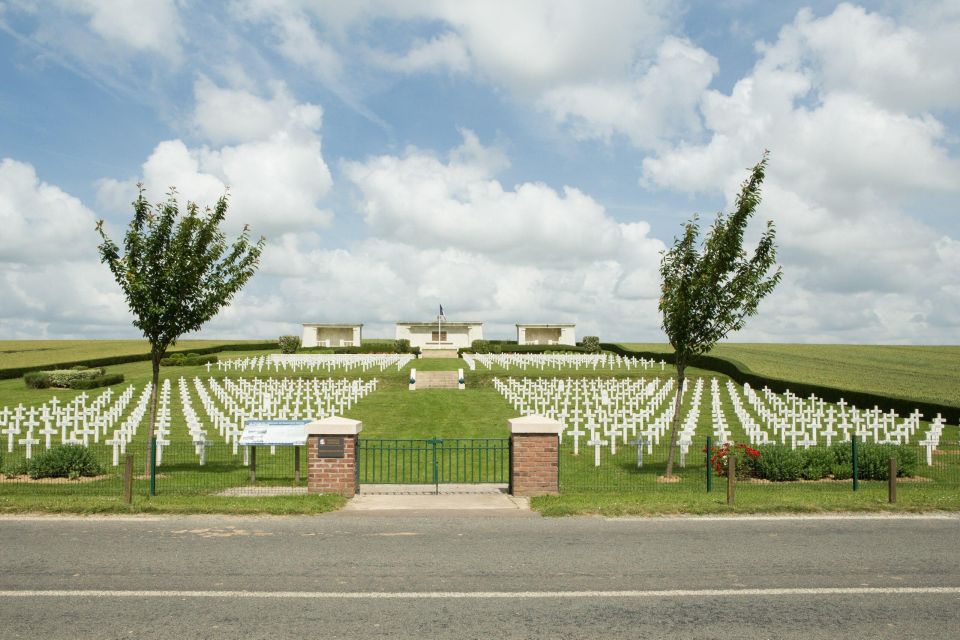
The tone is naturally quiet. Row after row of graves and carefully maintained memorial grounds ask for patience rather than entertainment. You should expect to spend time walking, reading, and reflecting.
This stop was singled out as a highlight by one couple, along with Lochnagar. That pairing makes sense. Lochnagar shows the destructive force of the battle, while the Australian memorial brings your attention back to the individual lives lost.
Amiens Cathedral changes the rhythm
The final major stop is Notre-Dame d’Amiens, a 13th-century cathedral described as the largest in France. After a day of trenches, craters, graves, and military collections, the cathedral offers a sharp change in mood.
Its value is not only visual. The building reminds you that northern France contains centuries of history beyond the First World War. You move from a story of destruction to an example of medieval design and craftsmanship.
I like ending here because it gives the day a calmer final chapter. You can look around the cathedral before returning to Paris, rather than finishing at a cemetery and carrying that solemn mood through the long ride home.
The stop is still part of an 11-hour schedule, so your time inside will depend on the day’s pace. The private format helps, but you should not expect an extended cathedral tour with unlimited time. The strength of the visit is the contrast it provides.
How the private guide affects the experience
A private group of up to three is a very different proposition from a large battlefield bus. You can ask why a particular memorial is located where it is, request more explanation about the museum, or spend longer at a site that matters to you.
Yasser is praised for explaining both the war and its effect on local people. That local angle is important. The Somme was not only a battlefield for foreign armies. Towns and villages in the region also lived with the fighting, destruction, graves, and long aftermath.
The guide can also make ordinary parts of the day easier. Yasser helped with French menu ordering at lunch, then gave diners space to enjoy their meal. That is a good balance: practical help when needed, without turning the entire day into a nonstop lecture.
The guide language is English or French. If you need another language, this experience is not presented as a suitable choice.
The pace, walking, and practical tradeoffs
This is a full-day outing, not a short excursion. The 11-hour duration includes travel from Paris to the Somme region, visits to several sites, time at Amiens Cathedral, and the return to Paris.
You should expect a mix of outdoor walking and indoor museum time. The trenches, memorial grounds, crater, and cemeteries call for comfortable shoes and clothing suited to the weather. The activity is specifically marked as unsuitable for people with mobility impairments, so consider the uneven and outdoor nature of the route before booking.
Hotel pickup and drop-off are included, which removes one of the day’s biggest practical hassles. You do not need to work out separate connections to the Somme or find your way back after a long day.
Pets are not allowed. Lunch is not included, so plan to pay for your own meal in addition to the tour price. The ability to eat at a local restaurant in Péronne, with help ordering if needed, is a pleasant feature, but it should not be confused with an included meal.
Free cancellation is available up to 24 hours in advance for a full refund, and you can reserve now and pay later. Those terms are useful when your Paris plans may change, though the main decision remains whether you want to devote almost an entire day to wartime history.
Who will get the most from this experience
I would recommend this tour to you if you have a serious interest in the First World War, military memorials, genealogy, or the way war affected French communities. It also suits visitors who want to see a part of France far removed from central Paris without managing several trains and local connections.
The private group works well for couples, families, or a small group of friends. It is particularly useful if one person wants more time at the museum while another prefers the memorials, since the guide can tailor the day within the limits of the route.
You should think twice if you want a relaxed countryside outing. The subject is grave, the schedule is long, and several stops require walking. Amiens Cathedral adds variety, but the day remains centered on war and remembrance.
The rating is 3.9 from six bookings, so the overall score is positive but based on a small number of responses. The detailed praise centers on Yasser’s local knowledge, friendly manner, flexibility, and ability to make the history understandable. Those are the qualities most likely to shape your day.
Is $754 a fair price?
At $754 for a private group of up to three, the price works out differently depending on your party size. Three people sharing the cost pay far less per person than one person booking alone. The included hotel pickup and drop-off are meaningful because the Somme is well beyond the center of Paris and the itinerary covers several separate locations.
Museum admission is included, but lunch is not. You are paying mainly for private transport, a full day of guiding, and the convenience of having the route handled for you. If you already plan to visit the Somme independently, public transport and separate admissions may cost less, but they require more planning and may not connect all these sites easily.
For a small group that values context and ease, I think the price is reasonable. For a solo visitor on a tight budget, it is harder to defend. The strongest value comes from sharing the booking with two other people and making good use of the guide’s flexibility.
Should you book the Somme battlefield day?
Book it if you want a focused, respectful look at the Somme and prefer a private guide over a large group. Lochnagar Crater, the Newfoundland trenches, Péronne’s museum, the Australian memorial, and Amiens Cathedral form a thoughtful mix of outdoor sites, objects, remembrance, and architecture.
I would choose this tour especially if you can share the cost with two companions and want help understanding the sites rather than simply photographing them. Yasser’s local perspective and flexible style are strong reasons to choose the private option.
Skip it if you have limited stamina, dislike solemn historical subjects, or want a slow day with plenty of free time. This is a long and emotionally serious excursion. For the right visitor, though, it offers a meaningful look at northern France that Paris alone cannot provide.
FAQ
How long does the Somme battlefield tour last?
The tour lasts 11 hours, including the journey from Paris, visits in the Somme region, time at Amiens Cathedral, and the return to Paris.
What sites are included?
The itinerary includes Lochnagar Crater, Beaumont-Hamel Newfoundland Memorial, the Great War Museum in Péronne, the Australian National Memorial at Villers-Bretonneux, and Notre-Dame d’Amiens Cathedral.
Is hotel pickup and drop-off included?
Yes. Hotel pickup and drop-off are included in the experience.
Is lunch included in the price?
No. Lunch is not included. A local restaurant in Péronne may be used during the day, and the guide can assist with ordering.
How many people can join the private group?
The price covers a private group of up to three people.
What languages are available?
The host or greeter is available in English or French.
Is the tour suitable for someone with mobility impairments?
No. The experience is listed as unsuitable for people with mobility impairments, and the itinerary includes outdoor walking at trenches, memorials, and cemeteries.
Can I cancel the booking?
Yes. You can cancel up to 24 hours in advance for a full refund. You can also reserve now and pay later.