REVIEW · LE HAVRE
From Le Havre: D-Day Beaches Shore Trip with Packed Lunch
Book on GetYourGuide →Operated by Vexperio · Bookable on GetYourGuide
D-Day hits harder in Normandy. This Le Havre shore excursion works because it’s built for cruise time: easy pier pickup/drop-off and a full guided day at some of the most important WWII ground you can visit in France. I also like that it includes a compassion-first visit to the Normandy American Cemetery, not just a quick photo stop.
One thing to plan for is the day can feel a bit tightly timed at certain stops. If you’re hoping for extra beach time, pay attention to how the schedule prioritizes the cemeteries and the viewpoints along the way, including more time at the German cemetery than some people expected.
If you want an easy walk with no uneven ground, this won’t be that day. It’s a long, moving tour on real terrain, and it’s not set up for wheelchair users or people with mobility issues.
In This Review
- Key things to know before you go
- A cruise-port friendly D-Day day out of Le Havre
- La Cambe German War Cemetery: a quieter start with heavy gravity
- Pointe du Hoc: the Ranger mission in real terrain
- Omaha Beach: walking the landing story and managing expectations
- Normandy American Cemetery: the stop that does not feel like sightseeing
- Lunch that helps you actually enjoy the sites
- The bus plan: how you fit 4 major sites into 9-10 hours
- Price and value: is $147 fair for a cruise shore day?
- Who should book this D-Day shore trip
- Should you book this Le Havre D-Day Beaches Shore Trip?
- FAQ
- What sites are included on the D-Day shore trip from Le Havre?
- How long is the tour?
- Is lunch included?
- Is the tour guided in English?
- What is the meeting point in Le Havre?
- Is the tour wheelchair accessible?
- What should I wear or bring?
Key things to know before you go
- Pier pickup and returns to Le Havre on time: built around cruise ship schedules, so you’re not stressing the clock all day
- Omaha Beach plus Pointe du Hoc: you get both the broad landing story and the dramatic Ranger climb viewpoints
- The cemeteries are the emotional center: white crosses and Stars of David at the American Cemetery, plus reflection time elsewhere
- Packed lunch is included: a homemade baguette sandwich, water, and a small dessert—handy when you’d rather not hunt for food
- Your guide sets the tone: guides like Sam, Ash, Bertrand, Norman, and Raymond are repeatedly praised for pacing and storytelling
A cruise-port friendly D-Day day out of Le Havre
If your ship docks in Le Havre, you usually have two choices for D-Day: try to DIY and hope the timing works, or trust a shore trip that’s designed for cruise passengers. This one is the practical option. You start with pickup right at the port area, then spend the day riding a shared coach between sites with an English/French live guide.
The big win here is the flow. You’re not commuting across Normandy on your own, and the guide keeps the day tied together so the places make sense as one connected story. Expect a long day—about 9 to 10 hours—but it feels like a day of destination stops, not random driving.
Also, the bus ride is part of the show. You’ll get context before you arrive at each place, so when you step out, you’re not just seeing a monument—you’re understanding why that spot mattered.
A few more Le Havre tours and experiences worth a look



La Cambe German War Cemetery: a quieter start with heavy gravity
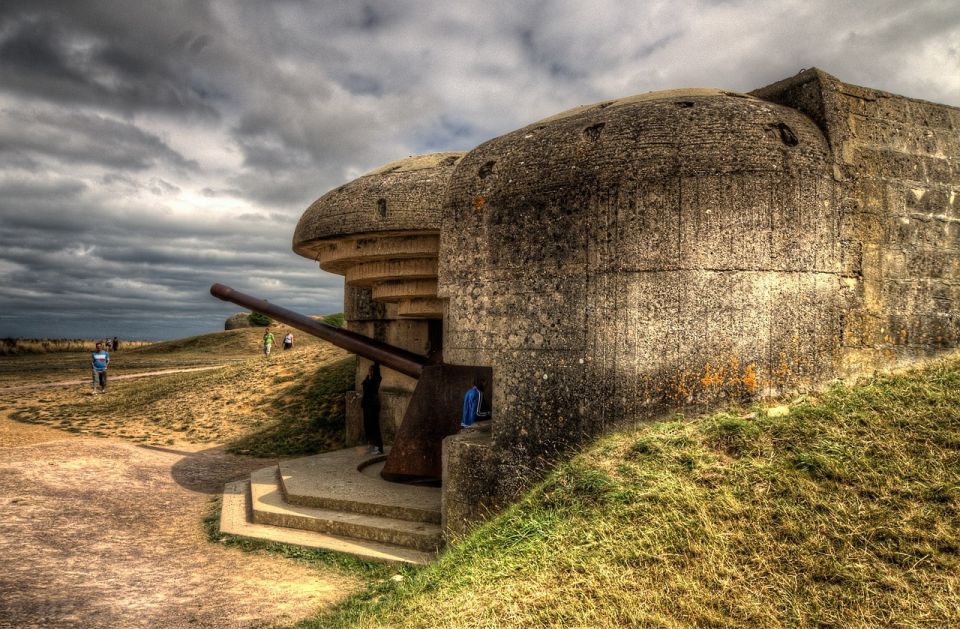
The tour begins with a guided visit to La Cambe German War Cemetery. This is not the stop most people think of first when they hear D-Day, but that’s exactly why it works. It sets an honest tone early: this wasn’t clean or tidy. It was mass loss on both sides, and Normandy remembers it all.
The guided time here gives you room to look and absorb rather than rushing past names. It’s also where you’ll see how WWII history is never just one narrative. The scale of sacrifice lands fast when you’re standing among the graves, and that emotional groundwork makes the later stops hit harder.
One practical consideration: some people feel the cemetery stop can take longer than they’d expected. If you’re the type who wants maximum time at Omaha Beach, it’s worth knowing this schedule starts with a heavier, slower chapter.
Pointe du Hoc: the Ranger mission in real terrain

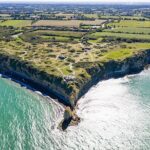
From La Cambe, the day turns dramatic at Pointe du Hoc. This is where the story changes from invasion headlines to a specific mission under intense conditions. You’ll visit viewpoints associated with the daring U.S. Army Ranger action here, where the coastline and cliffs are the clues.
The guide’s job matters at this stop. Pointe du Hoc is not just a pretty lookout—you need the explanation to connect what you see in front of you with what happened there. With the time allotted on site, you can take in the geography, then let the story sharpen it.
Expect a couple of hours here, and expect some walking on uneven ground. Wear shoes with real grip. Also, bring a weather-ready layer—this part of the coast can feel exposed.
Omaha Beach: walking the landing story and managing expectations
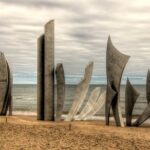
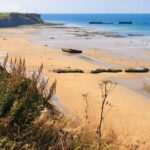
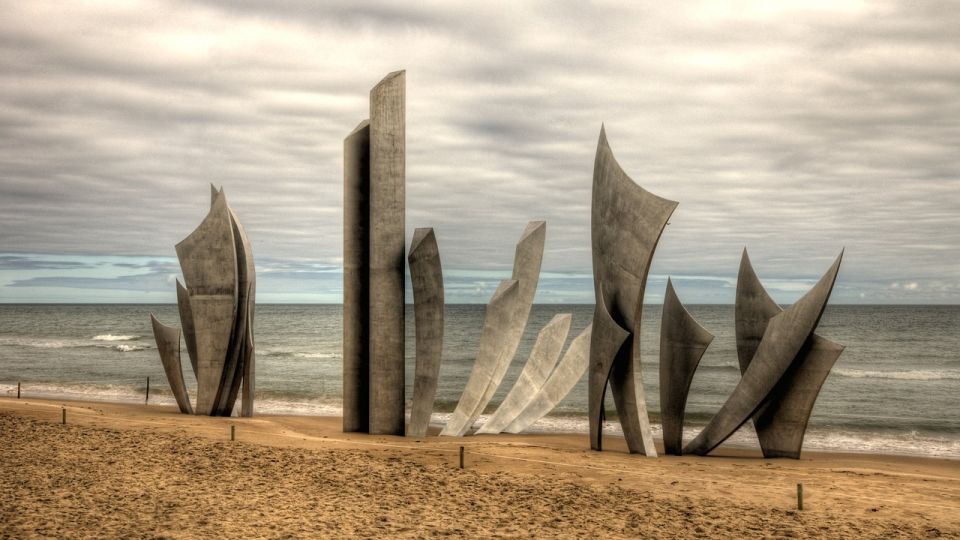
Omaha Beach is the headline stop. This is where the fighting of D-Day unfolded in a way that shaped the entire campaign. On this tour, you get guided time on site so you’re not just staring at sand and seawall remnants—you’re following the logic of the battlefield.
Here’s the reality check: Omaha Beach has changed. You won’t stand in the exact landscape your mind might imagine from movies. So I like approaching it less like a time machine and more like a guided “what happened here” walk. When the guide points out what the terrain meant, the place snaps back into meaning fast.
Some people prefer to spend extra time right on the beach, and others want museum time nearby. This tour aims to cover the major sites without turning into a marathon. If you care deeply about the Omaha area exhibits, decide ahead of time whether you want your own add-on time after the tour day—because once you’re back on the coach, there’s no stretching the schedule.
Normandy American Cemetery: the stop that does not feel like sightseeing
Then comes the emotional center: the Normandy American Cemetery. This is the part many people remember most clearly after the bus is long gone. The American Cemetery is solemn, and it’s designed for reflection. White crosses and Stars of David stand in long, orderly rows—beautiful in the way that only something heartbreaking can be.
The guide’s narrative helps, but you also don’t need the script. Standing there slows you down. You start noticing spacing, names, and how the scale of loss fills the ground.
Two timing notes matter. First, the tour includes a guided visit here that lasts long enough for you to actually absorb it. Second, some guides manage the day so you catch moments tied to the cemetery routine (and in a few cases, that can include flag and music moments). Even if the exact timing varies, the visit itself is built for respect, not quick browsing.
If you’re taking someone who’s never been to a war cemetery, this stop is the one that turns the trip from “history outing” into something personal.





Lunch that helps you actually enjoy the sites
Most D-Day days fall apart when people waste time searching for food. This tour sidesteps that problem with a complimentary homemade packed lunch.
You’ll get a baguette sandwich, water, and a small dessert. In practice, it’s the kind of lunch that’s filling but not heavy, so you can keep walking and listening without feeling wrecked. Some sandwich versions are ham and cheese, and the cookie-style dessert has shown up as part of the included meal too.
The lunch is packed, so you’re not stuck eating at a slow sit-down stop. Still, keep your expectations realistic. In a couple of situations, lunch can be served on a schedule that feels tighter than you’d like, especially if seating is limited or restroom access is shared.
My advice: treat lunch as fuel, eat quickly, and then be ready to move. If your priority is lingering over lunch like a picnic, plan a different food strategy for another day.
The bus plan: how you fit 4 major sites into 9-10 hours
The itinerary is structured to cover four big stops without cutting out the meaning. You’ll ride between locations, with guided tours at La Cambe, Pointe du Hoc, Omaha Beach, and the American Cemetery.
A few practical points from how this kind of day runs:
- Expect a long sit on the coach, then walking breaks at each stop.
- You’ll want to use restroom opportunities when offered, because you’re not moving like public transit every few minutes.
- Some buses can feel cramped on longer stretches, so a bit of flexibility helps.
The good part is the rhythm. The guide keeps transitions smooth, and the overall plan aims to get you back to the cruise terminal with time to spare. That last piece matters. A D-Day shore trip isn’t worth it if you’re sprinting back to catch your ship.
If you’re sensitive to loud announcements, it can help to bring a small backup plan like earplugs for the coach segment. If your trip has a smaller bus, you might feel the vibration more during long rides.
Price and value: is $147 fair for a cruise shore day?
At $147 per person for a 9 to 10 hour guided outing, you’re paying for four things: transportation, live guiding, major-site admission within the program’s flow (no separate ticketing is mentioned as required), and a homemade lunch.
If you try to DIY this route, the math often surprises you. Parking near the sites, rental logistics, and the time it takes to connect points on your own can eat up the day fast. This tour removes that stress by handling pickup, routes, and timing.
The guide is also part of what you’re buying. Places like Pointe du Hoc and Omaha Beach can feel confusing if you arrive with only general knowledge. With an active guide working throughout the day, the experience becomes more like a guided walk through the story rather than a series of monuments.
The one cost-limiting factor is time. The tour covers the core places, but it can’t turn into an all-day museum crawl. If your top priority is spending extra hours at exhibits, you might need to budget for that outside the tour.
For cruise passengers with limited hours in port, I’d call this a fair price for a structured, emotionally meaningful day.
Who should book this D-Day shore trip
This is a smart fit if you:
- Want a guided day focused on Omaha Beach, Pointe du Hoc, and the Normandy American Cemetery
- Prefer a single pickup and return plan rather than figuring everything out alone
- Appreciate a guide who keeps the story moving and flags which parts are solemn versus informational
- Like that you get a homemade packed lunch so you don’t lose time hunting for food
This is not the best fit if you:
- Need wheelchair accessibility or step-free walking (the tour involves walking on uneven surfaces)
- Have very specific goals like spending all day at one museum or one beach area
- Get stressed by tight schedules between stops
If you’re a WW2 history fan, this is exactly the kind of structured tour that turns headlines into real geography. If you’re visiting for personal reasons—family connections, remembrance—this also has the right tone for respect.
Should you book this Le Havre D-Day Beaches Shore Trip?
I’d book it if you want a cruise-friendly, emotionally serious, well-organized D-Day day that hits the major sites without turning into an administrative headache. The combination of guided storytelling, major memorial stops, and an included homemade lunch is the core value here.
I’d hesitate only if you’re extremely time-sensitive about the length of Omaha Beach alone, or if mobility limitations make uneven terrain a deal-breaker. Otherwise, it’s the kind of Normandy day that earns its place on a bucket list.
FAQ
What sites are included on the D-Day shore trip from Le Havre?
The trip includes guided visits to La Cambe German War Cemetery, Pointe du Hoc, Omaha Beach, and the Normandy American Cemetery.
How long is the tour?
It runs about 9 to 10 hours, depending on the starting time and day’s schedule.
Is lunch included?
Yes. You get a complimentary homemade packed lunch with a baguette, water, and a small dessert.
Is the tour guided in English?
The live tour guide is available in English and French.
What is the meeting point in Le Havre?
The meeting point can vary depending on the option booked, including Quai Roger Meunier (APMM).
Is the tour wheelchair accessible?
No. The tour involves walking on uneven surfaces and is not suitable for wheelchair users or people with mobility impairments.
What should I wear or bring?
Bring comfortable shoes and weather-appropriate clothing, since you’ll be walking outdoors and the terrain can be uneven.