REVIEW · AIX EN PROVENCE
From Aix-en-Provence: Châteauneuf du Pape Wineries Day Trip
Book on GetYourGuide →Operated by Ophorus · Bookable on GetYourGuide
Châteauneuf-du-Pape is where famous Rhône wine meets a hilltop village, old papal ruins, and wide views over the valley. The day gives you a useful mix of guided visits and free time, so you are not stuck in a tasting room from morning to afternoon. The two winery appointments are the heart of the outing, while the village adds a welcome change of pace.
I like the small group, capped at eight, and the fact that tasting fees and transport from central Aix-en-Provence are included. I also like the guide-led explanation of grapes and blending, especially if you want more than a series of glasses placed in front of you. The main drawback is simple: lunch is not included, and tastings in France often come without snacks, so eat a good breakfast and carry water.
In This Review
- Key points to know before booking
- Why Châteauneuf-du-Pape makes a good day from Aix
- The 75-minute drive from Aix-en-Provence
- Your first winery visit and the language of Rhône wine
- Two hours in Châteauneuf-du-Pape village
- The second winery and a closer look at production
- What the $187 price means in practical terms
- Who will get the most from this wine day
- The strongest part of the day
- Should you book the Châteauneuf-du-Pape day trip?
- FAQ
- Where does the tour depart from?
- How long does the tour last?
- How many people are in the group?
- Are wine tasting fees included?
- Is lunch included?
- What wines will I taste?
- Is the tour conducted in English?
- Can children join the tour?
- Is the tour wheelchair accessible?
Key points to know before booking
- Two pre-booked tastings: Visit two Châteauneuf-du-Pape wineries, with about 75 minutes at each.
- A real village break: You get two hours for lunch, free time, shopping, and a look at the old village and castle.
- Small-group transport: Ride in a recent minivan with no more than eight participants.
- Strong guide element: Guides such as Justin, Ines, Jehanne, and Julien have led days with clear English and useful regional advice.
- Red and white wines: Expect an introduction to Grenache, Syrah, Mourvèdre, and white Rhône varieties, not only red wine.
- Seasonal timing: The tour runs from April through the end of October and lasts about eight hours.
Why Châteauneuf-du-Pape makes a good day from Aix
Aix-en-Provence has plenty of fine wine country nearby, but Châteauneuf-du-Pape gives you a different setting and a stronger sense of place. The vineyards sit north of Avignon, on a hill above the Rhône Valley, and the village is tied to the Avignon popes of the 14th century.
The wine appellation was among the first six French areas awarded AOC status in 1936. Vine growing began earlier, with Roman planting followed by major development under the popes who lived in Avignon. Pope Clement V noticed the area in 1314, and Pope John XXII later helped its vineyards gain wider fame.
That history is not just a lecture before the tasting. It explains why the old castle sits above the village and why the wine has such a strong local identity. The castle was used as a summer residence by the popes during their time in the area. From the village, you can look across the Rhône Valley and see why this hill was a practical retreat from Avignon.
The drive from Aix takes about 75 minutes in the morning. That is long enough to make the destination worthwhile, but short enough to fit into a day without exhausting you. You will spend part of the day on the road, so this tour suits you best if you want a guided regional outing rather than a slow, self-directed wine holiday.
A few more Aix En Provence tours and experiences worth a look

The 75-minute drive from Aix-en-Provence
The tour starts at the Aix-en-Provence Tourism office at 300 Avenue Giuseppe Verdi. You should arrive 10 minutes early. Pickup and drop-off are included, which saves you from arranging a rental car, finding a designated driver, or working out the rural bus connections.
Transport is in a recent, comfortable minivan. The small group limit of eight matters here. A minivan lets the guide talk with you more easily than a large coach, and the day should feel more personal when questions come up about a bottle, grape, or village stop.
The environmental policy is practical: plastic water bottles are no longer supplied. Bring your own reusable bottle, along with comfortable shoes. You will have time on foot in the village, and uneven streets or sloping ground can make light footwear a poor choice.
The tour operates in English. Recent guide names connected with the experience include Justin, Ines, Jehanne, and Julien. Jehanne has been praised for punctuality, clear English, and keeping the vehicle cool, while Ines is noted for regional recommendations and a lively presentation. Justin has also led the day with an easy mix of local facts and humor.
Guides can vary, so do not book expecting one particular person. The useful point is that the outing depends heavily on the guide, and the format allows that guide to explain the region rather than simply drive between appointments.
Your first winery visit and the language of Rhône wine
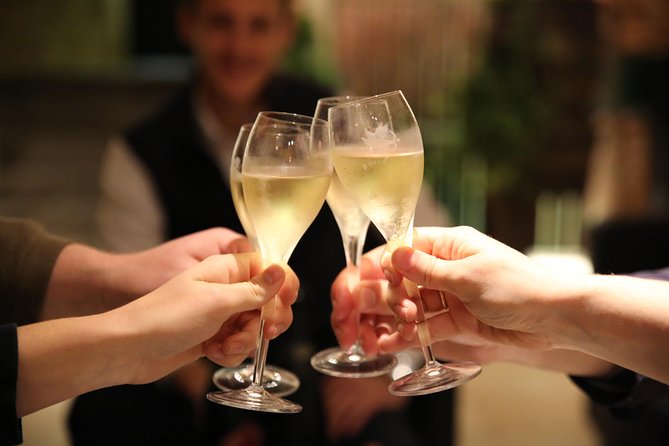
The first winery appointment lasts about 75 minutes. This is a pre-booked visit, not a quick stop where you hope a producer has room for you. Tasting fees are included, so the advertised price covers the two planned tastings.
Châteauneuf-du-Pape is best known for full-bodied red wine. Grenache is central to many blends, with Syrah and Mourvèdre adding structure, color, spice, and depth. The appellation allows a large range of grape varieties, which gives each estate room to make its own choices.
That variety is one reason a guided tasting helps. You may taste wines that differ in grape balance, aging, and style even though they share the same appellation. The guide and winery host can explain why two bottles from the same village do not taste alike.
Do not assume that every glass will be red. White Châteauneuf-du-Pape can be intensely perfumed, with grapes such as Grenache Blanc, Roussanne, Clairette, and Bourboulenc. These are traditional southern French varieties, and the tasting gives you a chance to compare the white style with the better-known reds.
French wine tastings often do not include bread, cheese, or other snacks. Producers may prefer not to add food flavors that affect your palate. I would eat breakfast before departure and plan your lunch carefully, especially if you do not usually drink wine in the morning.
Two hours in Châteauneuf-du-Pape village
After the first tasting, the minivan takes about 15 minutes to reach Châteauneuf-du-Pape. You then have roughly two hours for lunch, free time, shopping, and exploring the village.
This pause is important. A day made up of two winery visits could feel repetitive, but the village gives you room to stretch your legs and set your own pace. Your guide can suggest local restaurant options, though the meal and drinks are your responsibility.
The village is compact enough for a short visit, and the old castle is the obvious landmark. Its remains recall the popes who used Châteauneuf as a summer retreat. The elevated position also provides a broad view across the Rhône Valley, making this more than a stop for buying wine.
You may choose to keep lunch leisurely, walk toward the castle, browse local wine shops, or ask your guide where to taste additional bottles. Extra tastings may be possible at local wineries, but they are not part of the included two-visit plan and should be treated as an optional add-on.
The two-hour window is generous enough for lunch and a quick look around, but not enough for a long village tour plus several extra wineries. If your priority is detailed sightseeing, you may wish the stop were longer. If your priority is wine, the balance works well because the main educational visits come before and after lunch.
The second winery and a closer look at production
The afternoon visit lasts another 75 minutes. You will hear about the individual estate, taste its wines with commentary, and have time to ask about winemaking, grape varieties, and blending.
I like the structure of visiting two producers rather than one. A single tasting can leave you with an impression of one estate. Two visits let you compare approaches and notice how grape combinations shape the final wine.
You can ask about the large range of grapes permitted in the appellation and about the different blends used for red and white wines. If you are new to Rhône wine, this is where the day becomes practical: you learn what to look for in a bottle and why the label alone does not tell the whole story.
One particularly appealing possibility is a family-owned estate such as Domaine Galévan, where Julien has hosted visitors. The exact wineries can vary, so you should not assume that this domain will be on every departure. Still, the focus on local producers and direct explanation gives the day a more personal feel than a generic tasting counter.
The second tasting also arrives after lunch, which is easier on the body than the morning appointment. Keep your expectations sensible, though. This is an educational tasting, not an unlimited drinking session. Tasting fees are included, but the tour does not promise food pairings or bottles to take home.



What the $187 price means in practical terms
At $187 per person, this is not the cheapest way to see a vineyard. The value comes from the amount of coordination handled for you: round-trip transport from Aix, two reserved winery visits, tasting fees, a guide, and a full eight-hour day.
The price can make sense if you are not renting a car. Driving yourself would mean navigating unfamiliar roads and choosing a designated driver, while a private car would usually cost more than a small-group seat. You also avoid the risk of arriving at a winery without an appointment.
The booking information gives the currency as euros while the advertised price is shown as $187. Check the final amount and currency at booking, since exchange rates and payment details can change the real cost.
Lunch is the main extra expense. Personal purchases, additional tastings, and insurance are also excluded. Build those costs into your budget rather than treating the listed price as the complete cost of the day.
The tour offers free cancellation up to 24 hours before departure and a reserve-now, pay-later option. The minimum operating requirement is two adults. If that number is not reached, the operator may reschedule or refund the booking.
Who will get the most from this wine day
I would choose this tour if you are staying in Aix and want to see one of the Rhône Valley’s best-known wine areas without changing hotels or driving. It works especially well for couples, friends, and solo visitors who prefer a small group and want an English-speaking guide.
You do not need to be a wine expert. The guide and winery hosts cover the basic grapes, history, production, and blending, so beginners have a clear starting point. At the same time, you can ask more detailed questions if you already know Grenache from Mourvèdre.
The day is less suitable if you want a quiet, private tasting at one estate. You will follow a fixed schedule, share the minivan, and visit two selected wineries rather than choosing every stop yourself.
It is also not suitable for children under 18, pregnant women, or people with mobility impairments. The tour is not wheelchair accessible. Comfortable shoes are a must, and you should bring water because no plastic bottles are supplied.
The season runs from April through the end of October. That gives you a long window for planning, but there is no winter departure. If your trip falls outside those months, look at a different wine outing from Aix.
The strongest part of the day
The best feature is the balance between organized wine visits and unstructured village time. You receive enough guidance to understand what you are tasting, but you are not rushed from one appointment to the next without a break.
The guides also add real value. Justin, Ines, Jehanne, and Julien have each been associated with clear explanations, good timing, and practical ideas for the region. Jehanne’s attention to a new, air-conditioned vehicle is a small detail, but it matters on a long Provençal day, especially in warmer months.
Domaine Galévan, hosted by Julien, can be a memorable stop when included. A family-owned winery brings a direct connection to the people making the wine, and that often makes discussions about grapes and blending easier to understand.
The village itself keeps the day from becoming too narrow. You get old stone, papal history, a castle viewpoint, lunch, and time to shop. I would not call the village a full-day sightseeing destination, but it is exactly the right size for a two-hour pause between tastings.
Should you book the Châteauneuf-du-Pape day trip?
Book it if you want a convenient, small-group wine day from Aix-en-Provence and value expert explanation more than complete independence. The two winery visits, included tasting fees, village break, and round-trip minivan transport make the $187 price reasonable for many visitors who would otherwise need a rental car and a designated driver.
Skip it if you dislike fixed schedules, need an accessible vehicle, or want meals and tasting snacks included. Eat well before leaving, carry water, and keep money aside for lunch and any bottles you buy.
For most wine-curious adults based in Aix, this is a well-shaped day: two serious tastings, one historic village, and enough free time to make the outing feel like Provence rather than a bus timetable.
FAQ
Where does the tour depart from?
The tour departs from the Aix-en-Provence Tourism office at 300 Avenue Giuseppe Verdi. You should be ready 10 minutes before departure.
How long does the tour last?
The full experience lasts about eight hours, including transport, two winery visits, lunch, and free time in Châteauneuf-du-Pape.
How many people are in the group?
The tour is limited to eight participants and operates as a small-group outing.
Are wine tasting fees included?
Yes. The two pre-booked winery visits and their tasting fees are included in the tour price.
Is lunch included?
No. Lunch and drinks are not included. Your guide can suggest local restaurant options during the two-hour village stop.
What wines will I taste?
The tour focuses on Châteauneuf-du-Pape wines, especially full-bodied reds made with grapes such as Grenache, Syrah, and Mourvèdre. Some tastings may also include white wines using varieties such as Grenache Blanc, Roussanne, Clairette, and Bourboulenc.
Is the tour conducted in English?
Yes. The tour is operated in English with a live English-speaking driver and guide.
Can children join the tour?
No. The tour is not suitable for children under 18 and is intended for adults.
Is the tour wheelchair accessible?
No. The tour is not wheelchair accessible and is not suitable for people with mobility impairments.