REVIEW · AIX EN PROVENCE
From Aix : Arles, Saint Rémy, & Les Baux Provence Day Trip
Book on GetYourGuide →Operated by Ophorus · Bookable on GetYourGuide
Arles in one day is a time machine. I love the small-group pace and the Roman monuments walkthrough with an English-speaking guide. The only real drawback is timing: you get free time, but it moves fast, especially at Les Baux.
You’ll start in Aix and ride in a recent, air-conditioned minivan to three UNESCO-style highlights: Arles for Roman-era sights, Saint-Rémy de Provence for its Van Gogh connection, and Les Baux-de-Provence for medieval stone and panoramic views. Guides like Julien, Inis, Alex, and Camille are repeatedly praised for how clearly they explain what you’re seeing and how they keep the day on track.
This is a full day (about 510 minutes) with a price of $247 per person, and meals and drinks are not included. Bring good walking shoes and a water bottle, and you’ll be in great shape for a long but very satisfying Provence sampler.
In This Review
- Key highlights worth caring about
- From Aix to Arles: starting in the right place
- Arles UNESCO walk: Amphitheater, Antique Theater, and church stops
- The Roman Amphitheater: bigger than you expect
- The Antique Theater: Roman planning you can still read
- Roman Forum and the cryptoporticus: the city’s underworld
- Saint-Rémy de Provence: Van Gogh’s village time and real wandering
- The Van Gogh connection, without forcing it
- If your day is Wednesday
- Les Baux de Provence: medieval streets, fortress remains, and views that end the day
- How long is enough time: pacing, photos, and where you’ll feel rushed
- Price and value: $247 for a full Provence day
- Who should book this day trip (and who should skip it)
- Should you book From Aix to Arles, Saint Rémy, & Les Baux?
- One last practical nudge
- FAQ
- Where does the tour depart from?
- How long is the day trip?
- What towns are included on the itinerary?
- Is there time for lunch or personal exploration?
- Is the guide English-speaking, and is it a small group?
- What should I bring?
- Is the tour suitable for children or wheelchair users?
- Can I cancel for a full refund, and can I reserve without paying right away?
Key highlights worth caring about
- Small group capped at 8: fewer heads in the way, more chances to ask questions.
- Arles Roman sites in a logical route: Amphitheater, Antique Theater, and key town-center monuments.
- Saint-Rémy free time built in: lunch and wandering time where Van Gogh lived for a year.
- Les Baux on a rocky spur: a quick hit of medieval streets plus sweeping countryside views.
- English-speaking driver/guide: you’re not just transported, you’re interpreted.
From Aix to Arles: starting in the right place

The day trip meets at 300 Av. Giuseppe Verdi, at the Aix-en-Provence tourism office. Plan to be ready about 10 minutes early, because once you’re in a small vehicle with a limited group, there’s no time to make up for delays later.
You’ll head south in a comfortable, air-conditioned minivan. That matters more than it sounds in Provence—midday heat can turn “quick stroll” into “why did I wear these shoes,” so having climate control for the drives is a real quality-of-life upgrade.
Once you’re with the guide, you’ll get a run-through of the day. This is one of the reasons the experience usually feels smooth: you know what’s coming, so you spend time looking rather than constantly checking what’s next.
A few more Aix En Provence tours and experiences worth a look


Arles UNESCO walk: Amphitheater, Antique Theater, and church stops

Arles is the heavy hitter. It’s a fortified town recognized for its concentration of Roman monuments, and the tour’s walking visit is designed to make the Roman scale click.
In the historic center walk, you’ll visit some of the town’s most emblematic sights, including options like the Amphitheater, the Antique Theater (also called the Roman/Antique Theater), and the Saint-Trophime church. Which ones you spend time on may depend on the exact day and flow, but the tour is built around giving you the main Roman-feeling anchors.
The Roman Amphitheater: bigger than you expect
The Roman Amphitheater sits to the north of Arles and was built at the end of the 1st century. What helps you understand it is the context the guide provides: it was part of the city’s broader extension and built around the same period as the baths.
Also, it’s famously large. The capacity is listed as up to 25,000 spectators, and once you’re there, you can picture how public life worked in Roman towns—games, crowds, noise, and performance as civic entertainment. If you like architecture, it’s an easy place to spend extra moments just looking at how the structure feels in real space.
The Antique Theater: Roman planning you can still read
The Antique Theater was requested by Emperor Auguste. It’s also built to a big scale, with a capacity of up to 10,000 spectators. Only part of the theater remains, but it’s still one of the better-preserved examples in France, which makes it a strong stop even for people who aren’t Roman-nerds.
Here’s a practical tip: take a few minutes to orient yourself where the stage would have been and imagine how sight lines worked. The guide’s explanations usually make that mental picture click faster.
Roman Forum and the cryptoporticus: the city’s underworld

After the main monuments, the tour focuses on a quieter but very interesting Roman feature: the Roman Forum layout and what sits under it.
The Forum is described as lying at the intersection of the cardo (the north-south axis) and the decumanus (the east-west axis). Even if only two fragments remain of the great square, the value here is learning how Rome planned cities: big axes, public squares, and lots of movement guided by grid-like geometry.
Then you get the key detail that makes the Forum more than a “ruins photo stop.” It was built on a cryptoporticus, a covered corridor/passageway. In other cities these spaces could store goods, but in Arles the passage is too damp for long-term storage, so it may have served other functions—possibly even as a barracks for public slaves, depending on interpretation.
Even without going underground, knowing how these spaces worked helps you read the city when you look at walls, edges, and the ways streets connect. It’s one of those “wait, this makes sense” moments.




Saint-Rémy de Provence: Van Gogh’s village time and real wandering

You’ll drive to Saint-Rémy de Provence, one of the prettiest villages in the area, and the tone shifts a bit from big Roman stone to calmer Provençal streets. The village is known as a summertime spot for chic Parisian visitors, but it still has quieter pockets because there are small squares scattered throughout.
The tour gives you a mix of structure and freedom. You’ll get a guided visit, and then you’ll have free time for lunch and personal discovery. Meals and drinks aren’t included, so this is where you’ll want to actually choose a spot to eat rather than assuming the day will provide it.
The Van Gogh connection, without forcing it
Saint-Rémy is also where Van Gogh lived for a year. The tour doesn’t promise a museum deep dive in the information you have, but the village time is still valuable because you’re in the real setting where his stay mattered. That means you can connect dots at your own pace, whether you’re art-focused or just enjoying the atmosphere.
If you want extra ideas on how to spend your free time, keep it simple: pick one or two streets to walk slowly, then use the squares to regroup. With only about 1.5 hours overall at this stop, you don’t need a checklist to enjoy it.
If your day is Wednesday
There’s a Provence Market on Wednesdays. If your tour date lands on a Wednesday, it’s a smart move to time your wander so you can peek at local products, snacks, and crafts.
Les Baux de Provence: medieval streets, fortress remains, and views that end the day

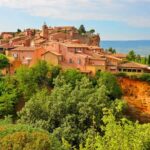
Next comes Les Baux-de-Provence, set in the Alpilles mountain region known for vineyards and olive trees. You’ll reach the medieval hilltop village built on a rocky spur, and the tour leans into the main payoff: the breathtaking view over the surrounding countryside and a quick hit of medieval atmosphere.
The visit includes free time to stroll the narrow streets, look through art galleries, and see remains of a 10th-century fortress. Even in a short visit, you can feel the place’s purpose: it’s built for defense, and it’s built to be seen from far away.
A practical consideration: the stop is listed as about 45 minutes of visit time. That’s enough for photos, a couple of lanes, and one good view-point pause, but it’s not enough for a long, steep fortress hike if you plan to do everything. If you’re the type who loves exploring ruins slowly, prioritize one route and don’t try to “complete” the entire village.
How long is enough time: pacing, photos, and where you’ll feel rushed

This tour is efficient on purpose. You’re not doing long drives on your own, and the Roman and medieval stops are grouped so you can absorb each area without backtracking.
Still, the day includes moving between towns: Arles visit time, a drive, Saint-Rémy visit with lunch/free time, another drive, then Les Baux. That means you’ll likely feel the clock at the edges of each town.
Here’s how I’d use the limited time well:
- In Arles, focus on orientation first. Once you know where the Amphitheater and Theater sit, the rest of the Roman feeling comes easier.
- In Saint-Rémy, plan your lunch location quickly. There’s enough time to enjoy, but not enough to wander for ages without a plan.
- In Les Baux, choose your view spot early. If you wait until the end, you’ll end up photographing while you’re already half-ready to leave.
Comfort-wise, the air-conditioned van helps, but your feet still do the work. Wear shoes that won’t punish you after a few hours of stone streets.
Price and value: $247 for a full Provence day

At $247 per person, you’re paying for four things bundled together:
- Transport from Aix in a recent minivan
- An English-speaking local guide for interpretation
- Guided visits to all three towns
- A small-group format limited to 8 participants
Meals and drinks aren’t included, so you’ll want to budget extra for lunch in Saint-Rémy (and water/snacks if you don’t bring them). When a day trip like this costs more than you expect, the real question is whether you’re getting interpretation plus efficient logistics—and this itinerary is built to do exactly that.
Also, the guide’s role seems to matter a lot. In the feedback you provided, guides such as Julien and Camille are described as managing time well so you still get unhurried moments in Saint-Rémy and Les Baux, and Alex and Inis are praised for explaining art, history, and architecture clearly. That kind of guidance is where the price starts to feel fair, because you’re not just visiting places—you’re understanding them fast.
Who should book this day trip (and who should skip it)

This tour is a good fit if you want a classic Provence route without planning headaches. It works especially well for:
- People based in Aix who want three major stops in one day
- First-time visitors who like Roman and medieval towns
- Travelers who appreciate an English-speaking guide helping them connect the dots
It’s less ideal if:
- You want long, slow exploration in a single village. The free time is real, but it’s limited.
- You need wheelchair access. This tour is listed as not suitable for wheelchair users.
- You’re traveling with very young kids. Children under 4 aren’t allowed.
Should you book From Aix to Arles, Saint Rémy, & Les Baux?

If you’re the kind of traveler who gets excited by Roman stone, medieval hilltop views, and a Provence village with a Van Gogh connection, this is an easy yes. The structure is tight, but the guide-led components are what make it feel worth the day.
Before you book, decide how you feel about short free-time windows. If you want to browse art galleries in Les Baux slowly, plan to prioritize one or two streets and one view-point. If you’d rather have a day that moves and gives you a lot of “wow” per hour, this route is built for that.
One last practical nudge
Bring comfortable shoes and water. It’s a long day with walking on uneven stone and plenty of standing around for photos. You’ll enjoy the Roman Amphitheater and hilltop views much more when your feet aren’t protesting by mid-afternoon.
FAQ

Where does the tour depart from?
The tour departs from the tourism office in Aix-en-Provence. The meeting point listed is 300 Av. Giuseppe Verdi, and you should be ready about 10 minutes before departure.
How long is the day trip?
The duration is listed as 510 minutes, which is a full-day format.
What towns are included on the itinerary?
The tour includes visits to Arles, Saint-Rémy de Provence, and Les Baux-de-Provence.
Is there time for lunch or personal exploration?
Yes. In Saint-Rémy de Provence, you’ll have free time for personal discovery and lunch. You’ll also have free time to stroll in Les Baux-de-Provence.
Is the guide English-speaking, and is it a small group?
Yes. The tour includes an English-speaking driver/guide and is a small group limited to 8 participants.
What should I bring?
Bring comfortable shoes and water.
Is the tour suitable for children or wheelchair users?
Children under 4 years old are not allowed, and the tour is not suitable for wheelchair users.
Can I cancel for a full refund, and can I reserve without paying right away?
Yes. You can cancel up to 24 hours in advance for a full refund. You can also reserve now & pay later to keep your plans flexible.