REVIEW · BORDEAUX
Discovery of the Bordeaux vineyard in 3 wines
Book on Viator →Operated by Le Pied à Terre · Bookable on Viator
Bordeaux wine lessons, no snobbery. I like the three-wine lineup that compares left bank power, right bank elegance, and a dry white side by side, and I also like the Roman-times storytelling that makes the region feel grounded in real place. One thing to consider: this is a tasting class in the Le Pied à Terre cellar-shop setup, not a daylong winery visit.
With a max group size of 12 and a relaxed, Q-and-A friendly pace, you’ll get real guidance on tasting and on how Bordeaux labels work (appellations, grape varieties, and winemaking methods). It runs about 1 hour 30 minutes and ends back at the same spot on Rue Judaïque, so it’s easy to plug into an afternoon in Bordeaux.
In This Review
- Key Things I’d Circle Before You Go
- First Stop: Le Pied à Terre in Bordeaux (And Why This Location Works)
- What You’ll Taste: Left Bank Red, Right Bank Red, and a Dry White
- How the 90 Minutes Flow: A Real Wine Class, Not a Drinking Competition
- Tasting Tips You Can Use Back in Your Hotel
- Basque Charcuterie and Maison Pierre OTEIZA: Pairing With a Purpose
- Bordeaux With Roman-Era Stories: Making the Region Feel Human
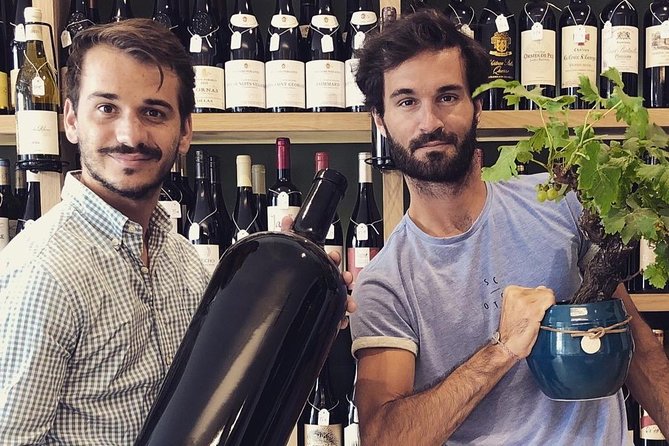
- Your Host Experience: Friendly Guidance From James and Pierre
- Price and Value: Is $42.33 Worth It?
- Who This Fits Best (And Who Might Want a Different Day)
- Practical Tips for a Smooth Bordeaux Wine Class
- Should You Book This Bordeaux Wine Tasting?
- FAQ
- How many wines are included in the tasting?
- How long is the experience?
- Is the tasting offered in English?
- Where do I meet for the tour?
- How big is the group?
- What food is included?
- Is there a mobile ticket?
- Are service animals allowed?
- What is the cancellation policy?
- What happens if the minimum number of travelers isn’t met?
Key Things I’d Circle Before You Go
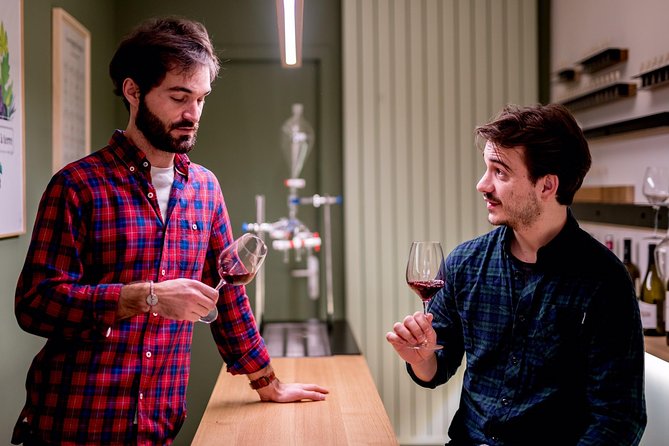
- 3 wines, split by terroir: left bank red power, right bank finesse, plus a dry white from top estates
- Tasting tips you can use next week: a simple method for smelling and tasting, with time to ask questions
- Food that actually teaches pairing: Basque charcuterie and cheese, with Maison Pierre OTEIZA
- Roman-era stories while you sip: the guide links Bordeaux wine to older layers of the region
- Small-group feel (max 12): better interaction than a big bus-style tasting
- English offered: plus a host style that stays friendly and easy to follow
First Stop: Le Pied à Terre in Bordeaux (And Why This Location Works)
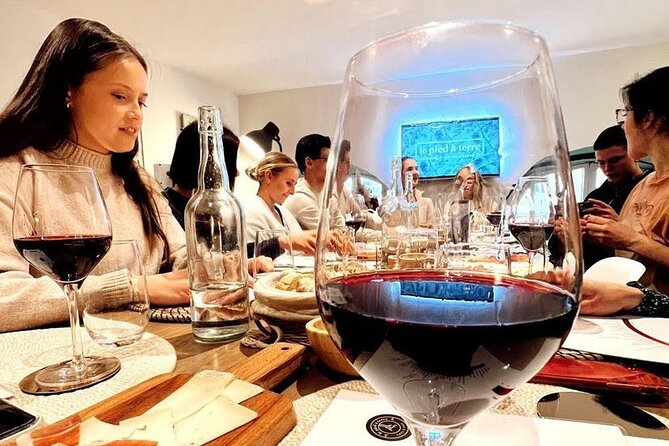
The meeting point is 22 Rue Judaïque, 33000 Bordeaux, and the experience ends back there. That matters because it keeps your day simple: you’re not hunting across the outskirts, and you can plan other sights nearby without guessing how long you’ll be “in transit.”
The tasting happens at Le Pied à Terre, a cellar-style setup that’s easy to find in the city. Reviews also mention an upstairs tasting room in a wine shop feel, which fits the vibe: this is designed to be a class, not a scenic drive. If you’re traveling with limited time, that’s a plus.
You’ll also feel the small-group limit right away. With a maximum of 12 people, you’re not lost in a crowd. You can ask questions and actually hear the answers.
You can also read our reviews of more wine tours in Bordeaux

What You’ll Taste: Left Bank Red, Right Bank Red, and a Dry White
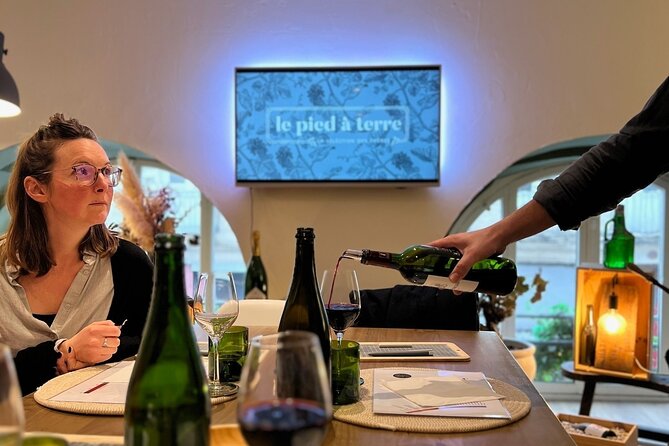
The whole point is to show you Bordeaux wine as a system, not a random set of glasses. You’ll taste around three carefully selected Bordeaux wines, each placed into context so you learn what you’re drinking and why it tastes the way it does.
Here’s the logic you should expect:
- Left Bank: often the “power” side of Bordeaux reds, typically associated (in broad terms) with structure and depth.
- Right Bank: often the “elegance” side, usually framed as more refined and lifted.
- Dry White: a freshness-focused pour from reputable estates, included to show Bordeaux isn’t only about red wine.
One useful takeaway: you’re not just tasting; you’re comparing. That means you’ll start noticing how flavor and texture shift when the grapes and winemaking choices shift—and how to describe that difference without guessing.
Some hosts also touch on Bordeaux labeling basics—appellations, grape varieties, and governance—so you can understand the bottle beyond the marketing. That’s the stuff that helps when you go from tasting room to wine shop.
How the 90 Minutes Flow: A Real Wine Class, Not a Drinking Competition
Think of this as a guided tasting structured to teach you a repeatable process. The class is designed for both first-timers and people who want their questions answered. You’ll get:
1) A guided tasting of the 3 wines
2) Discussion around food and wine pairings
3) Tasting techniques you can actually use
4) Producer context, so the wines feel connected to place and decisions
The timing is tight, about 1 hour 30 minutes, so they keep it moving. That’s good for most visitors. You’re not stuck for hours, and you still get explanation.
In a few experiences like this, intermediate wine drinkers can find the talk a bit long-winded. In this case, the overall vibe is friendly and interactive, but if you’re already comfortable with Bordeaux terminology, you might want to come prepared with a couple targeted questions (about appellations, blending choices, or how to taste and compare).
Tasting Tips You Can Use Back in Your Hotel
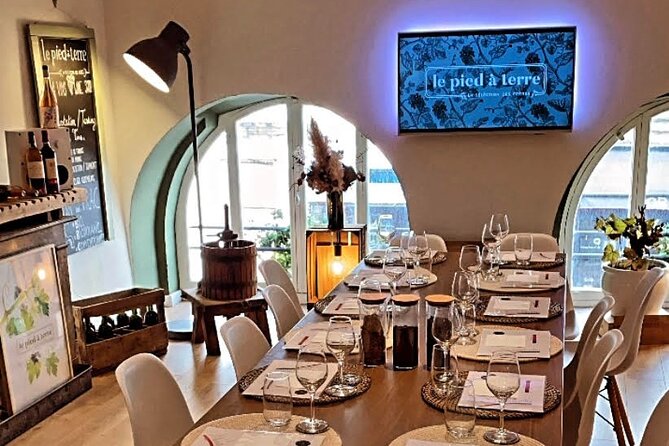
What I like about this class is that it’s built around practical tasting. The hosts explain the basics of how to taste wine, and they do it in a way that encourages questions. That’s how you get value from a short session: you leave with a method, not just memories.
Expect guidance like:
- how to approach wine tasting in steps
- how to compare wines you’re sampling
- how to link aromas and flavors to what you learned about the wines’ context (appellation, grapes, and winemaking choices)
If you’re brand new, this is a great “start here” experience. If you’re more experienced, it still helps because Bordeaux can be confusing—there are a lot of names, rules, and labels. Getting the framework in a small room makes it easier to shop with confidence later.
Also, the hosts are described as patient and interactive. You’re not rushed, and you’re not pushed into a performance. That makes a big difference, especially if you’re traveling solo or with people who aren’t wine nerds.
Basque Charcuterie and Maison Pierre OTEIZA: Pairing With a Purpose
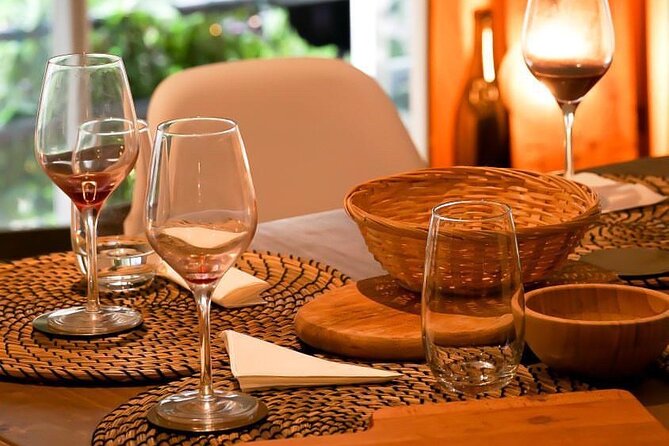
Wine classes often treat food like an afterthought. Here, the food is part of the education.
You’ll be served charcuterie and cheese from the Basque Country, including products from Maison Pierre OTEIZA. That pairing choice isn’t random. Salty, savory, and fatty foods change how wine tastes—so you can practice what pairing actually does, not just memorize slogans.
Why this matters for your real trip: Bordeaux dinners can be expensive, and you don’t always know what bottle will match your meal. A pairing lesson like this helps you learn the logic you can use later—so you’re not stuck ordering blind.
A practical note from what’s offered: the core includes charcuterie and cheese, but some guests reported the hosts can be flexible for vegetarian or vegan needs if you let them know ahead of time. If dietary limits matter to you, message or note it during booking so the tasting experience fits you.
Bordeaux With Roman-Era Stories: Making the Region Feel Human
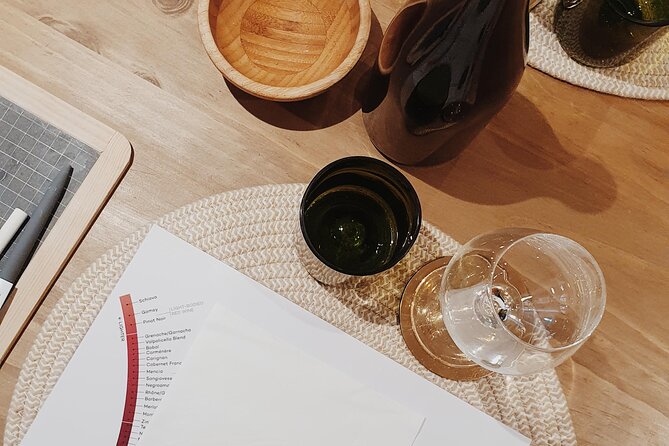
Bordeaux can feel like paperwork if you only learn it through labels. This class adds a human layer. The guide shares stories that link wine to earlier eras, including Roman times.
That kind of storytelling does more than entertain. It helps you remember. When you learn that wine-growing and trade shaped the region over centuries, the appellation system and estate choices stop feeling abstract. The wines start to feel like outcomes of long decisions by people.
It also ties into how the guide explains Bordeaux’s wine labeling and governance. You’ll hear how certification rules let producers label wines as coming from Bordeaux, and how the regional system affects what ends up in your glass.
Your Host Experience: Friendly Guidance From James and Pierre
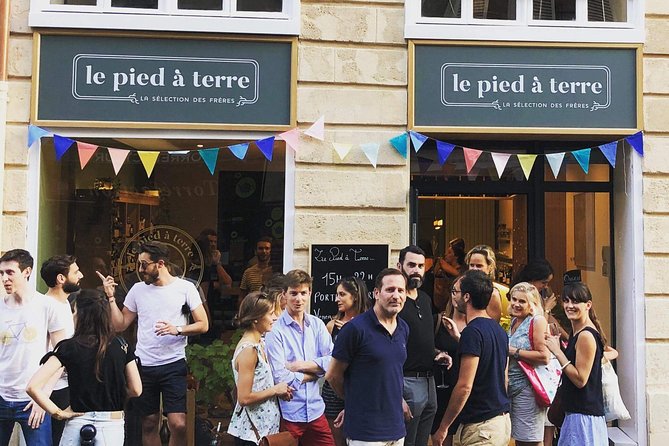
A lot of the best wine tastings depend on the person leading them. Here, the hosts are consistently described as warm, humorous, and focused on teaching.
Names that come up include:
- James, who explains the basics of Bordeaux DOCs and wine-tasting process while answering questions
- Pierre, who leads sessions with a lively, story-driven style
You may also see references to the experience being run by brothers, which often explains the relaxed, team-led feel. In practice, that means you get an atmosphere where questions are welcome and where explanations aim for clarity, not intimidation.
If you’ve ever left a wine tour more confused than when you arrived, this is the opposite goal: you should leave understanding what you tasted and how to talk about it.
Price and Value: Is $42.33 Worth It?
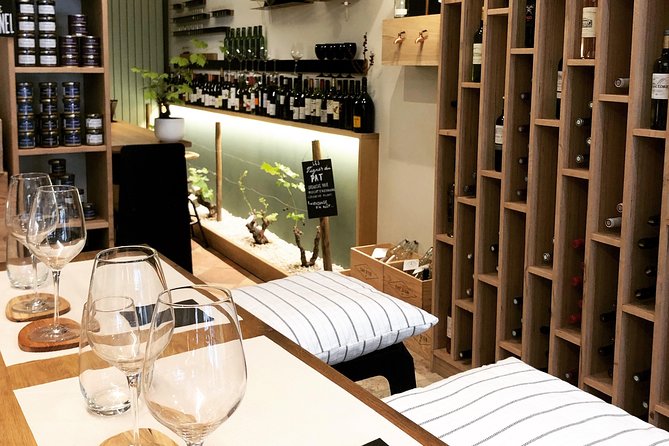
At $42.33 per person for about 1 hour 30 minutes, this is priced like a serious tasting class—not a casual pour-and-go. Here’s why it can be good value:
- You’re tasting three Bordeaux wines, each explained with context
- You get pairing food (Basque charcuterie and cheese, including Maison Pierre OTEIZA)
- The group is small (max 12), so you’re not paying for a mass experience
- You’re learning tasting techniques, not just consuming wine
The biggest “value check” for you: if you’re visiting Bordeaux with limited time, this hits the sweet spot. A winery visit can be amazing, but it’s longer, and not always beginner-friendly. A tight, guided tasting like this teaches you enough background that your future wine purchases and restaurant orders get easier.
Who This Fits Best (And Who Might Want a Different Day)
This experience fits best if you:
- want an intro to Bordeaux wine that stays clear and friendly
- like learning through comparison: left bank vs right bank vs white
- want a small-group class in the city, without driving out to vineyards
- enjoy Q-and-A and explanations you can use later
You might consider a different kind of tour if you’re aiming for a full day of vineyard walking or a hands-on winery workflow. This tasting is focused on learning and tasting in a cellar/shop setting.
Also, if you already know Bordeaux terminology well and you hate long narration, be aware the session style can include storytelling that may feel a bit rambling for intermediate drinkers. The upside is that you can steer it with questions.
Practical Tips for a Smooth Bordeaux Wine Class
A few tips make this much better:
- Arrive with curiosity: ask about Bordeaux labels, appellations, or how to taste systematically.
- Take notes lightly: even a few words per wine will help you remember left bank vs right bank differences.
- Eat first or plan time for the food: charcuterie and cheese are part of the experience, but you’ll enjoy it more if your day isn’t rushed.
- If you have dietary needs, say so early: vegetarian and vegan flexibility was mentioned, but you’ll want it confirmed.
- Use the location advantage: Rue Judaïque is in the city center, so you can stack it with other afternoon plans.
And one small but important detail: the class ends back at the meeting point. That makes it easy to transition to dinner without guessing where you’ll be dropped.
Should You Book This Bordeaux Wine Tasting?
Yes, if you want a compact, friendly class that helps you understand Bordeaux faster than reading a wine guide alone. At $42.33 for three explained tastings plus Basque charcuterie and cheese, it’s a strong use of limited time in Bordeaux.
I’d skip it only if you’re specifically hunting for a vineyard-walk, winery-hands-on day, or if you already want advanced technical instruction and prefer a more tightly scripted lecture. For most visitors—especially wine beginners—it’s a very practical way to build real confidence with Bordeaux bottles.
If you book, come ready to taste and ask questions. You should leave with enough structure to pick a bottle later without second-guessing the label.
FAQ
How many wines are included in the tasting?
You’ll taste around three carefully selected Bordeaux wines during the session.
How long is the experience?
The tour lasts about 1 hour 30 minutes.
Is the tasting offered in English?
Yes, it’s offered in English.
Where do I meet for the tour?
You meet at 22 Rue Judaïque, 33000 Bordeaux, France, and the experience ends back at the same meeting point.
How big is the group?
The activity has a maximum of 12 travelers.
What food is included?
The session includes charcuterie and cheese from the Basque Country, including products from Maison Pierre OTEIZA.
Is there a mobile ticket?
Yes, the experience includes a mobile ticket.
Are service animals allowed?
Yes, service animals are allowed.
What is the cancellation policy?
You can cancel for free up to 24 hours in advance for a full refund.
What happens if the minimum number of travelers isn’t met?
If it’s canceled because the minimum isn’t met, you’ll be offered a different date/experience or a full refund.