REVIEW · NICE
Côtes de Provence Small Group Day Trip with Winery Visits & Tastings from Nice
Book on Viator →Operated by Provence Wine Tours · Bookable on Viator
Rosé country is close to Nice. This 8-hour Côtes de Provence trip sends you into Provence for three winery stops plus guided tastings and real winemaking context, all in a small group. You’ll ride out in an A/C minivan (max 8 people), learn what makes Provence wines different, then head back around 5pm.
What I like most is the format: you get a morning and afternoon spread of winery visits, not just one quick stop. I also like that the tastings cover more than rosé—expect blends that range from aromatic whites to reds as well as multiple rosés. The learning style stays relaxed and practical, with a guide explaining the grape, the climate, and the hands-on steps like picking and green harvesting.
One consideration: the lunch window is about 1h30 of free time in a quiet village, and some people may prefer more time inside wineries instead. If you’re the type who wants nonstop tastings, plan to use that break well (coffee, a short stroll, and a good lunch), not just wait around.
In This Review
- Key things that make this Côtes de Provence tour work
- Getting from Nice to Côtes de Provence without the headache
- Three winery visits: how you actually learn Provence wine
- What you’ll taste across the day
- Morning stop 1 and stop 2: seeing the process, not just the pour
- Bring a light strategy for tasting
- Lunch in a quiet Provençal village: use the 1h30 wisely
- Afternoon winery visit: where differences start to pop
- Small-group comfort: why the max of eight matters
- Value check: is $199.55 a fair deal from Nice?
- Practical tips so your day goes smoothly
- Who should book this day trip (and who should skip it)
- Should you book the Côtes de Provence tour from Nice?
- FAQ
- Where is the meeting point for the tour?
- What time does the tour start and end?
- How long is the day trip?
- How many people are in the group?
- What language is the tour offered in?
- What’s included in the price?
- What should I budget for that is not included?
Key things that make this Côtes de Provence tour work
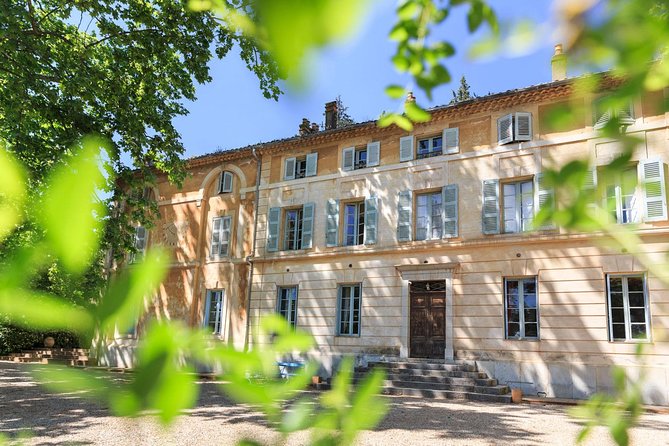
- Three winery visits with expert-led tastings, so you can compare styles without rushing
- Behind-the-scenes access, from aging rooms to bottling lines
- Max 8 in the van, which keeps questions from turning into a whisper contest
- English-speaking wine expert guide, including guides like Lara or Sandra who are repeatedly praised by name
- You taste a range: Provence rosés plus whites and reds, not just one style
Getting from Nice to Côtes de Provence without the headache
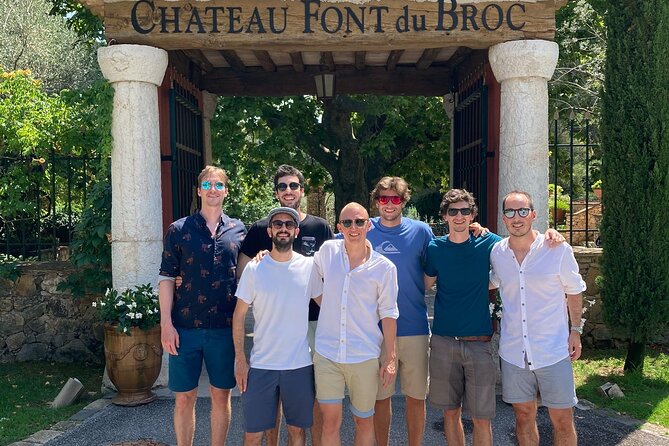
This is set up for an easy day: you start at the Hotel Nice Beau Rivage, located at 24 Rue Saint-François de Paule, and you return to the same meeting point. Pickup starts at 9:00am, and the whole day runs about 8 hours, with the drive to Provence happening in the middle of the morning.
You’ll travel in an air-conditioned minivan made for comfort and for small-group conversation. That matters because long wine days can feel exhausting if you’re stuck on a big bus with limited space to hear your guide.
Also, the tour is designed for all-weather operation, so you’re not left guessing if rain changes the plan. Bring what Provence asks for—good shoes and sun protection—even if the forecast looks mild.
You can also read our reviews of more wine tours in Nice
Three winery visits: how you actually learn Provence wine
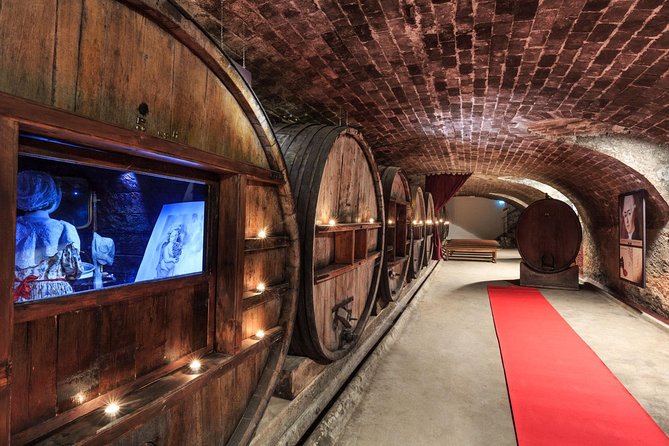
The heart of the day is simple: two wineries in the morning, a break for lunch, then a third winery in the afternoon. This structure does two useful things for you. First, it gives you enough time to absorb concepts like terroir and appellations without your brain switching to autopilot. Second, it lets you compare three estates and spot differences you’d miss if the schedule was only one stop.
At each winery, you’re not just standing in a tasting room. The experience is meant to show you what’s happening behind the scenes, including winemaking and aging rooms and even bottling lines. That kind of access turns tastings into something you can explain later.
Expect the guide to connect the dots: soil and climate, grape choices, and the practical steps in the vineyard such as pruning and green harvesting. If you’re new to wine, this is approachable. If you’re more experienced, you’ll still appreciate the way the guide ties the science and the work to what’s in your glass.
What you’ll taste across the day
Provence is famous for rosé, and this tour makes sure you drink plenty of it. But it doesn’t stop there. You’ll also taste whites and reds—including wines described as powerful, well-balanced, aromatic, and lively—so you can understand the broader range of the region rather than treating Provence as a one-note category.
Morning stop 1 and stop 2: seeing the process, not just the pour
You arrive in the Côtes de Provence wine region around 10:00am, and the morning is built for momentum. Two winery visits back-to-back means you’ll start forming quick comparisons right away—how each producer handles the grapes, how the style shifts, and how the aging choices show up in taste.
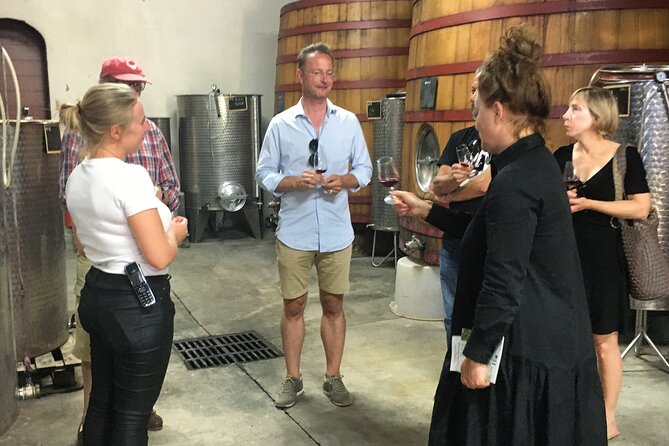
The best part of these stops is the walkthrough quality: you’ll get to see where wine ages, and you’ll be guided through the logic of how the vineyard work becomes the final bottle. You’re also tasting while the guide explains, which helps you remember what to look for next time you’re buying wine in a shop.
There’s also a real perk here: the tour is designed for a small group, so your questions don’t get swallowed by the crowd. With a van capped at eight, you tend to get answers in plain language.
Bring a light strategy for tasting
If you’re trying to taste like a pro (without making it a homework assignment), pace yourself. Take a breath between wineries. Sip, don’t chug, and use your free palate reset at lunch so the afternoon tastings don’t blend together into one pink blur.
A few more Nice tours and experiences worth a look

Lunch in a quiet Provençal village: use the 1h30 wisely
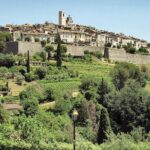
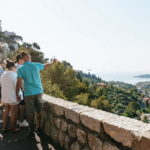
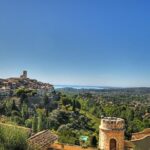
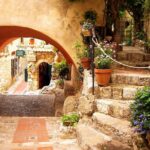
After the second morning winery, you’ll have about 1h30 free time for lunch in a quiet Provence village. This is where the tour balances structure with freedom.
One small caution from experience-with-this-type-of-day logic: villages like this can be calm rather than packed with things to do. If you’re hoping for lots of wandering, you may find the options limited. I’d treat this as a chance to slow down, eat something local, and recharge for the final estate visit.
A nice bonus: at least one guest noted the guide helped with a lunch reservation in town. So if you want to sidestep the usual lunch-search stress, you can ask the guide what’s easiest once you arrive.
And remember, lunch isn’t included. The tour doesn’t cover snacks or bottled water either, so plan accordingly—especially in sunny months when you’ll burn energy in a hurry.
Afternoon winery visit: where differences start to pop
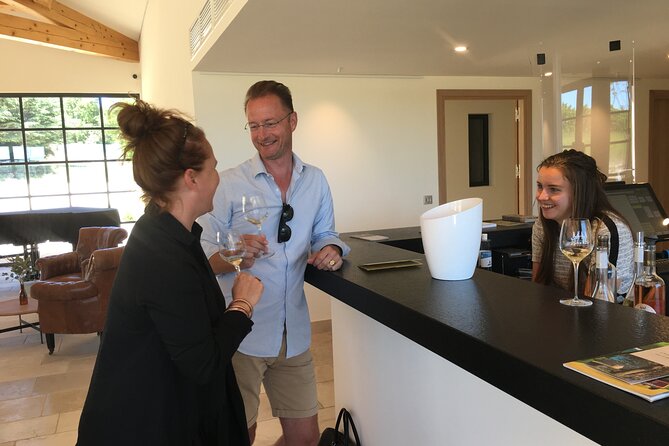
The third winery in the afternoon is what makes this day feel complete. By then, you’ve already tasted a few rosés (and likely a white or two), so you’ll notice the shifts more clearly.
This is also when the “behind-the-scenes” side gets extra meaningful. If you’re told something like why a certain vineyard choice matters, you’re already primed to connect that idea to aroma and structure. You’ll tour parts of the production process again—often the spots that really show how a winery’s decisions affect the glass you’re tasting.
One review highlighted wineries of different sizes and styles, including traditional production alongside more unusual or experimental approaches. That’s the big payoff for doing three stops: your taste buds learn the region’s range, not just one house style.
Small-group comfort: why the max of eight matters
The tour caps at eight travelers, and that changes the vibe. You don’t just hear the guide—you can actually talk with the guide. You can ask questions about things like grape varieties, classification, and winemaking steps without the day turning into a one-way lecture.
You also get a more human travel rhythm. People can move as a group, but you’re not squeezed shoulder-to-shoulder in every tasting room. For a day built around sensory experiences, that comfort adds up.
English is also handled by an English-speaking wine expert guide, and the guide names Lara and Sandra show up in glowing feedback. That’s a good sign that the interpretation stays clear, friendly, and not intimidating.
Value check: is $199.55 a fair deal from Nice?
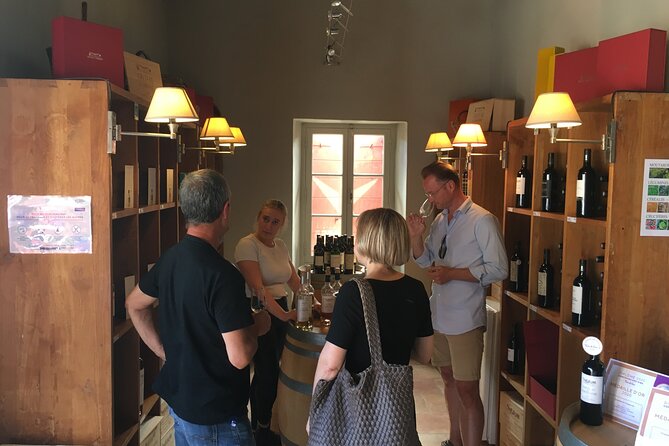
At $199.55 per person, you’re paying for more than transportation and a tasting pour. Included in the price are visit and tasting fees, the A/C minivan with round-trip transport from Nice, and an English-speaking wine guide. Alcoholic beverages are included too.
What’s not included is important: lunch, snacks, and bottled water are on you. So budget a bit for food and for staying comfortable.
To judge whether it’s worth it, think about what you’d spend if you booked wineries separately: tasting fees alone can add up, and you’d still need a way to get between estates without spending half the day figuring out logistics. This tour bundles the heavy lifting into one plan, plus it gives you the production walk-throughs that turn tastings into understanding.
If you’re the kind of person who enjoys learning while tasting—especially if you want rosé plus whites and reds—this price starts to look reasonable fast.
Practical tips so your day goes smoothly
- Arrive hungry enough for lunch later. You’ll be tasting, walking, and listening before you sit down, so plan your energy.
- Wear comfortable shoes. You’ll be in and around production areas and walking between stops.
- Sun protection is not optional. Even when it’s not blazing, you’re outside and often near open spaces.
- Bring a water bottle. Water is not included (bottled water is listed as not included), and it helps you pace tastings.
- Think about wine shipping early. One guest reported the guide helped with shipping wine back to the US. If that’s your plan, ask during the tastings while purchasing is still easy.
- Don’t plan a tight schedule for the evening. You’ll be back around 5pm, but it’s a full tasting day, so give yourself downtime.
Who should book this day trip (and who should skip it)
This tour is a strong match if you:
- Want a small-group day with an English guide
- Love rosé but also want to taste whites and reds to build context
- Prefer winery visits that include production rooms and bottling areas, not only a label tasting
You might consider a different plan if you:
- Want the most free time possible for wandering, since lunch is about 1h30 in a quiet village
- Travel with kids under 10, since it’s not suitable for that age group
Should you book the Côtes de Provence tour from Nice?
If you want an efficient, well-paced way to experience Provence wine without renting a car, I’d book it. The big win is the combination of three winery visits, multiple styles of wine, and the behind-the-scenes look at how the wine is made. With the group capped at eight and English guidance handled, the day tends to feel friendly and not chaotic.
Two quick final checks before you commit: make sure you’re good with paying for lunch separately, and decide if you’re okay with free time that’s more for resting than for big sightseeing. If that fits your style, this is the kind of Nice-based day trip you’ll remember when you’re back home shopping for Provence rosé.
FAQ
Where is the meeting point for the tour?
The tour meets at Hotel Nice Beau Rivage, 24 Rue Saint-François de Paule, 06300 Nice, France.
What time does the tour start and end?
The tour starts at 9:00am and you return to the meeting point at around 5:00pm.
How long is the day trip?
The duration is about 8 hours.
How many people are in the group?
This is a small-group tour with a maximum of eight travelers.
What language is the tour offered in?
The tour is offered in English.
What’s included in the price?
Included are transportation in an A/C minivan, an English-speaking wine expert guide, visit and tasting fees, pick up/drop off from the central meeting point, and alcoholic beverages.
What should I budget for that is not included?
Lunch, snacks, and bottled water are not included, and you should also plan for any spending you choose to do at the wineries.