REVIEW · GEVREY CHAMBERTIN
Côte de Nuits: Excursion in the heart of the vineyards
Book on GetYourGuide →Operated by SAFARI TOURS, Since 1985 · Bookable on GetYourGuide
Big grape names, up close and explained. This Côte de Nuits excursion is built around a guided vineyard route plus a serious wine comparison, all within 150 minutes from Beaune. You’ll pass classic Côte de Nuits sites like Romanée Conti and Clos de Vougeot, then wrap it up with a cellar visit and a 6-wine tasting.
Two things I really like: first, the small group size (up to 8) keeps the questions coming and the explanations clear. Second, you’re not just drinking; you’re learning how Burgundy works—classification, terroirs, and even how vines move through the year—so the tasting actually makes sense.
One possible drawback: the schedule is tight. You’ll do a 45-minute walk and cover a lot of ground, so it’s not the tour for you if you want long stops, slow wandering, or lots of extra time in one village.
In This Review
- Key moments that make this tour worth your time
- Getting from Beaune into the Côte de Nuits, fast and focused
- The vineyard route: seeing Romanée Conti and friends without getting lost
- How vines work through the year (and why that changes what’s in your glass)
- Nuits-Saint-Georges: the tasting brain starts to wake up
- Inside the cellar: seeing how the wines are made
- The 6-wine comparison tasting: training your palate, not just drinking
- SAFARI TOURS since 1985: why the company age matters
- Price and value: does $57 buy enough?
- Who should book this Côte de Nuits excursion?
- Should you book this Côte de Nuits excursion?
- FAQ
- How long is the Côte de Nuits excursion?
- Where is the meeting point?
- What’s included in the price?
- How big is the group?
- How many wines do you taste?
- Do you visit a winery or cellar?
- Which languages are offered?
- Is there walking involved?
- Is free cancellation available?
Key moments that make this tour worth your time
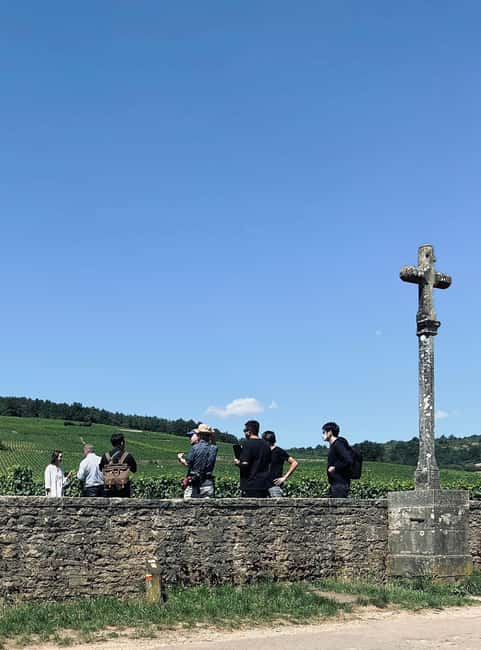
- Small groups (up to 8) so the guide can keep it conversational
- Vineyard route with major named sites like Richebourg and Chambertin
- 45-minute walk that gives you a sense of slope, direction, and vine layout
- Winery cellar visit focused on how the wines are made
- Comparative tasting of 6 wines from the estate to train your palate
Getting from Beaune into the Côte de Nuits, fast and focused
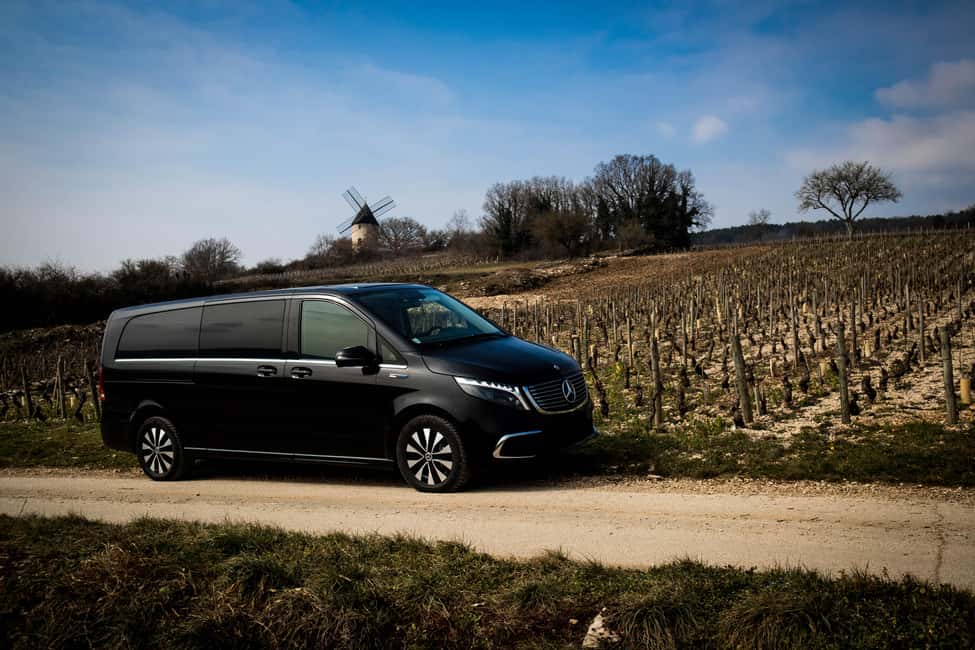
The tour starts at the Beaune Tourist Office on Porte Marie de Bourgogne, right by 6 Bd Perpreuil. From there, you hop into a minivan for about 20 minutes, which is the smart move: you get out into the vineyards without wasting your morning on logistics.
Once you’re in the zone, the pacing becomes more human. You’ll walk around 45 minutes—not an all-day hike, but enough time to feel the difference between flat convenience and real vineyard terrain. Burgundy vineyards don’t grow in the middle of town. They grow where the ground, the slope, and the exposure make sense. This walk helps you clock that instantly.
Weather and footwear matter here. Even if it’s a short walk, you’ll be on uneven ground typical of vineyard paths. Wear shoes you trust. Your ankles will appreciate it.
The vineyard route: seeing Romanée Conti and friends without getting lost
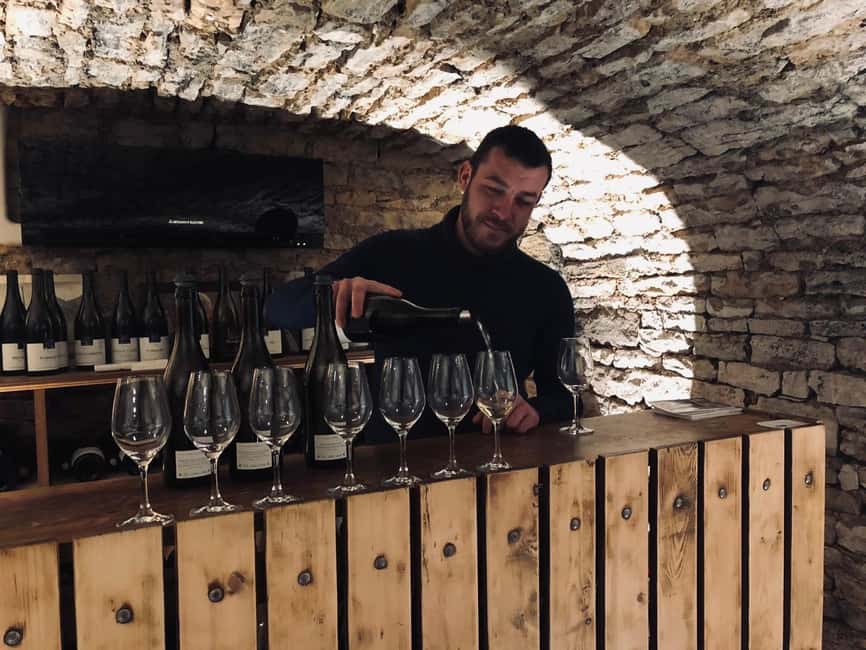
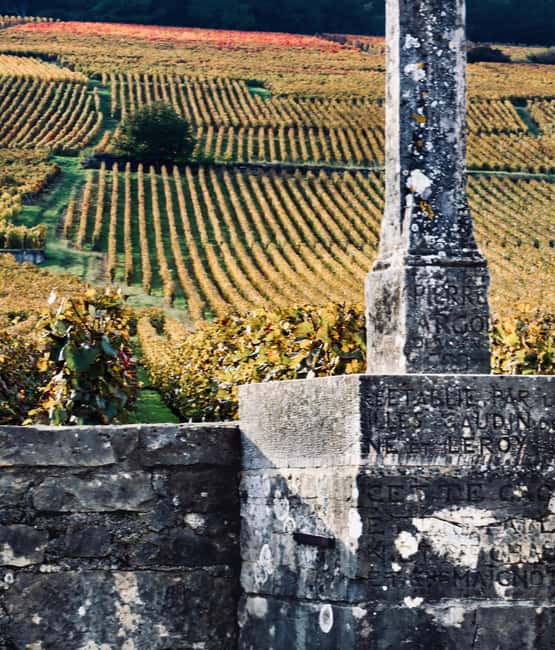
This is where the experience earns its keep. The guide points you through the Côte de Nuits and helps you place several headline appellation names you’ve probably only seen on wine labels: Romanée Conti, Richebourg, Clos de Vougeot, Bonnes Mares, and Chambertin.
The value isn’t just name-dropping. The guide ties those names to how Burgundy thinks: classification, terroir, and why different parcels can produce noticeably different wines. You’ll hear how the region organizes itself, how people talk about quality levels, and what those terms really mean in the vineyard.
If you’re the type who’s ever stared at a Burgundy shelf and thought, Why are these bottles named like real people?, this is for you. The tour gives you a mental map. Afterward, you’ll be better at matching what you taste to what you saw.
How vines work through the year (and why that changes what’s in your glass)
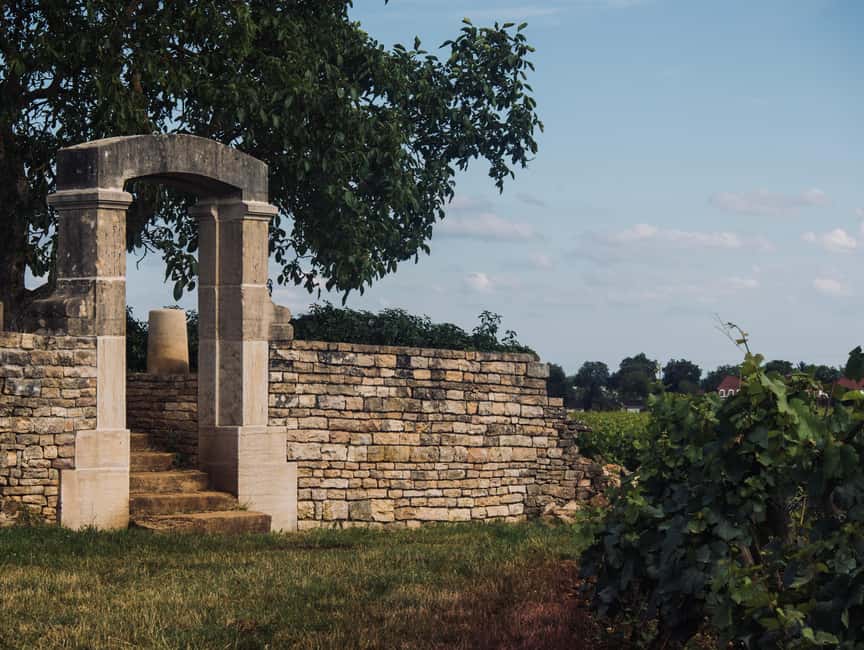
During the vineyard portion, you’ll get the practical explanation side of Burgundy. Expect talk about how vines work throughout the year—what changes as seasons shift, and what growers are managing in the vineyard. This matters because wine isn’t magic. It’s a chain of decisions that begins long before harvest.
You’ll also hear about terroirs, which is the word people use when they mean more than one thing. In Burgundy, terroir isn’t only about soil texture. It’s also about slope, drainage, exposure, and the microclimates that come from the way the hills are laid out. The guide’s job is to connect those ideas so they don’t stay abstract.
Here’s the practical takeaway: when someone explains why one place might give you more lift or structure than another, you’ll know what to listen for in the tasting. You’re not just collecting trivia. You’re building a shortcut for future bottle choices.
Nuits-Saint-Georges: the tasting brain starts to wake up
After the walk, you head to Nuits-Saint-Georges for about 1 hour of wine tasting. That timing works well. It’s long enough for the tasting to feel like the real point, but not so long that you forget what you saw on the vines.
Nuits-Saint-Georges is also a good place to anchor what you learned. The appellation has the classic Côte de Nuits character, but it’s not as intimidating as trying to jump straight into the most famous villages. It’s a setting that helps you focus on comparison—what changes and why.
A smart moment here: this portion isn’t just about pouring. You’re building a vocabulary for what you detect—structure, balance, and character—so you can connect aromas and flavors to the vineyard story you heard earlier.
Inside the cellar: seeing how the wines are made
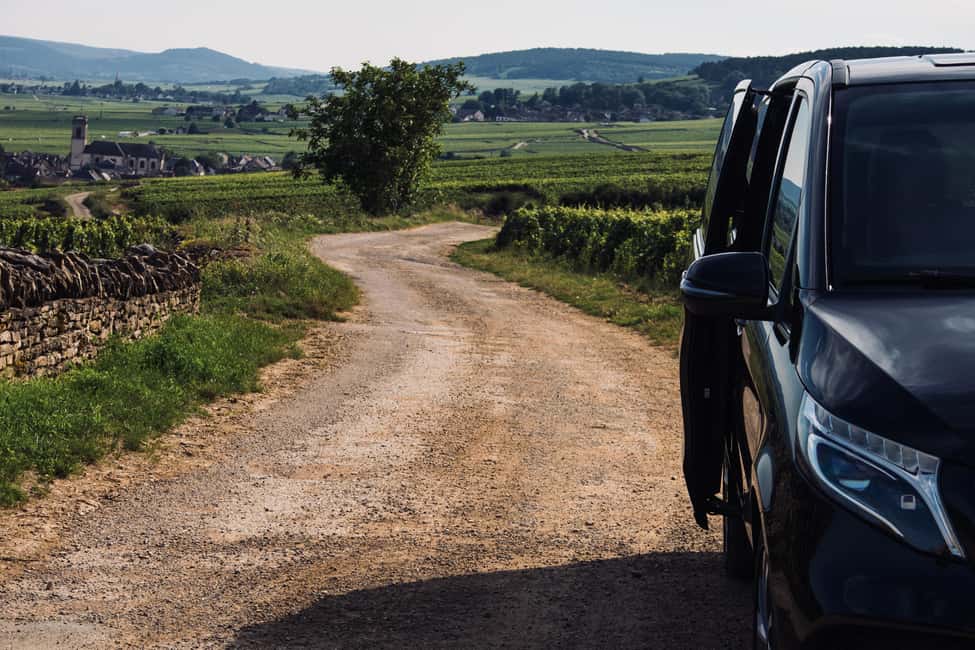
Between the vineyard views and the tasting, you’ll visit a winegrower’s cellar. This is important because it adds the missing link: what happens after the grapes leave the vineyard.
The tour frames the cellar visit as a chance to understand the process. You’ll learn how wines are made, with the guide explaining what growers do and why those choices matter for the final result. Even if you don’t become a winemaking expert in 150 minutes, you’ll leave with a clearer idea of how the region’s work turns into a bottle on your table.
This is also where you get an appreciation for consistency. One of Burgundy’s biggest appeals is nuance within a framework. A cellar visit helps you understand that the goal isn’t uniformity. It’s intention.
The 6-wine comparison tasting: training your palate, not just drinking
The tour ends with a comparative tasting of 6 wines from the estate. That format is one of the best values in wine tourism because comparison teaches faster than random sampling.
Instead of tasting six unrelated bottles, you taste variations that are connected. That helps you notice patterns: how the wines differ, what stays steady, and what the guide’s vineyard explanations were pointing you toward.
If you’re new to Burgundy, don’t worry. The guide’s explanations are there to guide your senses, and the structure of a comparison keeps things from feeling like a blur. If you’re more experienced, you’ll still appreciate how the tour forces you to articulate what you’re noticing rather than drifting into “tasty” mode.
Practical tip: if you like to remember what you liked, bring a tiny notebook or use your phone notes. Not for homework. For future bottle-buying decisions.
SAFARI TOURS since 1985: why the company age matters
This tour is run by SAFARI TOURS, in operation since 1985, and it’s described as Burgundy’s oldest wine tourism company. That kind of longevity is more than a brag line. It usually means they’ve refined the routes, timed stops, and built relationships that make small-group touring run smoothly.
It also signals that they know what visitors actually need. Short time in Burgundy means you can’t afford a tour that wastes minutes. Here, the flow is built around a sensible sequence: transport out, guided vineyard context, cellar visit, then a structured tasting.
You’ll see this reflected in the way the tour is organized for a max 8-person group: explanations stay legible, questions have room, and the itinerary doesn’t feel like you’re being dragged from one photo spot to the next.
Price and value: does $57 buy enough?
At $57 per person for a 150-minute experience, this isn’t a budget-only deal, but it also isn’t priced like a luxury multi-hour private tour. The value equation is strong because you’re paying for several bundled pieces:
- Transport via minivan out of Beaune and back
- A live guide with English and French
- Vineyard walking with interpretation (classification, terroirs, vine cycle)
- A winery cellar visit
- A comparative tasting of 6 wines
Most vineyard tours either give you a view with no real context, or they give you tasting with no framework. This one combines both. If you want a short, high-impact taste of the Côte de Nuits, the price feels fair for what you get.
If you already know Burgundy extremely well and you want deep dives into one specific site, you might find the time tight. But for the majority of visitors, it’s a strong first visit or a smart add-on day plan.
Who should book this Côte de Nuits excursion?
Book it if:
- You want structure more than randomness—vineyard context plus a tasting comparison
- You appreciate small groups and easy access to the guide
- You’re heading to Beaune and want something that feels authentically local, not just scenic
Consider a different option if:
- You hate walking on uneven vineyard paths
- You want long stops for photos, lunch, or museum-style pacing
- You’d rather spend your time in one cellar with extensive talk than in a tight, multi-part format
Should you book this Côte de Nuits excursion?
I’d book it if your goal is to understand Burgundy fast and taste with meaning. The pairing of a guided Côte de Nuits vineyard route with a cellar visit and 6-wine comparative tasting is a rare combo in a tour that stays short and efficient.
Two practical reasons to feel confident: the group is limited to 8, so you get real conversation time, and SAFARI TOURS has been doing this since 1985, which usually translates into smoother execution.
If you go in with comfortable shoes, a curious mindset, and the willingness to learn as you taste, this tour is exactly the kind of Beaune-area experience that makes the next wine purchase feel a lot less like guesswork.
FAQ
How long is the Côte de Nuits excursion?
It lasts 150 minutes.
Where is the meeting point?
Meet in front of the Beaune Tourist Office at Porte Marie de Bourgogne.
What’s included in the price?
Transport, a live guide with explanations, the vehicle, a visit to the winery, and a tasting.
How big is the group?
It’s limited to a small group of up to 8 participants.
How many wines do you taste?
You’ll taste 6 wines from the estate.
Do you visit a winery or cellar?
Yes. You’ll visit a winegrower’s cellar to learn how the wines are made, then taste wines afterward.
Which languages are offered?
The live tour guide is available in English and French.
Is there walking involved?
Yes, there’s a walk of about 45 minutes during the Côte de Nuits portion.
Is free cancellation available?
Yes. You can cancel up to 24 hours in advance for a full refund.