REVIEW · PARIS
Closing Time at the Louvre: The Mona Lisa at her Most Peaceful
Book on Viator →Operated by Walks - France · Bookable on Viator
The Louvre feels different when it is almost closing. This small-group, last-entry style tour is built for a calmer look at the museum’s real heavy-hitters, with your guide pointing out what matters before the crowd tide arrives. You start outside near the Arc de Triomphe du Carrousel, then work your way through classic galleries and end back at the museum area as doors close.
I really like two things here: the small group size (max 20) makes it easier to hear your English guide and ask questions, and the timing gives you a better shot at seeing the Mona Lisa with less shoulder-to-shoulder pressure. I also like that the tour includes headsets, so you are not straining your voice in big rooms.
One consideration: the Louvre can still be busy depending on season and day. A few people note it is not always peaceful, and the walking pace can feel brisk, so wear good shoes and keep expectations flexible.
In This Review
- Key tour wins I’d plan around
- Why closing-time at the Louvre feels easier
- The outside start: Arc du Carrousel to the Louvre Pyramid zone
- Entering the Louvre: your 3-hour route and what you will actually see
- A note on galleries changing on the day
- Mona Lisa near closing: why the timing is the whole point
- The Louvre Pyramid and Carrousel spots: quick context that pays off
- Small group size, headsets, and real-guide styles
- Price and value: what you are really paying for
- Timing and comfort: the only real trade-offs to plan for
- Who should book this Louvre closing-time tour
- Should you book Closing Time at the Louvre: Mona Lisa at her Most Peaceful?
- FAQ
- How long is the tour?
- Is the museum admission included?
- What language is the tour offered in?
- Where do I meet, and where does it end?
- Is it a walking tour?
- What if the Louvre or specific areas are closed?
Key tour wins I’d plan around
- Last-entry timing for a calmer Mona Lisa moment than typical midday rush
- Max 20 people keeps the experience feeling personal and easy to follow
- Headsets help you catch every explanation, even when the group tightens up
- Art-history storytelling includes major works across eras, not just a quick highlight lap
- Outside sights by the Pyramid and Carrousel add context without eating your museum time
Why closing-time at the Louvre feels easier
The Louvre is huge. Even with a map, it can turn into a long game of guess-and-sprint. This tour fixes that problem by focusing on core areas and doing the visit when the museum is winding down.
The big win is how the mood changes late. You still have to follow the museum’s rules near famous works, but the room often feels more manageable as time gets closer to closing. That means you can slow down for the details your eyes normally skip.
I also like the rhythm: you are not trying to see everything. You get guided, ordered highlights, plus enough time with each stop to actually understand what you are looking at. If you have ever felt museum fatigue, this format helps you avoid it.
You can also read our reviews of more tours and experiences in Paris.



The outside start: Arc du Carrousel to the Louvre Pyramid zone
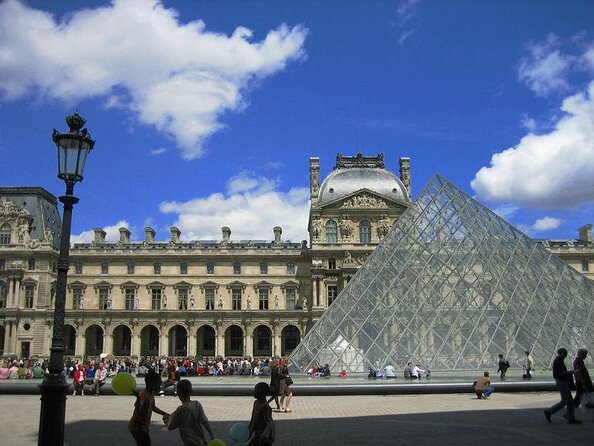
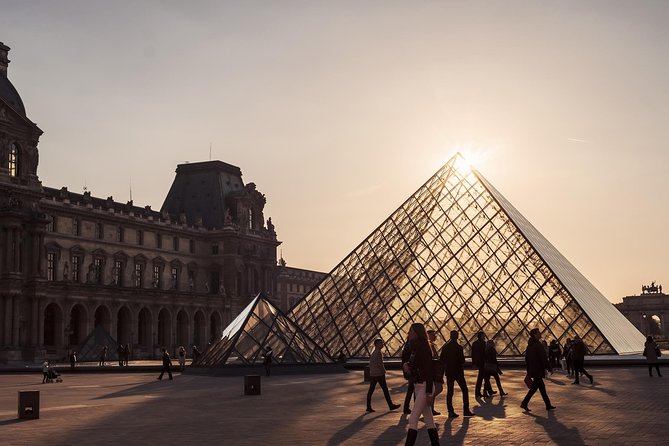
You meet at Arc de Triomphe du Carrousel, then the tour walks toward the Louvre’s central courtyard area. Along the way, you pass through key squares tied to the palace complex, including Place du Carrousel and Place des Pyramides.
This part matters more than it sounds. It helps you get your bearings fast before you enter, and the Louvre Pyramid courtyard is one of those spots where your brain goes, so this is what I am about to see.
Also, it is practical. Doing an early bit outside means you are already moving when you hit the security and entry flow. A few people mention the tour is smooth for getting in, and starting here supports that.
Entering the Louvre: your 3-hour route and what you will actually see
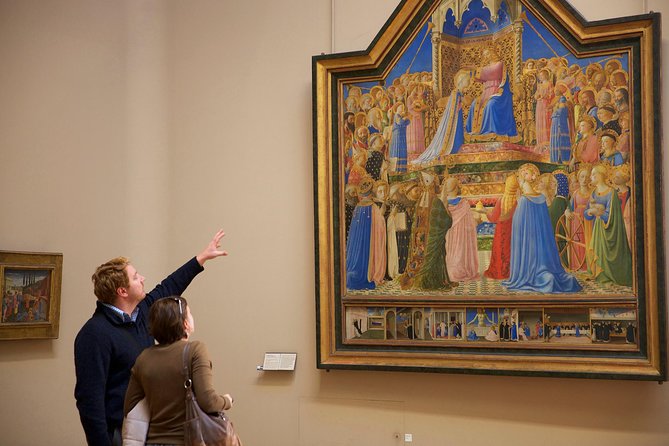
The tour is about 3 hours and is a walking tour through museum highlights, with admission included. You do essential sections with an art-historian style guide, using your time like a highlight reel that still has context.
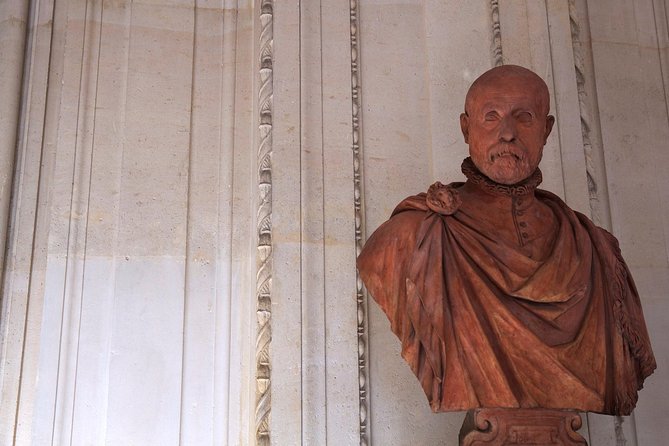
Inside, you are taken to the palace’s older structure area at the moat foundations. That stops the visit from feeling like it is only about paintings. You get a sense of how the building itself has layers, and why the museum feels like a palace you can walk through.
From there, you move into the classical collections. You will look at Greek statues and hunt for famous names like Venus de Milo and the Winged Victory of Samothrace. This is smart because it gives you a variety of art styles early, before you reach the later European masterpieces people usually race toward.
Next comes the section people tend to remember. You study major works tied to artists such as Caravaggio, Raphael, and da Vinci. Then you also visit Romantic drama with works like Géricault’s The Raft of the Medusa.
A note on galleries changing on the day
Your route is not guaranteed to be identical every time. Areas can close, and on strike days the museum may adjust access. Your guide may modify what you see, and that is normal in a place as large and operationally complex as the Louvre.
Mona Lisa near closing: why the timing is the whole point
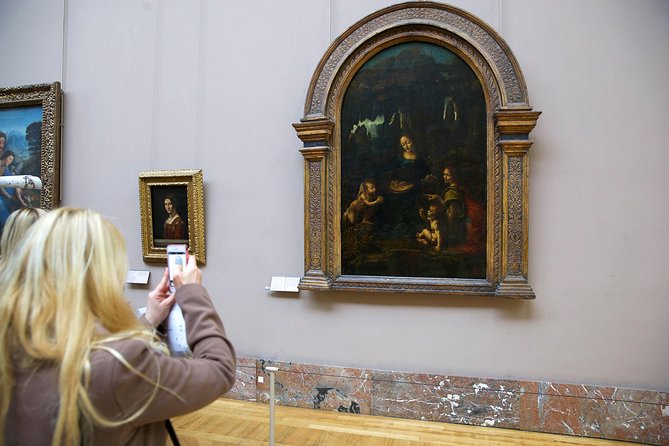
Let’s talk about the Mona Lisa problem. The painting is famous, yes. But the experience can be frustrating because the crowd pushes people into “look for 2 seconds and move on” mode. This tour is designed to improve that by aiming for an end-of-day visit right as the museum is closing.
In the best scenarios, you get enough space to actually study her face and posture. One review specifically calls out seeing the Mona Lisa close to 5:30pm with no one in front, and another says it felt like seeing her rather than seeing her from behind a wall of people.
Still, be realistic about barriers. Even when it is calmer, you will not do free-range viewing in every angle. But you can often stand closer and linger longer. That is the difference between rushing past a masterpiece and letting it land.
If you care about photos, this tour can help. Multiple reviews mention getting better pictures because the room is less jammed. The key is timing and guidance, not magic.



The Louvre Pyramid and Carrousel spots: quick context that pays off
The Louvre Pyramid is included in the tour experience, and it is more than a photo stop. You get a better sense of how the museum is organized from the courtyard, and it makes your inside route feel less random.
You also see the Arc de Triomphe du Carrousel area and the surrounding squares, which helps connect the Louvre to the larger Tuileries and palace axis. Even if you only spend a few minutes outside, it gives you a framework for what you are seeing indoors.
One practical benefit: if you have limited time in Paris, these outside stops give you more “Paris big sights” energy without turning the day into a long bus ride. You keep your time focused on the Louvre itself.
Small group size, headsets, and real-guide styles
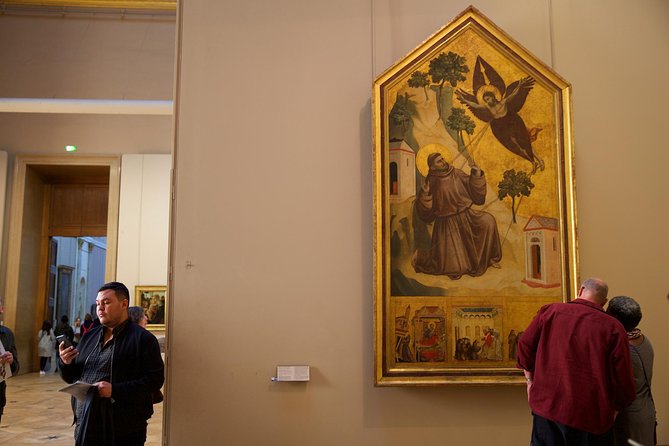
This tour keeps things small: maximum 20 people. That matters in the Louvre, where groups can balloon into noise. With headsets included, you are less dependent on hearing your guide over the crowd.
The guides also show up in the reviews as a major reason people rate this tour so high. Names that come up again and again include Adam, Julie, Sara, Antoine, Felicia, Laurence, Omar, Nancy, Ahmed, Aurelia, Felix, and Lee.
What I take from that variety is that the tour format works across personalities. Some guides add humor and keep kids engaged. Others use an iPad to show examples that help you see what you might miss in person. A few guides are described as pace-setters who get you through efficiently while still checking in with the group, including restroom stops.
If you want a tour where you can ask questions, the small-group setup supports it. If you want a tour that moves briskly to hit highlights, you are also covered. Just note one review mentions a speedier pace, so if you prefer a slow stroll, go in ready for a moderate walking rhythm.
Price and value: what you are really paying for
The price is listed at $101.58 per person for a tour around 3 hours with English service. The museum ticket for adults is included as a €22 entrance ticket, and you also get headsets and a guided walking route.
So the cost is not just entry. You are paying for:
- timed access that avoids some of the worst crush,
- a guide who decides what to prioritize,
- headsets that keep you connected to the narration,
- and a route that hits major works without turning into a scavenger hunt.
If you tried to do this on your own, you would still face the same “which galleries matter” challenge and the “Mona Lisa crowd” challenge. In practice, the guidance saves you time and mental energy. For many people, that is worth it even if you already know the famous names.
Also, the “small group” part is part of the value. When you spread out less, you hear more, and you feel less like you are being rushed.
Timing and comfort: the only real trade-offs to plan for
Even with last-entry timing, the Louvre can still be warm. One review calls out limited air conditioning and warns it can get hot on warmer days. If you visit in summer or spring heat, dress smart and bring water when allowed.
Another trade-off is that the tour ends at closing time. One review notes there is no opportunity to wander afterward with your own plan. If you like to float for an extra hour after highlights, you may want a separate add-on time slot on a different day.
Finally, closures and strikes can shuffle what you see. The tour data says areas visited can be subject to closure and the guide may adjust on the day, with strike-related updates possible at the meeting point if needed. That is not a flaw in the tour; it is the reality of operating in a working landmark.
Who should book this Louvre closing-time tour
This is a great fit if you:
- want the Mona Lisa experience without the strongest midday crush,
- prefer an organized route through major collections,
- like asking questions and getting explanations, not just sightseeing,
- and you value a small group setting in a big museum.
It is also a strong choice if you have kids or teens who need stories that keep them engaged. Several reviews mention guides who worked well with children and made the art feel less distant.
You might not love it if you:
- want a totally free-form, wander-until-you-feel-like-it Louvre day,
- are sensitive to walking at a moderate pace,
- or you absolutely require the exact same galleries every time.
Should you book Closing Time at the Louvre: Mona Lisa at her Most Peaceful?
I think this tour earns its place on a first-time Louvre trip. You get a focused set of masterpieces and a guided route, and the closing-time approach is the best “quality-of-experience” strategy for seeing the Mona Lisa without being buried in crowds.
If you book, go in with flexible expectations. Calm does not mean empty, and the Louvre can still be busy. But with the small group, headsets, and a guide who knows how to connect art to story, you are far more likely to leave feeling like you truly understood what you saw.
Book it if your priority is the highlights done well, at a time when the museum feels more human.
FAQ
How long is the tour?
The tour runs for about 3 hours.
Is the museum admission included?
Yes. The tour includes an entrance ticket to the Louvre for adults (listed as €22).
What language is the tour offered in?
The tour is offered in English.
Where do I meet, and where does it end?
You start at Arc de Triomphe du Carrousel (Pl. du Carrousel, 75001 Paris) and the tour ends at the Louvre Museum.
Is it a walking tour?
Yes. You should be able to walk at a moderate pace without difficulty.
What if the Louvre or specific areas are closed?
Areas visited can be subject to closure, and the guide may modify the route on the day. The Louvre may also close due to strikes, and updates may be communicated prior to the tour if time permits or at the meeting point for last-minute changes.