REVIEW · BORDEAUX
Bordeaux: Taste 4 Wines with a Certified Sommelier
Book on GetYourGuide →Operated by Bordeaux: Tours & Wine · Bookable on GetYourGuide
Bordeaux wine can seem like a code of château names, grape blends, soil types, and formal classifications. This tasting puts a real person beside you to explain that code while you sample four wines. Guadalupe, a Certified CMS Sommelier, Diploma WSET holder, and French Wine Scholar specialist, leads the session at L’Ampélo, a wine bar near the Quinconces tram stop.
I like the small group of no more than 10 people, which leaves room for questions, and I like the sensible tasting lineup: one sparkling wine, one white, and two reds with three French cheeses. The main consideration is that this is a seated wine lesson rather than a château visit or vineyard outing. You will learn about Bordeaux in the city, but you will not tour vineyards or wineries.
In This Review
- Key points to know before booking
- Why this Bordeaux tasting works for first-time wine drinkers
- What happens during the 90-minute tasting
- The cheese pairing is more useful than it sounds
- The premium upgrade: three classified wines
- What makes the guide important
- Location and timing near Quinconces
- Group size, age, and access
- Is $57 a fair price?
- What the high rating tells you, and what it does not
- Who should book this experience?
- My booking advice
- FAQ
- Where does the Bordeaux wine tasting take place?
- Who leads the tasting?
- How many wines are included?
- Is cheese included?
- What is the premium wine option?
- How long does the standard experience last?
- Do I need previous wine knowledge?
- In which languages is the tasting offered?
- Is the activity wheelchair accessible?
- Can children attend the tasting?
Key points to know before booking
- Four wines in 90 minutes: Taste one Crémant de Bordeaux, one white, and two red wines, all served as tasting pours.
- A proper wine lesson: Guadalupe covers appellations, soils, classifications, labels, grapes, blending, growing, and winemaking.
- Three French cheeses included: The cheese platter gives you a simple way to compare how food changes the taste of wine.
- Premium option available: Add three Grand Cru Classé and Classified wines for a total of seven wines over two hours.
- Easy central location: Meet inside L’Ampélo at 3 rue Gobineau, next to the Quinconces tram stop.
- English or Spanish instruction: No prior wine knowledge is required, and the group is capped at 10 participants.
Why this Bordeaux tasting works for first-time wine drinkers
The best feature here is the teaching. Bordeaux wine is not always easy to approach. Labels often emphasize the estate or appellation rather than the grape variety, and many bottles are blends rather than single-grape wines. A clear explanation can save you from treating every red Bordeaux as simply a French red wine.
Guadalupe’s credentials matter because the session covers more than tasting vocabulary. She holds certification from the Court of Master Sommeliers, a WSET Diploma, and a French Wine Scholar qualification. That gives the class a solid foundation, while the format remains open to beginners.
You can ask basic questions without needing to prepare first. The experience is designed to explain what you are drinking as you go, so you do not need to know the difference between Médoc and Saint-Émilion before arriving.
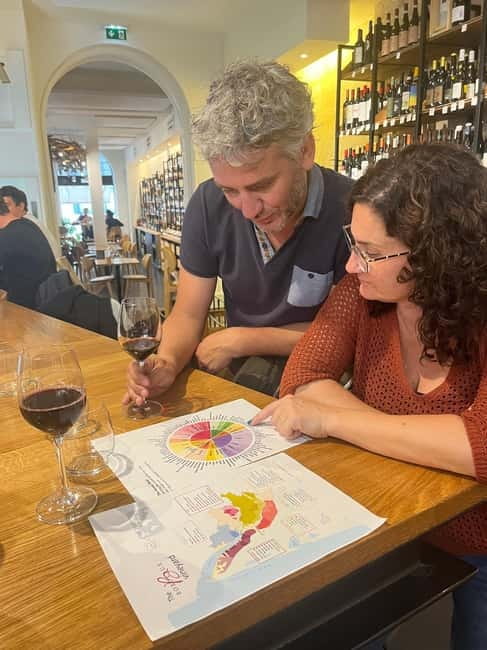
The setting also helps. L’Ampélo is a wine bar in central Bordeaux, not a classroom or a large attraction. You meet Guadalupe inside the bar, and the tasting ends there as well. This keeps the arrangement simple and makes it easy to fit into a day of sightseeing.
You can also read our reviews of more wine tours in Bordeaux

What happens during the 90-minute tasting
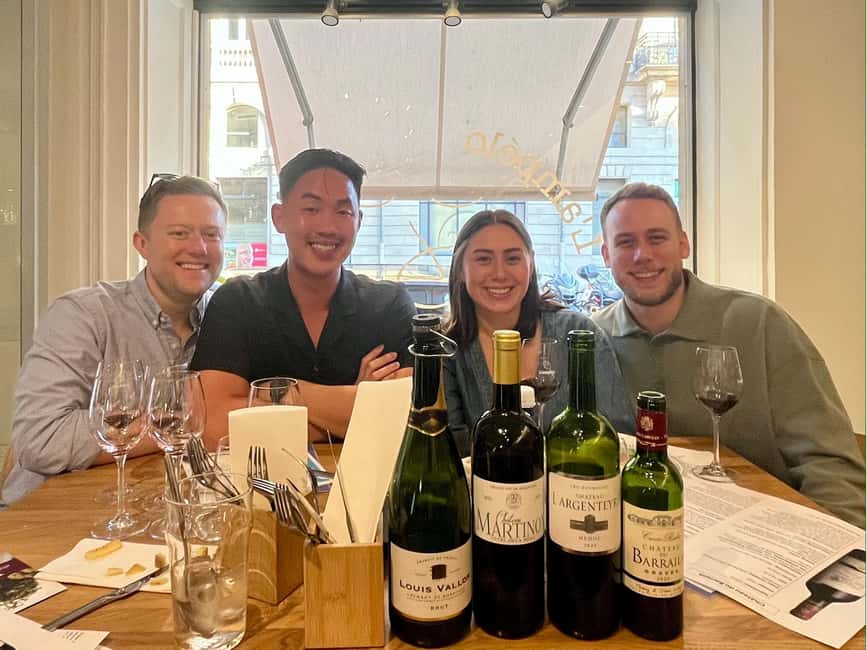
The standard session lasts about an hour and a half, though starting times vary with availability. The tasting is organized as a workshop, not just a flight of glasses placed in front of you.
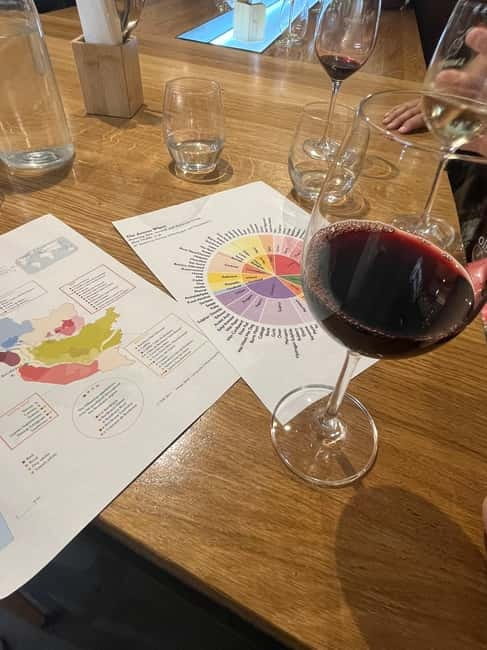
You begin with an introduction to Bordeaux and its wine regions. Guadalupe explains the area’s appellations, which are the legally defined zones that shape how wines are made and labeled. This is useful because Bordeaux bottles can ask you to recognize a place before you recognize a grape.
The session then moves into soils and wine classifications. These subjects can sound technical, but they help explain why two bottles from the same broad region may taste different and carry very different prices. The supplied information does not specify the exact appellations or vineyards used for each pour, so you should expect a regional lesson rather than a fixed list of famous estates.
Next comes label reading. This is one of the most practical parts for anyone who plans to buy Bordeaux later. You learn what information to look for and how the name on the bottle connects to place, producer, and classification.
Guadalupe also discusses winegrowing and winemaking methods, along with the grapes used in Bordeaux blends. The point is not to memorize every technical term. It is to understand why Bordeaux wines often combine several varieties and how those blends help create the region’s familiar style.
The four wines are served in this order:
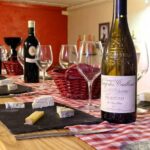
- One Crémant de Bordeaux
- One white Bordeaux wine
- Two red Bordeaux wines
- Three different French cheeses alongside the tasting
That sequence gives you a broad introduction rather than four similar reds. The sparkling wine offers a lighter start, the white changes the pace, and the two reds let you compare Bordeaux’s better-known category. The exact producers, vintages, and appellations are not specified, so the selection may vary.
The pours are tasting portions, not full glasses. That is standard for a workshop and allows you to focus on aroma, flavor, texture, and comparison without turning the experience into an afternoon of heavy drinking. It also means that anyone hoping for generous pours should adjust expectations.
The cheese pairing is more useful than it sounds
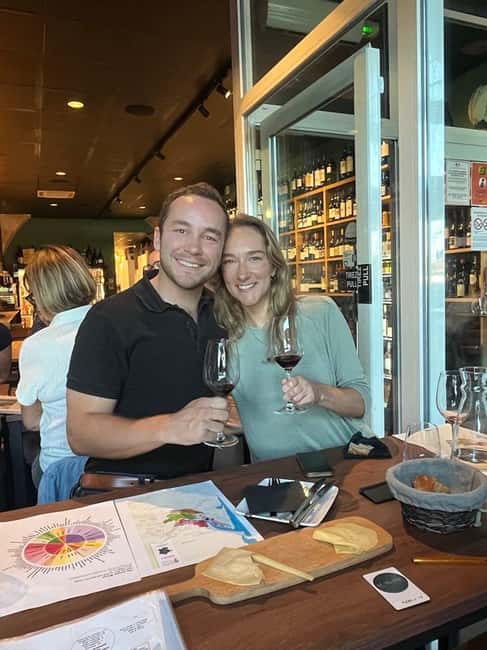
The platter includes three different French cheeses. This is not a full meal, but it adds an important part of the lesson.
Cheese gives you a way to test how food affects wine. A wine that seems sharp on its own may feel rounder with food. A red that tastes firm can behave differently beside a salty or creamy cheese. Guadalupe can use the platter to show these changes as they happen, rather than leaving pairing advice at the level of general rules.
Since the specific cheeses are not listed, you should not expect to choose them in advance. The value is in having several styles to compare with the wines. If you are hungry, plan a separate meal before or after the tasting.
The premium upgrade: three classified wines
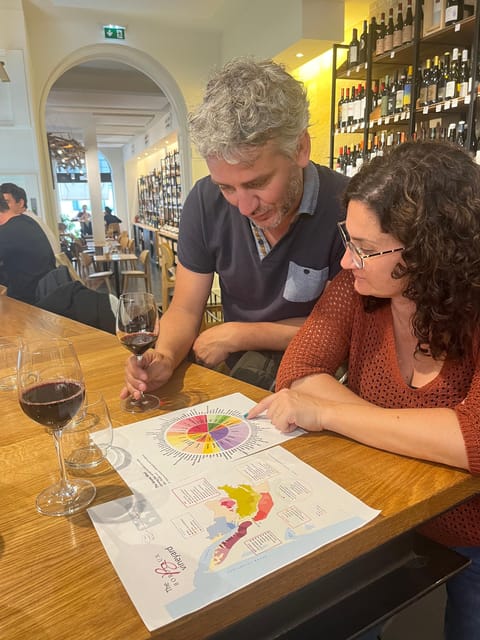
If you want a more ambitious session, you can add the premium option. This extends the experience to about two hours and adds three wines described as Grand Cru Classé and Classified wines.
That means a total of seven wines, still paired with French cheese. The option is aimed at people who want to spend more time on Bordeaux’s classification system and higher-priced bottles. It may also suit anyone already familiar with basic wine tasting who wants a stronger focus on classified wines.
The details provided do not name the estates, vintages, or exact classification categories for the premium pours. I would treat this as a chance to taste a higher-level selection, not as a guarantee of any particular château or vintage.
The upgrade also changes the pace. Seven wines require more discussion and comparison than four. If you are new to wine, the standard experience may be enough. If Bordeaux is a central reason for your visit, the longer version gives Guadalupe more time to explain the distinctions between ordinary regional bottles and classified wines.
What makes the guide important
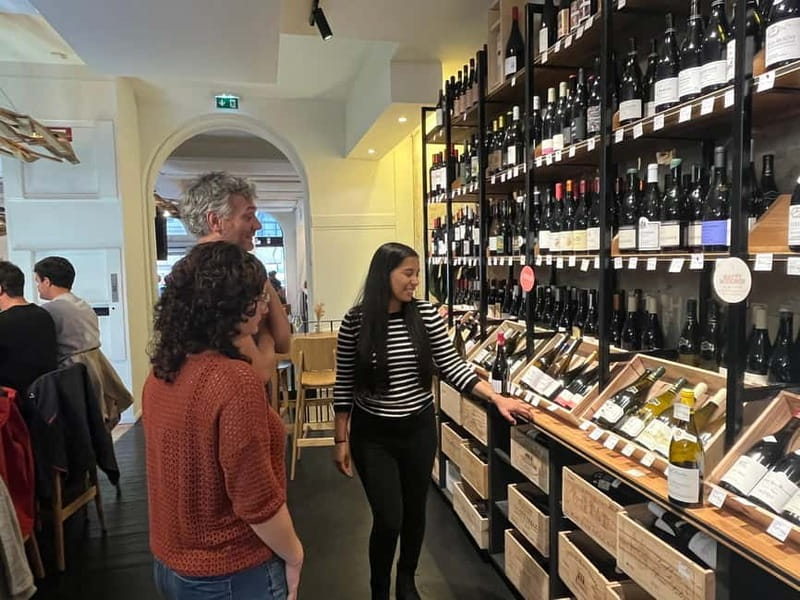
A wine tasting rises or falls on the person leading it. Here, Guadalupe is not simply pouring and naming bottles. Her role is to connect the glasses to Bordeaux’s places, grapes, production methods, and history.
She is also described as personable and fun in the experience feedback. That matters because a formal wine vocabulary can make beginners feel tested. A friendly guide can turn questions about acidity, tannin, oak, or blending into plain conversation.
You can take advantage of this by asking for practical advice. Ask how to read a Bordeaux label, what terms to notice when buying a bottle, or how classified wines differ from the regular selection. The session specifically invites questions, tips, and advice, so it is worth speaking up rather than waiting for the next slide or explanation.
The language options are English and Spanish. If you prefer either of those languages, confirm the available session details when booking. The activity is not presented as a French-language class.
Location and timing near Quinconces
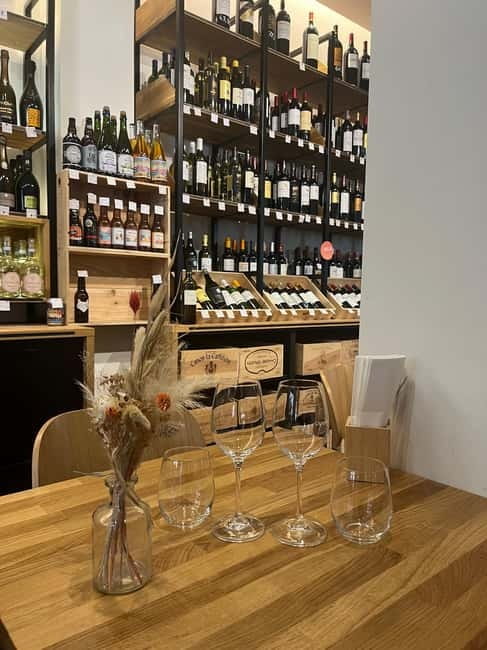
L’Ampélo is at 3 rue Gobineau, 33000 Bordeaux. It is next to the Quinconces tram stop, served by lines B, C, and D.
That is a useful meeting point because you do not need a hotel transfer or a separate vehicle. Guadalupe waits for you inside the wine bar, and the activity ends back at the same location. Arrive with enough time to find the entrance and settle in, especially if you are unfamiliar with Bordeaux’s tram system.
The central setting makes this easy to pair with other plans. You might schedule it between sightseeing stops, but do not place it too close to a train departure or another timed booking. Starting times vary, and the tasting itself can last from 90 minutes to two hours if you choose the premium version.
There is no hotel pick-up or drop-off. That is not a major problem for a central city activity, but it is worth noting if you are staying outside Bordeaux or looking for a countryside wine excursion.
Group size, age, and access
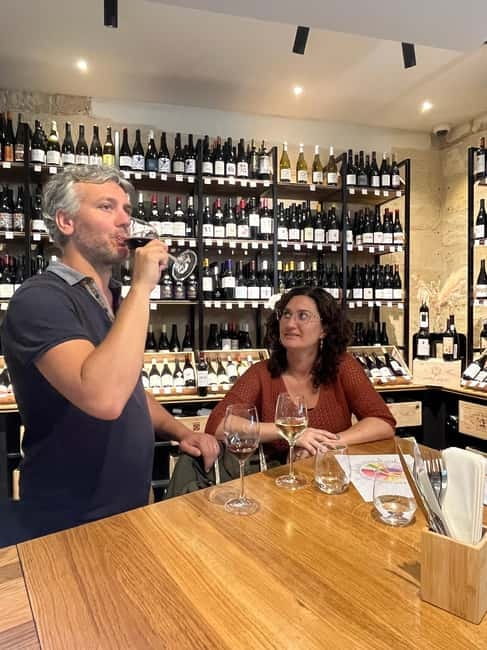
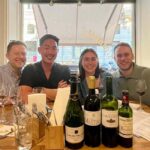
The group is limited to 10 participants. That is small enough for direct conversation, but it is still a shared experience. You may be tasting with people at very different levels, from complete beginners to wine enthusiasts.
No previous knowledge is required. The teaching structure should help you follow along even if Bordeaux labels are new territory. At the same time, the open question format gives experienced drinkers a reason to attend, since they can ask for more specific guidance.
The activity is listed as wheelchair accessible. Pets are not allowed. It is not suitable for children under 18, despite fruit juice being listed for under-18 participants. If this point affects your plans, confirm the current age arrangements before booking rather than assuming a child can attend.
Is $57 a fair price?
At $57 per person, the standard tasting is not the cheapest way to drink four wines in Bordeaux. You are paying for the instruction, the central wine-bar setting, the cheese platter, and the expertise of a professionally certified sommelier.
For someone who only wants four small pours, the price may feel high. You could buy a bottle elsewhere for less, but that would not teach you how Bordeaux labels work or how the region’s wines differ.
The value improves if you are new to Bordeaux wine or expect to buy bottles during your trip. A short lesson can help you avoid choosing based only on an impressive château name or an unfamiliar classification term. The practical knowledge continues after the glasses are cleared.
The premium upgrade needs a separate value judgment because its price is not provided here. It adds three wines and extends the tasting to two hours, but the exact estates and vintages are not listed. Choose it for the extra teaching and comparison, not because a particular famous bottle is promised.
What the high rating tells you, and what it does not
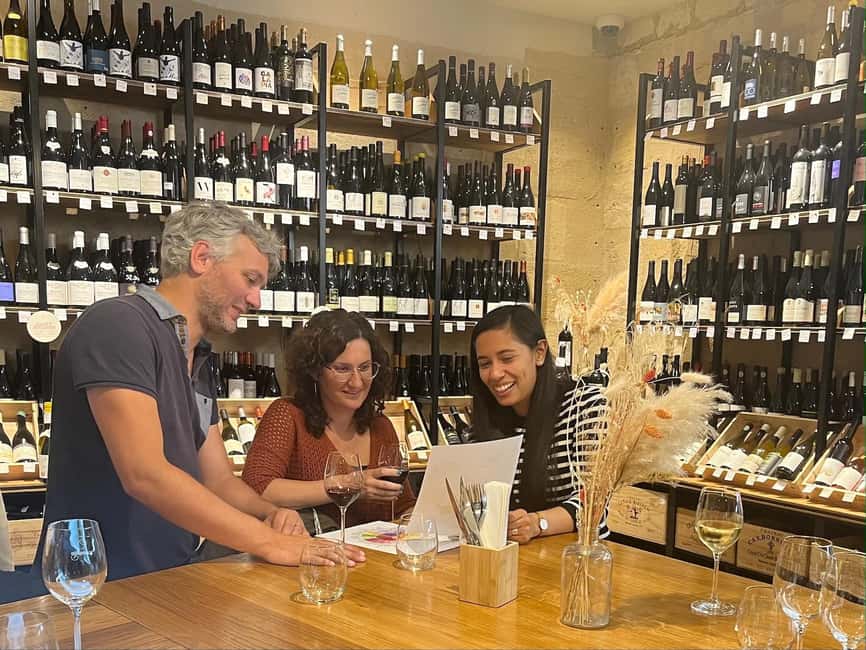
The experience has a 4.9 rating from eight reviews, with praise focused on Guadalupe’s expertise, friendly manner, regional explanations, location, and wine selection.
That emphasis is useful. It suggests the strongest part of the experience is the guide-led conversation, not a dramatic setting or a large number of wines. The feedback also points to the session being enjoyable while still teaching the basics, a good combination for a first tasting.
The small number of ratings means I would not treat the score as a guarantee of every possible experience. Wine selection can change, and group chemistry always varies. Still, the repeated praise for Guadalupe’s teaching and personable style matches the structure of the activity.
Who should book this experience?
I would recommend it to you if:
- You are visiting Bordeaux and want a clear introduction to its wines.
- You want to understand labels, blends, classifications, and appellations.
- You prefer a small group over a large city tour.
- You enjoy asking questions and learning through comparison.
- You want a central activity without arranging transport.
- You would like to taste wine with cheese rather than simply stand at a bar.
It is especially useful early in a Bordeaux visit. Take the tasting before shopping for bottles or visiting more wine-focused sites, and the vocabulary may help you make sense of what you encounter later.
You may want something else if you are looking for vineyard views, cellar access, château architecture, or a full meal. None of those are part of the described experience. This is a city wine workshop with a local guide, not a countryside wine tour.
My booking advice
Book the standard four-wine session if you want a well-organized introduction and have about 90 minutes. It gives you sparkling, white, and red wines, plus cheese, without asking you to commit to a longer tasting.
Choose the premium option if you already have basic wine knowledge or if Bordeaux’s classified wines are a major reason for your visit. Just remember that the specific premium bottles are not named in advance.
For most visitors, the standard version offers the clearest balance of time, variety, and instruction. The central location, small group, and Guadalupe’s strong qualifications make it a sensible way to turn Bordeaux wine from a confusing subject into something you can actually discuss and choose with confidence.
FAQ
Where does the Bordeaux wine tasting take place?
The tasting takes place at L’Ampélo, 3 rue Gobineau, 33000 Bordeaux. The wine bar is next to the Quinconces tram stop, served by lines B, C, and D.
Who leads the tasting?
Guadalupe leads the experience. She is a Certified CMS Sommelier, Diploma WSET holder, and French Wine Scholar specialist.
How many wines are included?
The standard tasting includes four tasting pours: one sparkling wine, one white wine, and two red wines.
Is cheese included?
Yes. The standard experience includes a platter with three different French cheeses.
What is the premium wine option?
The premium option adds three Grand Cru Classé and Classified wines. The extended tasting includes seven wines in total and lasts about two hours.
How long does the standard experience last?
The standard workshop lasts about 1.5 hours. Starting times vary, so check availability when booking.
Do I need previous wine knowledge?
No. The workshop is designed for people without previous wine knowledge, and you can ask questions during the session.
In which languages is the tasting offered?
The experience is offered in English and Spanish.
Is the activity wheelchair accessible?
Yes. The activity is listed as wheelchair accessible.
Can children attend the tasting?
The activity is not suitable for children under 18. Fruit juice is listed for under-18 participants, so confirm the current age arrangements if this is relevant to your booking.