REVIEW · OBERNAI
Alsace Half-Day Wine Tour from Strasbourg
Book on GetYourGuide →Operated by Ophorus · Bookable on GetYourGuide
Alsace wine country is close enough to Strasbourg for a proper taste without giving up your whole day. This four-hour outing takes you to Obernai and two wineries, where you can sample local wines, meet producers, and see the countryside along the Alsace Wine Route.
I like the small eight-person maximum, which keeps the van friendly and makes questions easy. I also like the contrast between the two stops: one may offer a more formal introduction to winemaking, while the second takes place in a traditional Alsace caveau. The main drawback is simple: tastings generally come without snacks, so eat breakfast or lunch first.
In This Review
- Key points to know before you book
- Why this four-hour trip works from Strasbourg
- The drive from Strasbourg to Obernai
- Obernai: a walk, a tasting, and a sense of place
- Following the Alsace Wine Route
- The second winery and the useful contrast
- Learning the seven Alsace wine types
- What the small group changes
- Timing, food, and comfort
- Who will get the most from this tour
- Is the $153 price fair?
- Should you book the Alsace Half-Day Wine Tour from Strasbourg?
- FAQ
- How long is the Alsace half-day wine tour from Strasbourg?
- Where does the tour meet in Strasbourg?
- How many wineries do you visit?
- How many wines will I taste?
- Is the tour conducted in English?
- Is this tour suitable for children?
- Are food and snacks included?
- Is the tour suitable for wheelchair users?
Key points to know before you book
- Two winery visits, not just a tasting room stop: You taste at two different producers and may meet the people who make the wine.
- Obernai adds more than wine: The schedule allows about two hours for wine tasting and a walk in this attractive Wine Route town.
- Seven Alsace wine types are covered: Your English-speaking guide explains the region’s main varieties and styles.
- A genuinely small group: The minivan carries no more than eight passengers, with transport included from Strasbourg.
- A smart fit for a short Strasbourg stay: The half-day format gives you a taste of rural Alsace while leaving much of the day free.
- Plan around the practical limits: It is for adults aged 18 and over, is not suitable for wheelchair users, and runs in English only.
Why this four-hour trip works from Strasbourg
Strasbourg is one of France’s most rewarding cities, but the surrounding wine villages have a different character. Half a day is enough to leave the train station area, reach the vineyards around Obernai, and return before your day disappears.
The meeting point is at 8 Place de la Gare, next to the pharmacy. That is useful if you are staying near the station or arriving by train, though you should allow time to identify the exact spot before departure. From there, the first transfer takes about 30 minutes.
The tour price is $153 per person. That is not a bargain-basement excursion, but it includes a driver-guide, transport, two winery tastings, and a small group capped at eight. You are paying for access to rural Alsace without arranging a car, finding wineries that accept visitors, or trying to navigate after sampling wine.
For me, the value depends on your plans. If you already have a rental car and several cellar appointments, you may prefer to explore independently. If you are relying on public transport, staying in Strasbourg for only a few days, or want an easy introduction to Alsace wine, the price is easier to justify.
The drive from Strasbourg to Obernai
The trip begins with a 30-minute ride south from Strasbourg. The drive is not dead time. Your guide introduces the region, points out towns along the way, and explains how Alsace’s climate, soils, sun exposure, and geology shape its wines.
Guides vary by departure, but the tour has included hosts such as Florence, Laurence, Pauline, Jérôme, Thierry, Laurent, Robin, and Maksym. Their strengths differ, yet the most useful pattern is clear: guides are expected to handle both regional background and wine questions, not simply drive the van from one tasting to the next.
The van is described as comfortable and fully equipped. With a maximum of eight passengers, you avoid the feel of a large coach, and the smaller vehicle is better suited to village roads. Several guides are also praised for careful driving, which matters when your group is carrying open bottles and discussing wine in the back.
Obernai: a walk, a tasting, and a sense of place
Obernai is the first main stop. The visit lasts about two hours and combines a walk with your first wine tasting at one of the selected wineries near town.
This pairing is important. You are not being rushed directly into a cellar with no idea where you are. A little time in Obernai lets you see an Alsace town before focusing on the bottles. The town is also a practical introduction to the villages and countryside that give the Wine Route its appeal.
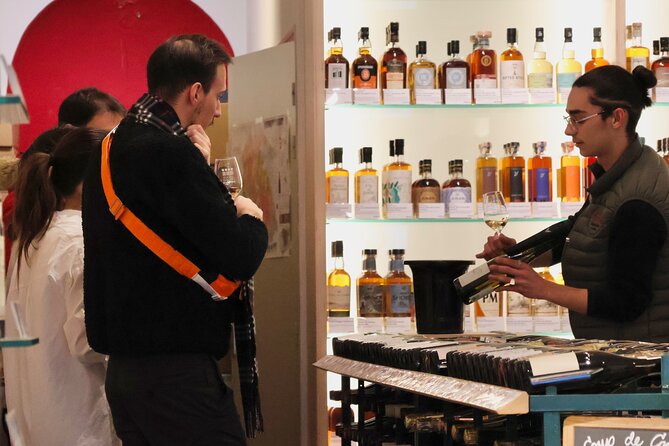
At the first winery, expect an introduction to Alsace wine followed by a selection of tastings. The exact number can vary, but past outings have included roughly four to six wines at a stop, and some tastings have included more. The range can give you a clearer idea of how grape, sweetness, vintage, and winemaking choices affect the final glass.
Several visits have featured family-run producers. That can make the stop feel more personal than a commercial tasting center. You might hear about how the winery operates, how the family works the vines, and what makes its cellar different from the next producer down the road.
Do not assume that every Alsace white will be sweet. The region is especially known for aromatic whites, but the tasting can include dry styles as well. This is one of the most useful lessons for anyone who thinks Alsace wine has only one flavor profile.
Following the Alsace Wine Route
After Obernai, the minivan continues along the Alsace Wine Route for about 30 minutes. The countryside is part of the experience, not merely a way to fill the gap between wineries.
Your guide may point out villages, explain local wine traditions, and stop for photographs when the schedule allows. The route gives you a quick look at the relationship between town, vineyard, and cellar. You will not get a full day of walking through vineyards, but you will see enough of the setting to understand why the area is so closely tied to wine production.
This is also where a good guide makes a real difference. Pauline has been praised for explaining the towns along the route and answering questions, while Florence has kept passengers engaged with facts about Alsace even when the weather was poor. Guides such as Laurence and Maksym have also been valued for combining wine knowledge with regional history and humor.
The commentary is in English only. That is convenient for English-speaking visitors, but it also means this is not the right choice if you need a French, German, or multilingual tour.
The second winery and the useful contrast
The second tasting lasts about 45 minutes and takes place in a typical Alsace caveau, or traditional wine cellar and tasting space. The atmosphere can differ sharply from the first winery, which is one of the strongest features of the route.
Past departures have included stops at producers such as Noelle Bachert, Durmann, and Vincent Stoeffler, though the exact wineries can vary. Some visits have been described as formal and informative, while others have felt more intimate, with a winemaker explaining the family business directly.
That contrast helps you compare rather than simply collect tastings. One cellar might focus on the production process, while another gives you a closer look at a producer’s style and approach. You may taste four or more wines at this stop, and some groups have sampled a surprisingly broad selection across both wineries.
The pours have often been generous, so pace yourself. You do not need to finish every sample, and you should remember that the driver is also your guide. The experience is designed around tasting and learning, not drinking as much as possible.
If you find a bottle you like, purchases may be possible at the wineries. Some participants have arranged shipping home, and the guide has helped combine purchases from the two producers to reduce shipping costs. Shipping rules and costs are not stated as part of the tour, so ask at the cellar before committing to a large order.
Learning the seven Alsace wine types
The tour promises an explanation of the seven different types of Alsace wines. This is more useful than a tasting that simply hands you a glass and names the grape.
Your guide explains how the region’s wines differ in aroma, sweetness, body, and food suitability. Since the tastings can cover several wines at each stop, you get a chance to compare styles side by side rather than rely on a single sample.
The value here is practical. After the tour, you should have a better sense of what to order in Strasbourg restaurants or what to look for when buying a bottle. You also gain language for asking questions, especially if you are unsure whether you prefer a dry, aromatic, fuller, or sweeter wine.
The exact order of the seven types and the number of wines poured are not fixed in the supplied schedule. Treat the selection as dependent on the wineries visited and the guide leading your departure. That variety is a strength, though it means no two outings need to be identical.
What the small group changes
A group limit of eight is one of the clearest reasons to choose this tour over a larger coach excursion. You can hear the guide from the back of the van, ask about a wine without holding up a crowd, and speak with the other people in your group.
Small groups also suit family-run wineries. A room with eight visitors feels more natural than one filled with several dozen people. You have a better chance of hearing the producer, examining the bottles, and asking how the cellar works.
There is a tradeoff. The minimum operating requirement is two adult passengers, so the tour depends on enough bookings for your selected departure. Also, a small group does not guarantee a private tour. Other passengers will share the van and tastings.
Still, the size is a good middle ground. You get the ease of an organized trip without losing the social feel of a local excursion.
Timing, food, and comfort
The full schedule runs about four hours. The listed movements add up to roughly 30 minutes from Strasbourg to Obernai, two hours around Obernai, 30 minutes along the Wine Route, 45 minutes at the second tasting, and about 40 minutes back to Strasbourg. In practice, allow some flexibility for traffic, village walking, photographs, and the pace of the cellar visits.
The tour does not include meals or drinks beyond the wine tastings, and snacks are usually not provided. Eat before you leave. This is especially important because several tastings may be offered, and wine on an empty stomach is a poor way to appreciate subtle flavors.
Wear comfortable shoes. You will walk in Obernai, and village streets are a better setting for sturdy footwear than delicate city shoes. Bring a passport or identity card as requested, and remember that pets are not allowed.
The tour is for adults aged 18 and over. It is not suitable for wheelchair users, and the transport and walking plan should be considered carefully if you have limited mobility.
Weather should not stop you from booking, but it can affect the visual side of the outing. The drive and tastings continue in poor weather, yet sunny conditions will make the countryside and village stops more rewarding.
Who will get the most from this tour
I would choose this experience if you are staying in Strasbourg and want a first taste of Alsace wine without building a complicated transport plan. It is also a good choice for couples, solo visitors, and small groups who prefer a social outing with room for questions.
It suits curious beginners particularly well. You do not need a strong wine background, and the explanation of the seven local types gives structure to the tasting. At the same time, people who already enjoy wine may appreciate meeting smaller producers and comparing two different cellars.
The half-day length works well for a short city break. You can spend the morning or afternoon outside Strasbourg and still keep time for the cathedral, museums, canals, or dinner in town.
I would think twice if you want a long vineyard walk, a full meal, a private vehicle, or a very fixed list of wineries. This is a compact introduction, not a full-day wine education program. The stop selection can vary, and the experience leans toward tasting, conversation, and regional context rather than extensive estate touring.
Is the $153 price fair?
The fee makes the most sense when you calculate what it removes from your trip planning. You receive round-trip transport, an English-speaking driver-guide, two winery visits, and access to producers outside Strasbourg. You also avoid driving after tastings.
For two people without a car, the convenience is substantial. Public transport may get you to some Alsace towns, but connecting several wineries and arranging appointments can take time. This tour puts the route, transport, and cellar visits into one morning or afternoon.
The price is less attractive if you only want one glass of wine or a short scenic drive. You are paying for a focused regional experience, and you should take advantage of it by asking questions and comparing the wines rather than treating the stops as quick photo opportunities.
With a rating of 4.8 from 346 completed ratings and an 88 percent perfect transport score, the experience has a strong record. The consistently praised elements are the guides, safe driving, comfortable minivan, family-run wineries, and the useful contrast between the two stops.
Should you book the Alsace Half-Day Wine Tour from Strasbourg?
Book it if you want to leave Strasbourg easily, taste at two contrasting wineries, and learn how Alsace wine fits into the region around Obernai. The small group and half-day schedule make it especially practical for a first visit or a packed city itinerary.
Skip it if you need wheelchair access, are under 18, want a meal included, or prefer to choose every winery yourself. Otherwise, eat beforehand, wear comfortable shoes, arrive at 8 Place de la Gare with identification, and keep a little space in your luggage for a bottle you may want to take home.
FAQ
How long is the Alsace half-day wine tour from Strasbourg?
The tour lasts four hours, including transfers between Strasbourg, Obernai, the wineries, and the return meeting point.
Where does the tour meet in Strasbourg?
The meeting point is 8 Place de la Gare, 67000 Strasbourg, next to the pharmacy.
How many wineries do you visit?
You visit two wineries in the Alsace region, with one tasting near Obernai and another at a traditional Alsace caveau along the Wine Route.
How many wines will I taste?
The exact number can vary by departure and winery. Previous tastings have included at least four wines at some stops, with several groups tasting around five or six wines per cellar and some sampling many more across both visits.
Is the tour conducted in English?
Yes. The tour is operated in English and includes a live English-speaking guide.
Is this tour suitable for children?
No. Participants must be at least 18 years old, and the experience is for adults only.
Are food and snacks included?
No. Meals and drinks are not included, and snacks are usually not provided during the tastings. Eat a good breakfast or lunch before departure.
Is the tour suitable for wheelchair users?
No. The experience is not suitable for wheelchair users. Comfortable shoes are recommended because the Obernai visit includes walking.