REVIEW · BEAUJOLAIS
Visit : From Château des Thorins to Château du Moulin-à-Vent
Book on GetYourGuide →Operated by Château du Moulin-à-Vent · Bookable on GetYourGuide
The most interesting part of this experience is that it connects the wine in your glass to the ground beneath the estate. From the terrace, you look across Moulin-à-Vent and learn how granite, pink sand, wind, and separate vineyard sites shape the wines. Then you follow the process into the winery and down into a cellar dating from the 16th century.
I like the four-wine tasting, especially because two wines come from individual vineyard sites and one is from an older vintage. I also like the private look at Château du Moulin-à-Vent, a wine estate with more than three centuries of recorded history and a working production side, not just a pretty façade.
The main consideration is timing. The booking information lists the experience as lasting one day, but the scheduled visit and tasting are each shown as 30 minutes, for about an hour of guided content. Confirm the starting time and expected length when you book, particularly if you are planning the rest of your day around it.
In This Review
- Key points to know before you go
- Why the terrace is the right place to start
- Three centuries inside Château du Moulin-à-Vent
- Inside the vat room, where the wine takes shape
- The 16th-century vaulted cellar
- Four wines in the Chapelle des Thorins
- The value of $34 per person
- Finding the château near the windmill
- Who will enjoy this private visit most
- Practical details that affect your decision
- Should you book it?
- FAQ
- Where does the tour begin?
- How long does the visit last?
- How many wines are included?
- Is the tour offered in English?
- Is this a private experience?
- Is the experience wheelchair accessible?
- Can I cancel for a full refund?
Key points to know before you go
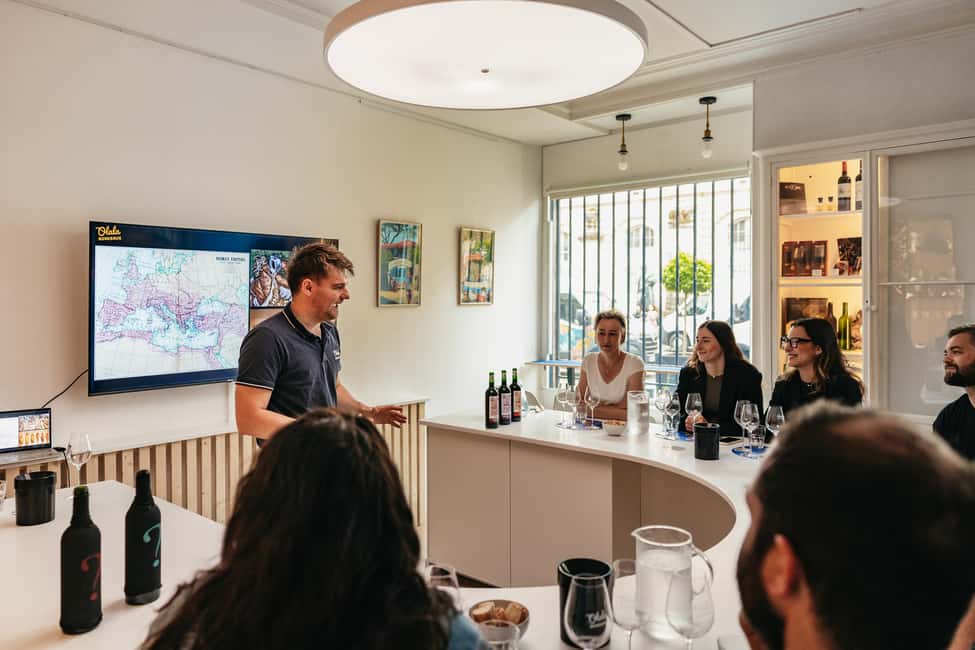
- See five of Moulin-à-Vent’s 69 named terroirs from the terrace, with explanations of their different settings.
- Visit a 16th-century vaulted cellar, the oldest and most atmospheric part of the route.
- Taste four wines, including two single-vineyard cuvées and one older vintage.
- Learn how granite soil and local winds affect the appellation, rather than tasting the wines without context.
- Tour a historic estate dating to 1732, with attention to the families who carried it forward.
- Book a private group in English or French, with wheelchair access and cancellation up to 24 hours before departure.
Why the terrace is the right place to start
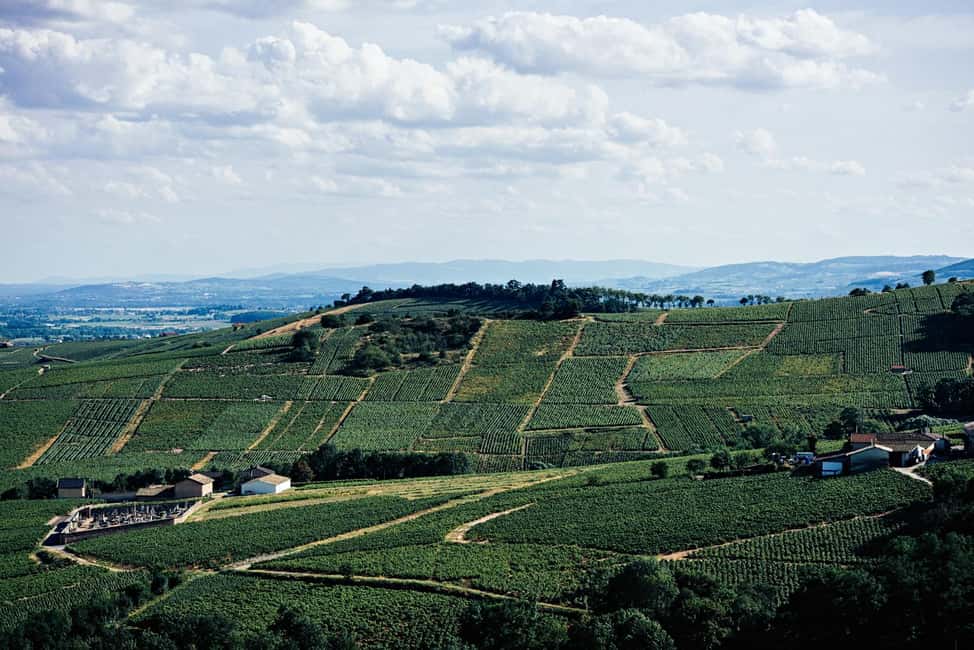
The tour begins with a view, and that is a smart choice. Wine can seem abstract when you hear words such as terroir, granite, and vintage effect in a tasting room. Here, the first explanations take place above the appellation, where you can connect those ideas to actual hills, parcels, and weather.
Moulin-à-Vent is one of the Beaujolais crus, and the estate explains its identity through granite soils. The soil produces a characteristic pink sand, a detail that gives the geology a visible form. You are not simply told that the ground matters. You are shown what to look for and why the estate considers its soil a key part of the wine’s character.
The terrace also provides a useful introduction to the local wind. The name Moulin-à-Vent refers to the windmill, an emblematic sight near the château. The wind affects both the wider appellation and the estate, and the guide explains its role before you enter the production areas.
You can see five of the appellation’s 69 terroirs from this viewpoint. That number matters. It gives you a sense of how varied Moulin-à-Vent can be, even within a relatively compact wine area. The different sites have different surroundings, and the tour uses that visible variety to explain why separate vineyard wines can taste distinct.
I like this opening because it gives you a framework for the tasting later. You will recognize that the four bottles are not just four labels. They represent choices about place, vintage, and winemaking.
Three centuries inside Château du Moulin-à-Vent
The château’s story reaches back three centuries, and the estate identifies itself as a reference domain since 1732. The historical part of the visit follows the great families who have carried the property through the years. This is not presented as a detached museum stop. The past is tied to a working estate that still makes wine today.
That connection is important. A historic château can sometimes feel like a backdrop for photographs, with little sense of what happens behind the scenes. Here, the story leads toward the winery, where you see how the estate’s present methods relate to its long continuity.
You should expect a compact historical presentation rather than a full museum tour. The supplied timing gives 30 minutes for the guided visit, and that portion includes the château, terrace, production areas, and cellar. If you want a long architectural tour or a detailed account of every former owner, this may feel brief.
For most wine-focused visitors, the balance works well. You get enough background to understand why the estate matters, without spending the whole visit on dates and family names. The focus remains on the property’s continuing faith in its wines and its work in the vineyards and winery.
Inside the vat room, where the wine takes shape
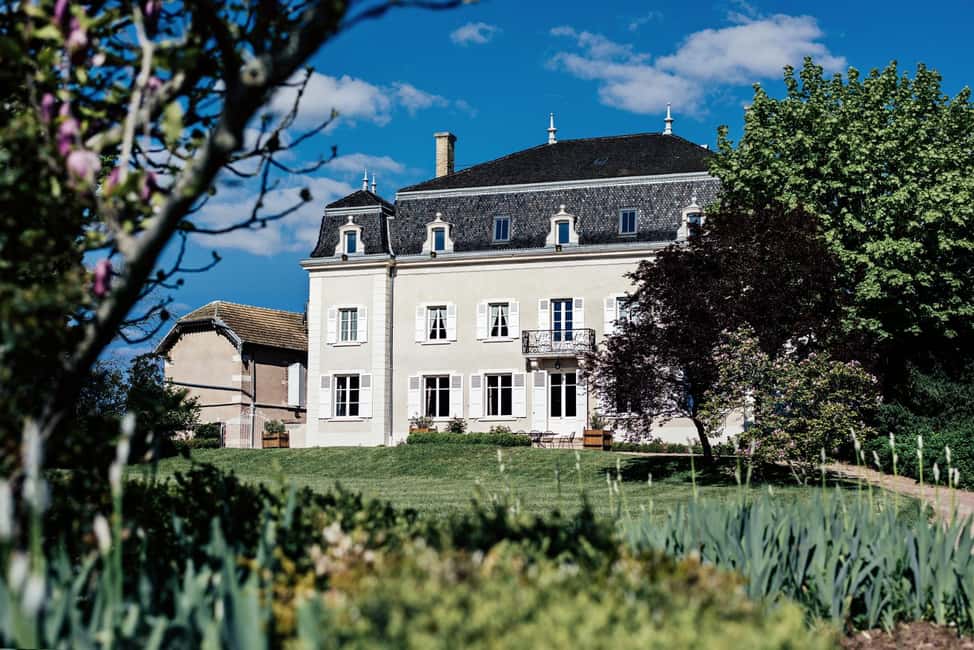
After the terrace and château history, the visit turns technical. In the vat room, the guide explains the estate’s methods and the reasons behind its choices. You follow the wine from harvest through maturation, so the tasting at the end has a clear production story behind it.
This is the part I would value most if you want more than a scenic cellar stop. You can ask how the estate handles its fruit, how the wine develops, and why two single-vineyard cuvées are made separately. The available information does not give a full list of fermentation or aging techniques, so do not expect a fixed lesson in every step. Instead, expect the staff to explain the estate’s own approach.
The timing again matters. With 30 minutes allocated to the guided visit, the technical portion will be focused. You may hear the key stages and choices rather than receive a long, detailed class in winemaking. That is a fair trade for a short introduction, but serious wine students may want to ask questions quickly.
The positive side is that the production explanation makes the four wines more useful. A tasting without context can become a parade of glasses. Here, you can compare the current vintage wines and the older bottle while keeping the harvest and maturation process in mind.
The 16th-century vaulted cellar
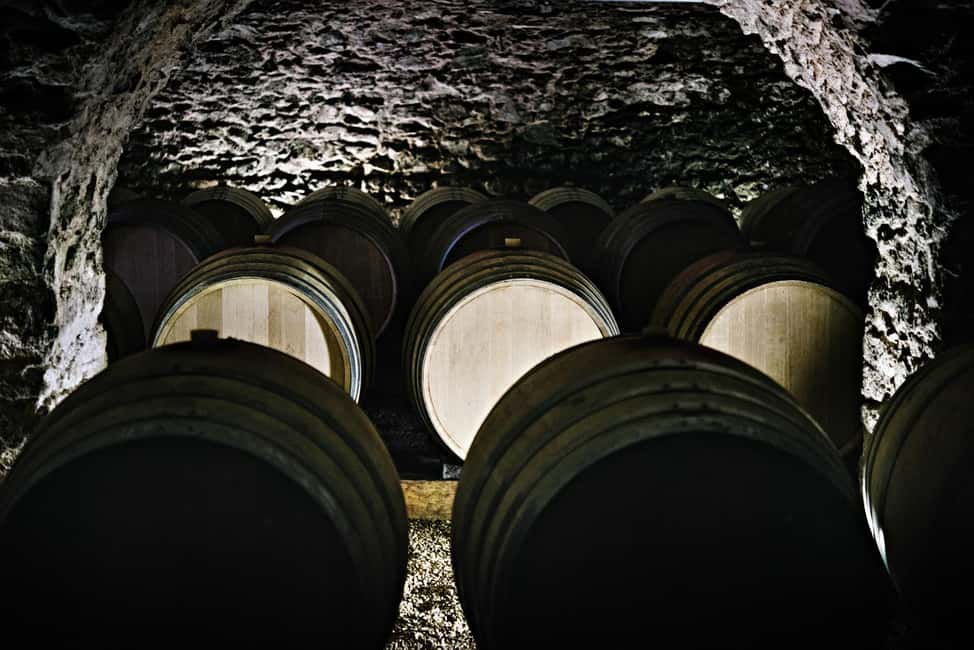
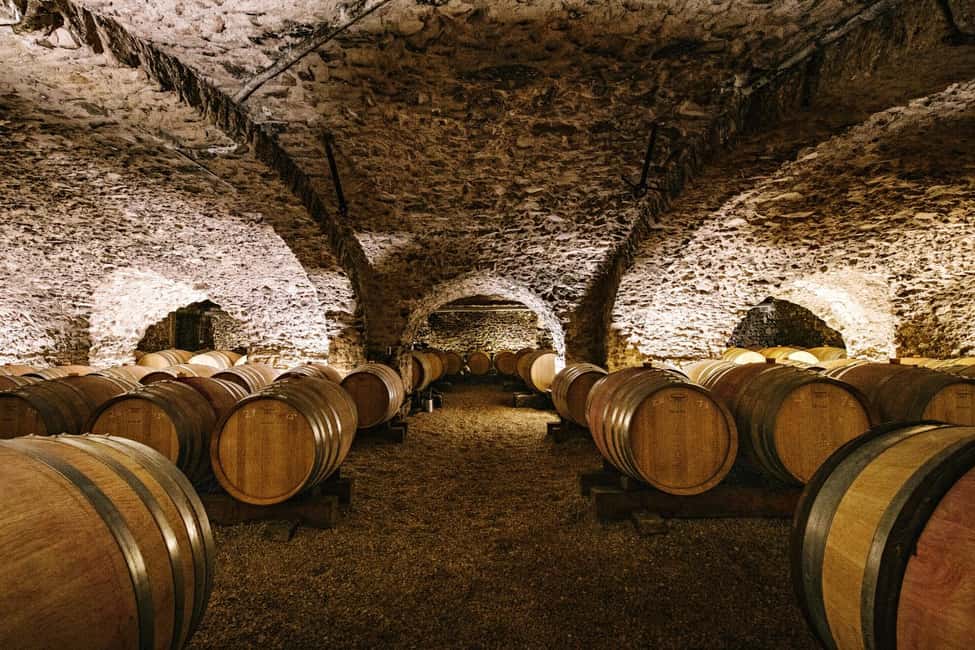
The final physical stop is the estate’s vaulted cellar, dating from the end of the 16th century. This is the strongest setting on the tour, both for atmosphere and for historical weight. Stone, arches, and age give the cellar a sense of continuity that a modern tasting room cannot reproduce.
The cellar also finishes the visit in the right order. You begin with the wider appellation, move into the estate’s past, see the working methods, and then reach the place where wine has been stored across generations. The route becomes more intimate as it progresses.
I would not assume that the cellar is a long underground walk or that it includes every storage area. The supplied details only promise passage through the vaulted, secular cellar. Still, even a short stop can be worthwhile because it links the château’s age to the wine now being made there.
If you use a wheelchair, the experience is listed as wheelchair accessible. Since historic cellars can have architectural limits, it is sensible to confirm the exact route and access arrangements when booking if you need specific assistance.
Four wines in the Chapelle des Thorins
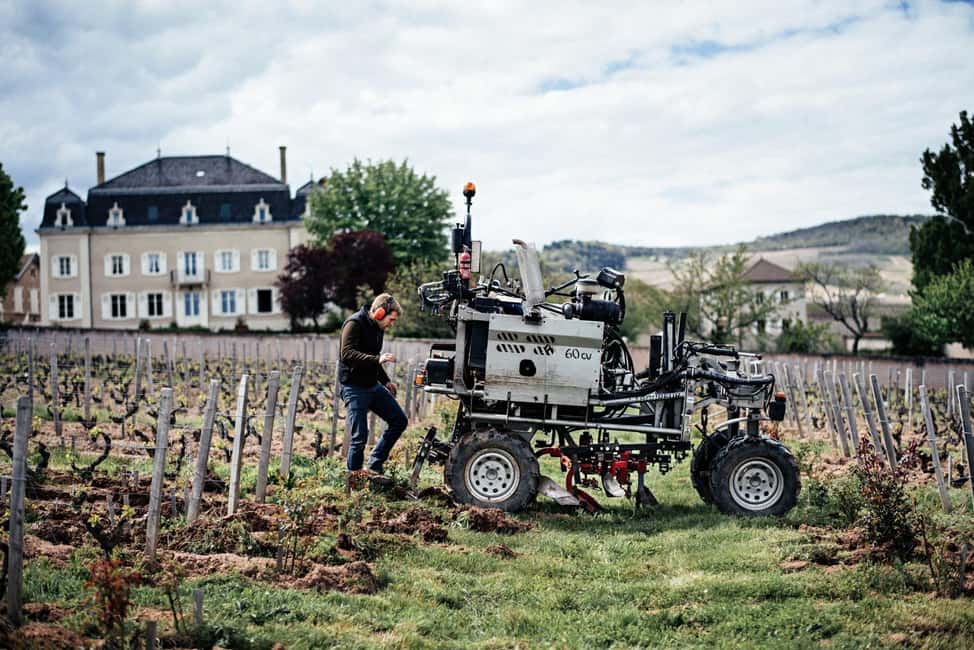
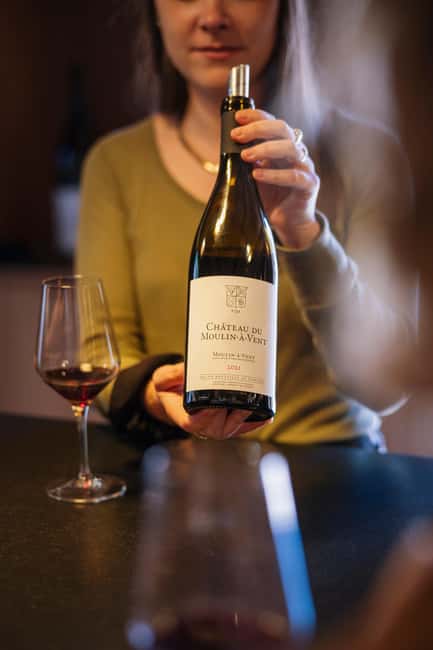
The tasting takes place at the Chapelle des Thorins. You taste four wines in all:
- Three current-vintage cuvées
- Two of those three wines from single vineyards
- One wine from an older vintage
The exact grape varieties, years, and bottle names are not provided, so you should not expect to choose a flight from a long menu. The tasting is designed by the estate to show differences between sites and vintages.
The two single-vineyard wines are the key comparison. Because they come from terroirs introduced at the start of the visit, you can revisit the idea of place in a practical way. You have already seen several vineyard environments from the terrace. Now you can ask how those differences appear in the glass.
The older vintage adds another layer. The estate calls attention to the vintage effect, meaning the way a wine changes as it ages and as growing conditions differ from one year to another. This is valuable for anyone who normally drinks young Beaujolais and wants a clearer sense of how these wines develop.
I like the tasting format because it avoids making age the only story. You compare individual sites in the current vintage, then compare time through the older wine. That gives you two useful questions to take home: how much does the vineyard matter, and how much does the year matter?
The tasting is listed as 30 minutes. That is enough for a guided comparison, but it is not a leisurely afternoon tasting with a meal. If you want to study every wine at length, take notes and use the guide’s time well. Ask which wine comes from which site, how the vintage differs, and what the estate hopes you will notice.
The value of $34 per person
At $34 per person, this experience offers solid value if you care about both the place and the wine. You are paying for a private group visit, a live guide in English or French, the terrace explanation, château history, production visit, historic cellar, and four wines. A tasting alone might be cheaper, but it would not give you the same connection between the bottles and the estate.
The value is strongest for couples, families, or small groups who want a focused introduction to Moulin-à-Vent. The private format can make the visit feel more personal, especially when you want to ask about soils, vineyard sites, or aging without competing with a large crowd.
It is less compelling if you only want to buy wine quickly. The experience has a teaching element, and the first half is devoted to the estate and its methods. You should book it because you want to understand the wine, not simply because you happen to be passing a château.
The current score is 4.7 from seven ratings, with especially strong praise for the welcome, the beauty of the property, the fine wines, and the chance to see how the wine is made. Those are exactly the parts that justify the price. The experience is not trying to be a grand meal or a full-day vineyard expedition. It is a compact estate visit with a strong setting and a thoughtful tasting.
Finding the château near the windmill
The meeting point is easy to describe but worth following carefully. When you reach the emblematic Moulin-à-Vent windmill, keep it on your right. Continue along the road for about 300 meters. The château is on your right again, at the corner of the street.
The experience is described as starting at Château du Moulin-à-Vent. The title refers to Château des Thorins, so check your confirmation for the precise name and location before setting out. The supplied meeting instructions point you to the château beside the windmill, which should help you avoid turning around in the village.
No transport is included in the information provided. Plan to arrive at the meeting point under your own arrangements, and allow time to locate the property rather than pulling in at the exact starting minute.
The booking offers free cancellation up to 24 hours before the visit and a reserve-now, pay-later option. Those terms are useful if your day in the Beaujolais area depends on weather or changing plans. Starting times vary, so you need to check availability for your chosen date.
Who will enjoy this private visit most
I would recommend this experience to you if you want a clear introduction to Moulin-à-Vent without signing up for a large group outing. Wine beginners will appreciate the plain link between soil, wind, vineyard site, and vintage. More experienced drinkers will value the two single-vineyard wines and the older bottle.
It also suits anyone who enjoys buildings as much as bottles. The terrace and château provide the view and story, while the 16th-century cellar supplies the atmosphere. The visit has enough history to give the estate a sense of place, but the winery keeps it connected to present-day work.
Families and mixed-interest groups may find the compact format helpful. One person can focus on architecture, another on wine, and both get something from the route. The private group setup gives you more control over questions and pace, within the fixed tour schedule.
You may want a different experience if you expect a full day of vineyard walking, a large food pairing, or an extensive collection of wines. None of those features is listed. The experience is better understood as a roughly one-hour guided estate visit and tasting, despite the booking page’s one-day duration label.
Practical details that affect your decision
The tour is offered with a live guide in English or French. That makes it accessible to international visitors, but you should select or confirm your preferred language when booking.
It is listed as a private group, which is a real advantage for a subject that benefits from questions. You can ask about the five visible terroirs, the pink granite sand, the older vintage, or the estate’s choices in the vat room. The guide’s name is not provided, so there is no particular host to request.
The tour and tasting are each shown as 30 minutes. Treat that as the useful planning figure, even though the overall duration field says one day. Starting times depend on availability, and the estate recommends checking them before you reserve.
Wheelchair access is listed. Because part of the visit takes place in a historic cellar, confirm whether every section of the route is suitable for your needs if you use a wheelchair or have limited mobility.
The experience provider is Château du Moulin-à-Vent. The estate’s long history, private format, and four-wine flight make it a natural choice for an afternoon stop in the appellation.
Should you book it?
Book this tour if you want to understand why Moulin-à-Vent tastes the way it does. The terrace gives you the setting, the vat room explains the work, the vaulted cellar supplies the history, and the four wines let you test the ideas for yourself.
The best reason to go is the combination of two single-vineyard wines and an older vintage. That is more revealing than a tasting made only of similar current releases. Add the private group, English or French guiding, and the 16th-century cellar, and $34 is a fair price.
Skip it if you are looking for a long vineyard hike, lunch, or a broad regional tasting. For everyone else, this is a focused and well-priced way to meet one historic Moulin-à-Vent estate.
FAQ
Where does the tour begin?
The meeting point is Château du Moulin-à-Vent. After reaching the emblematic windmill, keep it on your right, continue about 300 meters, and look for the château on your right at the corner of the street.
How long does the visit last?
The guided visit is listed as 30 minutes, followed by a 30-minute wine tasting. The booking information also shows a duration of one day, so confirm the exact schedule and starting time when you check availability.
How many wines are included?
You taste four wines. The selection includes three cuvées from the current vintage, two of them single-vineyard wines, plus one wine from an older vintage.
Is the tour offered in English?
Yes. A live guide is available in English or French.
Is this a private experience?
Yes. The group type is listed as private.
Is the experience wheelchair accessible?
Yes, the experience is listed as wheelchair accessible. Since part of the route is in a historic vaulted cellar, confirm the specific access arrangements if you require assistance.
Can I cancel for a full refund?
You can cancel up to 24 hours in advance for a full refund. The reserve-now, pay-later option also lets you hold a place without paying immediately.