REVIEW · VERDUN
Verdun: 1916 Hell of the Battle
Book on GetYourGuide →Operated by Historical Consulting Tourism & Patrimony · Bookable on GetYourGuide
Verdun’s battlefield is not one grand monument. It is a wide, wooded area where trenches, forts, bunkers, cemeteries, and vanished villages reveal how hard it was to fight here in 1916. This private tour takes you from Colonel Driant’s command post to the Douaumont Ossuary, then into the forest and across the old front line.
I like the small private group, which lets Frederic adjust the day to your interests and pace. I also like the mix of famous sites and harder-to-find remains, including abandoned bunkers and forest trenches that ordinary group tours may skip.
The main drawback is cost. At $846 for up to four people, it is expensive for one or two guests, though the price becomes more reasonable when shared by a full group. Entrance fees, lunch, snacks, and personal expenses are extra.
In This Review
- Key points to know before booking
- Why Verdun needs a full seven hours
- Starting at Colonel Driant’s command post
- Paying respects at the Douaumont Ossuary
- The Bayonet Trench and the evidence underfoot
- Lunch in Verdun, with costs kept separate
- Fort Douaumont, the main defensive stronghold
- Fleury village, a town erased by the battle
- Les 4 Cheminées and Fort Froideterre
- What the guide and private vehicle add
- Practical planning for this battlefield day
- Should you book Verdun: 1916 Hell of the Battle?
- FAQ
- How long is the Verdun battlefield tour?
- What is the price for the private group?
- Is transportation included?
- Is lunch included?
- Are entrance fees included?
- What languages does the guide speak?
- Can children or wheelchair users join?
Key points to know before booking
- Colonel Driant’s command post gives the day a strong starting point, connecting the battlefield to the men who first tried to slow the German advance.
- Frederic’s flexible guiding can be useful if you need to reach Paris the same day or want more time at particular sites.
- Douaumont Ossuary offers a solemn place to remember both French and German soldiers.
- Fleury village and the forest trenches show the physical damage of the battle better than a museum display can.
- Fort Douaumont and Fort Froideterre reveal how underground defenses shaped the fighting.
- The $846 private rate covers up to four people, transport, a guide, and water, but not entry fees or food.
Why Verdun needs a full seven hours
Verdun is best understood as a battlefield district, not a single stop. The fighting spread across forts, villages, roads, woods, and underground positions. A quick visit to one memorial can give you a name and a date, but it cannot show how all these places fit together.
This seven-hour tour gives you time to move between several types of sites. You see command posts, open trenches, fortifications, a destroyed village, an ossuary, and an underground casemate. That range matters because the battle was fought above ground and below it, in exposed positions and protected concrete works.
The private format also changes the feel of the day. You travel by private transportation with an English or French-speaking guide, rather than joining a large group with a fixed rhythm. Frederic is especially useful if you want a guide who can explain both world wars and adapt the schedule. One booking was adjusted for a same-day trip onward to Paris, so tell the guide about your timing needs before the tour begins.
The tour is aimed at adults and older children. Children under 11 are not accepted, and the experience is not suitable for wheelchair users. Expect a serious day rather than a light sightseeing outing. The subject is loss, destruction, and military sacrifice, and the memorial stops call for quiet attention.
You can also read our reviews of more tours and experiences in Verdun.
Starting at Colonel Driant’s command post
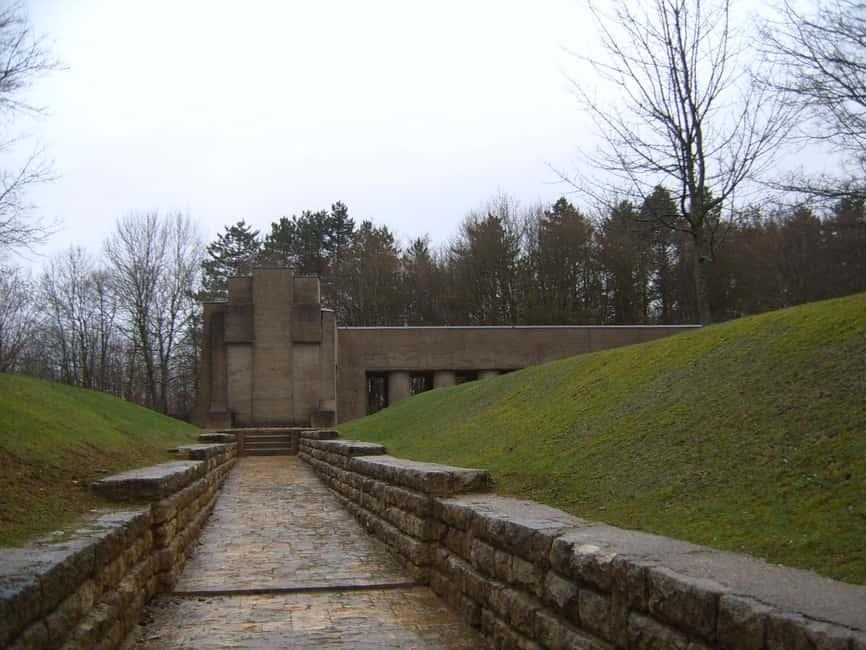
Beginning at the Colonel Driant Command Post gives the day a human starting point. Instead of opening with a broad military overview, you begin with the place where the offensive battle began and consider Colonel Driant and his Chasseurs, the French troops who tried to slow the German attack.
This stop helps you understand the pressure of the first stage of the battle. A command post is more than a building or location on a map. It represents the difficult decisions made when officers had limited information and units faced an attack of huge force.
I like this opening because it puts individual sacrifice before battlefield statistics. Ask Frederic to explain how Driant’s role fits into the opening of the offensive and how the Chasseurs tried to buy time. The value here comes from the guide’s interpretation, since remains alone cannot explain what happened.
Do not expect a polished attraction at every stop. Some battlefield sites are quiet and modest, with physical traces that require explanation. That is one reason a private guide adds value.
Paying respects at the Douaumont Ossuary
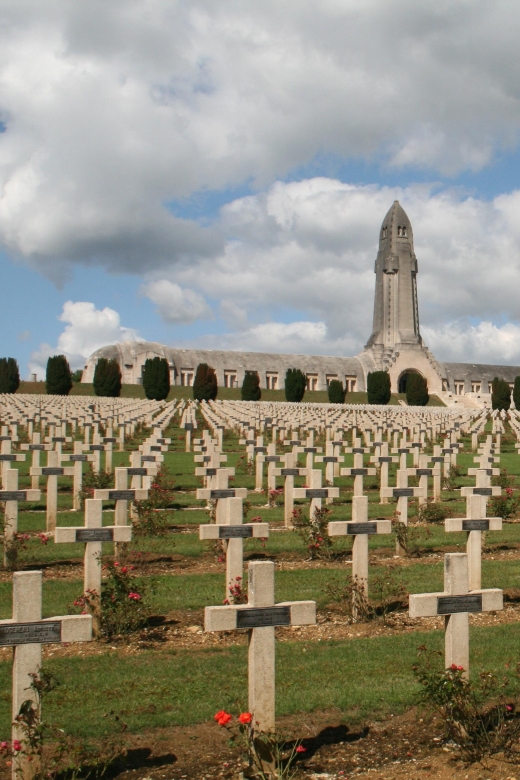
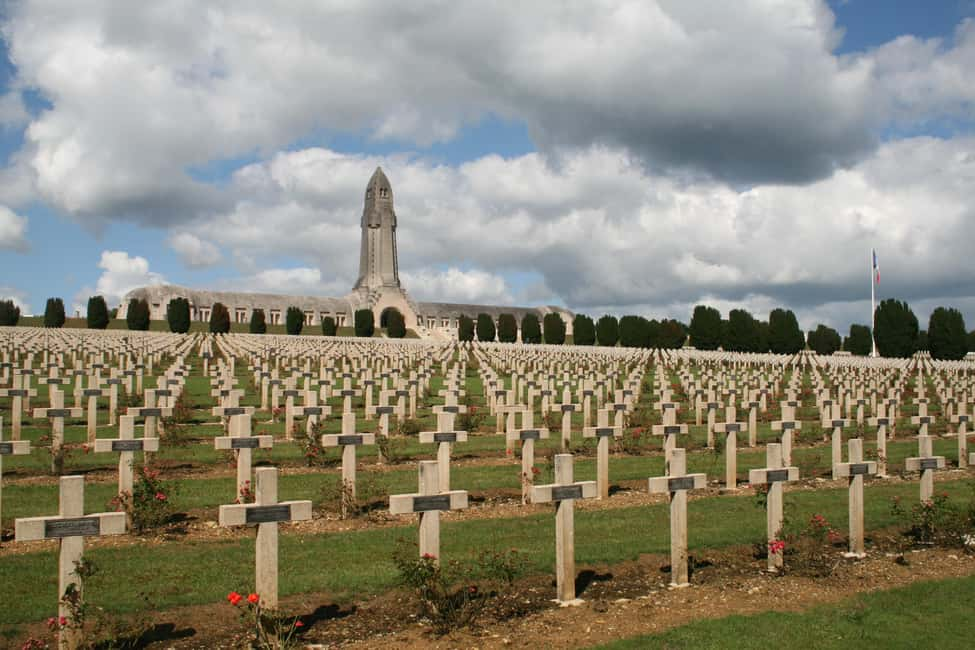
The Douaumont Ossuary is the emotional center of the tour. It is a memorial to French and German soldiers whose remains were gathered after the fighting. The stop is not simply another item to check off. It asks you to consider the scale of the dead on both sides.
The memorial gives the battlefield a clear moral weight. You have already seen command positions and defensive works, but here the focus shifts from military action to human cost. Take your time and keep the mood respectful.
Entry to the ossuary is not included in the tour price. You should allow for that extra charge when comparing the total cost. The tour description does not provide the fee, so check the current price before booking.
For many people, this will be the most moving stop. It is also the place where the tour’s French and German focus becomes especially clear. Verdun was a French battle in French territory, but the dead came from both armies.
The Bayonet Trench and the evidence underfoot
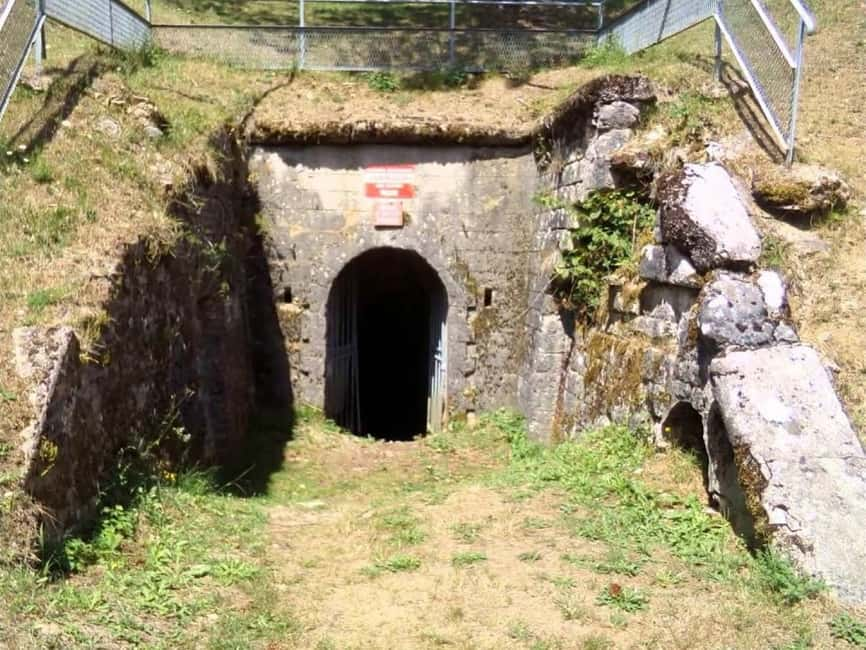
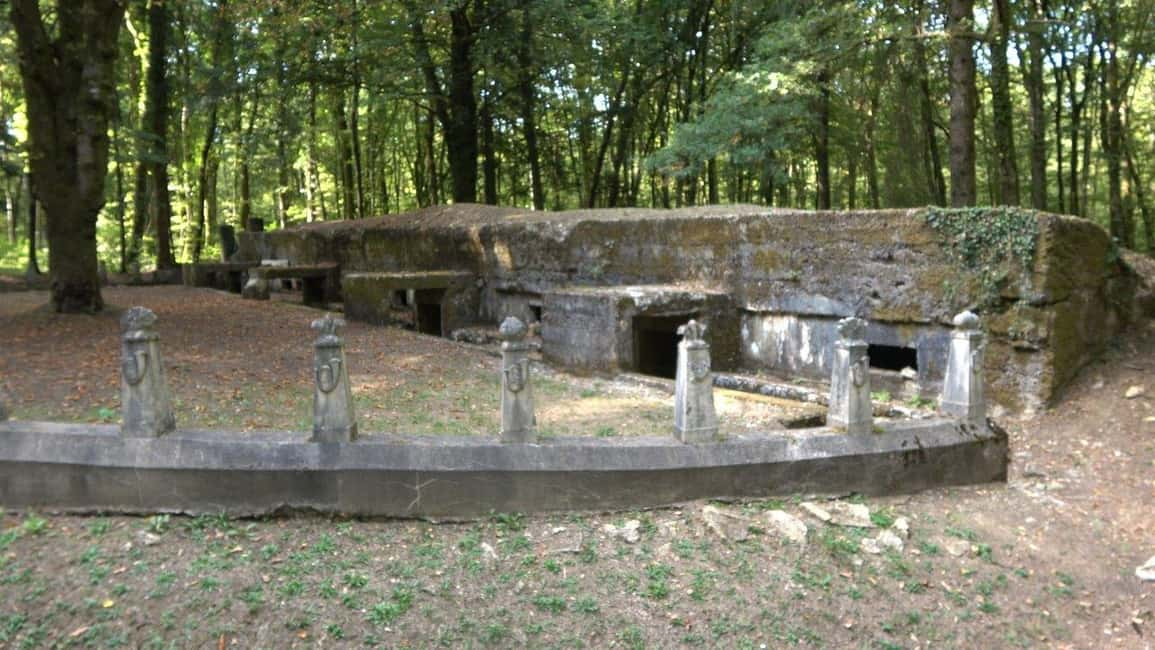
The Bayonet Trench monument marks another side of the battlefield: the way soldiers could disappear into the ground during bombardment and fighting. The site connects a memorial to the remains of trench warfare, where earth and timber offered only limited protection.
A stop here works best when you look beyond the monument itself. Ask what the trench position tells you about the conditions faced by infantry and how little shelter could mean in a sustained attack. The value is not in seeing a dramatic ruin. It is in recognizing how close soldiers lived to danger.
The exact amount of walking at each stop is not specified, so wear practical shoes and expect uneven outdoor ground. You may also find that weather changes the feel of the forest sites. Bring layers and do not count on every location having the convenience of a paved attraction.
Lunch in Verdun, with costs kept separate
The itinerary includes a lunch stop in Verdun, but food and drinks are not included. That arrangement gives you some choice, but you should budget for it separately. Bottled water is provided in the vehicle, while additional drinks, snacks, and the meal are your responsibility.
A lunch break also gives the day a needed pause. Seven hours of battlefield visits can be heavy, both physically and emotionally. Use the stop to eat properly rather than relying only on snacks.
The available information does not name a specific restaurant or set menu, so do not book this tour expecting a particular dining experience. If you have dietary needs or a tight schedule, ask Frederic how much time is available for lunch before the day starts.
Fort Douaumont, the main defensive stronghold
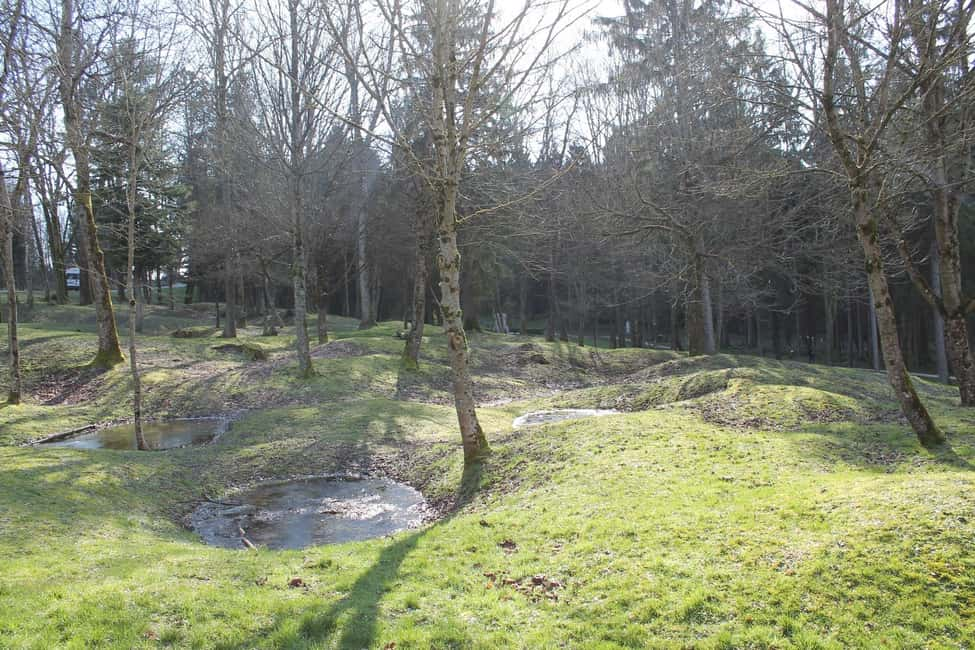
Fort Douaumont is one of the most important military sites on this route. You first visit the fort from outside, which lets you see its position and heavy defensive form without making the full day depend on an interior visit.
An inside visit can be added, but it is not part of the standard included program. Access fees for Fort Douaumont are also separate. Confirm both the extra cost and available timing if going inside is important to you.
The fort matters because Verdun was not defended only by open trenches. Concrete forts, underground rooms, artillery positions, and protected passageways formed another layer of the battle. Seeing Fort Douaumont after the trench and memorial stops helps you compare the exposed life of infantry with the more enclosed world of fortress warfare.
If you have a strong interest in military engineering, ask about adding the interior visit. If you prefer a broader tour with more sites, the exterior stop may be the better use of your limited time. The private format gives you room to make that choice.
Fleury village, a town erased by the battle
The former village of Fleury is one of the clearest places to grasp what Verdun did to civilian settlement. It was destroyed during the fighting and is now treated as a former village rather than a rebuilt community.
The remains are often subtle. You may see traces that require careful attention and explanation rather than a complete street of preserved houses. That quiet quality is part of the point. Fleury shows that the battle did not simply pass around villages. It could erase them.
I find this stop especially useful for putting the military sites into a human setting. A fort is designed for war. A village is built for ordinary life. At Fleury, the difference between those two purposes becomes painfully clear.
The former village is also a good reason to choose a private guide. Frederic can help you notice details that would be easy to pass without context. A large coach group moving quickly through the area would offer less room for questions and reflection.
Les 4 Cheminées and Fort Froideterre
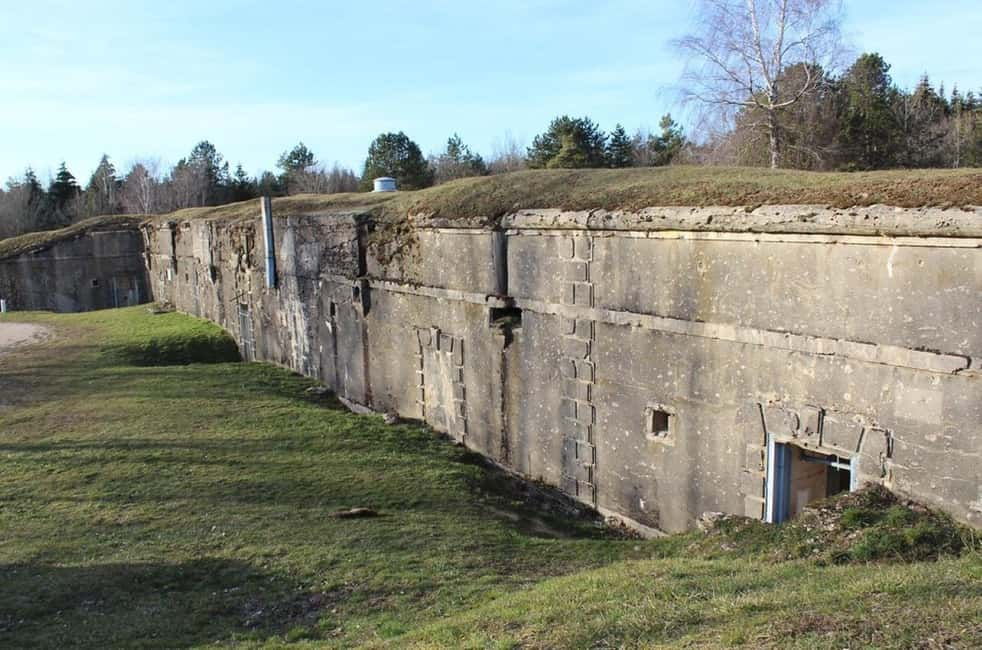
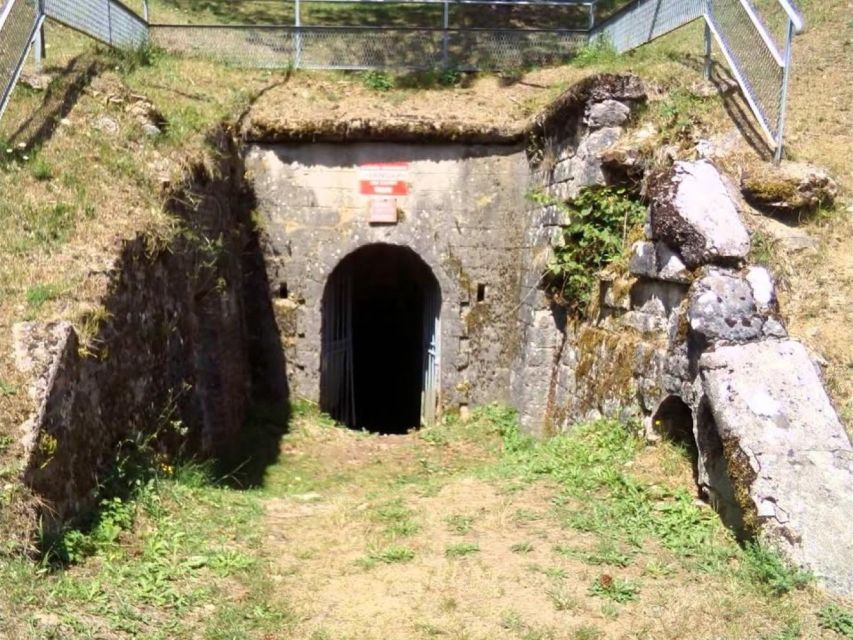
The visit to Les 4 Cheminées underground casemate adds another piece to the defensive network. An underground casemate shows how much of the Verdun battle took place inside enclosed military spaces, not only in visible trenches and fields.
The site may appeal most to you if you enjoy fortifications and the practical side of military history. It is less about a grand memorial and more about understanding how troops and equipment were protected, positioned, and moved below ground.
The day then continues to the historic Fort Froideterre. This fort rounds out the fortification story after Fort Douaumont. Seeing more than one defensive work helps you compare their roles and understand that Verdun was a connected system of positions rather than one isolated fortress.
Access arrangements differ by site, and the standard price does not include fees for the forts. The description specifically confirms that Fort Douaumont is visited outside unless you add the interior option. Ask what access is planned at Froideterre and Les 4 Cheminées when you reserve.
What the guide and private vehicle add
The strongest reason to book this experience is the guide, not simply the vehicle. Frederic has experience explaining both world wars and can take you beyond the most familiar stops. That includes abandoned bunkers and forest trenches that regular tour groups may not reach.
That kind of flexibility is valuable at Verdun. You may want more military detail, more time at memorials, or a faster route because of another appointment. A private group of up to four makes those discussions possible.
The guide speaks English and French. The tour provides private transportation and bottled water in the vehicle, which is helpful because the sites are spread out and the day includes several outdoor locations.
Still, private touring has a price. The $846 rate works out to $211.50 per person for four people before entry fees and food. For two people, the starting cost is $423 each, and for one person it is the full group price. Compared with a basic sightseeing outing, that is a large sum. Compared with arranging a private vehicle and specialist guide independently, the price may be fair, especially for a group that values a custom route.
The rating is currently 5 out of 5 from four verified bookings, including strong praise for Frederic’s subject knowledge, patience, and willingness to adapt the schedule. That is a small sample, so I would treat it as encouraging rather than final proof. The specific comments do point to the tour’s clearest strengths: personal attention and access to lesser-seen battlefield remains.
Practical planning for this battlefield day
Plan for a serious, active day. The tour lasts seven hours, includes outdoor stops, and may involve uneven ground around trenches, woods, and ruins. Comfortable walking shoes are a sensible choice even though the exact walking distance is not stated.
Bring money for the ossuary and fort fees, lunch, drinks beyond the provided water, snacks, and souvenirs. Since the standard tour does not include food or admission charges, your final cost will be higher than $846.
You can cancel up to 24 hours in advance for a full refund, and you can reserve now and pay later. Starting times depend on availability, so check the schedule before committing to train or onward travel plans.
The tour is not suitable for wheelchair users, and children under 11 cannot join. If anyone in your group has mobility concerns, ask for more detail before booking, since several stops involve historic battlefield terrain rather than modern visitor facilities.
Should you book Verdun: 1916 Hell of the Battle?
Book it if you want Verdun explained as a connected battlefield and prefer a private day over a short memorial visit. It suits a group of up to four, serious history fans, and anyone who wants time at both major monuments and less obvious forest remains.
I would be most likely to choose it with three or four people, since the per-person cost becomes much easier to justify. Frederic’s flexibility also makes the tour a good fit if your day must end with onward travel to Paris.
Think twice if you want a low-cost outing, a family activity for young children, or a fully accessible route. You will also need to accept extra charges for entry and lunch.
For the right group, this is a useful way to make sense of Verdun. You leave with more than a list of forts. You see how command decisions, trenches, underground defenses, erased villages, and memorials fit together in one of the First World War’s most painful battlefields.
FAQ
How long is the Verdun battlefield tour?
The tour lasts seven hours.
What is the price for the private group?
The price is $846 for a private group of up to four people.
Is transportation included?
Yes. Private transportation is included, along with bottled water in the vehicle.
Is lunch included?
No. Food, drinks, and snacks are not included. The tour includes a stop for lunch in Verdun, but you pay for the meal yourself.
Are entrance fees included?
No. Fees to access the Douaumont Ossuary and the forts are not included. An interior visit to Fort Douaumont can be added.
What languages does the guide speak?
The live guide service is available in English and French.
Can children or wheelchair users join?
Children under 11 are not suitable for this tour, and the experience is not suitable for wheelchair users.