REVIEW · DIEPPE FRANCE
Special visit to the Maison Des Balaitiers + L’Art du Bois
Book on GetYourGuide →Operated by LA BALAITERIE · Bookable on GetYourGuide
A visit to La Balaiterie turns an everyday household tool into a small lesson in farming, craft, and local work. You’ll see sorghum straw being prepared and dyed, learn how brooms and brushes are assembled, and look at the machines that still help with the job.
I like two things right away: the workshop keeps the making process in view, and the second half adds a completely different attraction with 58 full-size wooden vehicles. The setting also sounds appealing, with fields and a small river around the property. The main drawback is that this is a specialized stop, so visitors expecting a large museum or a long activity may find two hours fairly brief.
The visit costs $19 per person, which is a fair price if you enjoy working crafts, rural culture, or unusual collections. You’ll need to arrange your own transport, and the outdoor part depends on good weather. Marie and Arnaud welcome visitors at the workshop, while the wooden collection was created by Gilbert Housset.
In This Review
- Key points to know before you go
- A Normandy craft visit built around sorghum
- Inside the La Balaiterie workshop
- Why the straw dyeing process matters
- L’Art du Bois and 58 wooden vehicles
- The outdoor visit around the workshop
- What two hours feels like
- Who will enjoy this experience most
- Languages, price, and practical value
- What the ratings suggest about the experience
- Tips for making the most of your visit
- Should you book La Balaiterie and L’Art du Bois?
- FAQ
- Where is La Balaiterie and L’Art du Bois located?
- How long does the visit last?
- How much does the activity cost?
- What does the La Balaiterie workshop visit include?
- What is included at L’Art du Bois?
- Is there an outdoor part to the tour?
- Which languages are available?
- Is the activity wheelchair accessible?
- Is transportation included?
- Can I cancel the booking?
Key points to know before you go
- Sorghum becomes the star of the visit: You’ll learn how this crop is prepared, dyed, and shaped into brooms and brushes.
- The workshop is a working space: The tour includes machines, tools, and a demonstration of balais and balayettes, the French terms for brooms and small brushes.
- The wooden collection changes the pace: L’Art du Bois displays 58 life-size wooden vehicles along with many wooden household objects.
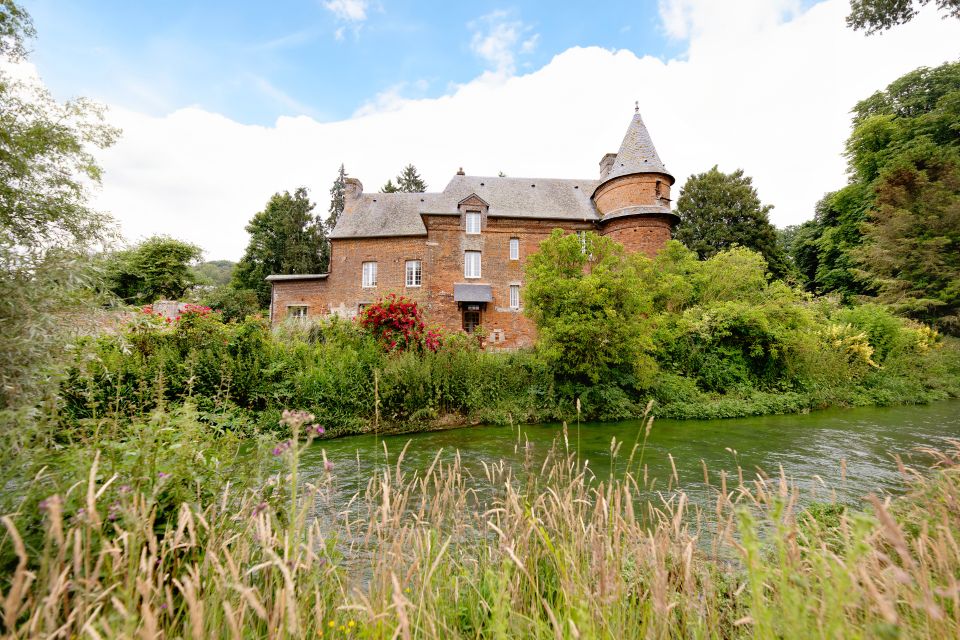
- The setting is rural Normandy: If the weather cooperates, you can walk around the land near the workshop, fields, and a small river.
- Marie and Arnaud add a personal touch: Marie handles the welcome, while Arnaud may already be working in the workshop when you arrive.
- The tour works for international visitors: Guided visits are available in French, English, Spanish, and German, and the site is wheelchair accessible.
A Normandy craft visit built around sorghum
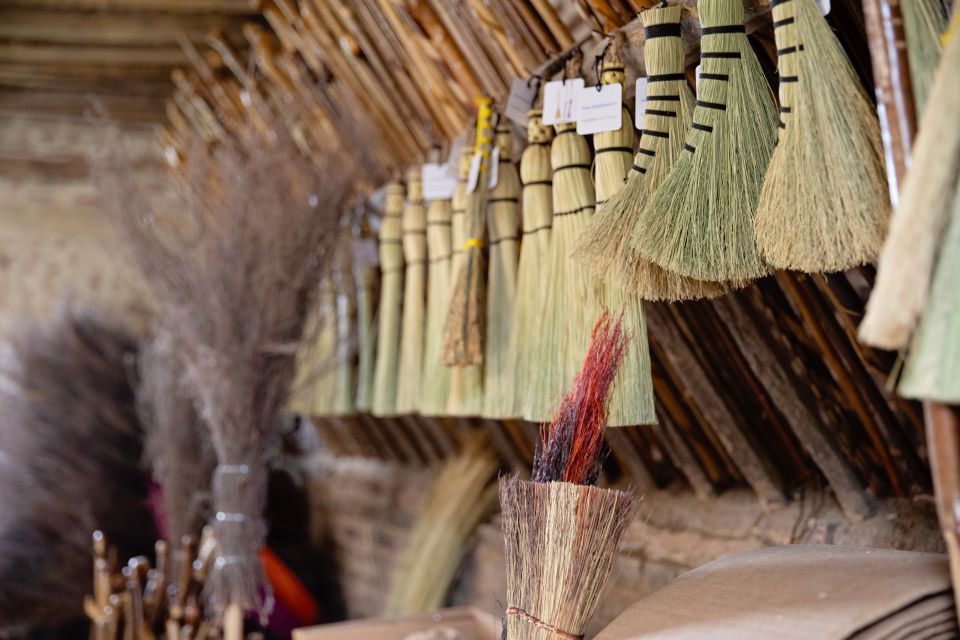
Most people use a broom without thinking about where its materials come from. At La Balaiterie, you get to follow that simple object back to the plant, the tools, and the hands that make it.
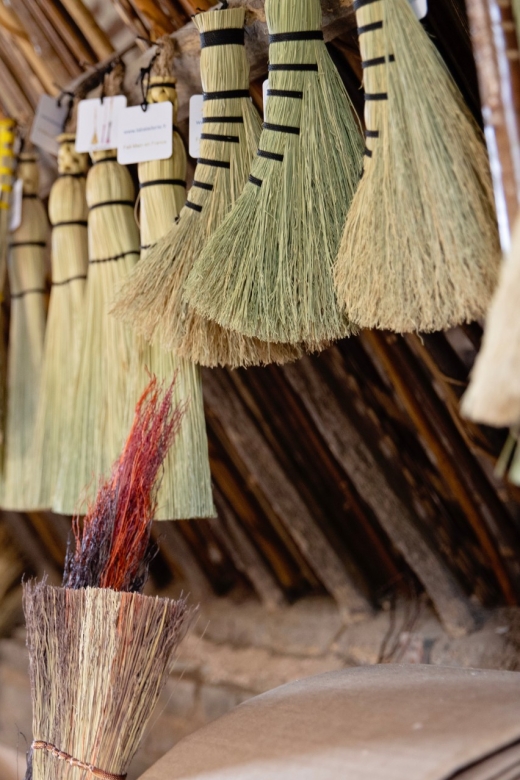
The first part explains the culture of sorghum, the crop used for the broom straw. You’ll learn about preparing the straw and the dyeing process before seeing how it becomes part of a finished broom or brush. That context matters because the product is not just a decorative souvenir. It reflects a chain of work that begins with growing and preparing a natural material.
The subject is narrow, but that is part of its appeal. You are not rushing through a large site with a dozen unrelated displays. Instead, the visit gives you time to understand one trade from several angles: the plant itself, the color, the construction, and the machines.
If you like practical demonstrations, this section should be the heart of the experience. The tour includes a balai and balayette making demonstration, so you can see the difference between a full broom and a smaller brush and follow the basic steps behind each one.
Inside the La Balaiterie workshop
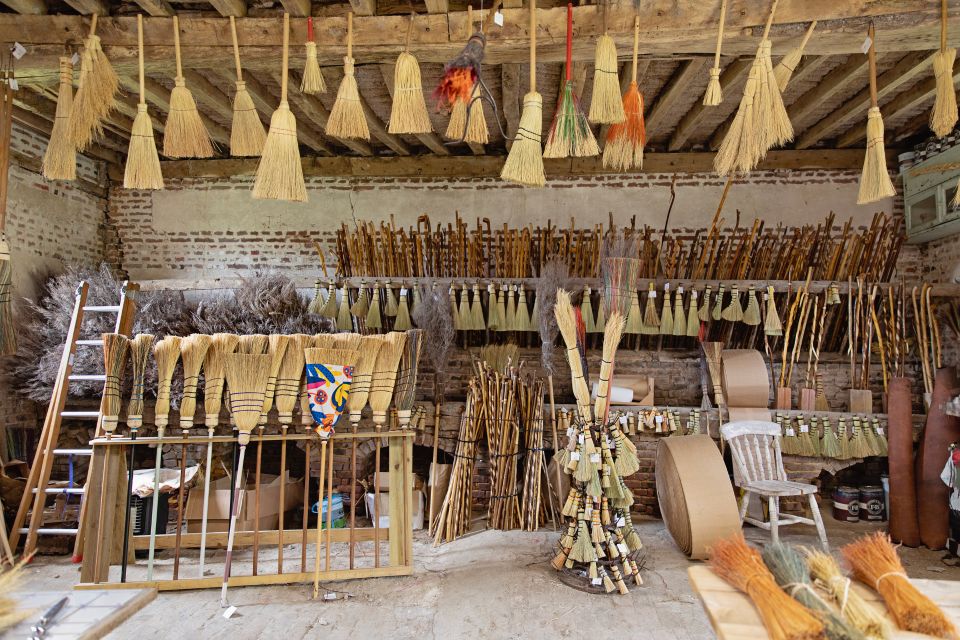
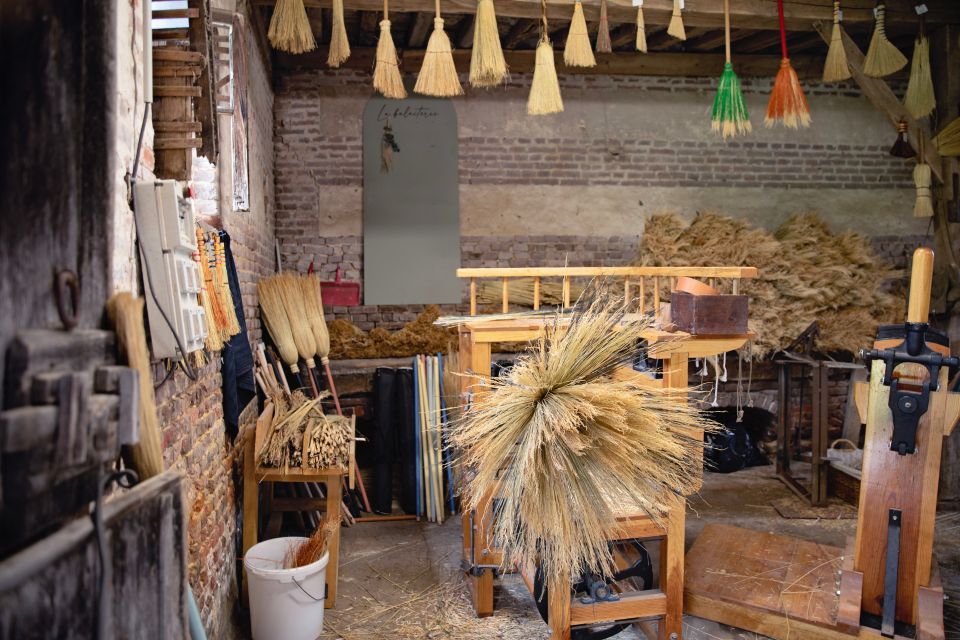
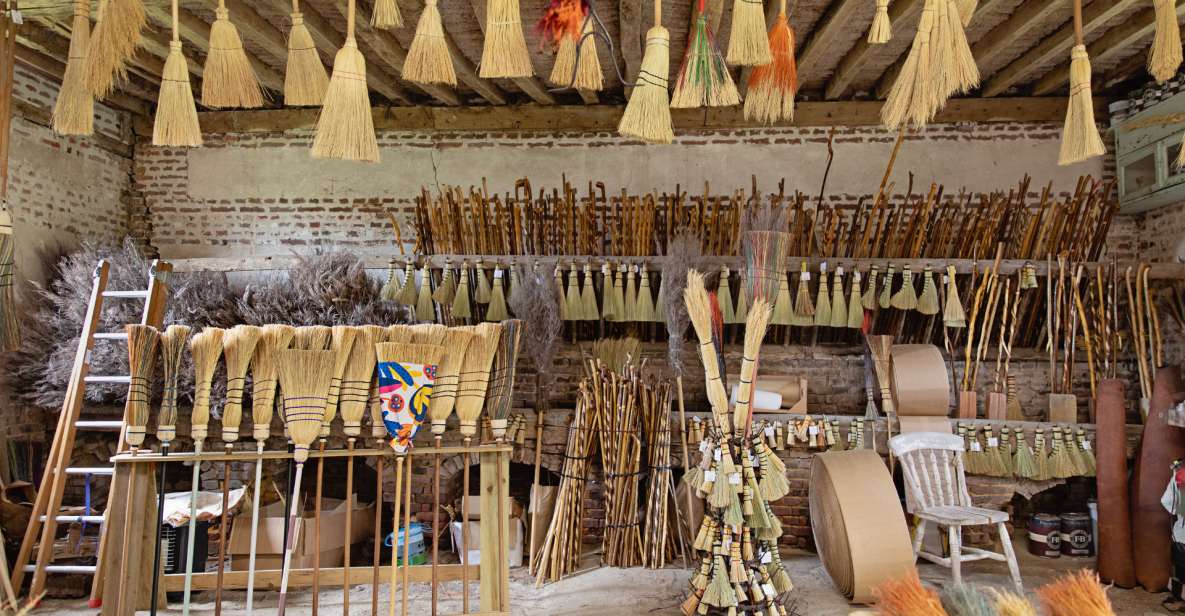
The workshop visit brings the craft down to eye level. You’ll see the collection of brooms, the machines used to make them, and older equipment, with some machines still in use.
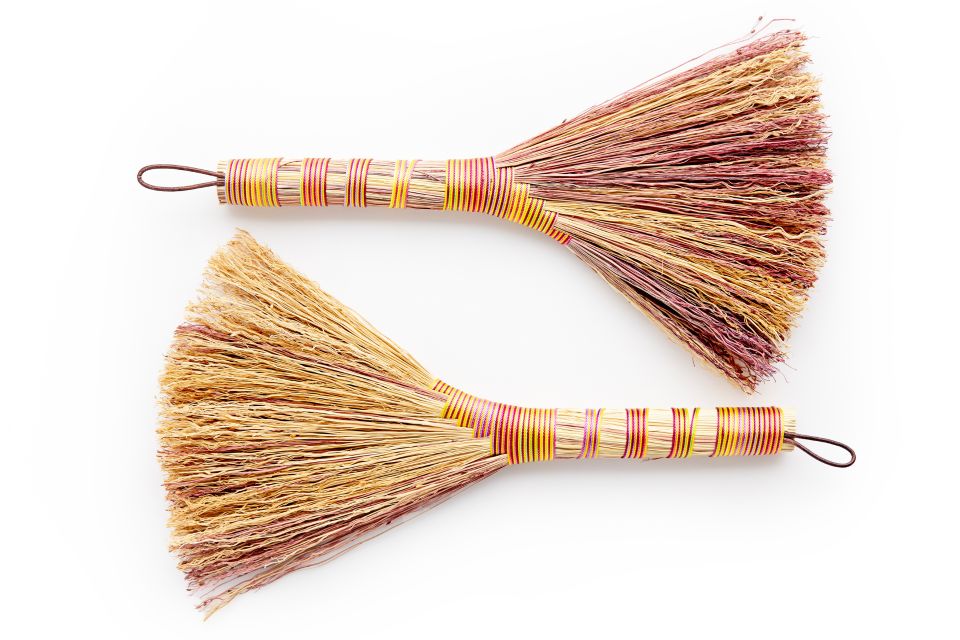
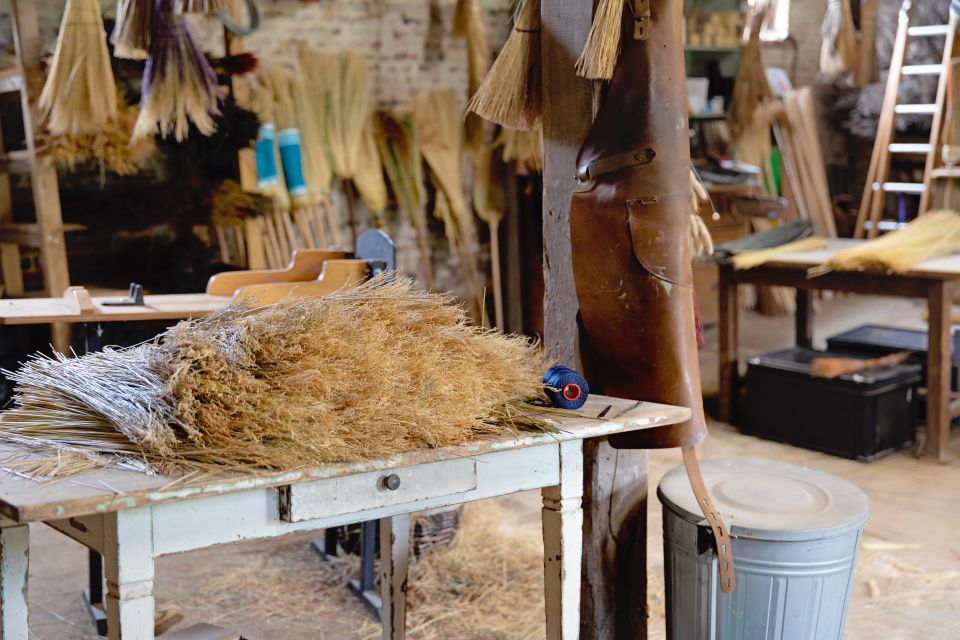
That mix of old and active machinery gives the visit more substance than a display of finished products alone. A machine can explain how the work was once done, while a working tool shows how the craft continues today. You should pay attention to the small details of the construction, since each broom is made by hand and is unique.
Arnaud is associated with the hands-on workshop side of the visit. The supplied information describes him working in the small workshop when visitors arrive, which gives the meeting a genuine working atmosphere rather than a staged museum presentation. Marie provides the welcome, and the pair explain the company’s origins and production methods.
The workshop may be a better fit for you if you enjoy seeing process rather than simply buying an object. You’ll hear about the tools, the machines, the straw, and the choices that affect the finished broom. It is the kind of stop that can make you look at an ordinary household item differently once you return home.
Why the straw dyeing process matters
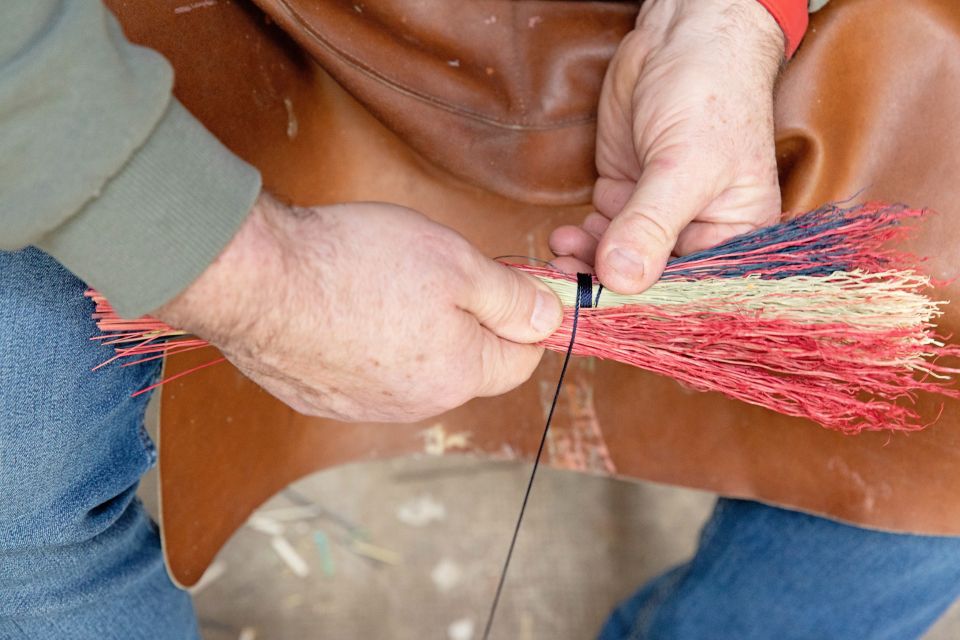
The dyeing section is one of the more unusual parts of the tour. Straw is not usually the first material that comes to mind when you think of color and design, so learning how it is prepared and dyed adds a useful craft detail.
You’ll see how the straw is treated before it becomes part of a broom or brush. The process helps explain why the finished items can have different appearances, and it shows that the work involves more than tying a bundle of stalks to a handle.
This part should appeal to anyone interested in natural materials, traditional production, or small-scale manufacturing. It also gives children and families something concrete to follow. Instead of a long historical lecture, the guide can point to a material and show how it changes through each stage.
The available information does not give a full list of dye colors or every production step, so you should expect a guided explanation rather than a technical workshop where you make your own broom. The included demonstration is for watching and learning.
L’Art du Bois and 58 wooden vehicles
After the broom workshop, the visit moves to the showroom and the L’Art du Bois collection. This is not a small cabinet of curiosities. It includes 58 wooden vehicles made at life size, along with many everyday objects and other creations in wood.
The contrast is what makes the overall visit work. La Balaiterie focuses on a useful object made from a plant-based material. L’Art du Bois shifts attention to wood and the imagination involved in recreating familiar things at full scale.
The collection was created by Gilbert Housset, who works exclusively with wood. You’ll see vehicles, household objects, and other wooden pieces, some built to their original size. That scale matters. A small wooden model can be charming, but a full-size vehicle asks you to look at shape, structure, and detail in a different way.
You should allow enough attention for this second half rather than treating it as a quick add-on. The collection is a separate attraction with its own visual appeal. It may be especially enjoyable if you like folk art, vehicles, woodworking, or unusual handmade displays.
At the same time, the exhibition will not suit every visitor equally. If your main goal is a long technical explanation of vehicle construction, the available details do not promise that level of instruction. The focus is the collection itself and the range of objects made from wood.
The outdoor visit around the workshop
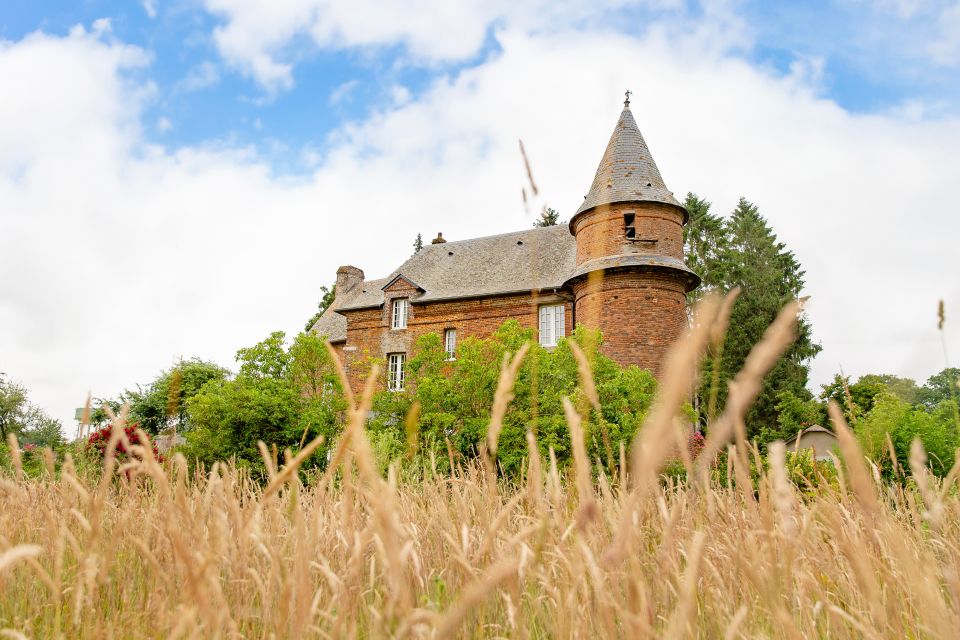
If the weather is good, the guided visit can extend outside onto the land around the workshop. The property is described as being off the main tourist route, surrounded by fields and near a small river.
That setting adds a sense of place. You are not only seeing a craft in a sealed exhibition hall. You can connect the workshop with the rural surroundings where agricultural materials and local work make more sense.
Do not treat the outdoor portion as guaranteed. It is weather dependent, so bring comfortable shoes and plan for a visit that may include walking outside. The activity information does not specify the length or exact route of this part, so you should see it as a bonus rather than the main reason to book.
A camera is also recommended. The workshop machinery, dyed straw, handmade brooms, wooden vehicles, and rural property all provide more interesting subjects than a standard shop display.
What two hours feels like
The stated duration is two hours, enough time for a proper guided look without taking over your entire day. The visit combines explanation, demonstration, machinery, a showroom, and possibly an outdoor walk.
The time should feel well used if you enjoy focused attractions. You are moving through two related but distinct collections, so the tour has variety without becoming scattered. The broom-making section gives you the practical story, while the wooden collection supplies the visual surprise.
The tradeoff is simple: this is not an all-day destination. If you are looking for a large museum with several galleries, cafés, or a full afternoon of activities, you will need to combine this visit with another Normandy stop.
The starting times are not listed in the supplied details, so check availability before planning your day. You should also allow time to reach the workshop because transport to and from the site is not included.
Who will enjoy this experience most
I would recommend La Balaiterie and L’Art du Bois to you if you like:
- Traditional crafts and working workshops
- Rural culture and agricultural materials
- Handmade objects with a clear production story
- Woodworking and folk art
- Unusual collections that are different from major monuments
- Small museums and personal, guide-led visits
- Family outings with visible tools and machinery
The activity can also suit visitors who have already seen Normandy’s major churches, castles, and coastal sights and want something less expected. It offers a change from grand architecture and war history without losing a connection to local life.
Children may enjoy the full-size wooden vehicles and the sight of machines in the workshop. The exact age suitability is not stated, so younger children may need help staying engaged during the explanations about sorghum culture and dyeing.
The tour is wheelchair accessible, which is useful for visitors who need step-free access. Still, because an outdoor site visit may take place, it is sensible to confirm the conditions for the day if outdoor access is important to you.
Languages, price, and practical value
The tour is offered with a live guide in French, English, Spanish, or German. That is a real advantage for a craft visit, since the value comes from understanding how the materials and tools are used.
At $19 per person, the price is reasonable for a two-hour guided experience that includes both the La Balaiterie workshop and the L’Art du Bois collection. You are paying for more than entry to a room of finished objects. The price covers explanations of sorghum culture, straw dyeing, broom production, machine use, a demonstration, and the wooden collection.
The value depends on your interests. If you enjoy handmade work and oddball local museums, you are getting two separate subjects for one modest admission fee. If you are only mildly interested in brooms or wooden art, the experience may feel too specialized.
Food and drinks are not included, and transport is also your responsibility. Plan this as a stop within a wider Normandy day rather than a complete day out on its own.
You can reserve now and pay later, which helps if your route is still changing. Free cancellation is available up to 24 hours before the activity for a full refund. Check the current starting times and availability when you book.
What the ratings suggest about the experience
The activity currently has a 3.8 rating from five reviews, a small sample that should not be treated as a final verdict. The most praised elements are the warm welcome, the passion behind the craft, the handmade nature of each broom, and the surprise of the wooden collection.
Those points match the design of the visit. This is strongest when you value personal contact and specific objects. Marie’s welcome and Arnaud’s workshop work help create a more direct encounter with the craft, while Gilbert Housset’s wooden vehicles give the second half a memorable scale.
The lower overall score does not point to a specific serious problem in the supplied information. It is more useful to read the experience as a niche attraction with a clear audience. You should book it for the craft and collection, not because it promises a major sightseeing landmark.
Tips for making the most of your visit
Wear comfortable shoes, especially if you hope to take the outdoor tour around the property. Bring a camera for the machines, straw work, wooden vehicles, and rural surroundings.
Give the guide your full attention during the sorghum and dyeing explanation. Those details are what separate this from a simple shop visit. Ask about the machines, the handmade construction, and the difference between the various brooms and brushes.
If you are planning a tight day, confirm the tour start time before setting off. Since transportation is not included, leave enough time to reach the workshop and do not assume that the two-hour duration includes your journey.
Finally, keep your expectations at the right size. La Balaiterie is a focused working workshop paired with a distinctive wooden collection. Its appeal comes from close attention to ordinary materials and handmade objects, not from grand scale.
Should you book La Balaiterie and L’Art du Bois?
Book this experience if you want a two-hour Normandy stop with a personal guide, working machinery, handmade brooms, sorghum culture, and a surprising collection of 58 life-size wooden vehicles. It offers good value for visitors who enjoy local crafts and unusual museums.
I would skip it if you want a major historic monument, a long outdoor activity, or a full-day attraction. The $19 price is fair, but only if the subject interests you.
For the best match, add it to a day when you already have transport and time for a rural detour. Go in comfortable shoes, check the weather, and treat the wooden collection as an equal part of the visit, not a footnote to the broom workshop.
FAQ
Where is La Balaiterie and L’Art du Bois located?
The experience is located in Normandy, France.
How long does the visit last?
The guided experience lasts two hours.
How much does the activity cost?
The listed price is $19 per person.
What does the La Balaiterie workshop visit include?
It includes a guided tour of the workshop, an explanation of sorghum culture, information about straw dyeing, a balai and balayette making demonstration, and a tour of the machines used to make brooms and brushes.
What is included at L’Art du Bois?
The visit includes the L’Art du Bois collection, with 58 life-size wooden vehicles and numerous everyday objects made from wood.
Is there an outdoor part to the tour?
An outdoor tour of the land around the workshop is included when the weather is good.
Which languages are available?
The live guided tour is available in French, English, Spanish, and German.
Is the activity wheelchair accessible?
Yes, the activity is listed as wheelchair accessible.
Is transportation included?
No. Transportation to and from the workshop is not included.
Can I cancel the booking?
Yes. You can cancel up to 24 hours in advance for a full refund. You can also reserve now and pay later.