REVIEW · AUVERS SUR OISE
Small-Group Giverny and Van Gogh’s Room in Auvers from Paris
Book on GetYourGuide →Operated by Blue Fox Travel · Bookable on GetYourGuide
Monet and Van Gogh in one long art day. I really love the way this trip pairs Claude Monet’s gardens with the Van Gogh Room in Auvers, and I like that the pacing gives you real time to look instead of rushing. The guide factor matters too—on past departures, English-speaking hosts like Martijn, Brune, Arthur, and Will were all singled out for clear, thoughtful explanations. One possible drawback: it’s a full day (about 10 hours) with walking, including in hot summer weather.
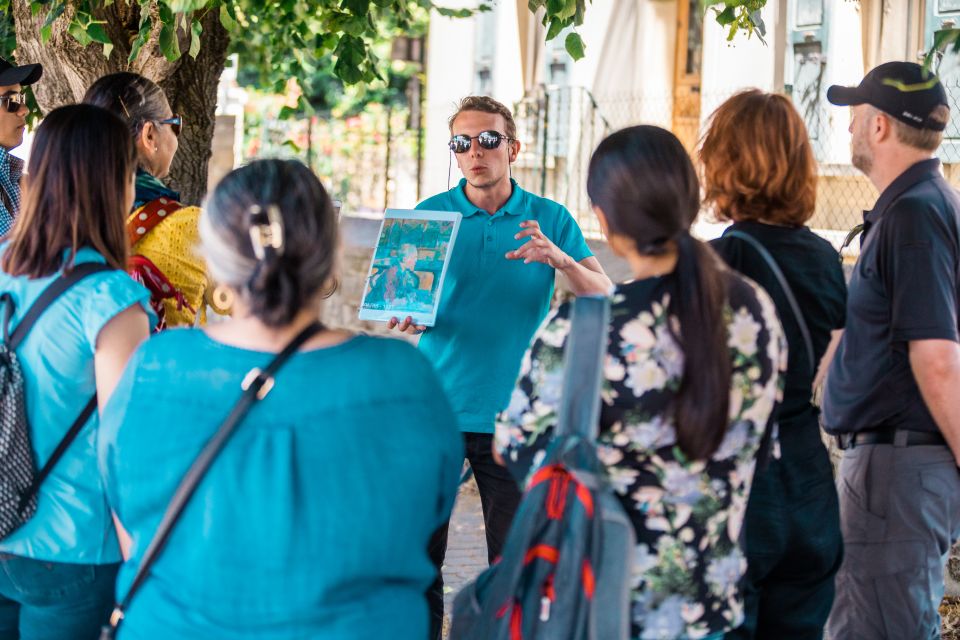
You start at Café des Dames and head out in a comfortable grey minibus with a driver-guide. The tour operates rain or shine, and it keeps group size tight (max 8), which makes questions easy and sighting your way around each site much less stressful.
In This Review
- Key things to know before you go
- The Paris-to-country drive that sets up the day
- Monet’s Giverny: Clos Normand and the water lilies
- Inside Monet’s colorful home: more than a house tour
- Monet’s tomb stop: a short pause with real weight
- The Auvers drive and the mood shift to Van Gogh
- Van Gogh’s room in Auvers: the heart of the last story
- Auvers town time: lunch hour and slow wandering
- Church of Auvers and the walk toward the “Wheat Field with Crows”
- Van Gogh’s resting place: a quiet ending
- Pacing and walking: how to make the long day feel easier
- Price and value from Paris: is $259 worth it?
- The guide factor: why some days feel effortless
- Who should book this tour (and who should skip it)
- Should you book this small-group Monet and Van Gogh day from Paris?
- FAQ
- How long is the tour?
- How many people are in the group?
- Is the guide English-speaking?
- What does the price include?
- Is food included?
- Does the tour run rain or shine?
- Where do I meet, and when should I arrive?
Key things to know before you go
- Small-group feel (max 8): easier questions and less time playing “where is everyone?”
- Skip-the-line entry: separate entrance access helps you get into the Monet sites efficiently.
- Two major artists, two towns: Giverny first, then Auvers-sur-Oise for Van Gogh’s final months.
- English live guide: you get context for what you’re seeing, not just ticket access.
- Real walking time: comfortable shoes matter, even when it’s warm.
- Lunch is on you: the schedule allows an hour in Auvers, but food isn’t included.
The Paris-to-country drive that sets up the day
This tour is built like a classic art double-feature: you leave Paris early and trade the city’s pace for the Seine-side countryside. The day is about 10 hours total, and you’ll spend time on the road getting from one artist to the next. That travel time matters, because it lets the schedule stay smooth once you arrive.
Logistics are also pretty straightforward. Your driver-guide meets you at Café des Dames, and they roll in about 10 minutes before departure on a grey minibus. Do plan to be there at least 15 minutes early—tours start sharp, and nobody wants to sprint across a café with art tickets in hand.
One nice touch of how the day runs: you’re not stuck in one spot for ages. You get a strong chunk at Monet’s core sites, then a focused arc through Auvers—Monet first, then Van Gogh, with the emotional tone changing as the day goes on.
Monet’s Giverny: Clos Normand and the water lilies
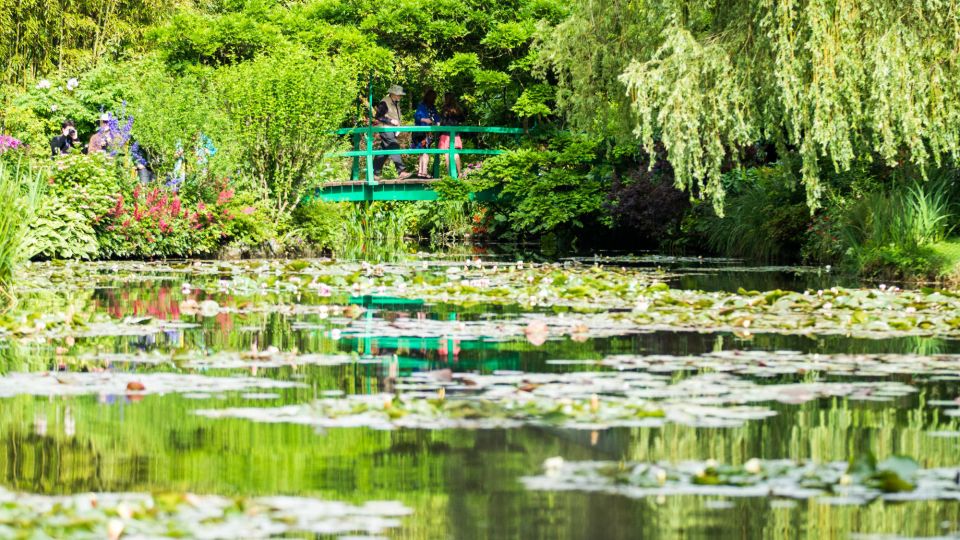
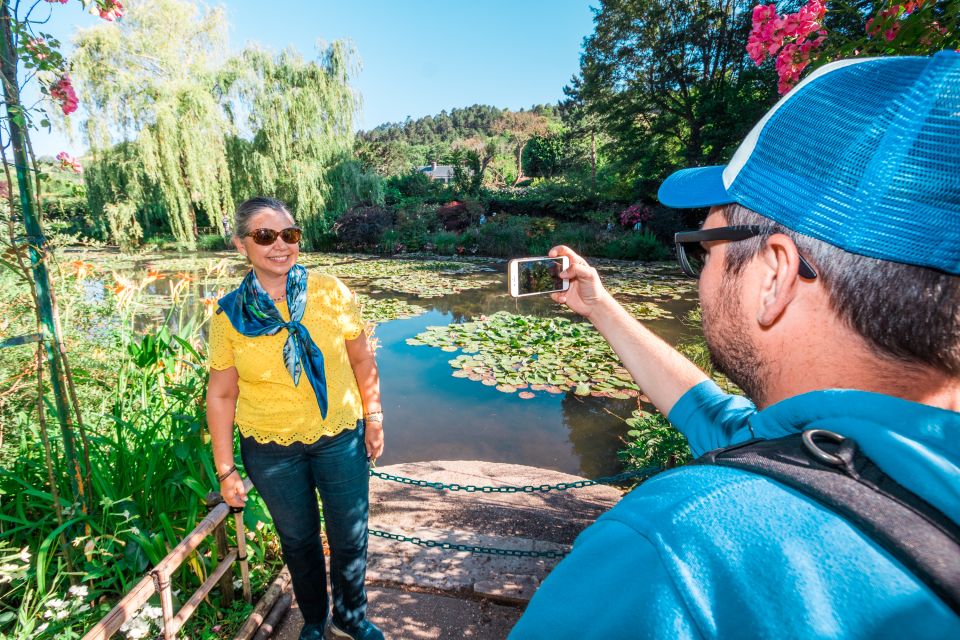
Giverny is where Monet went to make his own world. You’ll be taken to the heart of his estate, where the garden isn’t just pretty—it’s a working studio in the form of an outdoor painting. Expect to spend about two hours at the Fondation Monet area, which gives you enough time to move at a relaxed pace and still see the main garden features.
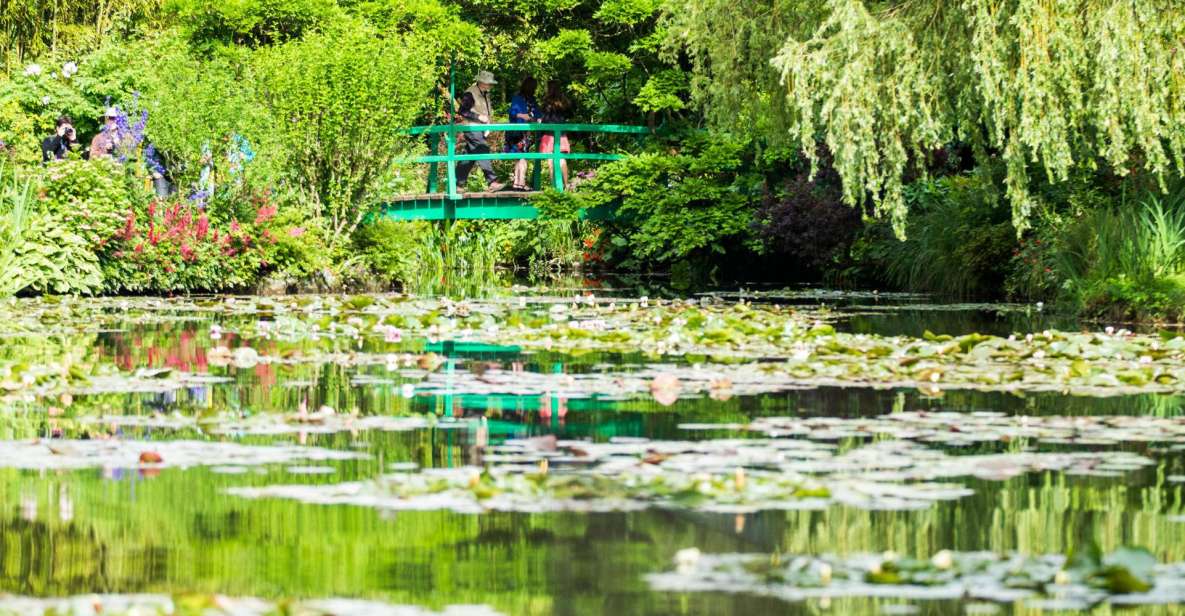
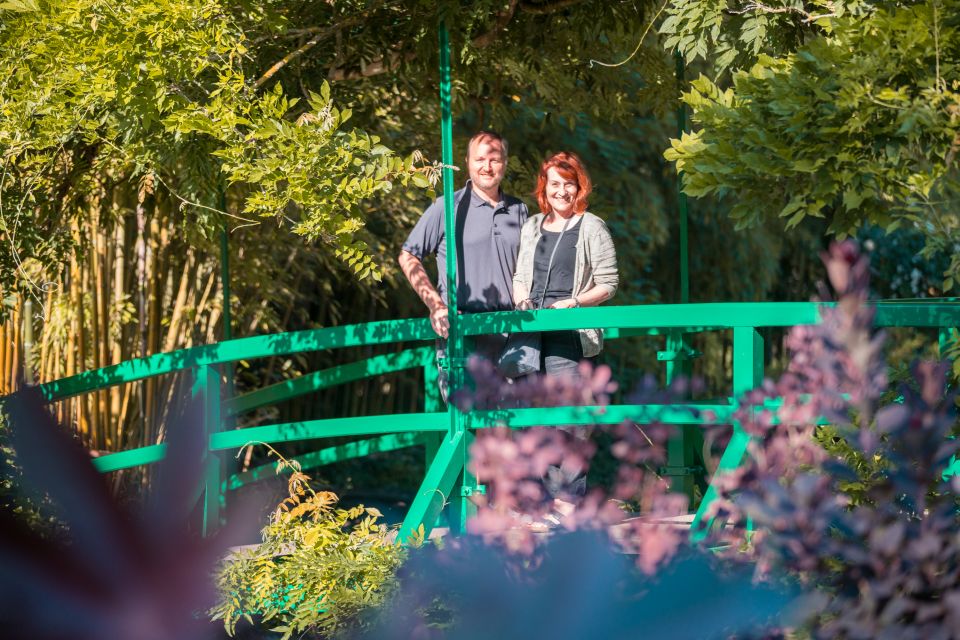
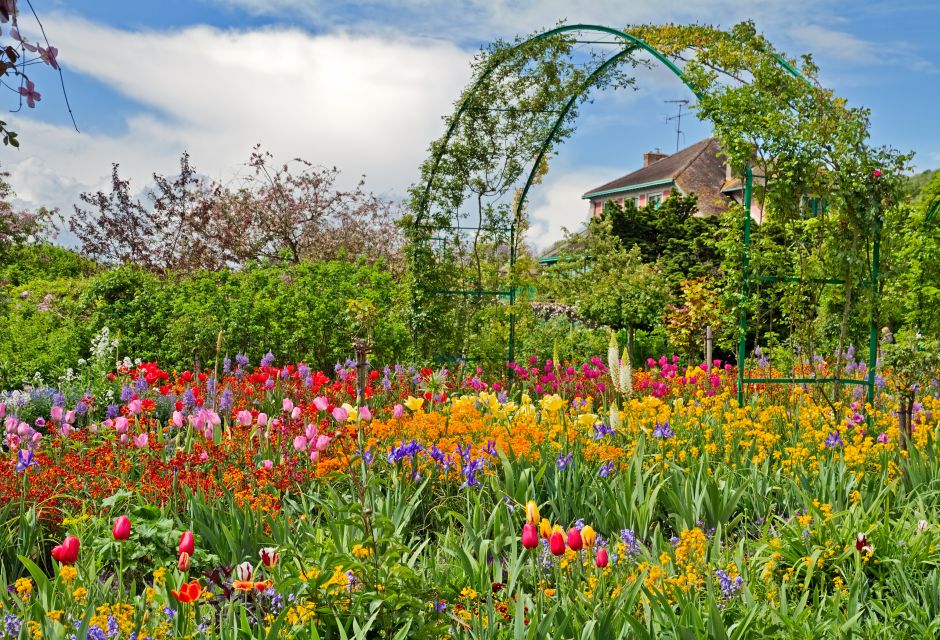
Two garden experiences are the big reason people book this. First is the Clos Normand, the garden space that feels structured and intimate—walkways, carefully planted areas, and a sense that Monet designed his views like compositions. Second is the Japanese Water gardens, anchored by his pond and the famous water lily setting. Walking from one view to another, you start to understand why Monet kept returning to the same motifs: light changes, weather changes, the water changes, and the painting changes with it.
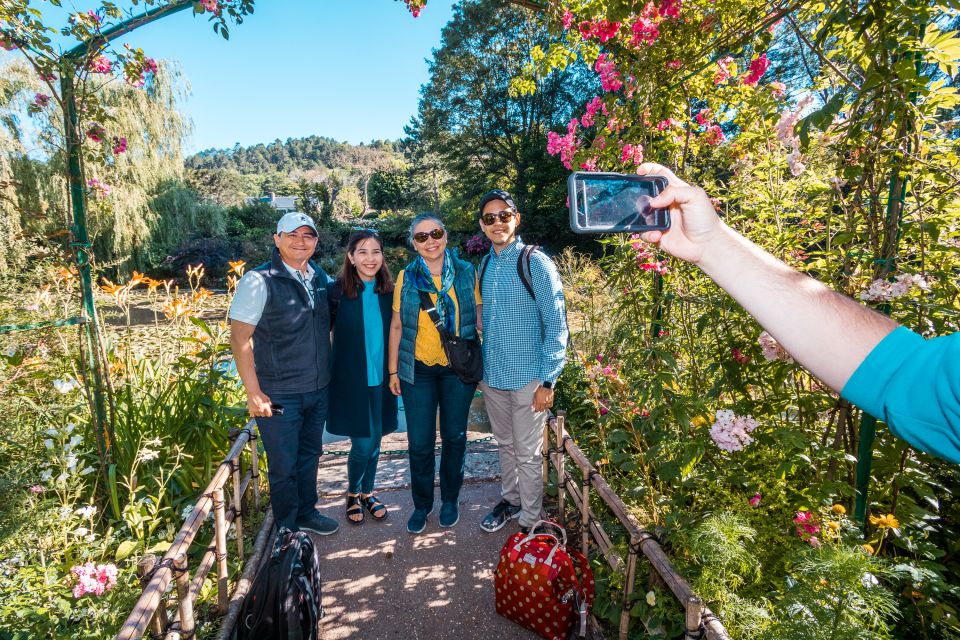
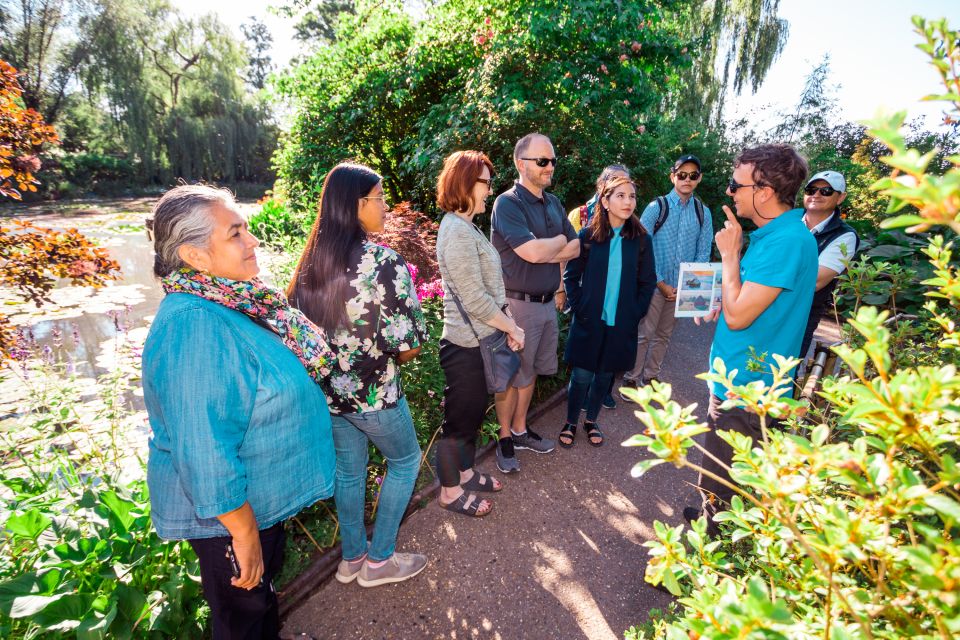
This is also where the small-group size quietly helps. When you’re in a group of up to 8, you can slow down where you actually want to slow down—near a bridge view, along pond edges, or at garden corners where the colors shift. If you’re the type who likes to study what’s in front of you instead of just taking photos from one spot, you’ll enjoy the pace here.
Inside Monet’s colorful home: more than a house tour
After the gardens, you’ll get inside Claude Monet’s family home. This isn’t just a quick look at rooms and furniture. The point of the house visit is that it helps you connect the paintings to lived space—where daily life happened, where ideas could form, where the artist’s world mixed work and family.
There’s also a sense of access and order to this stop. With skip-the-line entry through a separate entrance, you’re less likely to lose time to the kind of delays that can swallow a “2-hour” visit. That matters because the house can still feel busy at times, so any time saved on the entry side gives you more meaningful minutes inside.
The house visit is the bridge between Monet-as-legend and Monet-as-person. The day becomes richer once you’ve seen where he lived and how the home supports the garden story you just walked through.
Monet’s tomb stop: a short pause with real weight
Right after the house and garden focus, the itinerary includes a stop at Claude Monet’s tomb. It’s brief (just a few minutes), but it lands well after you’ve spent hours in his garden.
This stop works because it’s not competing with the sights. You’re not trying to keep pace through rooms anymore. You’re just taking a moment to mark the end of one story before you shift gears into the more troubled, jagged narrative of Van Gogh’s last months.
If you like meaning in your art stops, this is the moment where the day stops being only visual and becomes a little more human.
The Auvers drive and the mood shift to Van Gogh
Once you leave Giverny, the day moves into Auvers-sur-Oise, and the tone changes. The drive segment is part of what makes that contrast effective—you’ll travel, then arrive with the next set of locations ready on your mental map.
This matters because Auvers can feel like it’s all about emotion and circumstances, not just “famous buildings.” You’re going to see places tied to Van Gogh’s final period, including the boarding house where he lived during his last months.
Even if you’re not a scholar, the tour structure helps you understand the sequence: a short Monet closing (tomb), then Auvers where the art has edge.
Van Gogh’s room in Auvers: the heart of the last story
The biggest Auvers-specific draw is Van Gogh’s room. This is the portion of the tour that tends to be the peak for people who booked specifically for Van Gogh. You’re not just seeing a street or a church façade; you’re confronting a more intimate, personal space tied to the final chapter.
In plain terms: the room helps you imagine what it means to create under pressure. It also helps explain why people describe this part of the day as moving. Once you’ve seen Monet’s carefully shaped gardens, shifting to a room tied to Van Gogh’s final period can feel like stepping from soft light to harder truth.
You’ll also spend time around the Van Gogh-related stops within the town—enough to get your bearings and connect the places to the art titles you’ve likely heard about.
Auvers town time: lunch hour and slow wandering
You’ll have about an hour for lunch in Auvers-sur-Oise. Food isn’t included in the price, so you’re making your own plan here. The upside is flexibility: if you want a quick bite, you can. If you want a sit-down break, you can do that too.
This is also where you can slow down and do the thing I always recommend in small towns: walk a bit without rushing to the next ticketed stop. Auvers is compact, and there’s enough character in the streets to make the extra minutes worthwhile.
One practical tip: since your schedule continues after lunch, keep your meal close by and don’t over-commit to a far-off restaurant. The tour is timed, and you don’t want to be late to the next art anchor.
Church of Auvers and the walk toward the “Wheat Field with Crows”
After the boarding-house and room focus, the tour includes time at the gothic Church of Auvers and walking through the setting associated with the painting Wheat Field with Crows.
These stops work well together. The church offers a clear sense of place in the town’s fabric—something built to last and watch people come and go. Then the wheat field setting pulls you outward into the open-air version of Van Gogh’s mood: sky, distance, and the stark emotional scale that shows up in his late work.
Walking this route is also where you feel the “you must walk well” note in real life. You’ll want shoes that can handle uneven outdoor surfaces comfortably, and you’ll want to pace yourself if it’s hot.
Van Gogh’s resting place: a quiet ending
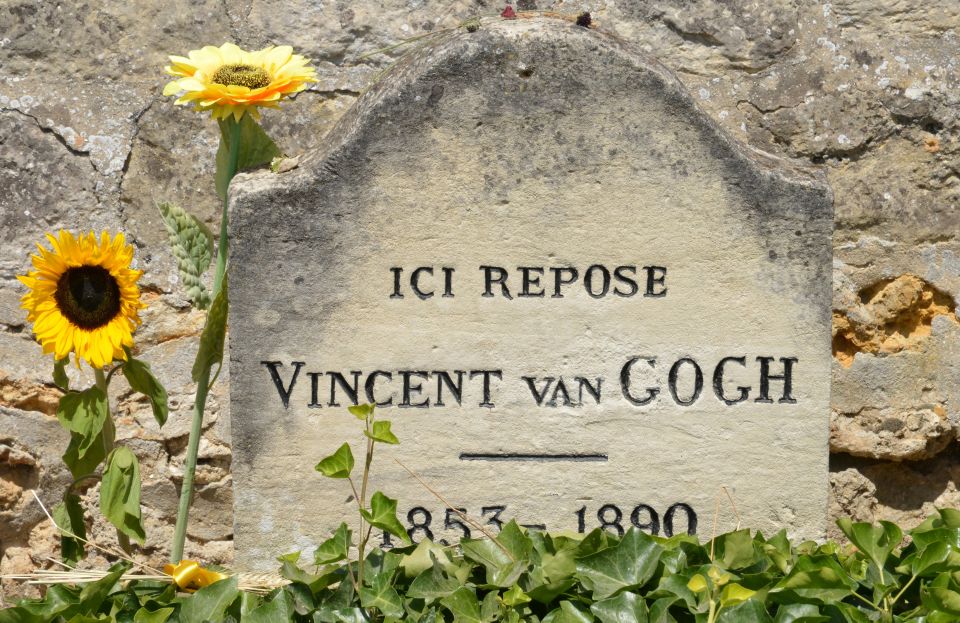
Near the close of the Auvers portion, you’ll visit Van Gogh’s final resting place, described as a humble ivy-covered grave site. This is the kind of stop that doesn’t need long explanations. The value here is time and presence. You’ve been through the room, the town, and the places tied to his output—so the final resting place lands as the end of that chain.
It’s also a reminder that art days aren’t only about seeing famous things. They’re about seeing how people lived, struggled, and made work anyway.
Pacing and walking: how to make the long day feel easier
This tour is doable, but it’s not a “sit for ten hours” plan. You’ll have:
- transit time (including about one hour early in the day),
- roughly two hours at Monet’s Fondation Monet area,
- house time,
- brief tomb stops,
- then a structured Auvers arc with walking around town and to the field/church areas.
Here’s what I’d do to feel better on the ground:
- Wear supportive shoes you trust for uneven outdoor paths.
- Bring a hat and water if you’re touring in summer; the tour is rain or shine, and that means weather can shift fast.
- If you’re sensitive to crowds at popular sites, prioritize quiet moments in the garden when your group has space—those spots often cost you nothing but a slower pace.
Also, don’t ignore the group size advantage. When you’re with up to 8 people, you can ask quick questions without waiting for someone to translate your curiosity into a line of complaints. That’s one of the reasons the guide quality shows up in so many of the top ratings—people feel looked after without feeling herded.
Price and value from Paris: is $259 worth it?
At $259 per person, you’re not just paying for transit and a bus driver. You’re paying for:
- a small-group English live guide,
- skip-the-line entry through separate entrances,
- entrance access to Monet’s key sites (garden, house, tomb, plus Giverny village access),
- and entrance access to Van Gogh’s key Auvers stops (Van Gogh Room, tomb, plus Auvers-sur-Oise village access).
Since entrance fees and guided access can add up fast when you book separately, the value here is that you’re bundling time and access into one day. The tradeoff is you’re still spending a full day away from Paris, and food isn’t included, so you’ll budget for lunch and snacks.
Is it worth it? If your priority is seeing Monet and Van Gogh-related sites in a single structured day—with fewer lines and clearer context—yes, the price makes sense. If your priority is long, free-form wandering with zero schedule, you might prefer buying tickets and building your own day. But for most art-focused travelers, this is the efficient version of “see the highlights without losing your mind.”
The guide factor: why some days feel effortless
A lot of art tours live or die by the guide. This one tends to score high because the guide role is active: you’re not only moving between sites; you’re learning what to look for and why the location matters.
Past guides called out in English-language tours include Martijn, Brune/Brunde, Arthur, Nick, Will, and Lucie. Common threads in good performances: clear explanations, time management that doesn’t feel frantic, and the ability to answer questions without making you feel like you’re slowing the group down.
When the guide is good, you’ll notice it in the little things: where to stand for a garden view, how to think about the room setting tied to Van Gogh’s last months, and what to notice as you walk toward the field and church.
Who should book this tour (and who should skip it)
This is a strong match if you:
- love Impressionism and Post-Impressionism,
- want a guided day trip that covers both Monet and Van Gogh-related sites,
- prefer small groups (max 8) for questions and better pacing,
- don’t want to plan train times, ticket entry, and walking routes across two towns.
You may want to think twice if:
- you’re not comfortable walking for extended periods outdoors,
- you dislike structured schedules on vacation,
- or you only want one artist (this day gives you both, and the time has to split).
Should you book this small-group Monet and Van Gogh day from Paris?
If you want a high-impact art day that connects places to paintings and keeps lines and confusion down, I’d book it. The pairing of Monet’s Giverny with Van Gogh’s Auvers is a smart contrast, and the small-group size makes the whole thing feel more personal than a big bus tour.
Just go in with realistic expectations: it’s a long day and the walking is part of the experience. Bring comfortable shoes, plan to buy your own lunch, and treat the tomb and grave visits as real moments—not quick photo stops.
If your idea of a great Paris trip includes getting out of town and seeing the places behind the masterpieces, this is the kind of day you’ll remember long after the train ride back.
FAQ
How long is the tour?
The tour lasts 10 hours.
How many people are in the group?
It’s a small-group tour with a maximum of 8 participants.
Is the guide English-speaking?
Yes, the tour includes a live English tour guide.
What does the price include?
The price includes entrance to Monet’s Garden and House, Monet’s tomb, Giverny village, Van Gogh’s Room, Van Gogh’s tomb, and Auvers-sur-Oise village, plus entrance fees.
Is food included?
No. Food is not included, though there is a lunch break in Auvers-sur-Oise.
Does the tour run rain or shine?
Yes, tours operate rain or shine.
Where do I meet, and when should I arrive?
Meet at Café des Dames. Be there at least 15 minutes before the official departure time, since tours start sharp.