REVIEW · LIMOUSIN
Skip the Line: Musée National Adrien Dubouché Ticket – Open Visit
Book on Viator →Operated by Cultival · Bookable on Viator
Porcelain has a way of surprising you. I love the timed entry feel of this skip-the-line ticket, and I love that you’re walking into the largest public collection of Limoges porcelain. Even better, the museum layers in ceramics history across rooms, not just display cases.
One thing to consider: the experience is mostly French-language explanations, and there’s no audio guide. If you rely on English narration, you’ll want to slow down and read what’s there, plus use the on-site photo panels when they include English.
In This Review
- Key things to know before you go
- Musée National Adrien Dubouché: why this Limoges stop hits
- Skip-the-line works when you’re visiting during peak hours
- Price and value: why $8.43 is a bargain for what you get
- Your 60 to 90 minutes: the museum route that makes sense
- Porcelain-making techniques: learning without a lecture
- The museum’s architecture: the Italian façade and the Art Nouveau rooms
- The collection’s real scale: 18,000 pieces with a timeline feel
- Planning tips for a smooth visit (so you don’t feel rushed)
- What you’ll like most, and what to watch for
- Who this open-visit ticket is best for
- Should you book? My straight answer
- FAQ
- How long is the Musée National Adrien Dubouché visit with this ticket?
- Is this a true skip-the-line ticket?
- Do I need to bring a printed ticket?
- What does the ticket price include?
- What is not included in the price?
- What’s the group size?
- Do I get a confirmation after booking?
- Is there an audio guide?
- What languages should I expect inside the museum?
- Can I cancel for free if my plans change?
Key things to know before you go

- Skip-the-line, timed access: your slot is meant to keep you from wasting time during busy periods.
- Limoges porcelain scale: the museum covers the making and history of ceramics, not only finished tableware.
- About 60–90 minutes: the visit is built for a satisfying walk without dragging on.
- Four main spaces to follow: classrooms, Art Nouveau halls, techniques, and fine porcelain galleries.
- Mobile ticket: you’ll use your phone for entry rather than printed paper.
- Small group size: the experience runs with a maximum group size of 5.
Musée National Adrien Dubouché: why this Limoges stop hits
If you’re in Limousin, this is one of those museums that makes a craft feel serious and human. The Musée National Adrien Dubouché doesn’t treat porcelain like a side quest. It presents Limoges porcelain as a story: how it was made, why it mattered, and how styles evolved.
What makes this museum worth your time is the mix of viewpoints. You’re not only looking at gorgeous objects; you’re also seeing the timeline of ceramics from Antiquity to modern day. And because it houses the largest public collection of Limoges porcelain in the world, it’s built for comparisons—styles, techniques, and changing tastes.
Also, the setting matters. You’ll walk through an Italian façade, and the building became a historical landmark in 1992. That means you’re not just in a room full of glass cases—you’re inside a heritage structure with its own charm.
Skip-the-line works when you’re visiting during peak hours

The best practical advantage here is simple: you prebook entry with a timed slot. That’s what turns a “maybe we’ll make it” museum stop into a plan you can trust, even on busier days.
This is also a mobile ticket experience. In practical terms, that means less fuss when you’re moving through a French town with cobbled streets and limited time. You show up with your phone ready, get through entry smoothly, and start your visit without a long wait.
One more detail that matters for comfort: the group size is capped at 5. That tends to make it easier to move around galleries and pay attention to small interpretive elements without getting squeezed.
Price and value: why $8.43 is a bargain for what you get

At $8.43 per person, this ticket is priced like a smart museum add-on—and it can be. You’re paying for admission plus the skip-the-line setup, which is usually where the value is. If you’ve ever stood in a line while your energy drains, you already know why this matters.
The museum also gives you enough material for a real 60–90 minute circuit. You’re not purchasing a quick photo stop. You’re buying access to a collection that’s large enough to feel like a mini-education on ceramics history and techniques.
And there’s a practical upside: since the visit is timed but open in spirit, it fits how people travel. If you prefer to read first and look second, you can do that. If you’d rather wander and connect the dots later, you still have time.
Your 60 to 90 minutes: the museum route that makes sense
You’ll move through four distinct spaces, and the order helps you build understanding instead of just collecting images.
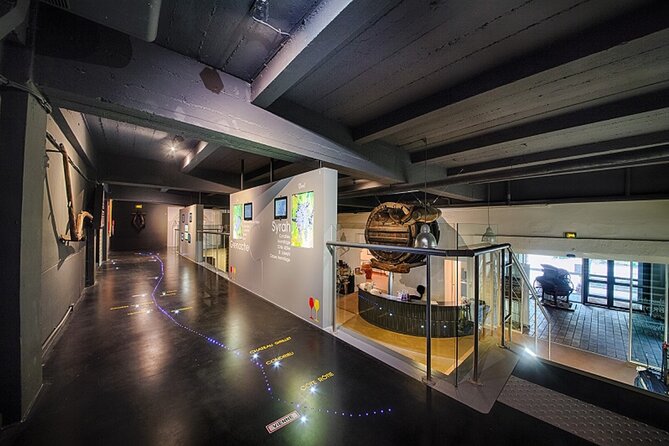
First are the rooms that connect to training and decoration: the museum’s old classrooms of the École d’arts décoratifs. This is where the craft feels grounded. You’re reminded that porcelain wasn’t invented by lightning; it was made by people learning skills, refining methods, and working for results.
Next come the Art Nouveau halls from 1900. This is where the building and the style of the era start talking to each other. The museum’s architecture gives you atmosphere while you look at objects that reflect taste, technology, and design ideas from that period.
Then you hit the porcelain & ceramic-making techniques room. This is where the museum shifts from finished products to how they’re made. Expect lots of interpretive info tied to materials and process.
Finally, you’ll spend time in halls devoted to the finest porcelain artworks. This is the payoff moment. By the time you get here, you’ve already learned enough to notice differences in form, surface, and style rather than treating everything as pretty plates.
Porcelain-making techniques: learning without a lecture
This museum does a good job teaching without forcing you into a formal lecture vibe. The techniques room and supporting displays use panels and visuals to explain what’s going on.
One useful tip: give yourself time for the reading part. You’ll likely want to start with the manufacturing process because the museum’s explanations can be easier to digest before you’re staring at dazzling finished pieces. When the process is fresh in your mind, you can look at objects and ask better questions.
Language-wise, plan around what’s available on-site. Some explanations are in French, and there’s no audio guide. That doesn’t mean you’re stuck, though. Photo panels may include English translation, so look for the signage that gives you bilingual help.
If you don’t read French fluently, don’t panic. Instead, use the museum’s structure. Follow the rooms in order, let the images do work, and focus on what you can see: surface treatment, decoration style, and how different objects relate to the techniques you just read about.
The museum’s architecture: the Italian façade and the Art Nouveau rooms
The building itself is part of the experience. You’ll enter through an Italian façade, and then the interior spaces change character from room to room. That matters because ceramics history is long and sometimes complicated. A museum layout that shifts visually helps you stay engaged.
Inside, the Art Nouveau halls from 1900 add a sense of period atmosphere. Even if you’re not an architecture nerd, it helps you understand why porcelain became so connected to design. This isn’t just a technical craft; it’s also an art form tied to interior style and cultural taste.
Also, one practical comfort point: there appears to be seating support in the galleries. That’s the kind of detail you’ll appreciate if you’re visiting with kids, or if you just want to pause and take in a display without standing the whole time.
The collection’s real scale: 18,000 pieces with a timeline feel
The Musée National Adrien Dubouché includes 18,000 pieces that trace the history of ceramics from Antiquity to modern day. That’s a staggering number, but the museum avoids the problem of overwhelm by organizing what you see into a path.
Instead of throwing everything at you at once, the layout lets you build a timeline in your head. You learn about materials and methods, then you move into major halls where finished works illustrate what those methods can produce.
This is also why the museum works for different interests. If you love design, you’ll spend time with artwork halls. If you care about process, you’ll linger in the techniques room. If you’re a history-minded traveler, the training/classroom rooms and the Art Nouveau spaces connect the craft to time and place.
And if you’re traveling with someone who thinks ceramics museums sound boring? The size of this collection is also your bargaining chip. It gives you enough variety that one person won’t feel trapped in a single theme.
Planning tips for a smooth visit (so you don’t feel rushed)
A good strategy is to treat this like a two-part museum: process first, collection second. Spend your early minutes in the manufacturing/techniques area and reading panels. Then move into the galleries where you can apply what you just learned.
Try to match your pace to your interests. If you’re a faster reader, you may be fine with the full circuit close to an hour. If you like to inspect details and read panels closely, plan closer to 90 minutes.
Timing also matters because this is an open visit with timed entry. If you’re aiming for a specific time window, don’t wait until the last moment. The experience is commonly booked about 50 days in advance, which is a hint that popular time slots can go early.
Finally, pair the museum with a simple plan for the rest of your day. This is the kind of stop that works well before dinner or as your main cultural visit in Limoges. Don’t overpack your schedule, because once you start seeing the differences in styles and methods, you’ll want time to keep looking.
What you’ll like most, and what to watch for
Here’s what I’d call the high points that usually land well:
- Skip-the-line timed entry that reduces waiting stress.
- A clear, logical path through classrooms, Art Nouveau halls, techniques, and fine porcelain.
- English support on at least some photo panels, which helps if your French is basic.
- The fact that you can keep it to a 60–90 minute visit without feeling like you need a full half day.
- A museum that includes practical interpretive details, like visual learning tools.
Now the caution you should respect:
- No audio guide, so you’re relying on written explanations and any bilingual panels you find.
- French language explanations can slow you down if you’re not comfortable reading.
If you’re the type who needs spoken narration to enjoy museums, you might want to double-check what bilingual signage you’ll see where you’ll stand. But if you’re okay with a slower, more observant pace, you’ll still get a lot out of it.
Who this open-visit ticket is best for
This ticket fits best if you want a classic museum experience with a craft-focused story.
You’ll probably enjoy it if:
- You like ceramics, design, or art history.
- You want a serious collection with real variety and a timeline feel.
- You prefer exploring at your own pace inside a structured museum route.
- You want a practical, affordable ticket that still feels meaningful.
You might reconsider if:
- You strongly prefer audio guides or guided storytelling in English.
- You’re only interested in one small slice of ceramics history and don’t want a broader timeline.
- You tend to rush through museums and skip interpretive panels.
Even so, the museum’s rooms are built for looking. It’s hard to leave without noticing something new in the porcelain itself.
Should you book? My straight answer
Yes, I think you should book if you’re planning a Limoges visit and you want the smoothest entry possible. The timed, skip-the-line setup is the kind of small planning win that makes museums feel easier. Add in the scale—18,000 pieces—and the well-organized route through techniques and artwork, and the value becomes clear.
Book especially if you’ll visit during a more active period or you hate uncertainty. This is also a good fit if you want to stay flexible: you get into the museum through your timed slot, and then you can take the route at a pace that matches your interest.
If you do book, do one simple thing that improves everything: plan to read at least some panels in the techniques area first. Then the porcelain galleries become less like decoration and more like evidence of how a craft evolved.
FAQ
How long is the Musée National Adrien Dubouché visit with this ticket?
The experience is listed as about 1 hour to 1 hour 30 minutes.
Is this a true skip-the-line ticket?
It’s a skip-the-line ticket with timed slots meant to guarantee entrance, including at busy times.
Do I need to bring a printed ticket?
No. The ticket is delivered as a mobile ticket.
What does the ticket price include?
It includes entrance tickets.
What is not included in the price?
Transfer and personal expenses are not included.
What’s the group size?
The experience has a maximum of 5 travelers.
Do I get a confirmation after booking?
You should receive confirmation at the time of booking.
Is there an audio guide?
No audio guides are mentioned; explanations are provided through on-site text and signage.
What languages should I expect inside the museum?
Some explanations are in French, and there can be English translation on certain photo panels.
Can I cancel for free if my plans change?
Free cancellation is available up to 24 hours before the experience’s start time for a full refund.