REVIEW · LANGUEDOC ROUSSILLON
Pont du Gard: Private Guided Tour
Book on GetYourGuide →Operated by TOUR FRANCE EXPERIENCE · Bookable on GetYourGuide
The Pont du Gard is not just an old bridge. It is the most impressive surviving section of the ancient aqueduct that carried water from the Eure spring near Uzès to Nîmes. I like that this private tour gives you two things that are hard to get from a quick photo stop: close attention from a licensed guide and a clear explanation of how the structure worked. I also like the chance to see the museum afterward at your own speed.
The main drawback is the price: $235 per person for two hours, with transportation and museum admission not included. That can be good value for a small private group that wants personal commentary, but it is a serious cost if you only want to admire the bridge and take pictures.
In This Review
- Key points about the Pont du Gard tour
- Why the Pont du Gard deserves two hours
- Meeting your guide outside the museum
- Reading the Roman bridge-aqueduct with a private guide
- The architecture is the main event
- Adding the museum and cinema after the tour
- Is $235 per person a fair price?
- Who will get the most from this visit?
- Practical planning before you book
- Should you book the Pont du Gard private tour?
- FAQ
- How long does the Pont du Gard private tour last?
- Where does the tour meet?
- Is transportation included?
- Is museum admission included?
- Which languages are available?
- Can I cancel the tour for a refund?
Key points about the Pont du Gard tour
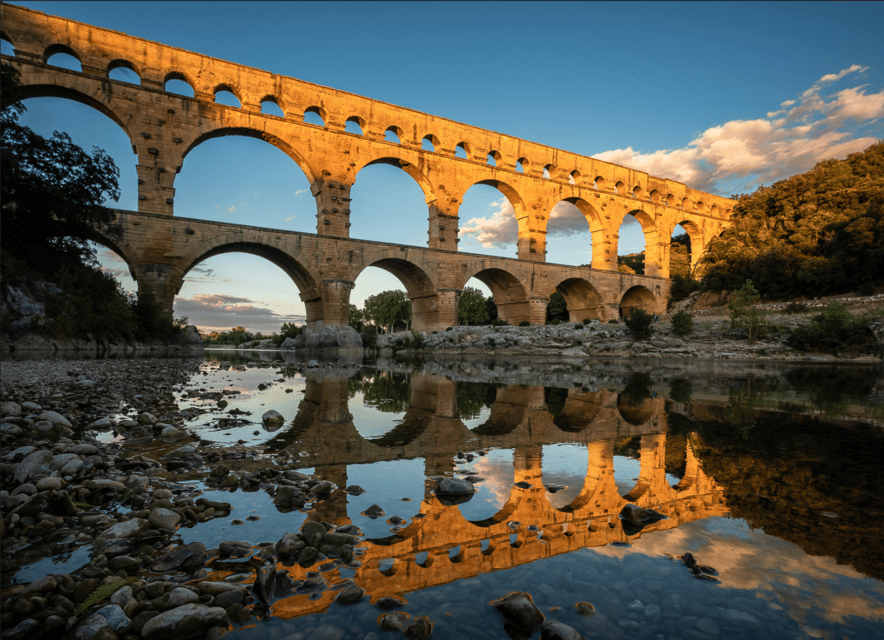
- The Roman aqueduct dates from around 50 AD, when it formed part of the water route from the Eure spring near Uzès to Nîmes.
- A private licensed guide leads the full two-hour visit, so you can ask questions and avoid the pace of a large group.
- Soizic and Florian are named guides associated with this experience, with Soizic praised for her care and clear explanations and Florian noted for humor, broad general knowledge, and flexibility.
- The Pont du Gard is a UNESCO World Heritage Site, recognized in 1985.
- The museum and cinema cost extra, but you can visit the museum after the guided portion during opening hours.
- You must arrange your own transportation to 400 Rte du Pont du Gard and meet outside the museum entrance.
Why the Pont du Gard deserves two hours
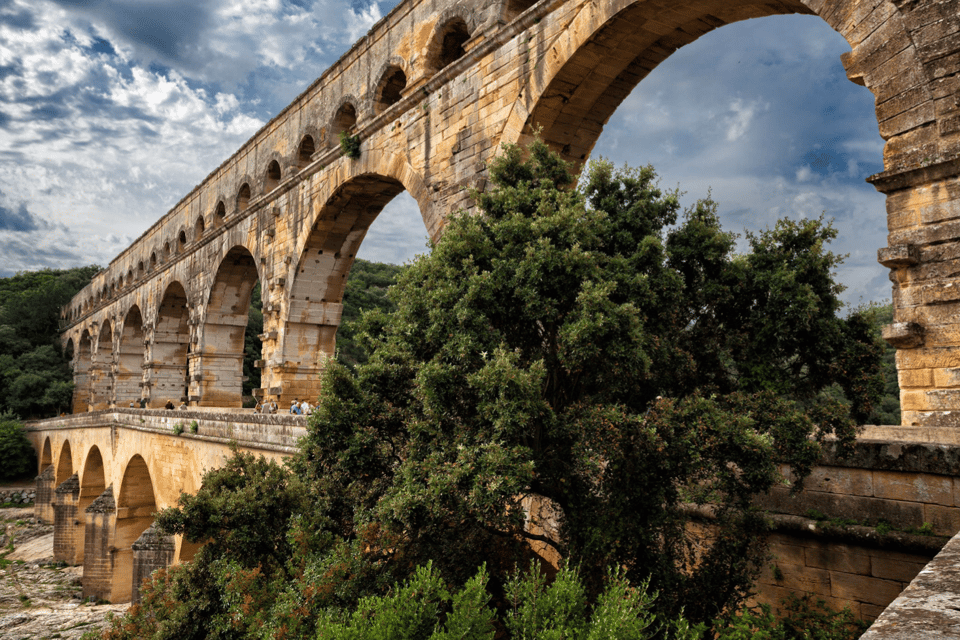
The Pont du Gard was built around 50 AD as part of the ancient aqueduct of Nîmes. Its job was practical: move water from the Eure spring at the foot of Uzès to the Roman city of Nîmes. Yet the scale and design turned a water project into one of the best-preserved pieces of Roman architecture in France.
You will see the bridge-aqueduct itself, the part that carried the water over the Gardon valley. The structure is famous for its height, and it is described as the highest Roman bridge-aqueduct in the world. That fact matters because the Pont du Gard was not built as a monument for admiration. It was an engineering answer to a difficult route.
A guide helps you read the structure as more than three tiers of stone arches. You can learn how it belonged to a much longer water system and why this particular section became its major surviving feature. Without that context, it is easy to spend a few minutes taking pictures and miss the reason the bridge is so important.
The private format should appeal to you if you prefer conversation over a fixed script. You can ask about the aqueduct, the Roman building methods, or the role of water in Nîmes. The supplied guide information names Soizic and Florian. Soizic is described as attentive and very capable, while Florian is noted for his humor, broad general knowledge, and willingness to adjust the program.
Meeting your guide outside the museum
The meeting point is outside the museum entrance at 400 Rte du Pont du Gard. This is useful to know before you set out, since the tour does not include transportation. You need to make your own way to the site and arrive at the museum entrance rather than looking for a guide at the bridge itself.
The location also gives the visit a sensible starting point. You can meet the guide, get oriented, and then begin the walk toward the Roman structure. Starting near the museum makes it easier to add the indoor visit after the tour, provided the museum is open.
Check the starting time when you book. The activity lasts two hours, but the available start times vary. If you want to see the museum afterward, allow extra time beyond the guided portion and confirm that your visit falls within museum opening hours.
Reading the Roman bridge-aqueduct with a private guide
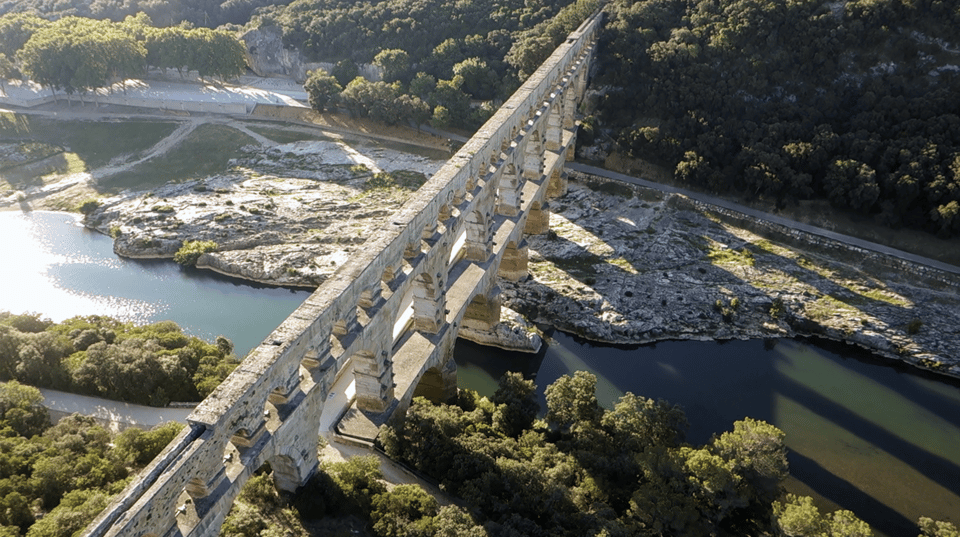
The central part of the experience is the two-hour guided visit to the Pont du Gard. This is long enough for the guide to provide historical context without turning the stop into an all-day commitment.
I find the private format most useful at a site like this. The Pont du Gard is visually clear but historically layered. You can see the arches, stonework, and different levels right away. What takes longer to understand is the connection between the bridge and the wider aqueduct that supplied Nîmes.
A licensed guide can explain that connection as you look at the structure, rather than leaving you to piece it together from signs. The guide can also respond to your interests. If Roman engineering fascinates you, you can focus on construction and water supply. If you are more interested in the history of Nîmes, you can ask how the aqueduct served the city.
The comments about Soizic and Florian give you a useful sense of the guiding style to expect. Soizic is praised for her explanations and personal attention. Florian is described as friendly, funny, well educated, and flexible with the program. Those details matter because the private format is only worth paying for if the guide makes good use of the time.
The tour is offered in English, French, German, Italian, and Spanish. Be sure to select the language you need when checking availability. A private tour in your preferred language can make technical information much easier to follow, especially if you are visiting with family members who have different levels of interest in Roman history.
The architecture is the main event
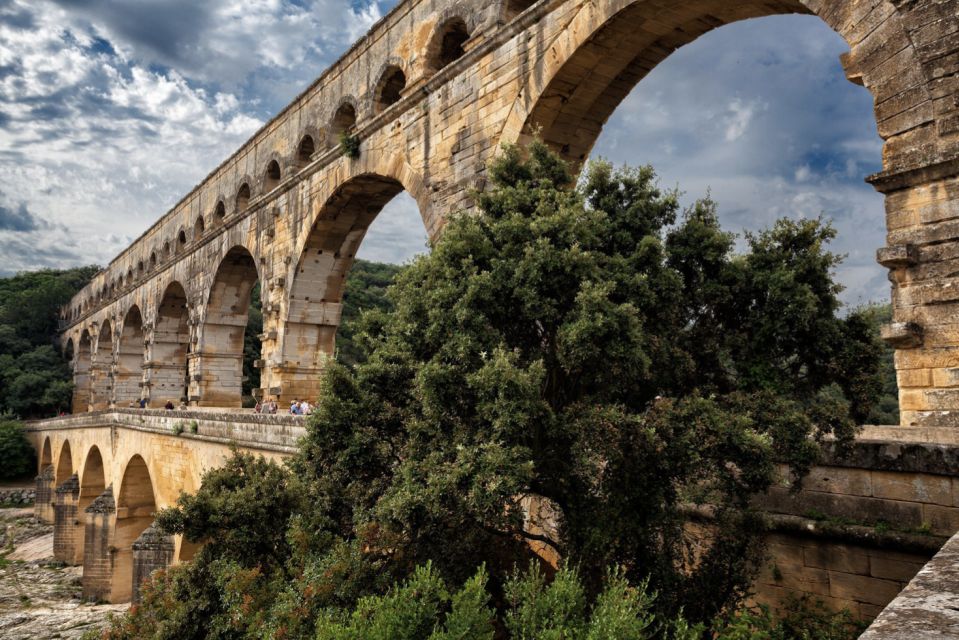
The Pont du Gard is impressive because its beauty comes from its purpose. The Romans needed to carry water across a valley, and the solution required a large bridge with carefully planned arches. The result is a structure that looks formal and balanced even though it was built for a working water system.
You will have time to admire the architecture rather than simply pass by it. Look for the way the arches organize the bridge and how the different levels create the familiar profile. The guide can help connect those visible features to the aqueduct’s original function.
The description of the site calls its architecture rare for its time and says it is the best preserved now. That combination gives the visit real weight. You are not looking at a reconstruction or a partial outline. You are seeing a major surviving section of an ancient water route.
UNESCO added the Pont du Gard to its World Heritage list in 1985. That status does not replace the need for explanation, but it signals the site’s international importance. A guide helps turn that official recognition into something more understandable: the bridge matters because of its scale, condition, design, and place within Roman infrastructure.
Adding the museum and cinema after the tour
The museum is not included in the tour price, and admission to the cinema is also separate. This is an important cost to remember when comparing the experience with a simple visit to the site.
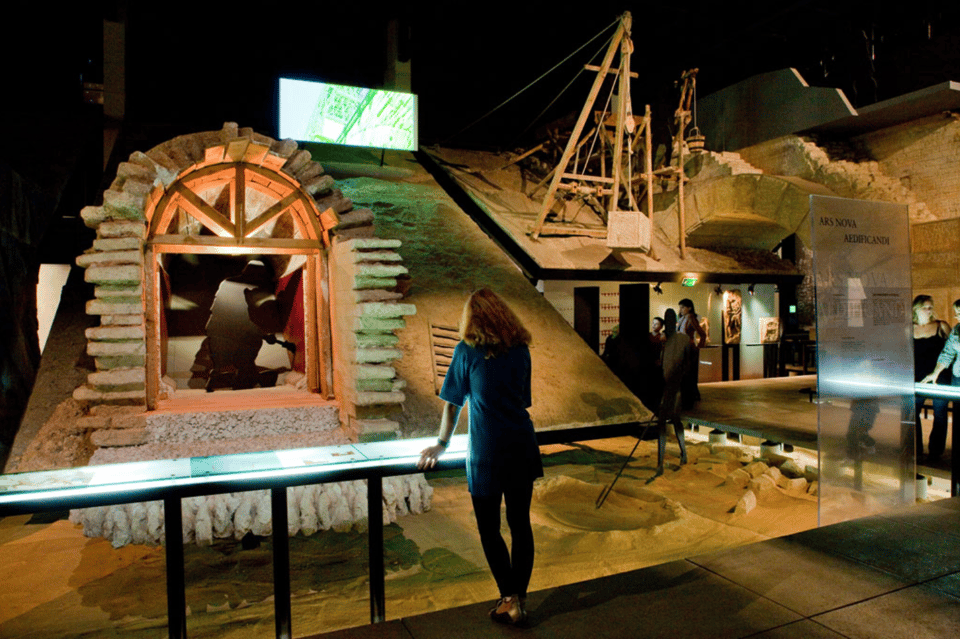
You can visit the museum on your own after the guided tour, during opening hours. That arrangement gives you a useful choice. You can spend the full two hours outdoors with the guide, then decide how much indoor material you want afterward. If your group has mixed interests, some people can take more time in the museum while others keep the visit shorter.
The museum can also help reinforce what you learn outside. The guide provides the live explanation and points out the meaning of the structure. The museum gives you a quieter chance to continue with the subject at your own pace. Since admission is extra, include it only if you want that additional layer.
The cinema is another optional expense. The supplied information does not specify its content or screening schedule, so check the details before adding it to your plan. The same applies to museum opening hours, since the extra visit is only possible when the museum is open.
Is $235 per person a fair price?
At $235 per person, this is not a budget sightseeing stop. The price pays for a private tour and a licensed guide, not transportation, museum admission, or cinema admission. That distinction is important.
I would consider it reasonable for a private group that values personal attention and wants a guide to explain the aqueduct in detail. The cost becomes easier to justify when several people share the same guide and can ask questions freely. It is also more appealing if you have a strong interest in Roman architecture or want a visit in a specific language.
The value is weaker if you only have time for a quick look at the bridge. The Pont du Gard is an important sight even without a guide, and you may not need a private two-hour explanation if your goal is simply to see it and move on.
The best comparison is not with a basic entrance ticket. Compare it with the cost of arranging a private guide separately, then add the time and effort required to learn the site on your own. If the guide’s interpretation is the reason you are coming, the private format offers a clear benefit. If the bridge itself is the whole attraction for you, the price may feel high.
Who will get the most from this visit?
This tour fits couples, families, and small groups who want a focused historical visit without committing to a full day. The two-hour length is manageable, and the private setup gives you room to ask questions rather than follow a large crowd.
It is especially suitable for people who enjoy Roman sites but want help making sense of engineering details. You do not need to arrive with prior knowledge. The guide’s role is to connect the physical structure with the ancient aqueduct running between Uzès and Nîmes.
Families may also appreciate the private format. A guide who can adjust the program, as Florian is described as doing, may be able to keep the pace comfortable for the group. The information does not specify a children’s program, so families should not assume that the tour is designed specifically for young children.
Language choice is another reason to book this type of visit. English, French, German, Italian, and Spanish are available. You should check the current schedule for the language and time you want rather than assuming every option runs at every hour.
Practical planning before you book
Bring the tour price into your full budget. You will pay $235 per person, while transportation, museum admission, and cinema admission are outside that price. The meeting point is clearly given, but getting to 400 Rte du Pont du Gard is your responsibility.
Plan on two hours for the guided portion. Add more time if you want the museum afterward. The extra museum visit is only valid during opening hours, so check that detail before choosing a starting time.
The cancellation policy is fairly flexible. You can cancel up to 24 hours in advance for a full refund. You can also reserve now and pay later, which may help if your South of France schedule is still changing.
The experience has a 4.7 rating from five reviews, so the sample is small but consistently positive. The strongest praise centers on the guides, not on transportation or add-on facilities. Soizic receives credit for clear explanations and careful attention. Florian is noted for humor, broad knowledge, and flexibility. Those are the qualities to value most when deciding if this private format suits you.
Should you book the Pont du Gard private tour?
Book it if you want the Pont du Gard explained by a live guide, prefer a private group, and care about the engineering behind the Roman aqueduct. The two-hour format gives you a focused visit, and the named guide feedback points to attentive, personable guiding.
Skip it if $235 per person feels too steep for a single monument or if you only want photographs and a short look. Remember that you still need to arrange transportation and pay separately for the museum and cinema.
For history-minded visitors, this is a strong choice because the guide helps you see the Pont du Gard as part of the water route from Uzès to Nîmes, not just as a beautiful stone bridge. Add the museum afterward if you want more context, but treat that as an optional extra rather than part of the advertised tour.
FAQ
How long does the Pont du Gard private tour last?
The guided tour lasts two hours. You may also visit the museum afterward on your own during museum opening hours.
Where does the tour meet?
The meeting point is outside the museum entrance at 400 Rte du Pont du Gard.
Is transportation included?
No. Transportation to and from the Pont du Gard is not included.
Is museum admission included?
No. Entrance to the museum and cinema is not included in the tour price.
Which languages are available?
The live guide may lead the tour in English, French, German, Italian, or Spanish. Check availability for your preferred language and starting time.
Can I cancel the tour for a refund?
Yes. You can cancel up to 24 hours in advance for a full refund. You can also reserve now and pay later.