REVIEW · MARGAUX
Margaux – Discovery tour of the vineyard with a tasting of 4 wines
Book on GetYourGuide →Operated by Château Haut-Breton Larigaudière · Bookable on GetYourGuide
A family-run vineyard tour can feel more personal than a big tasting room. Here, you get a guided look at a family estate and the Margaux appellation, then a 4-wine tasting explained step-by-step by your guide.
What I like most is the practical focus: you’ll see the vat room and barrel cellar and learn what those spaces actually do in the wine-making process. You’ll also get tasting notes tied to aromas, not just trivia. One possible drawback: if you’re sensitive to delivery style, a guide who sounds like they’re reading a script may feel less inspiring than the passionate, conversational versions people love.
In This Review
- Why this Margaux tour works so well
- Key highlights to look for
- A family estate in the Margaux zone: what the 1-hour tour covers
- Meeting point, pacing, and what to expect on arrival
- From vat room to barrel cellar: seeing how wine is made
- The traditional vat room
- The barrel cellar
- Why these two rooms are such good value
- The guided tasting of 4 wines: how the explanations should feel
- What you can learn from the variety
- A delivery note: clarity vs script reading
- Group size, pacing, and who this Margaux tour fits best
- Who should book
- Who might not
- Price and value: what $17 gets you at Château Haut-Breton Larigaudière
- Should you book this Margaux vineyard discovery tour?
- FAQ
- How long is the Margaux vineyard discovery tour?
- How many wines are included in the tasting?
- Where does the tour start?
- What languages are available for the live guide?
- Is it suitable for children?
- Is the group size small?
Why this Margaux tour works so well

This isn’t a long afternoon. It’s a tight 1-hour format, limited to just 10 people, built for learning without dragging. The story centers on the De Schepper family and how three generations have cultivated vines with careful attention through each stage, from harvest to bottling.
And yes, you should expect wine tasting. The big win is that each pour comes with a guide’s commentary focused on what you’re smelling and tasting, plus what winemaking choices create those differences.
Key highlights to look for

- Family-run estate tour focused on how the process works in real life
- Vat room and barrel cellar visit so you connect equipment to flavor
- Margaux appellation context without getting stuck in textbook mode
- Guided tasting of 4 wines with aroma-focused explanations
- Small group size (max 10) for easier questions and better pacing
- French or English live guidance, with clear explanations depending on your guide
You can also read our reviews of more tours and experiences in Margaux.
A family estate in the Margaux zone: what the 1-hour tour covers

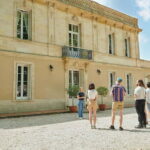
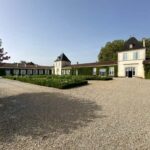
This experience takes place in Nouvelle-Aquitaine, in the Margaux area of Bordeaux. The tour is hosted by Château Haut-Breton Larigaudière, and it’s built around one simple idea: if you want to understand wine, you should see how it’s made before you taste it.
The timing matters. With a duration of just 1 hour, the visit is designed to keep momentum. You won’t get lost in a long winding schedule, and you’ll leave with a handful of wines you can actually compare in your head.
You’re also not just listening to a story. The tour includes a physical walkthrough: the traditional vat room and the barrel cellar, where you’ll learn what happens after the grapes have been harvested. That small shift—from stage-setting to real process—changes how much you remember later.
Meeting point, pacing, and what to expect on arrival

The tour starts at the Château’s shop. Plan to arrive about 5 minutes early, so you can get oriented and be ready to join the group right when it begins.
Because the group is limited to 10 participants, the guide can keep the pace comfortable. You should still expect a clear schedule: the estate tour comes first, then the tasting. It’s not a free-roaming wander through rows of vines. Think guided and structured, not casual and slow.
Language is another practical point. You’ll have a live tour guide speaking French or English. If you prefer English explanations, check availability for an English-speaking session when you book.
From vat room to barrel cellar: seeing how wine is made
The heart of the visit is the behind-the-scenes look at where work happens.
The traditional vat room
The vat room is where you connect the idea of fermentation to something you can actually point at. You’ll discover how each stage of wine-making is handled with detail and care, and you’ll learn the logic behind the workflow—from grape harvest to later steps like bottling.
Even if you’re new to wine, this stop helps you avoid the common mistake of tasting without context. After you’ve seen the vessel where winemaking happens, your brain starts mapping smells and flavors to decisions made during that stage.
The barrel cellar
Then you move into the barrel cellar, which is where the story becomes even more sensory. Barrels don’t just store wine; they influence texture and aroma over time. In this visit, the guide connects what you see in the cellar to how aging can shape what ends up in the glass.
If you’re the kind of person who likes to ask why a wine tastes a certain way, this is the moment where those questions feel worth it. You get the physical reference point first, so the explanation lands better.
Why these two rooms are such good value
Lots of vineyard activities focus mainly on views. This one focuses on the production steps. That means you’ll leave with a clearer mental model of how Margaux-style wines are handled through key stages, not just with pretty photos.
Also, the visit is brief. You’re not forced to spend time on parts of the process that won’t help your tasting. You get the high-impact stops: vat room and barrel cellar.
The guided tasting of 4 wines: how the explanations should feel
The tasting is the payoff: 4 wines selected by the experts, each described by your specialist guide. What makes this more useful than many tastings is the way commentary is framed around the senses—especially aroma subtleties—so you know what to notice.
A good guide will do two things at once:
- Help you identify what you’re smelling and tasting.
- Tie those differences back to winemaking decisions.
When it works, you start tasting like you’re doing homework without realizing you’re studying. You’ll remember which wine felt lighter or more structured, and you’ll understand why without needing to memorize a chemistry lecture.
What you can learn from the variety
A four-wine format is ideal for comparison. It’s enough to show range, but not so many pours that everything blurs together.
You’ll typically get commentary that helps you practice your palate in a logical order: first learn the smell and basic character, then connect it to the steps you just saw in the vat room and cellar. That quick linking is the reason this tasting often feels satisfying, even for people who don’t consider themselves wine experts.
A delivery note: clarity vs script reading
Based on past experiences, the quality can hinge on the guide’s delivery. Some guides are extremely clear and instructional, like Thomas and Orane, and they can make English sound natural and easy. Others may speak in a more scripted way that can feel less passionate.
If you love lively storytelling, arrive with an open mind—but also know that the content is strong even when the delivery is more formal. The structure of the tour (rooms first, then tasting) still gives you the tools to learn.
Group size, pacing, and who this Margaux tour fits best
This tour is limited to 10 participants, which is a big deal for a 1-hour experience. Smaller groups mean fewer people competing for attention, and it’s easier to ask questions like what to look for in a specific wine aroma.
It’s also not suitable for children under 18. If you’re traveling as a couple, with friends, or as an adults-only group, that fits the vibe. This is a grown-up tasting experience with production-focused learning.
Because the tour is only one hour, it works well if you want wine culture without losing half your day. It also pairs nicely with other Margaux or Bordeaux-area activities—so you don’t feel like you’re locked into a full-day wine program.
Who should book
You’ll probably enjoy it most if:
- You want a guided learning experience, not a self-guided stroll
- You’re curious about how vinification steps link to what you taste
- You like tasting a small set of wines and comparing them clearly
Who might not
If you want a long vineyard walk with lots of time outdoors, this may feel too compact. And if you strongly care about theatrical passion, you’ll want to be aware that guide style can vary.
Price and value: what $17 gets you at Château Haut-Breton Larigaudière
At $17 per person for a 1-hour tour, this is positioned as a budget-friendly way into Margaux wine culture. You’re not paying just for a tasting flight in a room; you’re paying for a guided estate walk plus production stops, then a guided tasting of 4 wines.
Think about the value like this:
- The tour includes a guide-led walkthrough (vat room + barrel cellar).
- It includes a guided tasting with expert selection of four wines.
- The group size is small enough to support learning instead of a rushed show.
If you were to do a similar tasting-only experience elsewhere, you might get fewer production details. Here, those details help you taste smarter, which is what you really want from a wine activity.
One thing to keep in mind: additional purchases are not included. If you fall for a wine, you’ll have the chance to buy—just know it isn’t part of the price.
Should you book this Margaux vineyard discovery tour?
Book it if you want a smart, time-efficient way to understand Margaux wine-making. The combination of estate tour + vat room/barrel cellar + 4 wine tasting makes it feel educational without becoming heavy. At $17 for an adult-focused, small-group format, it’s good value if you enjoy learning through observation.
Skip or reconsider if you hate scripted delivery and need a super energetic, improvisational guide to stay engaged. Also, if you’re looking for a long scenic countryside walk, plan something else for the outdoors.
FAQ
How long is the Margaux vineyard discovery tour?
The tour lasts 1 hour.
How many wines are included in the tasting?
The guided tasting includes 4 wines.
Where does the tour start?
The tour begins at the Château’s shop.
What languages are available for the live guide?
The tour is offered in French and English.
Is it suitable for children?
No. It is not suitable for children under 18.
Is the group size small?
Yes. The group is limited to 10 participants.