REVIEW · HAMEAU DUBOEUF
Le Hameau Duboeuf: The 1st Vine and Wine Theme Park Tour
Book on GetYourGuide →Operated by HAMEAU DUBOEUF · Bookable on GetYourGuide
Le Hameau Duboeuf turns wine education into a full day of shows, machines, films, exhibits, and tasting rooms. I like the 3,000-piece collection and the flying cinema with two animated bees, which give you a clear and entertaining introduction to the Beaujolais and Mâconnais areas. I also like that the park is still run by the Duboeuf family after 30 years.
The main caution is that the experience is not one single guided walk through vineyards. It is a collection of indoor attractions, with the gardens and winemaking center open only from April through September. The sound and light show in the old railway station may also feel less convincing if you prefer a strictly wine-focused visit.
- A 2,000-year wine story: Follow vineyard and winemaking history through exhibits, working cellars, and historical objects.
- Two different cinema experiences: Fly over Beaujolais and Mâconnais with two charming bees, then watch a musical 3D production featuring local figures.
- A cabaret-style tasting: Finish the main visit with two glasses of wine served by sommeliers beside a limonaire.
- A railway station turned show space: The Gare presents L’Impérial, where old objects and theatrical effects mix history with fiction.
- Seasonal outdoor activities: From April to September, visit the gardens and production center, then try miniature golf, rosalies, sulkies, or giant chess.
- Easy planning for families: Parking is available, the site is wheelchair accessible, and the ticket remains valid for 364 days after first activation.
In This Review
- A wine park that feels more like a small theme park
- Starting with 2,000 years of vineyard culture
- The flying cinema with two helpful bees
- A musical 3D film with local names
- Mon Beaujolais through seasons and centuries
- The tasting: two glasses and a little theater
- L’Impérial in the refurbished railway station
- Gardens, production, and outdoor play from April to September
- Eating, shopping, and practical planning
- Who will get the most from Le Hameau Duboeuf?
- Is $24 good value?
- Should you book Le Hameau Duboeuf?
- FAQ
- Where is Le Hameau Duboeuf located?
- How much does admission cost?
- How long is the ticket valid?
- What days is the park open?
- Is wine tasting included?
- Is lunch included in the admission price?
- Are the gardens open all year?
- Is Le Hameau Duboeuf wheelchair accessible?
- Can I bring a pet?
- Is parking available?
A wine park that feels more like a small theme park
Le Hameau Duboeuf is not simply a museum with bottles behind glass. It is a purpose-built attraction devoted to vines, wine, regional culture, transport, machinery, and the people connected with the trade.
That variety is the reason I would allow most of a day here. You move from exhibition rooms to cinema attractions, from historical displays to a tasting, then across to the railway station for a separate sound and light production. The result is lively and easy to follow, especially if you are visiting with children or with someone who does not usually choose wine museums.
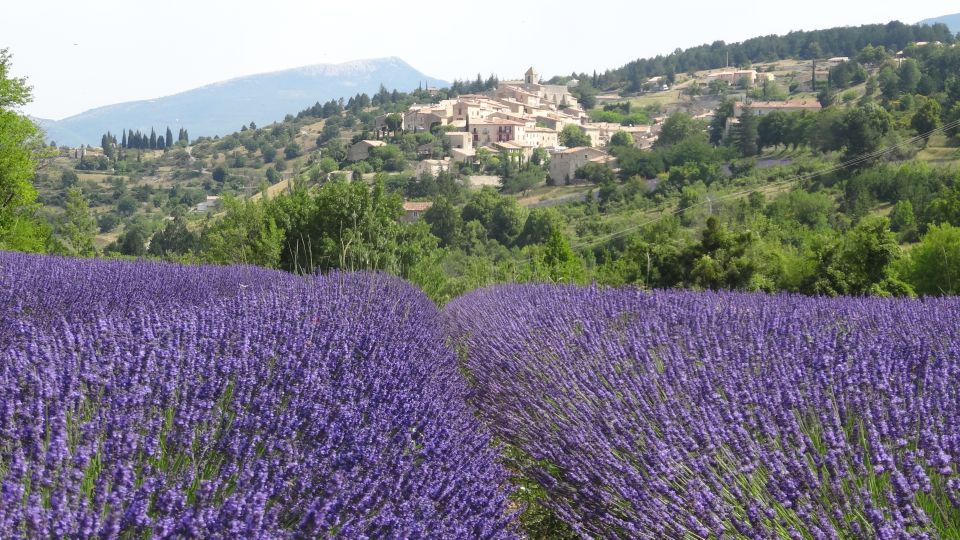
The setting is in Bourgogne-Franche-Comté, in the Beaujolais and Mâconnais wine area. The park has been operated by the Duboeuf family for three decades, giving it a strong local connection rather than the feel of a generic entertainment complex.
The ticket costs $24 per person. That is a fair price if you use the main attractions and stay long enough to see the films, collection, tasting, and railway show. It is less of a bargain if you only want a quick cellar visit or a simple glass of wine. Lunch costs extra, and the garden and winemaking center are not included in the basic admission.
Starting with 2,000 years of vineyard culture
The main part of the Hameau presents a journey through roughly 2,000 years of vineyard and wine history. You will see more than 3,000 objects, with displays that explain how wine was made, transported, stored, and enjoyed over time.
I like this approach because it gives wine a human and practical setting. Instead of focusing only on grape varieties and tasting terms, the exhibits connect wine with tools, work, celebration, travel, and regional life.
You should expect a broad collection rather than a quiet art museum. Some visitors will enjoy moving from one unusual object to the next, while others may prefer a more traditional cellar tour with fewer attractions. If your goal is to understand how Beaujolais and Mâconnais wine fit into local culture, the variety helps. If you want a technical lesson in viticulture, you may need to pay close attention to the explanations.
The presentation is designed to be accessible. One recent visit was praised for clear, complete explanations, and that matches the strength of the park’s format. You can take in the information at a relaxed pace without needing to be a wine expert first.
The flying cinema with two helpful bees
The dynamic cinema is one of the most memorable parts of the visit. You take a flight over the Beaujolais and Mâconnais areas in the company of two animated bees.
This attraction gives you a sense of place before or after the more detailed exhibits. A bird’s-eye view can help you connect the names of the wine areas with the broader region, even though the experience is presented as entertainment rather than a formal geography lesson.
I would make a point of seeing it even if you are not traveling with children. The bee characters keep the tone light, and the flying format breaks up the museum sections. One visitor described the flight as magical, which is a good indication of its appeal.
The attraction may not satisfy you if you are looking for a slow, close look at individual vineyards. It is a fast-moving overview. Think of it as a visual introduction to the region, not a substitute for visiting a specific estate.
A musical 3D film with local names
The 3D cinema takes a different route. It presents a musical comedy featuring local figures including Paul Bocuse and Bernard Pivot.
This is a cultural portrait rather than a straightforward instructional film. The use of familiar regional personalities gives the production a local flavor, while the musical format keeps the mood playful.
I would especially recommend this part to visitors who enjoy theatrical presentations and regional humor. It adds personality to the visit and shows how wine culture overlaps with food, media, and public life in the area.
The tradeoff is simple: not every audience will enjoy the same style of show. If you prefer quiet displays and serious technical information, this may feel too staged. For most families and mixed-age groups, though, it gives the day some needed variety.
Mon Beaujolais through seasons and centuries
The Mon Beaujolais sound and light production focuses on Beaujolais through its seasons and centuries. It is designed to surround you with music, images, and changing scenes rather than present information in a conventional gallery.
I see this as one of the better ways to understand why the region is more than a collection of wine labels. The seasonal cycle is central to vineyard work, and a visual production can communicate that rhythm quickly.
The show is also useful for visitors who have limited time in the surrounding wine country. You receive a broad picture of the area without needing a car route between several villages and cellars.
Still, this is a staged presentation, not an outdoor vineyard experience. You will not replace a walk among the vines with this show. Instead, it works as a compact regional introduction that suits a rainy day or a family schedule.
The tasting: two glasses and a little theater
At the end of the main tour, sommeliers serve two glasses of wine in a cabaret-style setting. A limonaire, the traditional mechanical musical instrument, provides the sound.
This is a smart ending. After seeing the tools, films, and displays, you get a chance to connect the ideas to actual wine. Two glasses are enough to make the tasting meaningful without turning it into a long formal session.
I like that the tasting is built into the attraction rather than treated as an optional extra. It gives the visit a proper finish and helps justify the admission price.
You should keep your expectations measured. The included tasting is not a private estate appointment or an extensive comparison of many vintages. It is a brief, theatrical tasting that completes the main route. Lunch is not part of the ticket, so plan to eat at the on-site restaurant or make another arrangement.
L’Impérial in the refurbished railway station
For the 30th anniversary, the railway station opposite the main museum was refurbished for L’Impérial. This sound and light show uses collector’s items, theatrical scenes, and fictional elements to bring the station’s past to life.
The idea is appealing. Railway stations and wine have long been linked through movement, trade, and regional connections, so the location offers a natural second setting for the park.
The show is aimed at both adults and children. Historical objects become part of a theatrical presentation, making this section feel different from the collection inside the main building.
This is also where I would be most cautious. Some visitors find the production too far removed from the wine theme, and the station rooms can feel tight for a sound and light show. If you want every part of the admission to be directly about vineyards, L’Impérial may seem off-topic. If you enjoy imaginative staging, it can be a fun change of pace.
Gardens, production, and outdoor play from April to September
The outdoor and production areas operate between April and September. During that period, you can visit the winemaking center and explore the gardens, where the focus shifts toward aromas and flavors.
This seasonal difference matters when you plan your visit. From autumn through early spring, the core indoor attractions remain the safer reason to come. In the warmer months, the gardens and production center add more time outside and make the park feel like a fuller day trip.
Families have several optional activities to choose from:
- Miniature golf
- Rosalies
- Sulkies
- Giant chess
- An Explor Games treasure hunt, available as an optional activity
These additions help children stay interested while adults take in the wine displays. They also mean you do not have to make every part of the day an educational stop.
I would check the seasonal opening details before setting aside time for the gardens or production center. They are not included in the standard experience outside the April to September period, and the supplied information does not specify whether each optional game requires a separate fee.
Eating, shopping, and practical planning
The on-site restaurant offers an in-house menu, and food quality received specific praise. That makes lunch convenient, particularly if you plan to stay for several attractions rather than rush through the main museum.
Lunch is not included in the $24 ticket, so include it in your budget. The restaurant is useful because leaving for a meal would interrupt the sequence of films, exhibits, and shows.
The shop gives you a chance to browse wine-related items and take home products connected with the park. Since the visit ends with a tasting, the store also provides a natural place to continue comparing what you have seen with what is available for purchase.
Parking is available, which makes the park practical for a driving itinerary through the region. The site is wheelchair accessible. Pets are not allowed, so arrange care for animals before you arrive.
The experience is sold for small groups limited to 10 participants. That does not mean every attraction will feel private, but it does keep the organized portion of the visit more manageable than a large coach excursion.
The ticket is valid for 364 days from first activation. This is unusual and useful if your plans change or you are returning to the area. The attraction itself is open year-round from Wednesday through Sunday, so do not assume daily access.
You can cancel up to 24 hours in advance for a full refund, and the reserve-now-pay-later option lets you hold plans without paying immediately. Those terms matter if your French itinerary includes several changing stops.
Who will get the most from Le Hameau Duboeuf?
I would recommend Le Hameau Duboeuf to families, mixed-age groups, casual wine drinkers, and anyone wanting a regional introduction that does not depend on a long tasting seminar.
It is also a good choice for a wet day. Much of the experience is indoors, with films, exhibitions, and staged productions providing structure even when outdoor vineyard visits are not pleasant.
Wine specialists may find the park less detailed than a focused producer visit. The strength here is breadth and presentation. You learn about the wider world around wine, then taste two glasses, rather than spending several hours studying one estate’s soils, barrels, and vintages.
The attraction also works well for repeat visitors. Someone who visited 20 years ago could find the renewed presentation and anniversary work worth seeing again, especially the refurbished station and its L’Impérial production.
Is $24 good value?
At $24, the ticket offers good value if you treat Le Hameau Duboeuf as a half-day or full-day outing. The price covers the main collection, several film and show attractions, the Mon Beaujolais presentation, the railway station production, two tasting glasses, and the optional family atmosphere surrounding the visit.
The calculation changes if you arrive late or skip the films. You are paying for a sequence of experiences, not simply entry to one museum room.
The restaurant is an advantage, but lunch is extra. The gardens and winemaking center also require careful seasonal planning, since they operate from April through September and are not included in the basic ticket.
Should you book Le Hameau Duboeuf?
Book it if you want wine culture presented with movement, music, cinema, and family activities. The strongest parts are the interactive attractions, the clear explanations, the flying bee cinema, the large collection, and the included tasting with sommeliers.
Think twice if you want a quiet vineyard walk, a long technical tasting, or a visit focused entirely on production. Also keep your expectations realistic for L’Impérial, which may feel too theatrical and cramped for some people.
For most visitors exploring Beaujolais and Mâconnais, I see Le Hameau Duboeuf as a useful regional stop. The $24 price makes sense when you stay long enough to use the full program, and the 364-day validity gives you unusual flexibility.
FAQ
Where is Le Hameau Duboeuf located?
Le Hameau Duboeuf is in the Bourgogne-Franche-Comté region of France, in the Beaujolais and Mâconnais wine area.
How much does admission cost?
The listed price is $24 per person.
How long is the ticket valid?
The ticket is valid for 364 days from the date of first activation. This refers to ticket validity, not the length of one visit.
What days is the park open?
Le Hameau Duboeuf is open year-round from Wednesday through Sunday.
Is wine tasting included?
Yes. The main experience includes two glasses of wine served by sommeliers at the end of the tour.
Is lunch included in the admission price?
No. Lunch is not included, though there is a restaurant on site with an in-house menu.
Are the gardens open all year?
No. The gardens and winemaking center are open from April through September.
Is Le Hameau Duboeuf wheelchair accessible?
Yes. The experience is wheelchair accessible.
Can I bring a pet?
No. Pets are not allowed.
Is parking available?
Yes. Parking is available at the site.