REVIEW · NICE
From Nice: Historic Train Ride & Alps Villages
Book on GetYourGuide →Operated by Nice Creative Tours · Bookable on GetYourGuide
One train ride, and the Alps feel close. I love the historic mountain train out of Nice, because it turns a scenic bus day into something you actually remember. I also love the village walking, where the day shifts from viewpoints to real medieval streets, Baroque churches, and stone villages you can’t properly reach on your own.
The main drawback: this is not a sit-and-snack excursion. You’re in for steep hills and plenty of steps, plus an optional hiking stretch that can reach up to 12 km, so bring your best walking shoes and plan your energy.
In This Review
- Key things you’ll remember
- Why this Nice-to-the-Alps day feels different from a typical Riviera tour
- Getting there: the 7:30am start at Chemins de Fer de Provence
- The historic train ride: tunnels, viaducts, and big alpine river views
- Village 1: medieval fortifications, Baroque cathedral, and the castle walk
- Lunch in the village: local restaurant meals or picnic timing
- Village 2: sandstone streets, troglodyte houses, and the hike options
- How far you go depends on your energy
- How hard is it really? Walking distances and what to prepare
- The guide makes the day: the stories, the timing, the humor
- Small group energy: why 15 people matters on steep stone days
- Weather and season: summer hikes vs winter rhythm
- Value check: is $200 worth it for this much moving and included food?
- Who this tour fits best (and who should skip it)
- Should you book this tour?
- FAQ
- FAQ
- Where is the meeting point in Nice?
- How long is the tour?
- What time does it start and when do you return to Nice?
- What’s included in the price?
- Do I need to bring lunch or money for meals?
- How much walking is involved?
- Is the tour offered in winter?
Key things you’ll remember
- Chemin de Fer de Provence rail time: a full-on mountain train experience with stops for views and stories
- A medieval village with Baroque highlights: walls, gates, and a perched castle walk (about 200 m height difference)
- Second village on sandstone: troglodyte-style houses, maze-like lanes, caves, and giant stone blocks
- Optional hike range: from short strolls to a sporty 5–12 km day
- Guides who set the tone: Cyril, Carmela, William, Alex, and Samuel are repeatedly praised for keeping things fun and running on time
Why this Nice-to-the-Alps day feels different from a typical Riviera tour
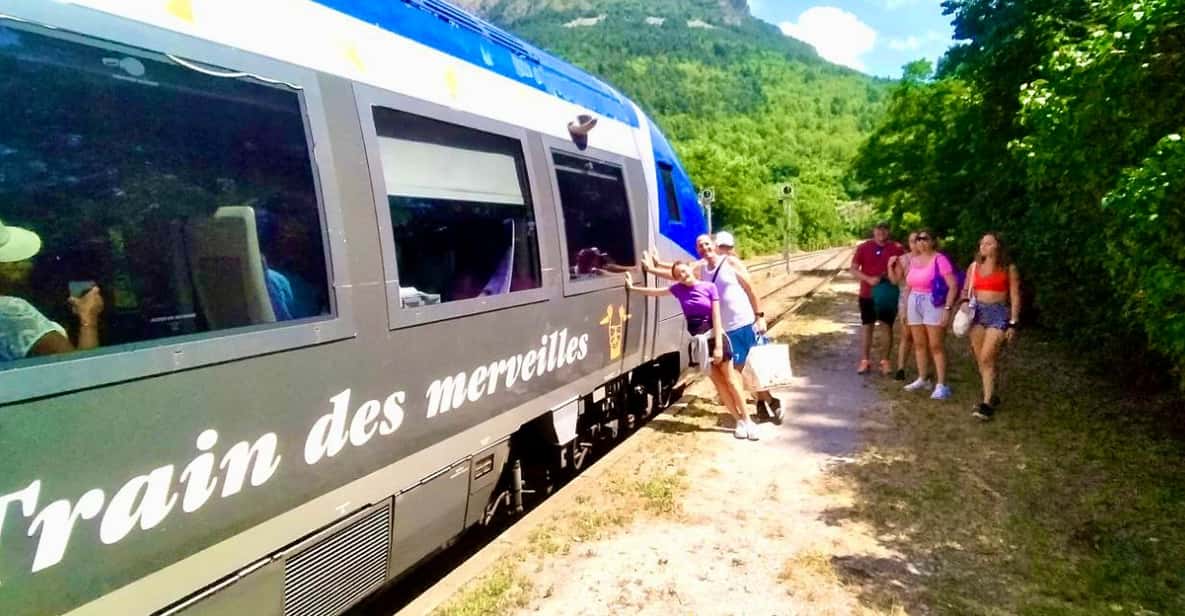
This is the kind of outing that breaks the spell of the French Riviera. Instead of doing one pretty viewpoint and moving on, you spend hours in motion on an historic mountain railway, then you switch into two villages where you walk through real old stone streets and fortifications. The route is designed for a slow gaze: tunnels and viaducts by train, then step-by-step discovery on foot.
I like that the focus isn’t only scenery. You get guided commentary onboard and inside monuments, plus time to look around without feeling rushed. And the small group size (15 people max) helps the guide manage the day with attention, not just announcements.
You can also read our reviews of more historical tours in Nice

Getting there: the 7:30am start at Chemins de Fer de Provence
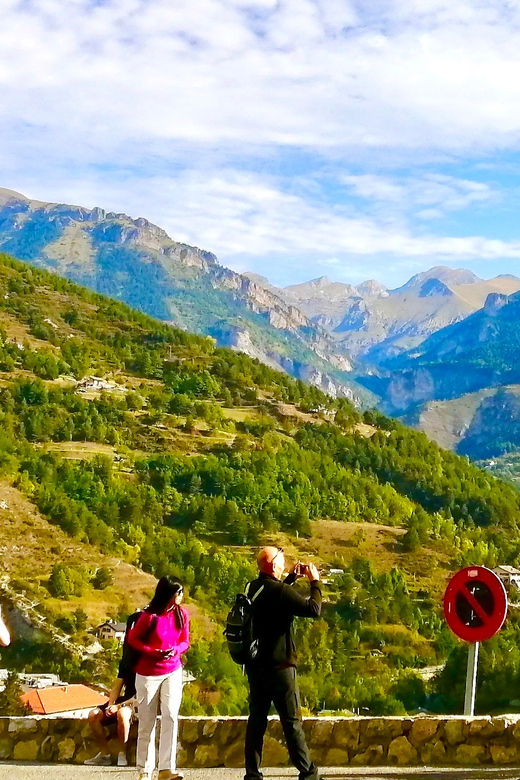
Meeting is early: the guide is at the big blue gate at Gare des Chemins de Fer de Provence by 7:30am. It’s about a 2-minute walk from Tramway line 1 stop Libération, at Place Charles de Gaulle near the Gare du Sud building, la Halle de la Gare du Sud.
If you’re staying in Nice, set a morning routine that protects your legs. You’ll want comfortable shoes ready to go, and a light layer for the shift from coastal air to mountain weather.
The historic train ride: tunnels, viaducts, and big alpine river views
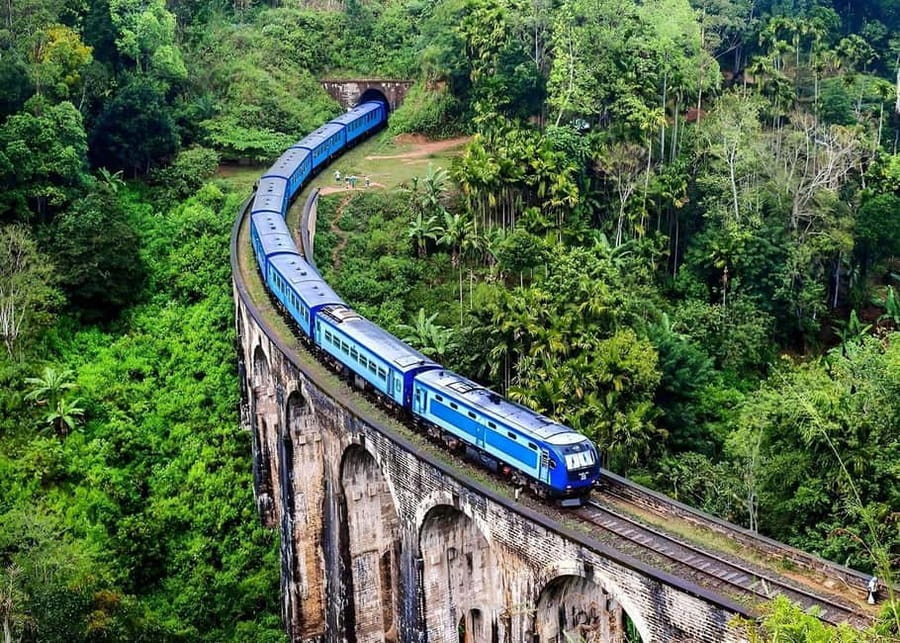
The train portion is a core part of the day, not just a transfer. After you board, you ride for about 1.5 hours through a mountain setting described with canyons, viaducts, and tunnels. You also travel along a major alpine river, and that matters because the valley scenery changes as you climb and curve.
Then there’s a shorter second train ride (about 30 minutes) between the two villages. It gives you that reset between walks, which is helpful if you’re planning to do the longer hike option later.
Practical note: it’s a full day, so treat train time like sightseeing time. Stand where you can for views, and don’t wait until the end to take photos. Once you’re off the train, you’ll be walking.
Village 1: medieval fortifications, Baroque cathedral, and the castle walk
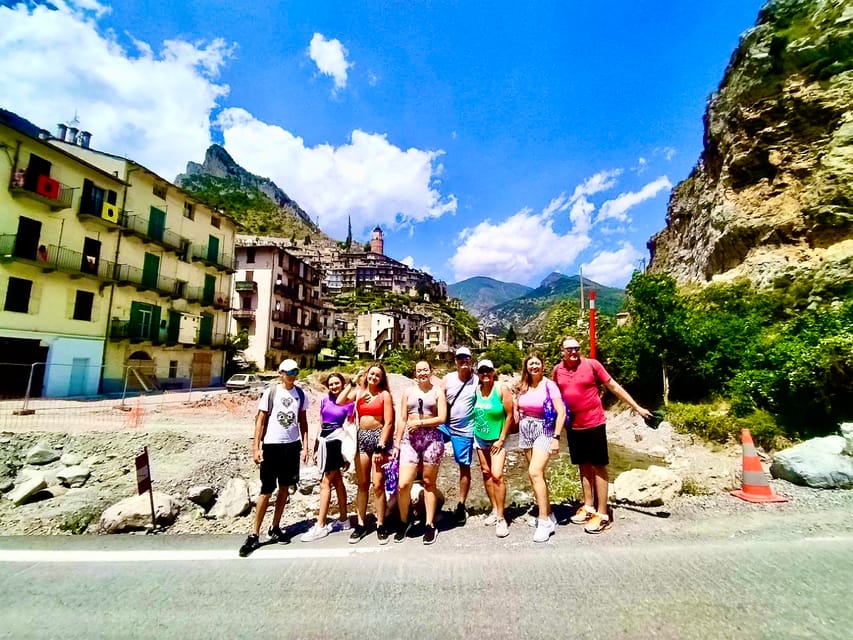
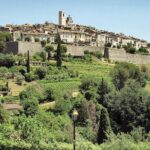
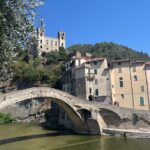
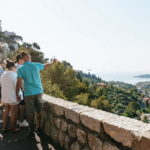
Your first village is one of those places the French protect carefully. You’ll have about 4 hours here, with guided touring, photo stops, and break time. Highlights include medieval architecture, a Baroque cathedral, massive fortifications, and drawbridges.
Then comes the part that turns “stroll” into “effort”: a 30–45 minute walk through gates up to a perched castle. The climb involves about 200 meters (around 600 feet) of height difference, so good physical condition is a must. The upside is payoff. From the towers, the views open in a way that feels earned.
If you’re not up for the longer walk, the day is still built to give you village time. You can usually adjust pacing, but the village layout does include steps and uneven older stone.
Lunch in the village: local restaurant meals or picnic timing
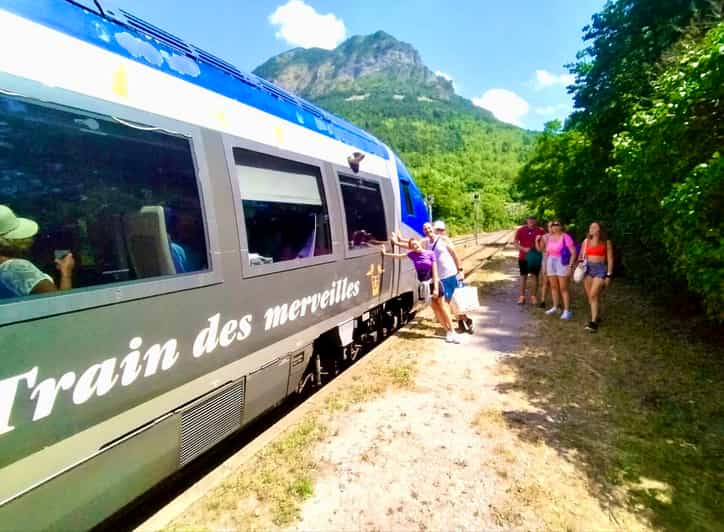
Lunch is included, and you’ll either get a picnic or lunch at a typical local restaurant depending on your option. The scheduled lunch break is about 45 minutes, so plan your pace like you would for a busy museum day.
One big advantage here is that food happens inside the village experience, not back at a bus. That keeps the day feeling like you’re actually part of local life. If you’re choosing the picnic option, expect it to be more set than custom, so if you have dietary needs, tell your guide ahead of time.
If you want something more than a basic meal, you might be offered choices at the restaurant option. One participant described that the menu can change by day, and there can be an additional cost if you pick the restaurant meal rather than the included format. If that matters to you, ask when you confirm your lunch choice.


Village 2: sandstone streets, troglodyte houses, and the hike options
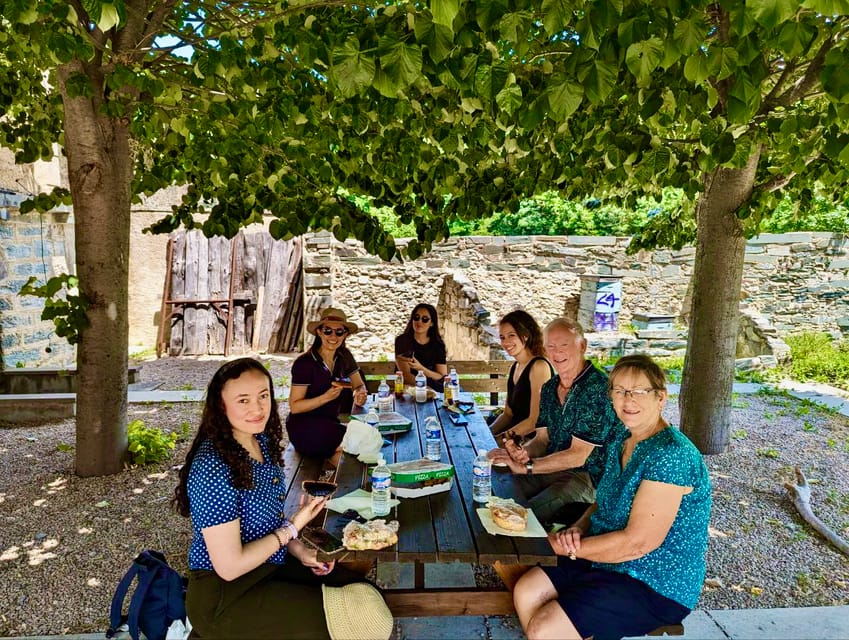
The second village is the “how did people build here” stop. You’ll spend about 4 hours exploring, with guided time plus free time for wandering. The streets are built on sandstone blocks, and you’ll see troglodyte-style houses integrated into the rock.
There’s also a very specific outdoor element if you want it: an optional hike through a mystic forest with centuries-old chestnut trees. The route can include mysterious caves and sandstone giant blocks, and it’s described as a paradise for hiking fans, cliff-hanging types, mushroom pickers, and people who just like geology.
How far you go depends on your energy
You have short walk options if you don’t want the full hike. If you do go sporty, the long hiking option is typically described as a minimum of 5 km up to a maximum of 12 km. That range is important: it means you can choose to be outdoors without committing to a fitness challenge for the sake of it.
If you want to dip in the river, bring a towel and swimsuit, but it’s only an option in summer hot season, and you’ll need to tell the team in advance so they can adapt the plan.
How hard is it really? Walking distances and what to prepare
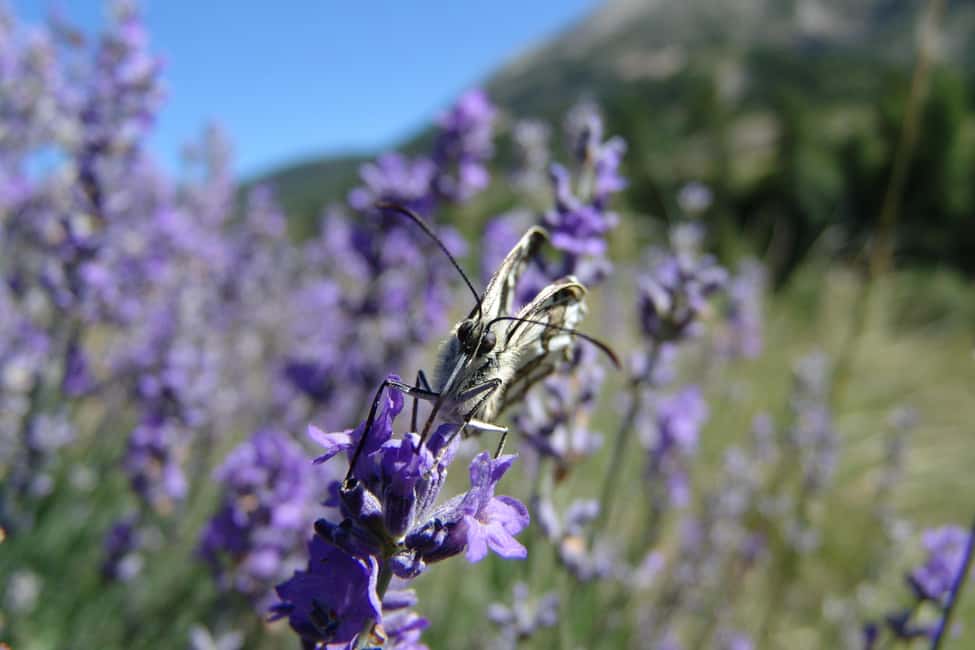
This is an 11-hour tour with two village bases and lots of foot time. Even with breaks, you should assume you’ll be on your feet for long stretches, with steep climbs in at least one location.
There’s a clear physical “gatekeeping” moment in the first village: about 200 meters of height difference for the citadel walk. Then the second village can add hiking that runs 5–12 km for the longer option. If you’re already doing day hikes at home, you’ll probably feel comfortable with the sporty choice.
If you’re the type who stops to admire views often, don’t worry. The itinerary includes recovery breaks and free time, and the guide can help you pace. But you should come with comfortable shoes and no fake confidence. Old stone steps are not the time to break in new footwear.
The guide makes the day: the stories, the timing, the humor
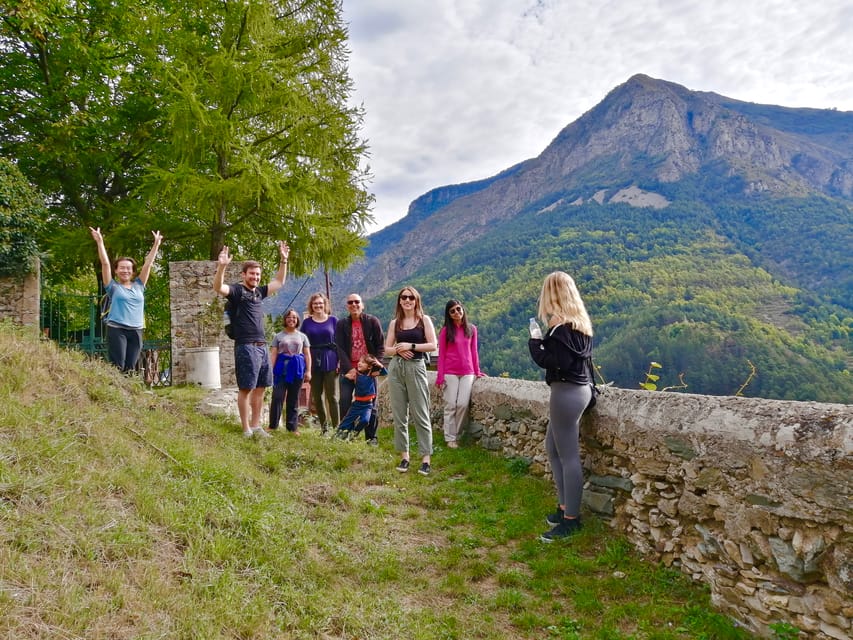
This tour lives or dies by the guide. And the standout theme across the experience is how much the guide shapes your day. Names that come up again and again include Cyril, Carmela, William, and Alex, plus Samuel as a guide on some departures.
What’s consistently praised is the mix: history taught through humor, plus real care for how the group is doing. The guides also do active storytelling onboard, and they point things out while you’re still traveling so you start learning before you reach the first village.
It also helps that the day isn’t a one-note lecture. Guides manage timing, keep you moving between the right photo angles, and create room for questions. If you like conversations that make a place feel lived-in, this is where it happens.
Small group energy: why 15 people matters on steep stone days
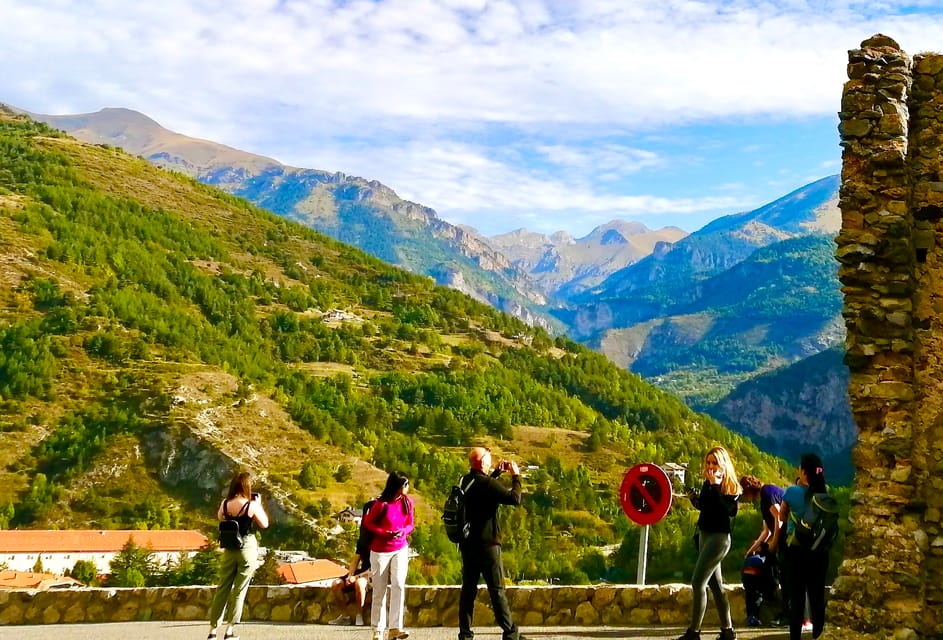
Small group size (15 max) might sound like a marketing detail, but on a walking day it’s practical. Fewer people means the guide can actually watch foot traffic, regroup without chaos, and handle the inevitable moments where someone needs an extra minute.
The day also includes time where you can slow down. You’ll have free time in both villages, and that matters if you want photos, craft browsing, or just a bench break to recover. Some groups even have fun with local games like bocces/pétanque outside cafés, depending on timing and the village moment.
Weather and season: summer hikes vs winter rhythm
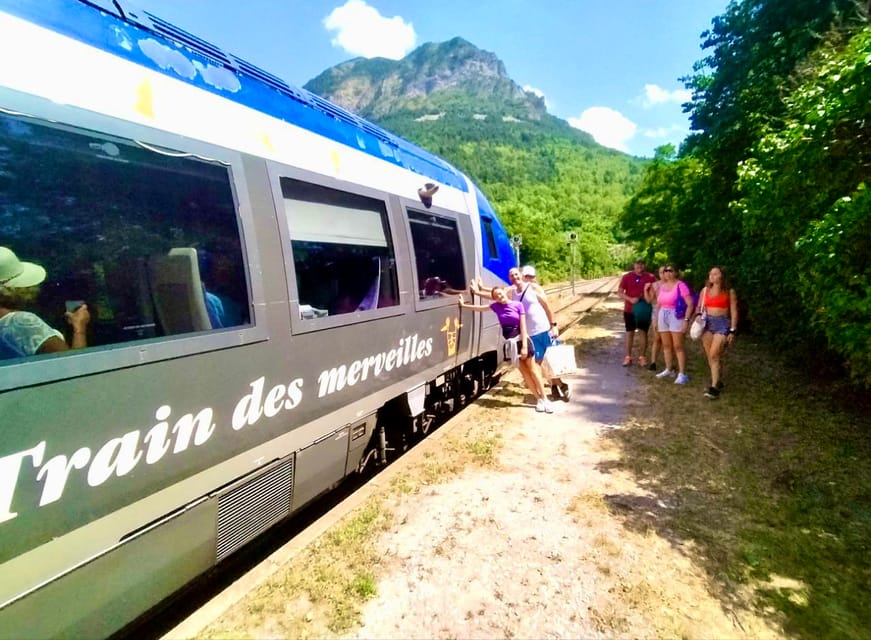
Expect weather to be real in the mountains, even when Nice itself feels mild. Dress in layers and plan for changes.
In winter sessions (November 6 to February 28), the itinerary changes. From Tuesday, Wednesday, Thursday, and Saturday you typically do 1 village plus hiking, and you return to Nice by 4pm. On Sunday, you do 2 villages and hiking and return by 6:15pm.
That winter schedule is useful if you want the feel of the trip but have less daylight. Still, even off-season, the walking remains part of the experience.
Value check: is $200 worth it for this much moving and included food?
At about $200 per person for an 11-hour day, you’re paying for more than a train ticket and a view. You’re buying:
- a guided historic rail experience (roundtrip train tickets included)
- professional guide time in transit and in monuments
- lunch (picnic or restaurant, depending on your option)
On this type of day, the value comes from how much gets packed into the full schedule without it turning into a frantic sprint. You’re not just passing through villages; you’re doing a guided walk with time on your own to absorb the place.
The only time I’d hesitate on price is if you want minimal walking. Since the day includes steep climbs and optional longer hiking, you’ll get more value if you actually plan to move through both village experiences.
Who this tour fits best (and who should skip it)
This works best for you if you:
- enjoy guided walks in historic villages
- like trains and want the ride to be part of the story
- are comfortable with a long day and can handle steps
- want off-the-beaten-path villages beyond the usual Riviera focus
It may not be for you if you want a low-effort day. The tour is not suitable for people with mobility impairments, and the steep climbs plus optional hikes make it hard to adapt on the fly.
If you’re unsure, consider the option that lets you return early. There’s a possibility to return to Nice at 4pm, but it’s tied to doing only one village.
Should you book this tour?
Book it if you want your Nice trip to feel like a real day in the mountains, not a sightseeing detour. The combination of the historic rail ride, two distinct village styles, and guided context is hard to recreate on your own—especially on a day where you can still eat well and take breaks.
Skip or rethink it if you know you can’t handle steep steps or you hate long walking. This one rewards fitness and curiosity.
If you’re somewhere in the middle—able to walk, but not sure about the hiking—choose the shorter walk options and treat the train plus village time as your main win. You’ll still get the core experience: old stone streets, Baroque and medieval sights, and a mountain rhythm you won’t forget.
FAQ
FAQ
Where is the meeting point in Nice?
You meet at the big blue gate of Gare des Chemins de Fer de Provence. It’s about a 2-minute walk from Tramway line 1 stop Libération, near the Place Charles de Gaulle station building (la Halle de la Gare du Sud). The guide is there with a blue sign for the Train Experience through the Alps.
How long is the tour?
The tour runs about 11 hours.
What time does it start and when do you return to Nice?
The standard meeting is at 7:30am, and the return to Nice is at 8:57pm. There’s also a possibility to return at 4pm if you do only one village.
What’s included in the price?
Roundtrip train tickets are included, plus lunch (picnic or local restaurant depending on option), a professional guide, and commentary onboard the train and inside monuments.
Do I need to bring lunch or money for meals?
Lunch is included. The tour provides lunch as either a picnic or a lunch at a local restaurant depending on the option you choose.
How much walking is involved?
You’ll walk a lot. Good physical condition is required, with village walks and an optional hike. The sporty hike option is described as 5 km minimum up to 12 km maximum, with shorter walk options available if you prefer less hiking.
Is the tour offered in winter?
Yes. Winter sessions run from November 6 to February 28. The schedule changes by day: on Tuesday, Wednesday, Thursday, and Saturday you typically do 1 village with hiking and return by 4pm, while on Sunday you do 2 villages with hiking and return by 6:15pm.