REVIEW · MAREUIL LE PORT
Champagne Vineyard Experience: Delve into the terroir
Book on GetYourGuide →Operated by Champagne Harlin Père & Fils · Bookable on GetYourGuide
Cooler air, older vines, and a glass at the end. This 90-minute experience at Champagne Harlin Père & Fils turns a quick visit into a guided walk from the garden where grandfather’s vines grow all the way down into the cellar. I like that you learn how soils and viticulture choices show up in the glass, not just in sales talk. You’ll also meet a producer who puts real focus on biodiversity preservation, which gives the whole tour an extra layer beyond tasting. One thing to keep in mind: it’s a short stop-and-go visit, so if you want a long, heavy, high-end tasting seminar, this may feel a bit brisk for the price.
What I like most is the mix: you get the vineyard context (including the oldest vines) and then the cellar experience, with explanations of how Champagne is made. The tasting also includes the house’s Ratafia Champenois, which is a nice curveball if you only think of Champagne as the final product. The potential drawback is value perception—some people may find the tasting doesn’t match what they expected for $28, especially if they’re hoping for a bigger range or more time in the glass.
In This Review
- Quick hits
- Entering Champagne Harlin Père & Fils at 8 Rue de la Fontaine
- Garden to vines: oldest vines and the “why” behind your glass
- Vineyard walk meets biodiversity: why the estate treats nature like an ingredient
- Down into the cellar: historic production, cool air, and real steps
- The tasting: champagnes plus Ratafia Champenois
- What $28 gets you in 90 minutes (and how to judge the value)
- Group feel, guide energy, and the small moments that change everything
- Best for whom: the kind of traveler who’ll get the most
- Kids and non-drinkers: family-friendly, with one key rule
- A few practical tips before you go
- Should you book Champagne Harlin’s vineyard experience?
- FAQ
- Where does the tour start?
- How long is the Champagne Vineyard Experience?
- What languages is the guide available in?
- What’s included in the price?
- What do you taste during the visit?
- Is the tour suitable for children?
- Are there any restrictions on alcohol?
- Is cancellation free?
- Can I reserve now and pay later?
Quick hits
- Oldest vines tour: see why age matters before you pour anything.
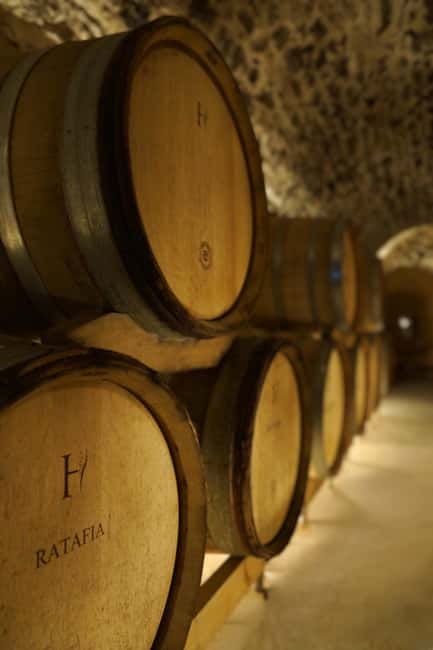
- Historic cellar visit: step into the cool depths where the work happens.
- Ratafia Champenois tasting: a local specialty you don’t get at every stop.
- Biodiversity focus: you’ll hear how biodiversity preservation shows up in the vineyard.
- Organic and sustainable viticulture: learn how soils shape each cuvée.
Entering Champagne Harlin Père & Fils at 8 Rue de la Fontaine
You’ll start at 8 Rue de la Fontaine, in the courtyard of Champagne Harlin Père & Fils. The vibe here is practical and friendly: you meet your guide, then you’re off on the walk. This matters because the tour is only 90 minutes, so the timing is built around keeping you moving between the garden, the vines, and the cellar.
One small note that helps: the cellar portion can involve stairs. Plan to wear shoes you’re comfortable walking in—nothing extreme is suggested, but you’ll be doing enough steps to make sturdy footwear worth it.
You can also read our reviews of more tours and experiences in Mareuil Le Port.

Garden to vines: oldest vines and the “why” behind your glass
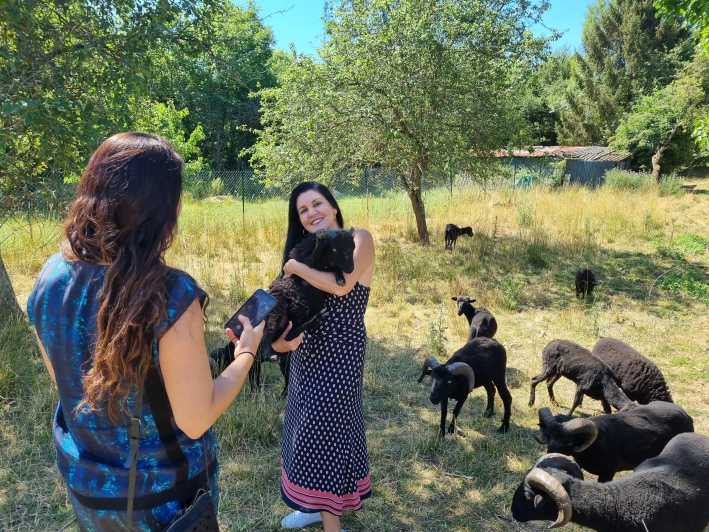
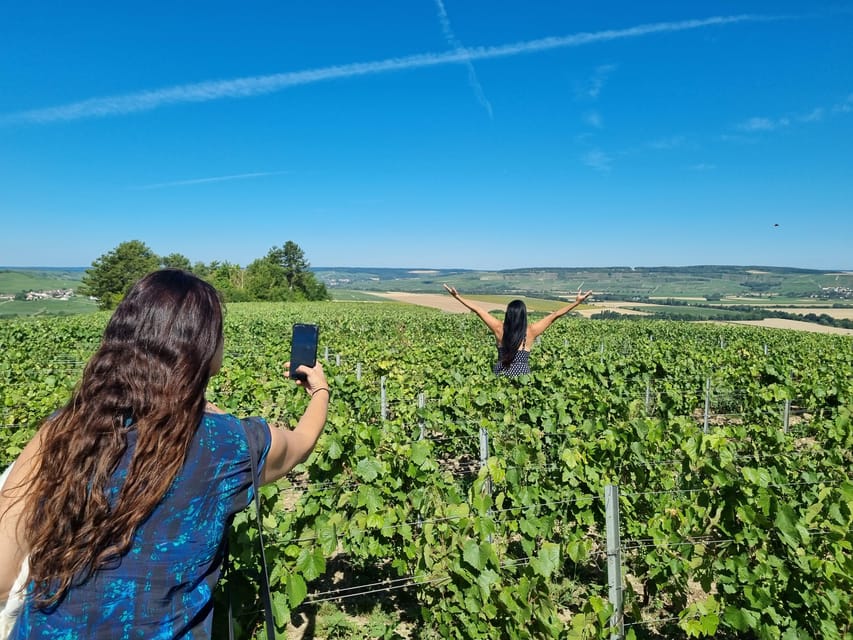
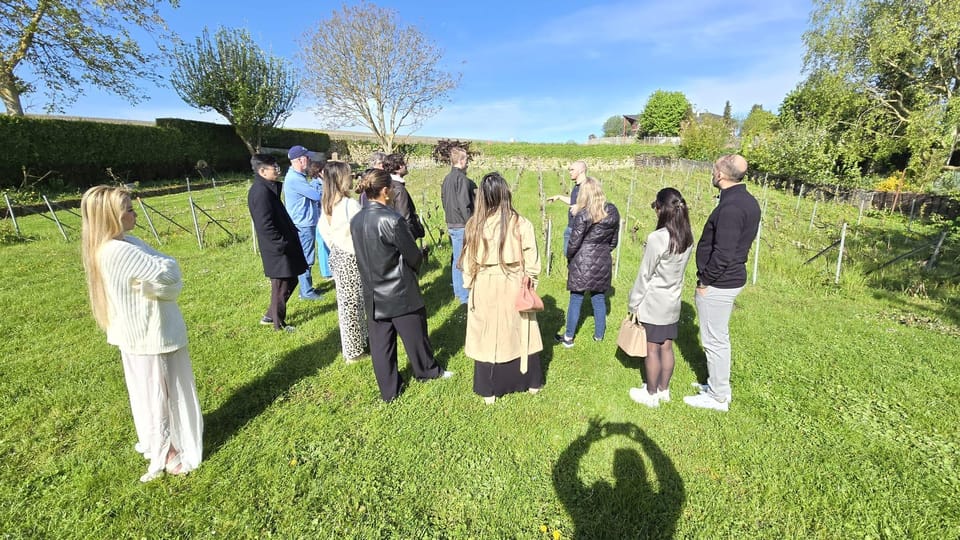
The first part of the experience is about place. You begin in the garden area where your hosts’ grandfather’s vines grow, then you move through the vineyards. This is where the tour does something smart: it doesn’t treat Champagne as a mystery that happens only in underground rooms. You see the raw material side first—so when you hear about soils and viticulture later, it clicks faster.
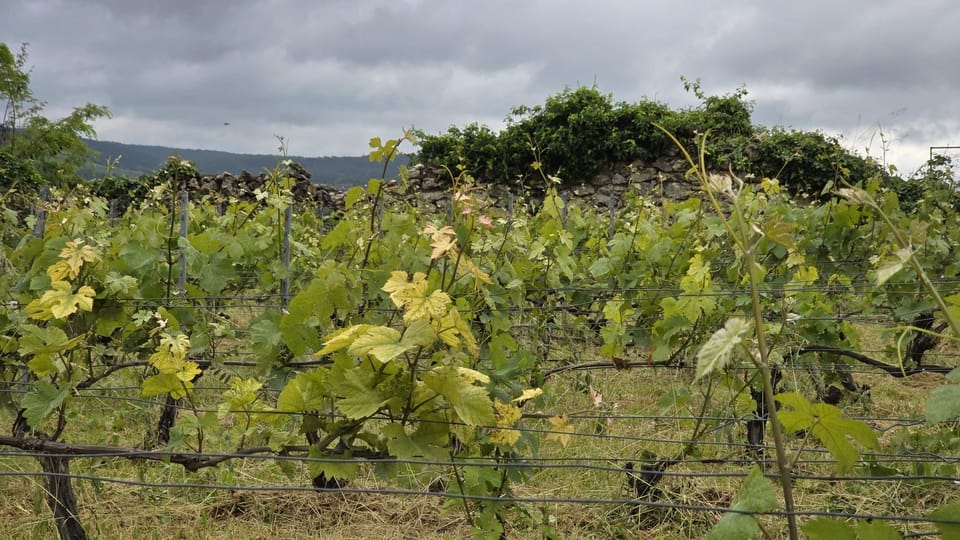
The tour also highlights oldest vines. Vine age isn’t just a bragging right; it changes how vines respond to stress and how the vineyard ecosystem behaves over time. In practical terms, this is a way to connect terroir to something you can observe—like how the estate thinks about long-term growing, not quick returns.
Your guide also frames things through organic and sustainable viticulture. That isn’t a trendy label here; it’s part of the explanation for how soils shape each cuvée. If you’ve ever wondered why two bottles from the same region can taste different, this is the kind of talk that usually gives you the missing pieces: not just “it’s Champagne,” but how the vineyard decisions steer the final profile.
Vineyard walk meets biodiversity: why the estate treats nature like an ingredient
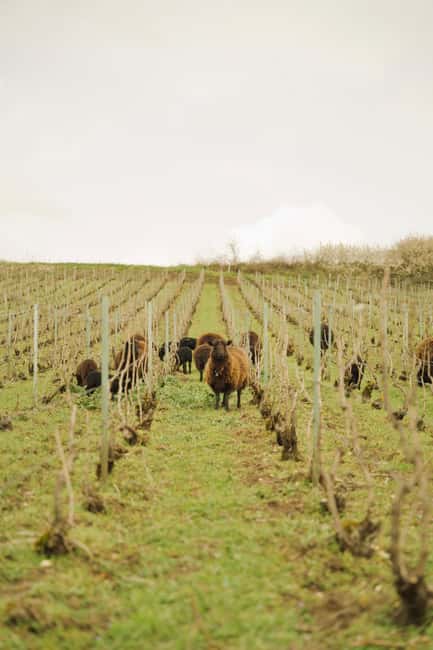
One of the standout themes is biodiversity. You’ll meet a Champagne producer with a strong commitment to biodiversity preservation, and you’ll hear how that approach fits into the estate’s daily choices. Even if you’re not a science person, the topic is easy to understand because it connects directly to what you’re tasting.
Here’s the practical angle: biodiversity isn’t just for show. It can support healthier soils and a more balanced vineyard environment, which is exactly what you want when your end goal is a consistent, quality-driven product. During the walk, you’re not just looking at vines—you’re also getting a sense of the estate’s philosophy.
This is also where the tour feels authentic. Estate tours work best when the guide is enthusiastic and able to explain the “how” and “why,” not just recite facts. In past visits, guides named Sarah and Chléo have been noted for clear explanations and strong energy, and that kind of guiding makes the walking segment feel less like a lecture and more like an informed conversation.
Down into the cellar: historic production, cool air, and real steps
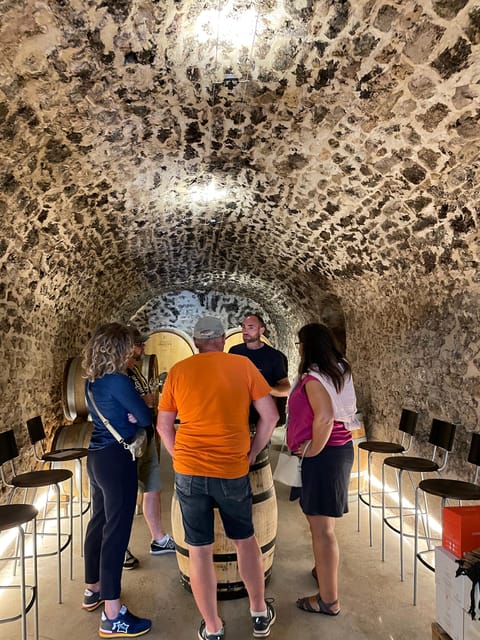
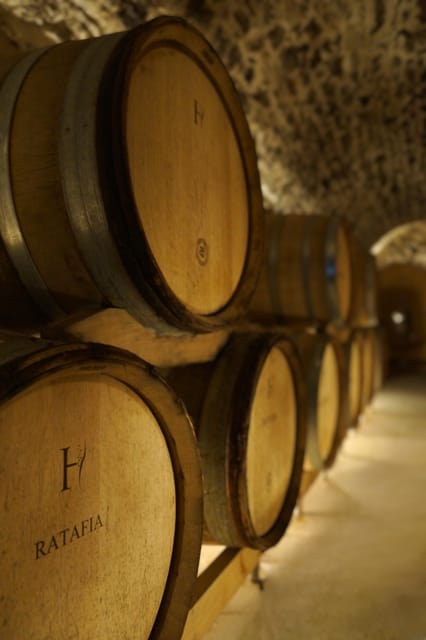
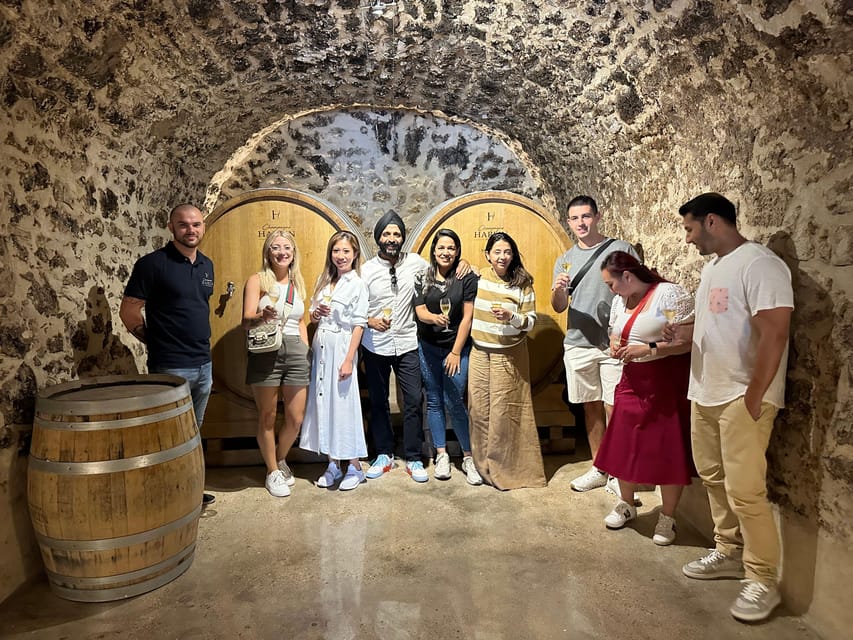
Next comes the cellar. The tour takes you from the vineyard down to the cool depths where Champagne production ties together. This is the section that many people find memorable because it changes the atmosphere fast: outside you’re in sunlight and vines; inside you’re in cooler air with the historic production spaces doing the talking.
You’ll tour a historic cellar, where you’re told about Champagne production’s secrets. The tour is designed to connect the earlier terroir and growing explanation with what happens during production. Even if you don’t catch every technical detail, you’ll leave with a clearer mental map: the vineyard influences the grapes, and production choices shape the final character.
Because this part includes stairs and cave navigation, it’s worth moving at an easy pace. If you’re the kind of person who gets tripped up easily on uneven steps, plan ahead. The guide will keep things orderly, but the environment is more “cellar” than “museum walkway.”
The tasting: champagnes plus Ratafia Champenois
The tour ends with tasting, and this is where your brain finally gets to compare. The tasting segment runs about 30 minutes, which is enough time to get a few key impressions—especially if the guide teaches you how to taste instead of tossing you a glass and hoping for the best.
You’ll taste champagnes and the estate’s emblematic Ratafia Champenois. This matters. Ratafia isn’t just a random add-on; it’s a local specialty tied to the region’s traditions and a different side of the Champagne culture than sparkling wine alone. If you’ve only ever focused on Champagne as bubbles, tasting ratafia can broaden your understanding of what “Champagne country” can include.
The guide also focuses on the art of tasting—helping you approach flavor and structure more methodically. That’s valuable even if you’re a casual wine drinker. You’ll likely catch things like acidity, fruit expression, and how the tasting changes from one pour to the next. And because you visited the vines and heard about soils, you can start linking your sensory notes to the earlier explanations.
What $28 gets you in 90 minutes (and how to judge the value)
At $28 per person, the main question isn’t whether it’s cheap. It’s whether it gives you enough experience per minute to feel worth it.
Here’s the balance in your favor: you get a guided tour (not self-guided), a vineyard walk, a cellar visit, and tastings that include both Champagne and Ratafia Champenois—all within 90 minutes. For many people, that’s a solid deal because the time adds structure. You’re not just paying for drinks; you’re paying for context, explanations, and the chance to see the estate’s workflow from vine to cellar.
Still, value can be subjective. One caution to hold in your mind: if you’re expecting a huge flight lineup, lots of time with each pour, or a very long tasting session, this format might not satisfy. The tasting segment is only 30 minutes, so the tour prioritizes movement and story over extended drinking time.
Group feel, guide energy, and the small moments that change everything
This is a human-scale tour, and it can feel close to private when conditions allow. On at least one occasion, the experience has been described as almost private with two guides, which usually means more room for questions and slower, clearer pacing.
The guide quality is a real part of the experience. When Sarah is on the tour, people have highlighted clear explanations and a passion that keeps things engaging. Chléo has also been mentioned for friendliness and thorough information. That’s important because estate tours can go either way: some guides are fluent but monotone, and some are lively but vague. Here, the reports lean toward guides who manage both clarity and enthusiasm.
One possible drawback to consider: if you’re very sensitive to production-style staging or small bits of “show,” there’s a chance the flow could feel a little choreographed to some tastes. That’s not the main purpose of the visit, but if you prefer a quiet, fully grounded experience with no extra flourish at all, you may want to mentally brace for a standard tour rhythm.
Best for whom: the kind of traveler who’ll get the most
You’ll probably enjoy this most if you’re the type who likes to connect the dots—vineyard to cellar to glass. If you’re curious about how soils shape cuvées, or you want a local specialty like Ratafia Champenois instead of only the mainstream sparkling pour, this fits well.
This also works nicely if you’re traveling with someone who doesn’t want a heavy wine course but still wants more than a generic tasting. The vineyard walk gives a visual anchor, and the cellar visit adds the production angle.
If you’re a serious collector looking for a deep technical tasting with lots of bottles, longer time, and lots of behind-the-scenes access, you might feel the time is short. This tour is about a well-paced introduction rather than an all-day master class.
Kids and non-drinkers: family-friendly, with one key rule
Children under 18 can accompany you, but they won’t be permitted to drink alcohol for legal reasons. Kids don’t require a ticket for entry. The good news: fruit juices can be provided for them.
So if you’re traveling as a family, you can still do the tour without feeling like everyone is stuck in the same adult-only box. Just plan on your kids being part of the walking and learning sections, not the alcohol tasting.
A few practical tips before you go
Wear comfortable shoes for vineyard paths and the cellar stairs. Bring a light layer if you run cold indoors—the cellar will be cooler than the outside walk. If you want to get the most out of the tasting, take notes in your phone right after each pour. With only a 30-minute tasting window, quick notes help you compare and remember.
Also, keep expectations aligned with the duration. This is an estate experience built into a tight 90-minute window, so pacing is part of the design.
Should you book Champagne Harlin’s vineyard experience?
I’d book it if you want a compact but structured Champagne estate visit with real context. The combination of old vines, a historic cellar, and a tasting that includes Ratafia Champenois is exactly the kind of mix that makes a short tour feel worth it. You also get a biodiversity angle and organic/sustainable viticulture explanations, which can help you understand what you’re tasting beyond the label.
I’d think twice if you’re looking for a long tasting session, a large variety of pours, or a purely casual stroll with zero tour structure. At $28 for 90 minutes, you’re paying for guided flow and a thoughtfully chosen tasting—not for an extended, high-volume drink-and-talk marathon.
If that fits your style, this is a strong pick in the Grand Est.
FAQ
Where does the tour start?
The meeting point is the courtyard of Champagne Harlin Père & Fils at 8 Rue de la Fontaine.
How long is the Champagne Vineyard Experience?
The total duration is 90 minutes.
What languages is the guide available in?
The live tour guide is available in English and French.
What’s included in the price?
The ticket includes the guided tour and tasting.
What do you taste during the visit?
The tasting includes champagnes and the estate’s Ratafia Champenois.
Is the tour suitable for children?
Children under 18 may accompany you, but they cannot drink alcohol during the tasting. Fruit juices can be provided, and children do not need a ticket for entry.
Are there any restrictions on alcohol?
You’re not allowed to bring alcohol or drugs (the tasting is part of the experience itself).
Is cancellation free?
Yes. You can cancel up to 24 hours in advance for a full refund.
Can I reserve now and pay later?
Yes. You can reserve and pay later, keeping plans flexible.
##